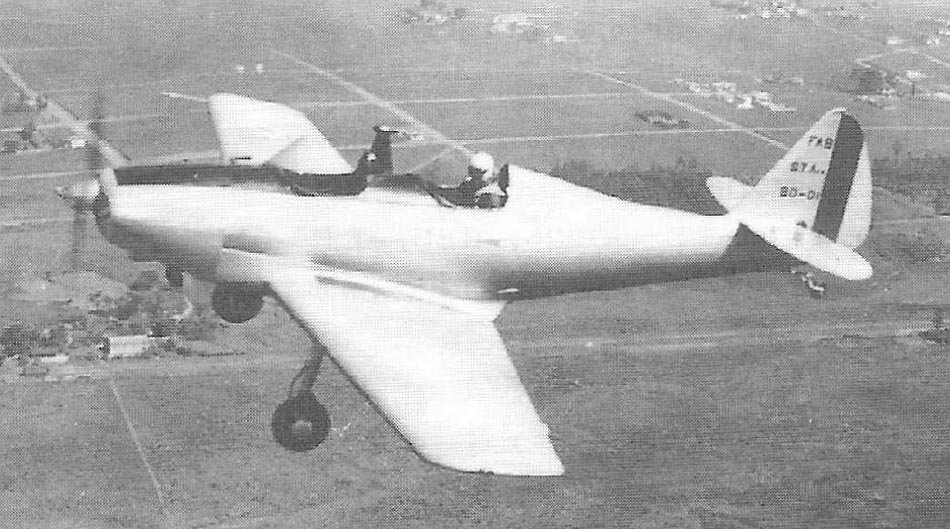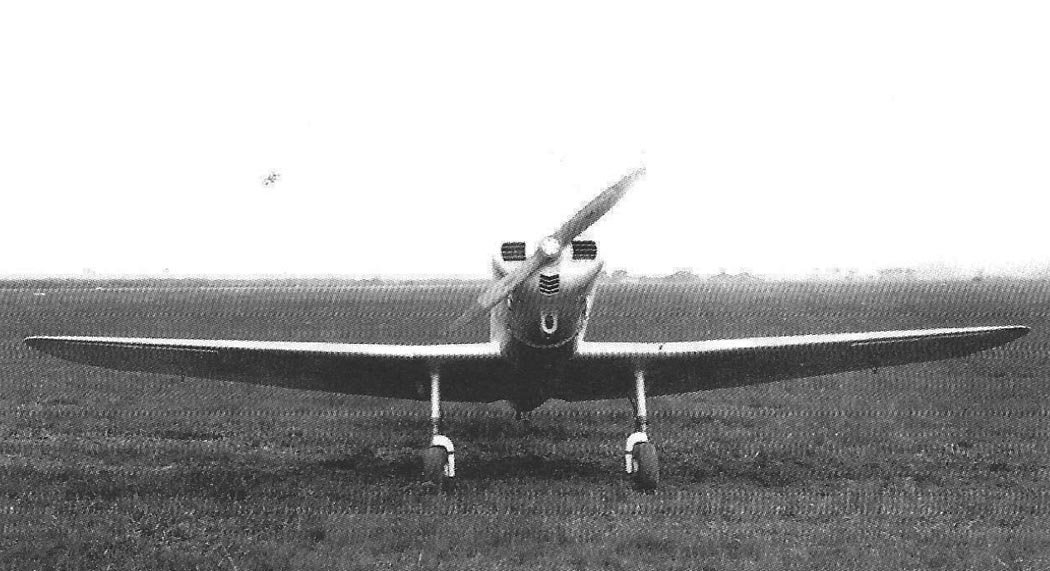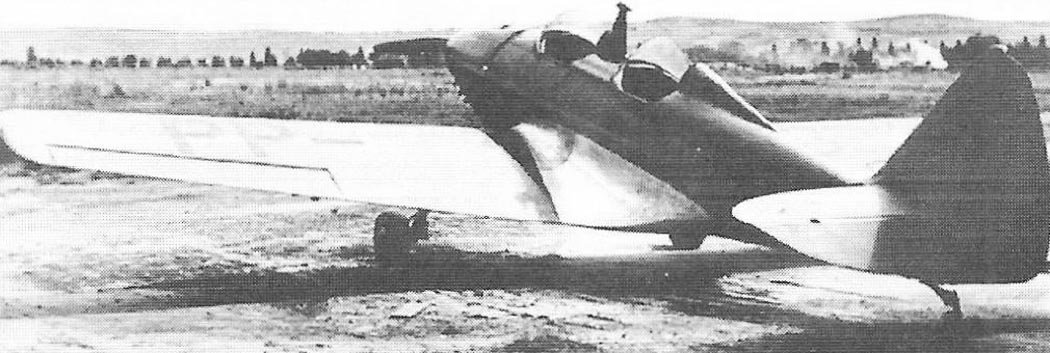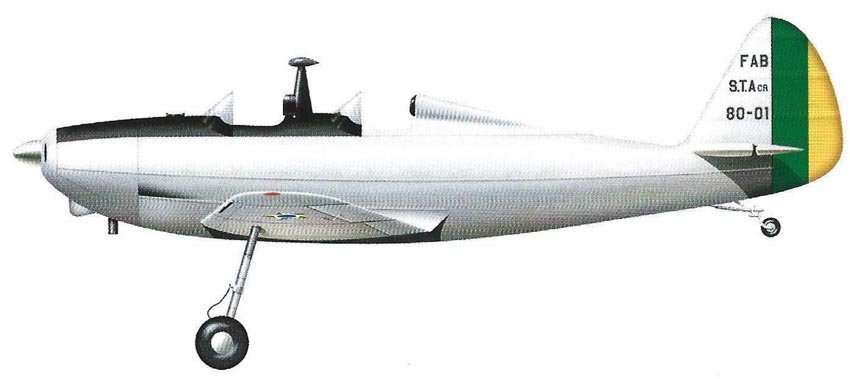
In 1944, the Brazilian company “Companhia Aeronautica Paulista” (CAP) began developing an improved version of the CAP-1 Planalto trainer aircraft. Designer Clay Presgrave do Amaral led the work. This initiative aimed to enhance the existing model for various applications.
Development and Specifications
The CAP-3 Planalto featured a slightly modified design and was equipped with a new Franklin 6AC-199-F2 engine. This engine produced 130 hp and drove a two-bladed wooden fixed-pitch propeller. These specifications were intended to provide improved flight characteristics over its predecessor.
Military Trials and Setbacks
During military testing, however, it became apparent that the new powerplant did not fully meet all the requirements. Although flight characteristics showed improvement, there was an increase in engine failures. Consequently, only a few examples of the CAP-3 Planalto were built, with the last one retired by 1948.
Civilian Market Endeavors
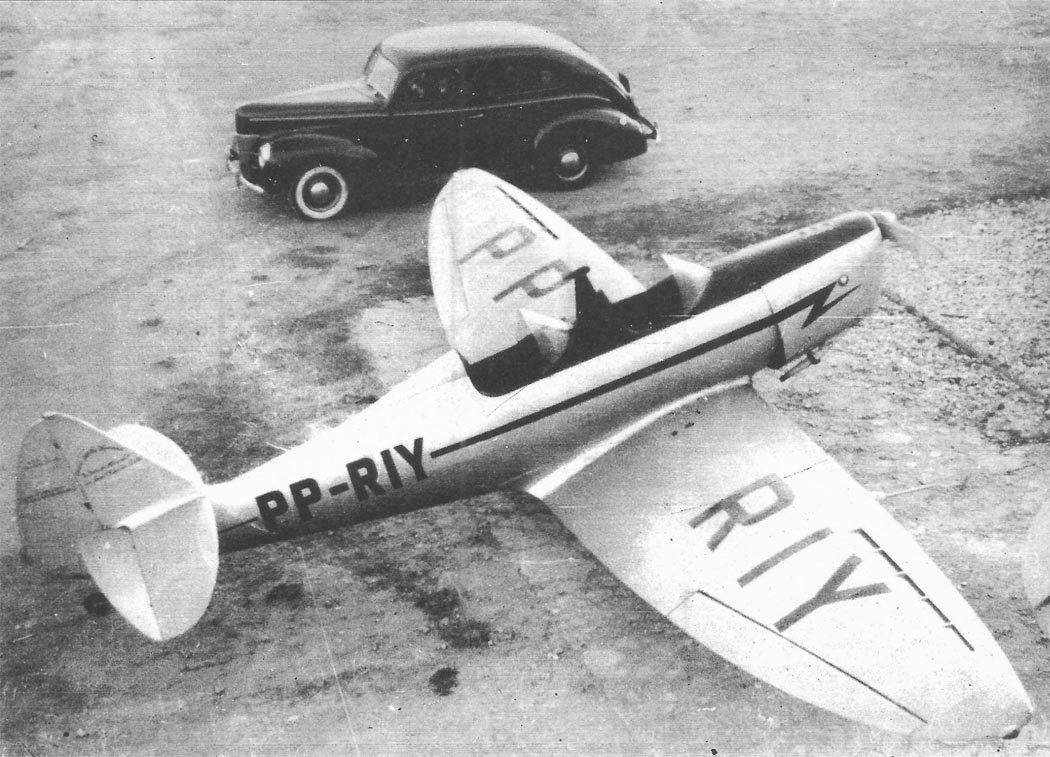
In 1945, CAP attempted to introduce the aircraft into the civilian market segment. The modified CAP-3A version was powered by a Gipsy Major engine, also rated at 130 hp. Three units of this civilian variant were produced.
Additionally, one more aircraft was completed as the CAP-3AE (registration PP-RIY). This particular model incorporated a new wing profile, indicating ongoing efforts to refine the design for potential civilian applications.
Technical Specifications
| Modification | CAP-3 |
| Wingspan, m | 8.60 |
| Length, m | 6.67 |
| Height, m | 2.00 |
| Wing area, m2 | 12.11 |
| Empty weight | 680 |
| Maximum takeoff weight | 800 |
| Engine type | 1 Piston engine Franklin 6AC-199-F2 |
| Power, hp | 1 x 90 |
| Maximum speed, km/h | 220 |
| Cruising speed, km/h | 195 |
| Practical range, km | 700 |
| Service ceiling, m | 3000 |
| Crew | 2 |
Image gallery of the CAP-3 Planalto