Development of the CAP-5 Carioquinha
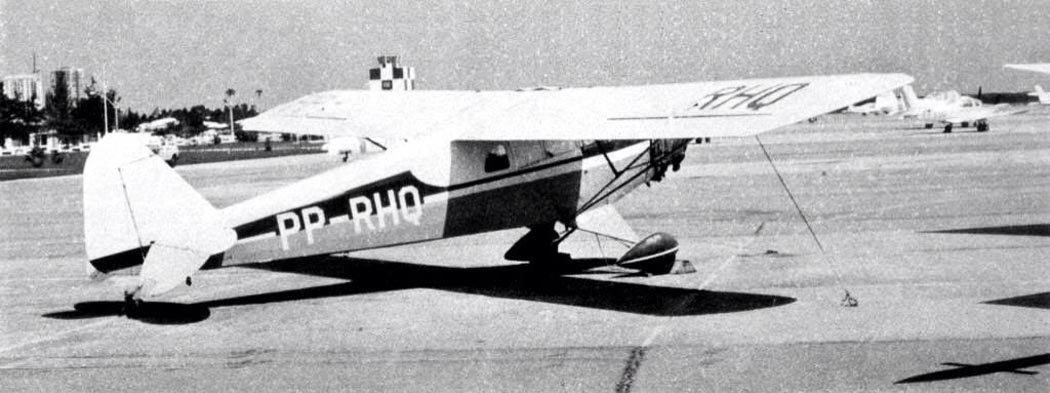
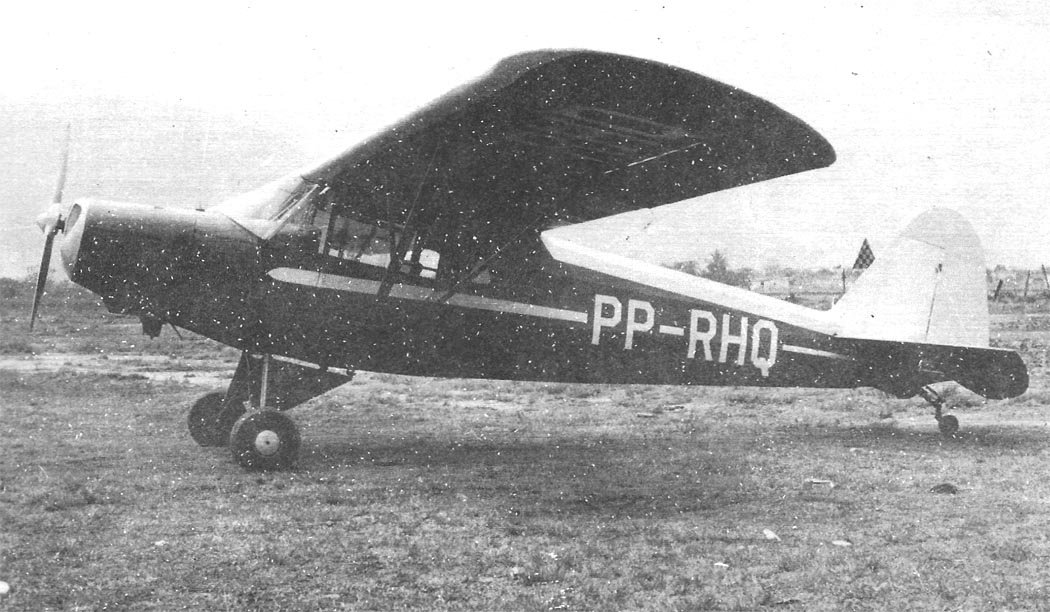
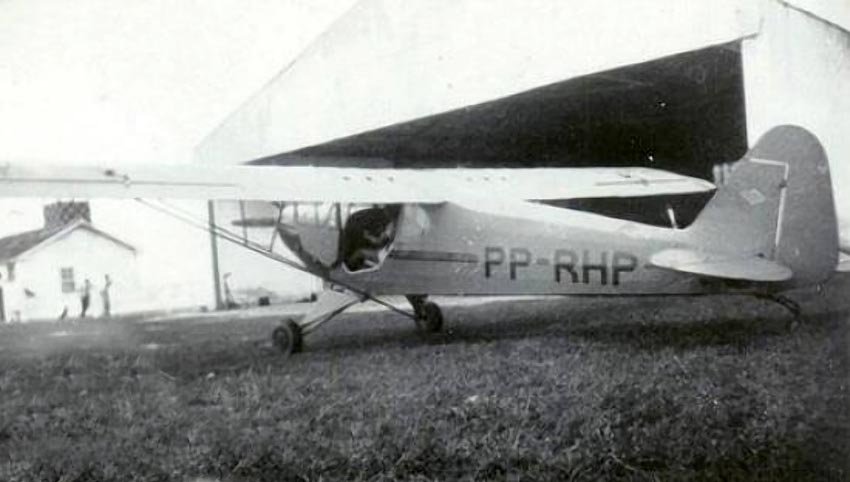
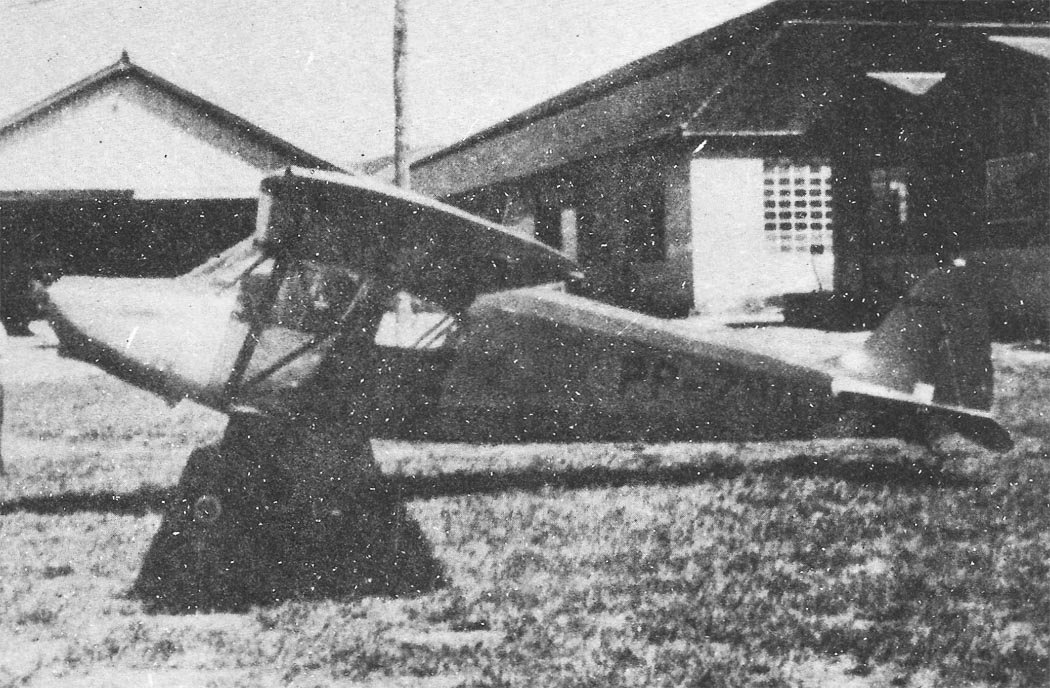
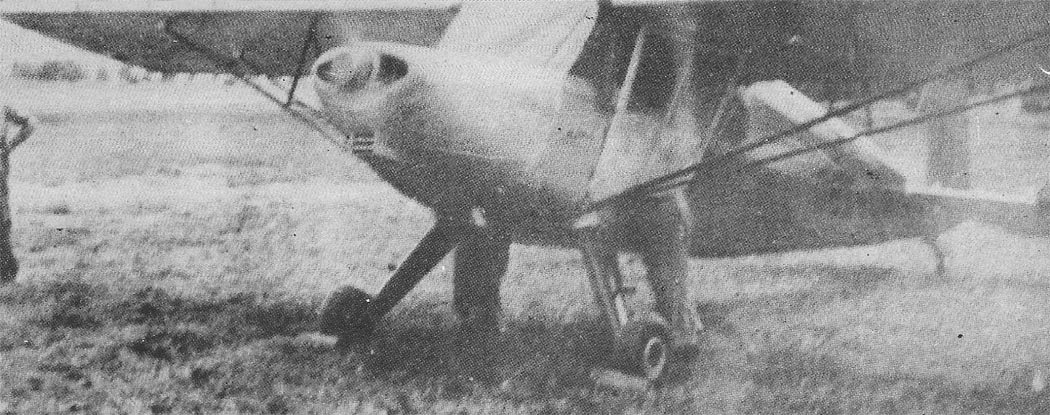
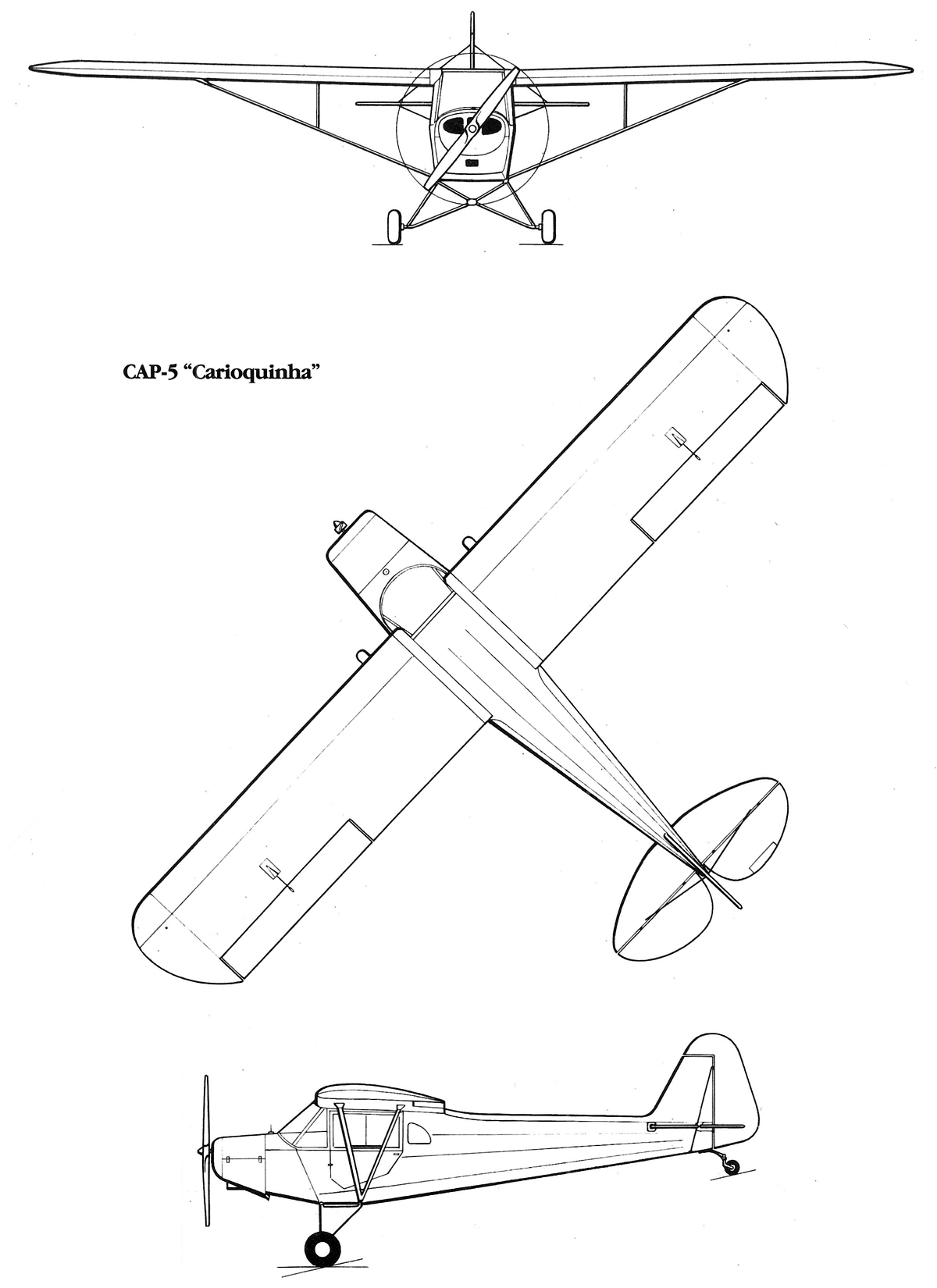
In 1945, the Brazilian company Companhia Aeronáutica Paulista (CAP) began developing a modernized version of the CAP-4 Paulistinha aircraft, featuring side-by-side seating. That same year, the prototype, named CAP-5 Carioquinha, took to the air for its first flight. It was a two-seat, strut-braced high-wing monoplane, equipped with a 90 hp Franklin 4AC-199 engine and an IPT Cruzeiro propeller.
Certification Challenges and Limited Production
The certification process for the CAP-5 encountered certain difficulties, which ultimately led to a small production run for these machines. Only seven units, including the prototype, were built in total. This limited number reflects the challenges faced during its development and approval.
The CAP-9 Carioca: An Ambulance Variant
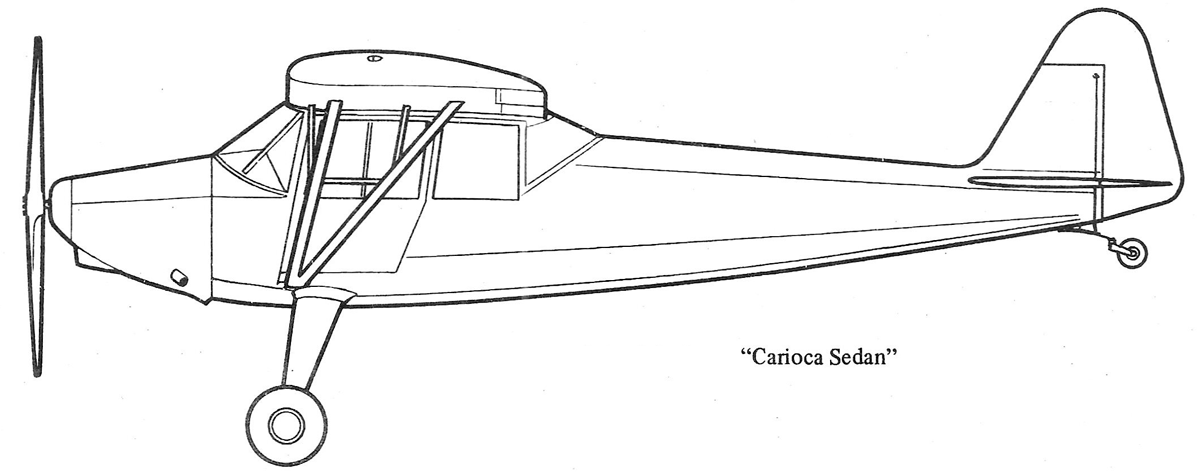
Subsequently, in 1947, an ambulance aircraft designated CAP-9 Carioca was developed based on the CAP-5. This variant was designed for air ambulance duties. However, like its predecessor, only a few examples of the CAP-9 Carioca were built, indicating another limited production for the company.
Technical Specifications
| Modification | CAP-5 |
| Wingspan, m | 10.9 0 |
| Aircraft length, m | 6.65 |
| Aircraft height, m | 2.12 |
| Wing area, m2 | 17.00 |
| Empty weight | 425 |
| Maximum takeoff weight | 660 |
| Engine type | 1 Piston engine Franklin 4AC-199 |
| Power, hp | 1 x 90 |
| Maximum speed, km/h | 155 |
| Cruising speed, km/h | 130 |
| Practical range, km | 600 |
| Rate of climb, m/min | 185 |
| Service ceiling, m | 3200 |
| Crew, crew members | 2 |
Image gallery of the CAP-5 Carioquinha