Development and Origins of the Carmier T.10
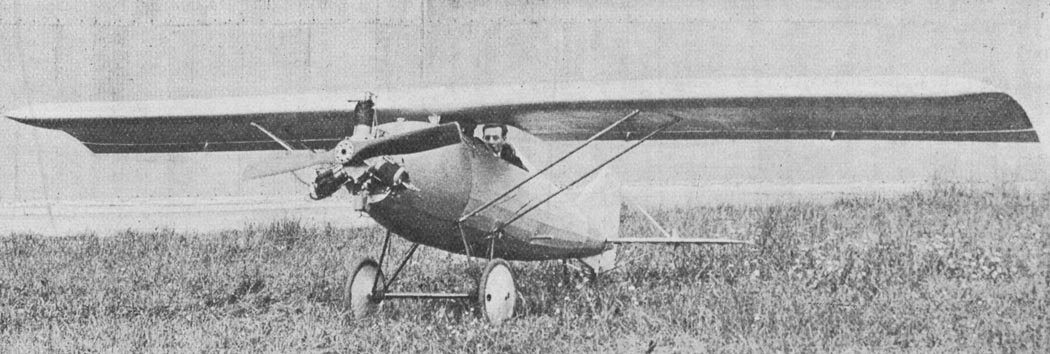
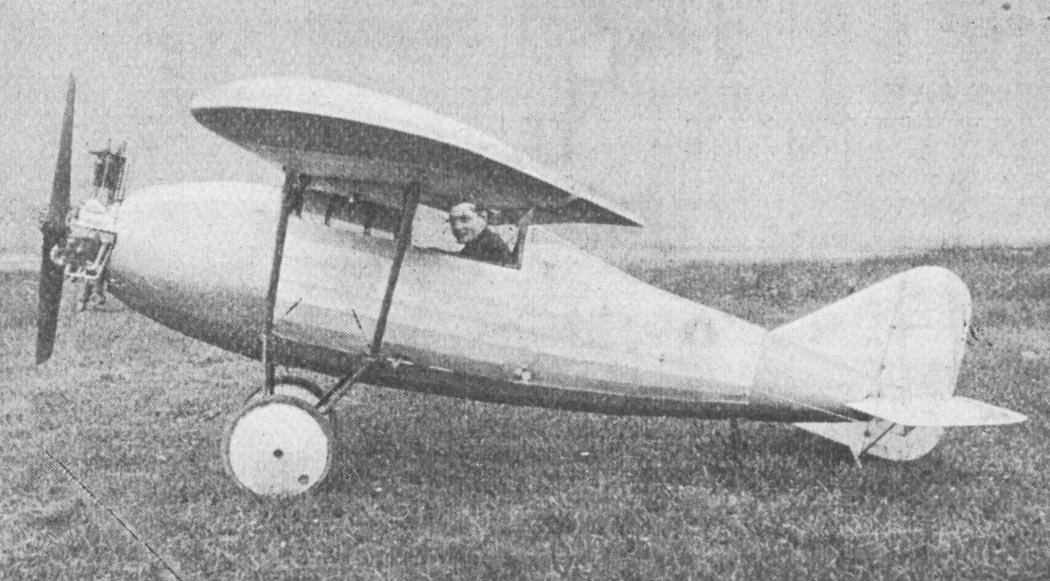
In 1924, French designer Pierre Carmier built a small aircraft named Carmier T.10 (also known as Carmier 10 or Avionnette Carmier). Carmier was assisted in the construction of the aeroplane by his friend M. Dupuy, which is why the machine was sometimes referred to as Carmier-Dupuy T.10.
Initial Technical Specifications
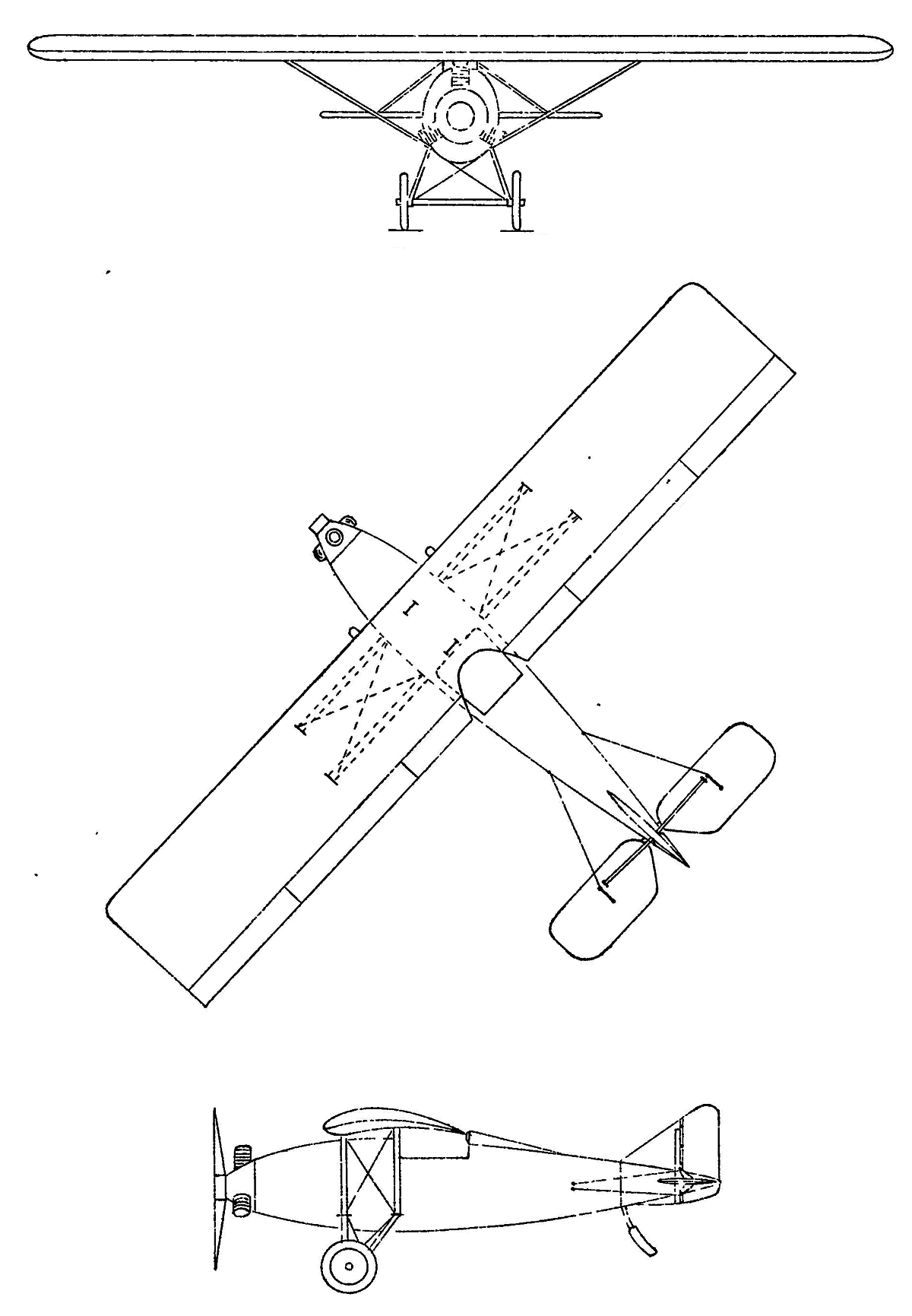
The Carmier T.10 aircraft was a single-seater, braced high-wing monoplane. It was equipped with a 35 hp three-cylinder Anzani radial engine and a two-bladed propeller.
Engine Evolution and Upgrades
In August 1924, the Carmier T.10 (F-EESF) participated in the “Tour de France des avionettes” competition with a more powerful 45 hp Anzani engine and a Levasseur propeller. After several years of flight, Carmier replaced the engine with a 27 hp Ava 4A flat-four engine.
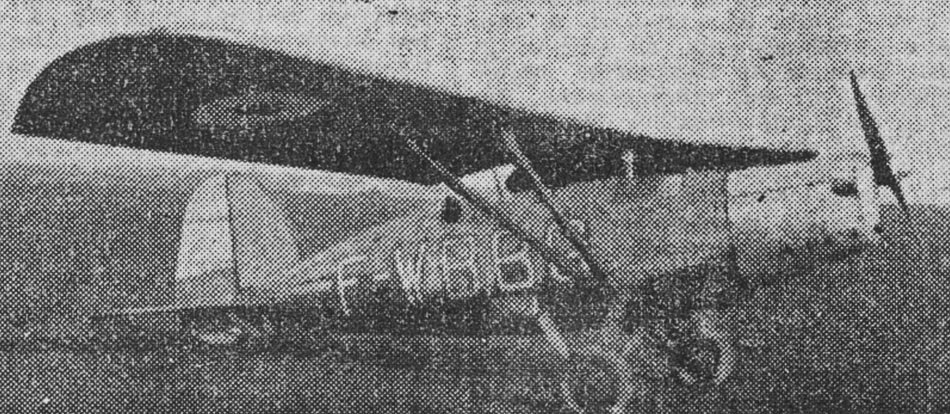
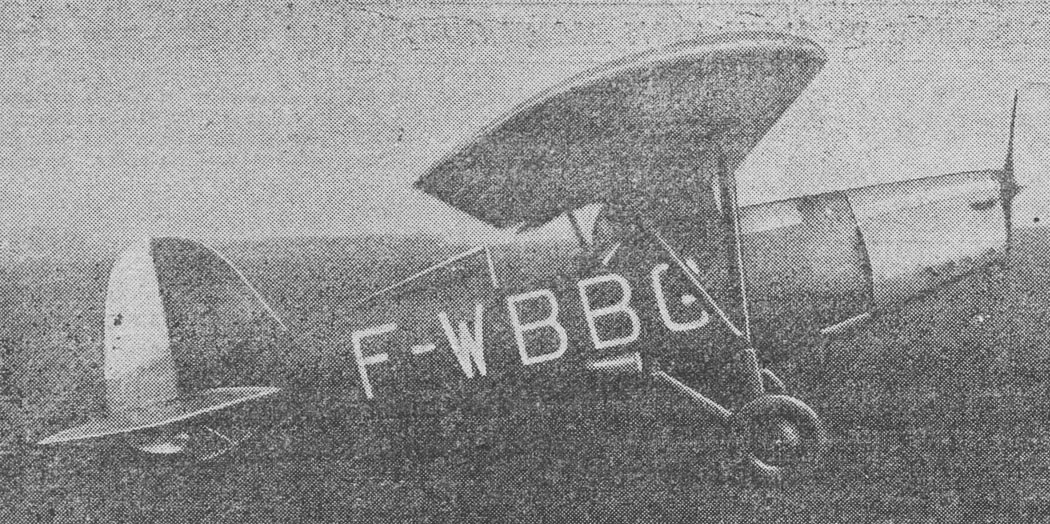
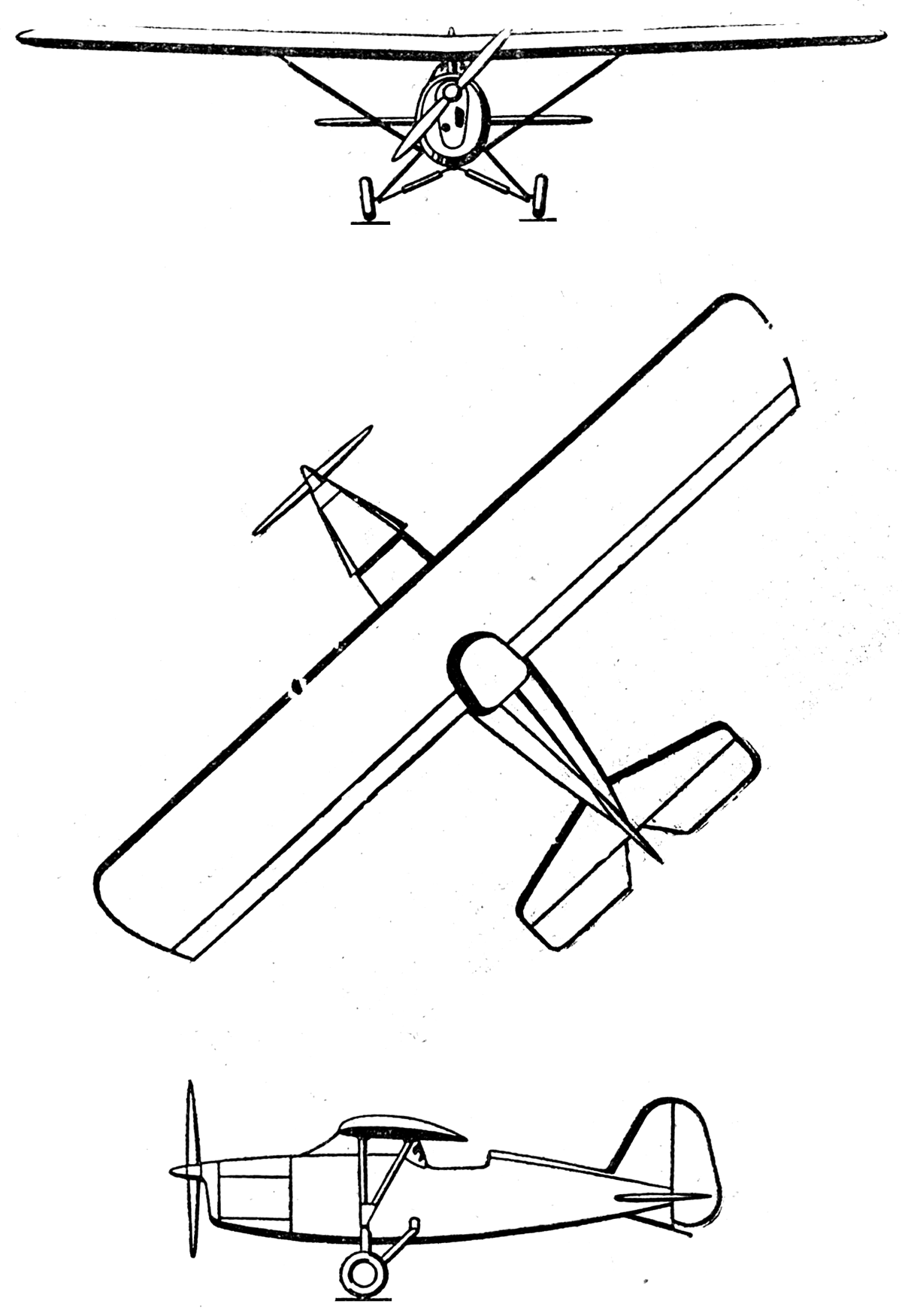
The final modification occurred in 1936, involving the installation of a 40 hp Train 4T four-cylinder inverted in-line engine with a Merville propeller. After the end of World War II, the Carmier T.10’s registration number changed to F-WBBG.
Image and diagram gallery of the Carmier T.10