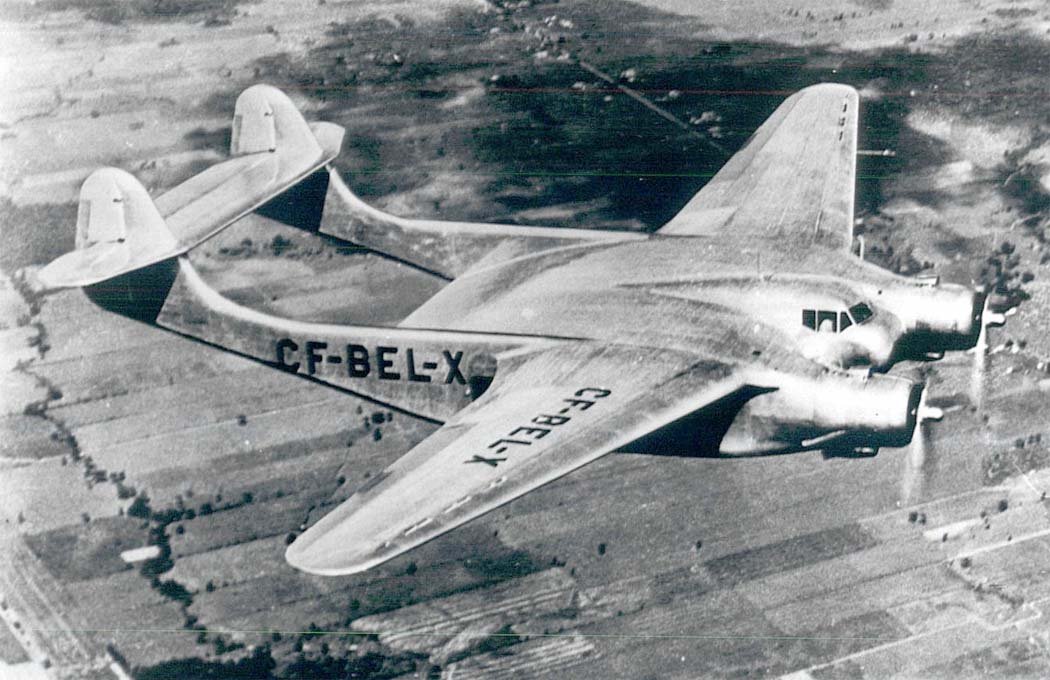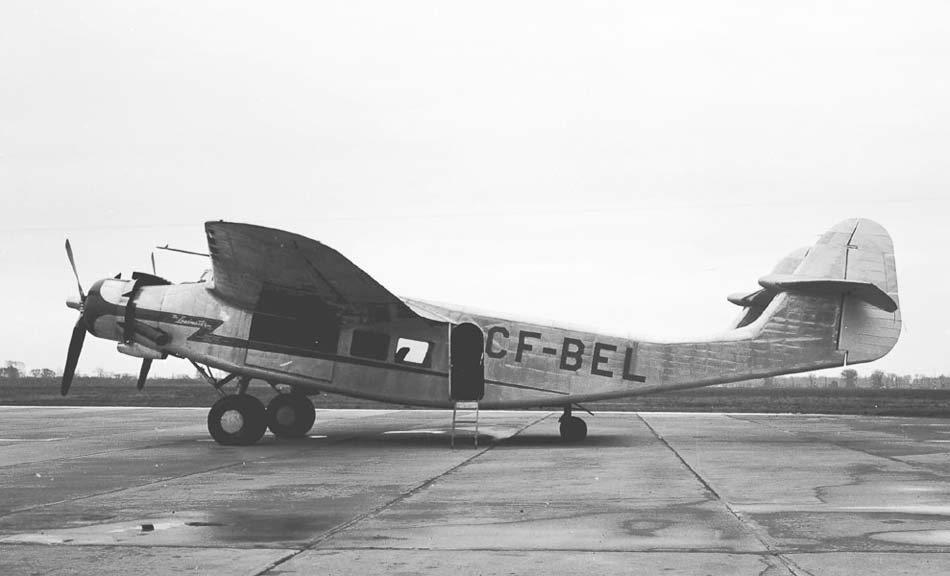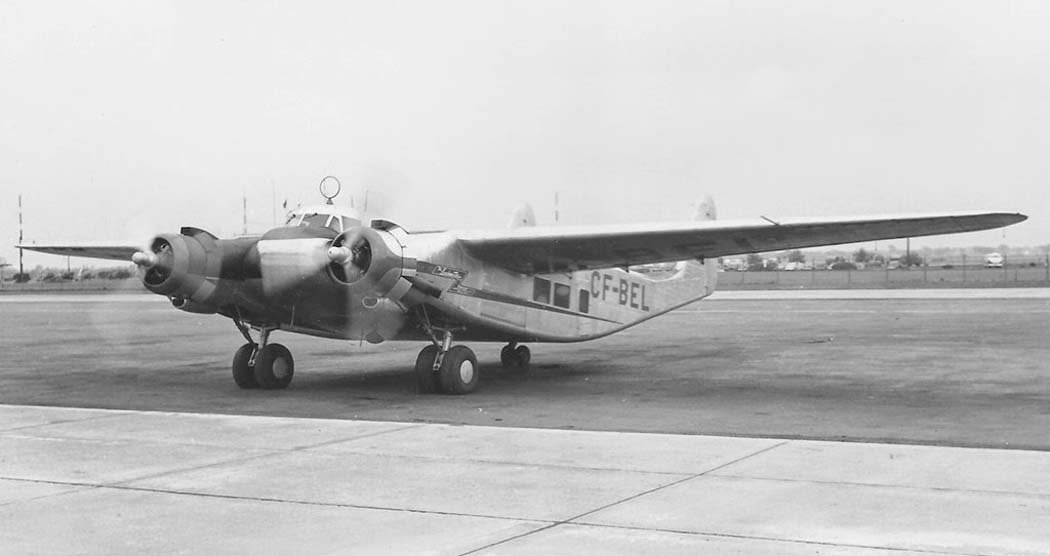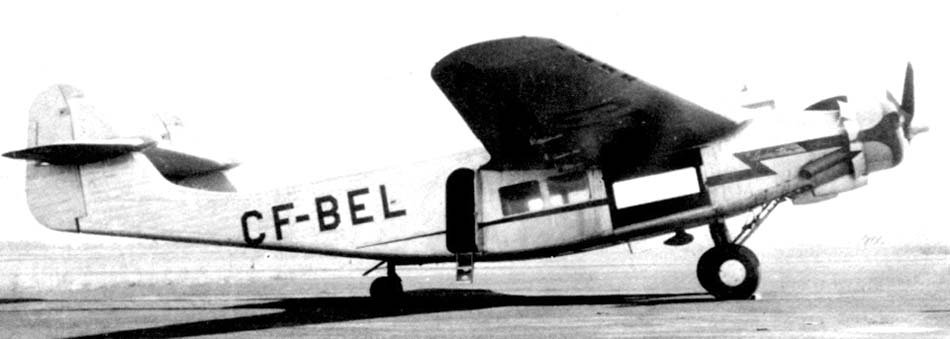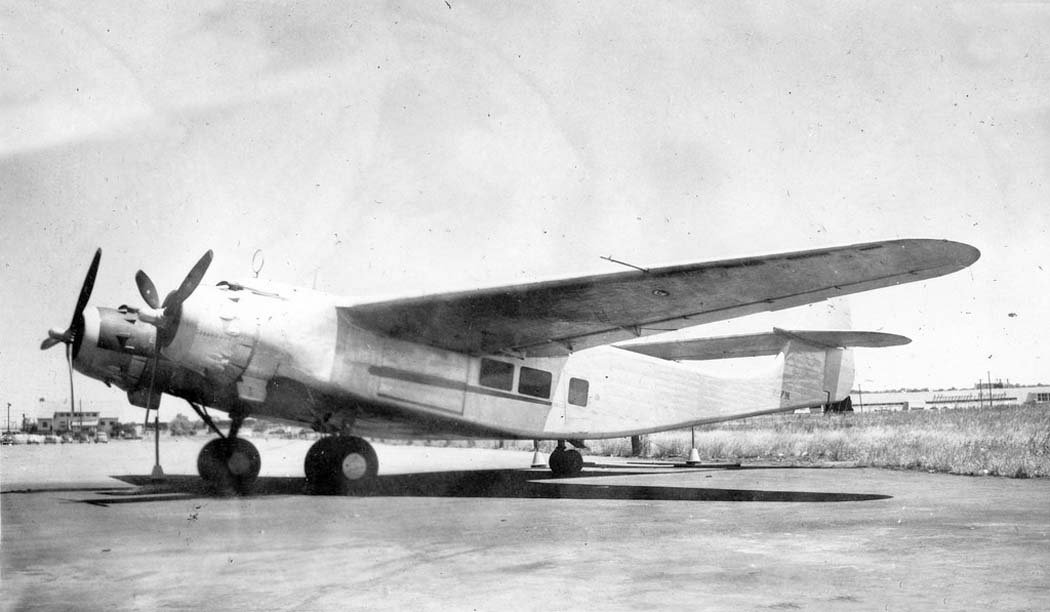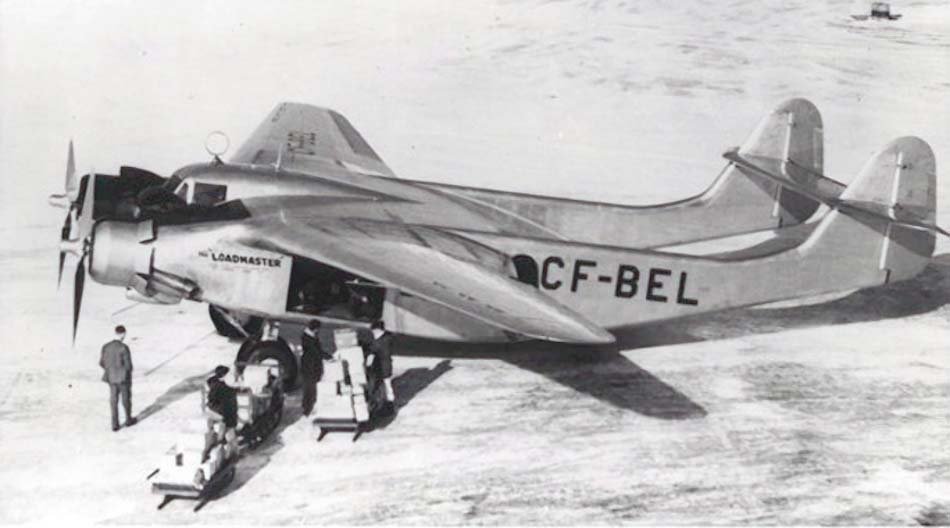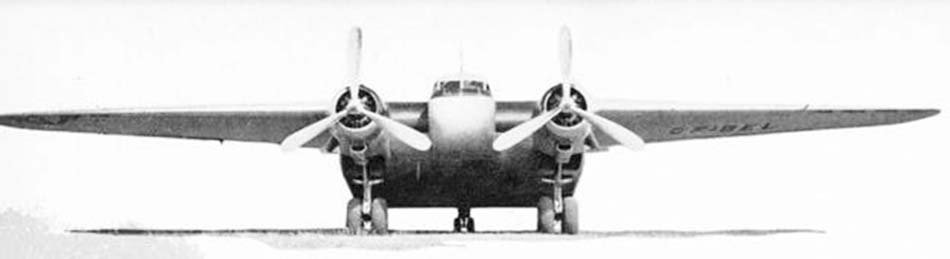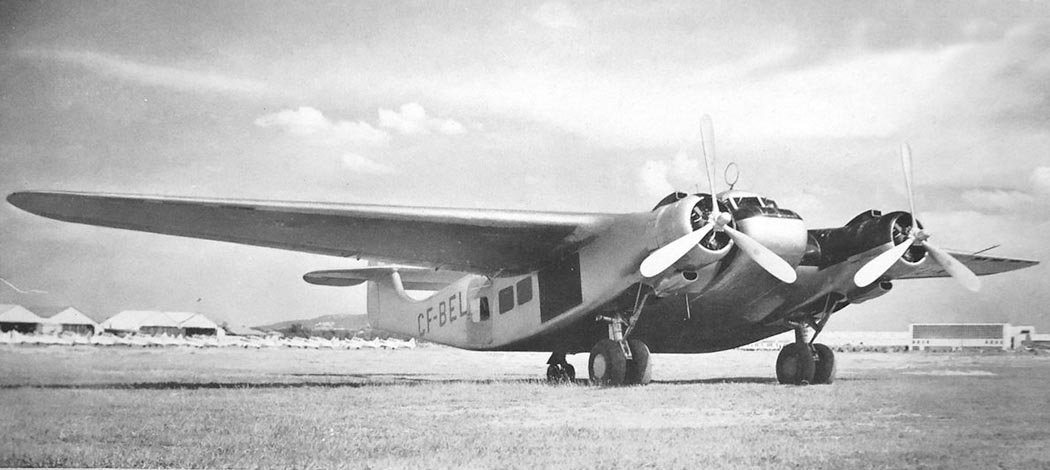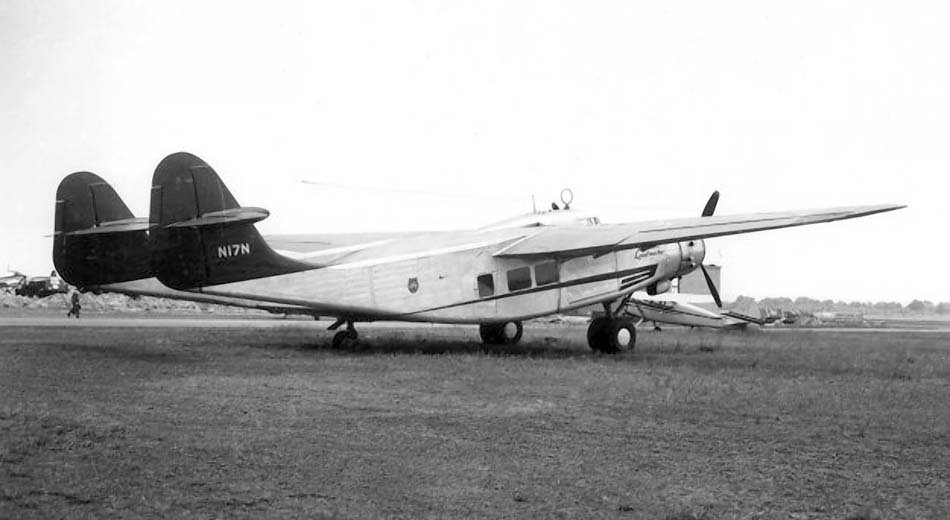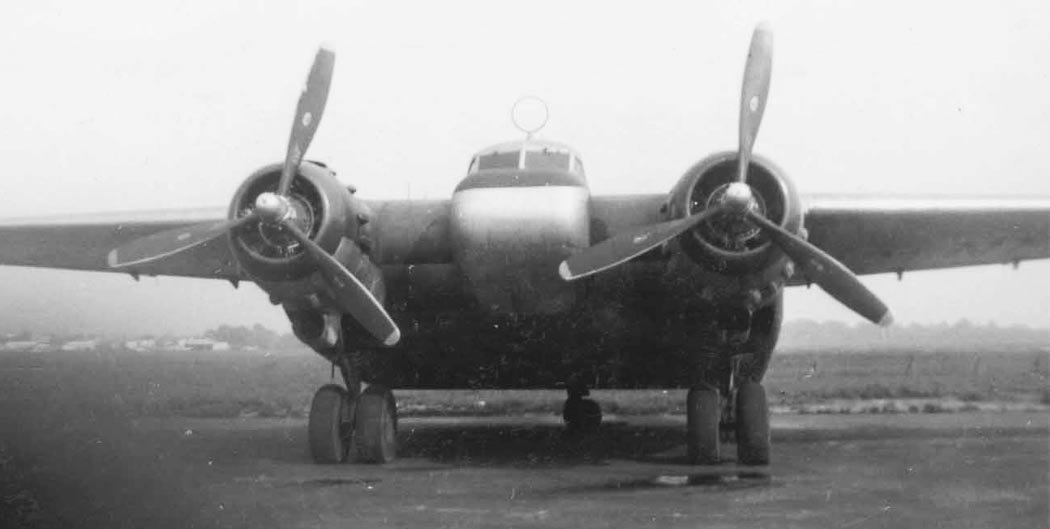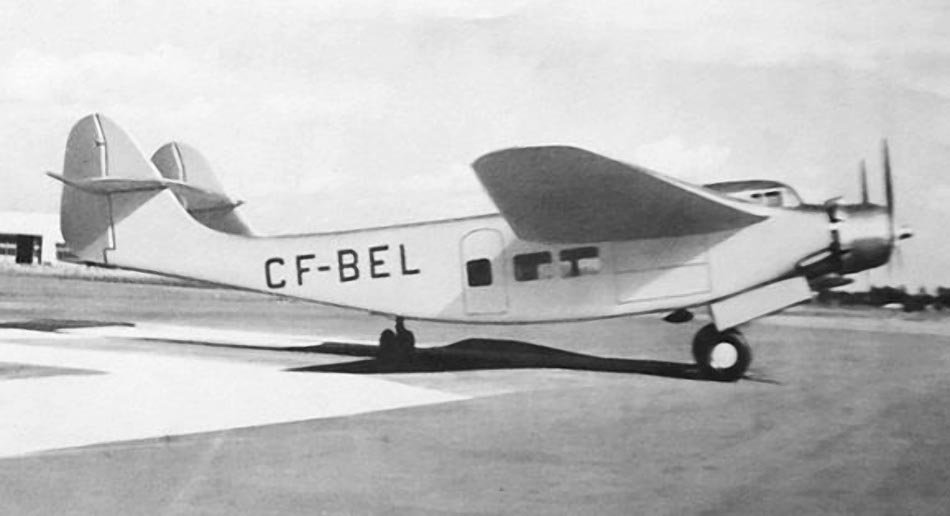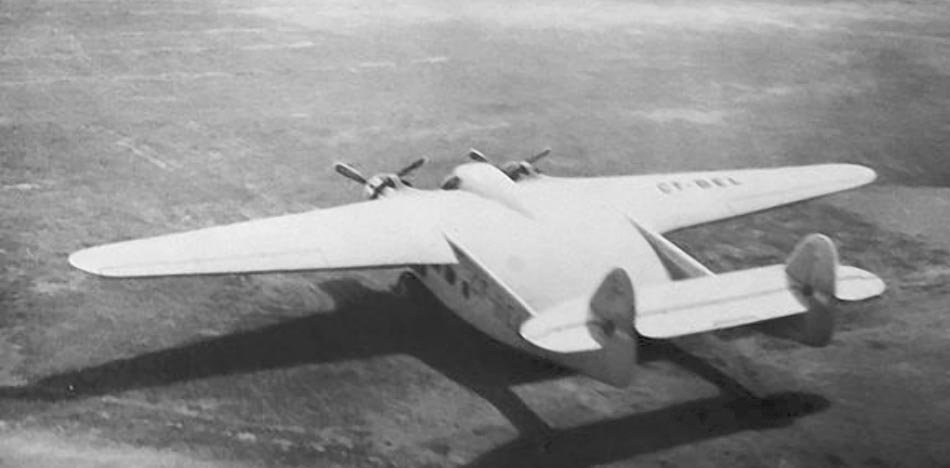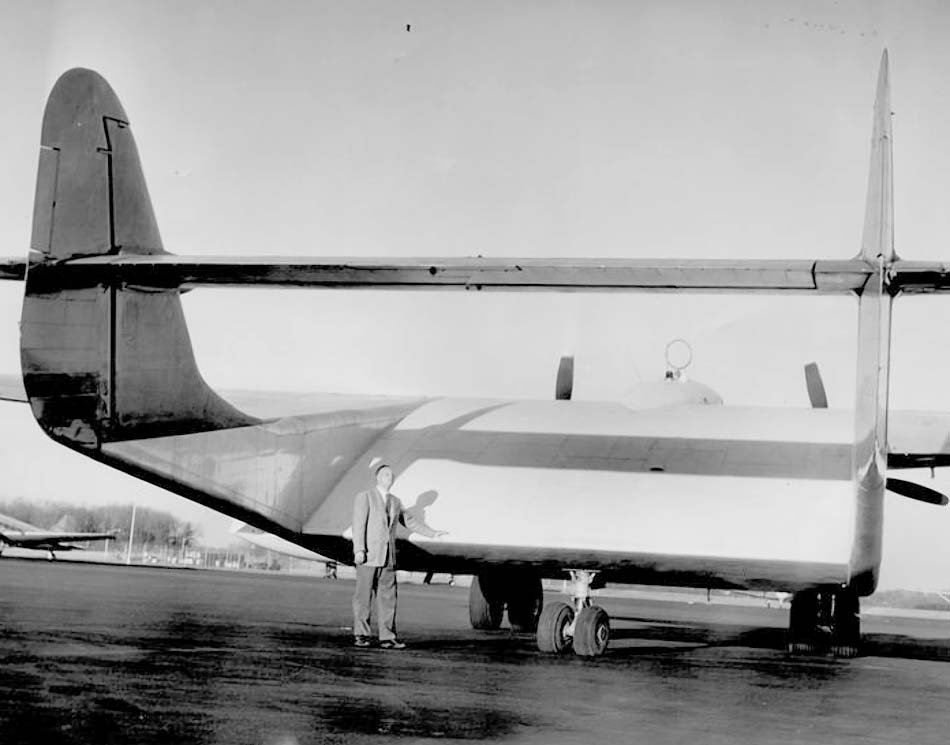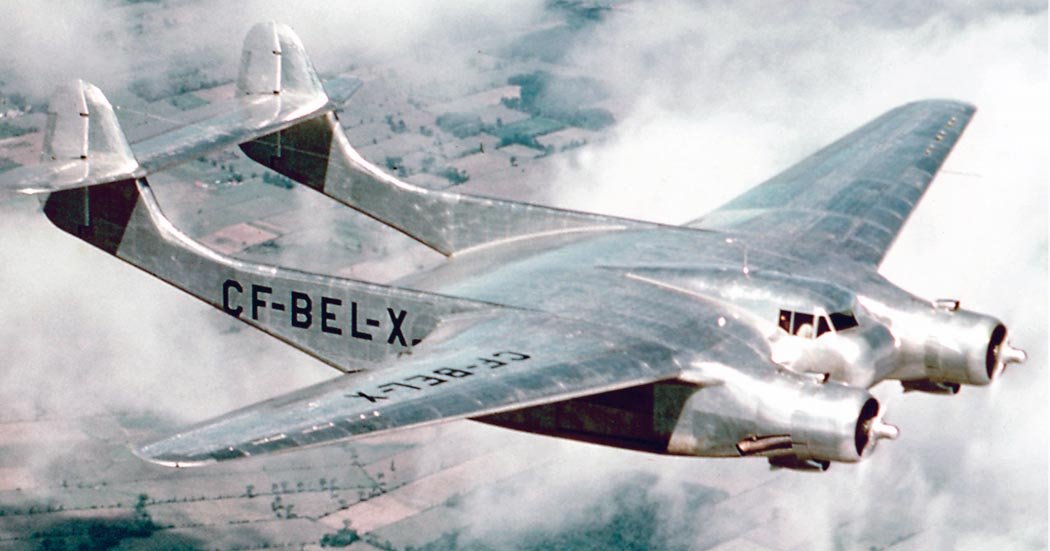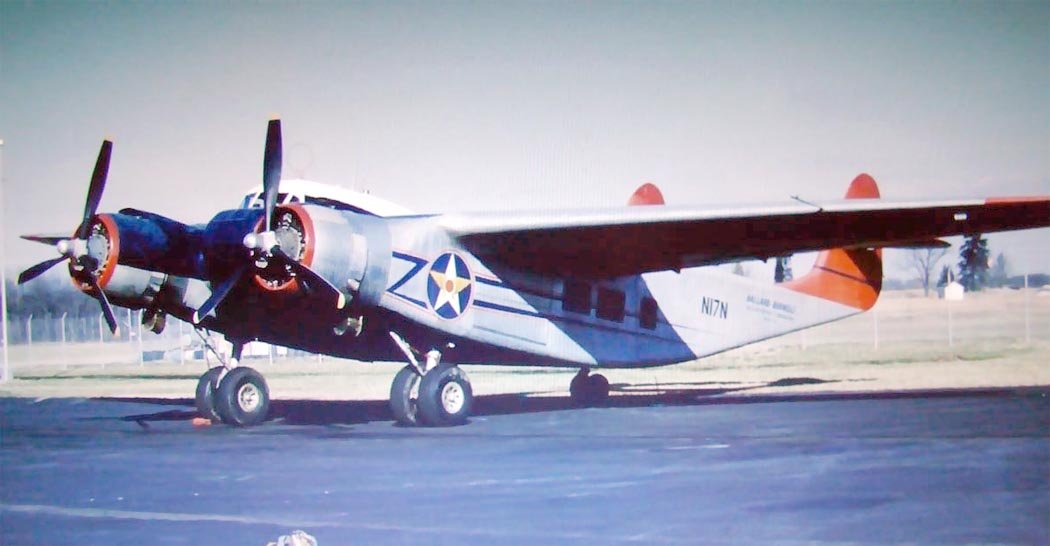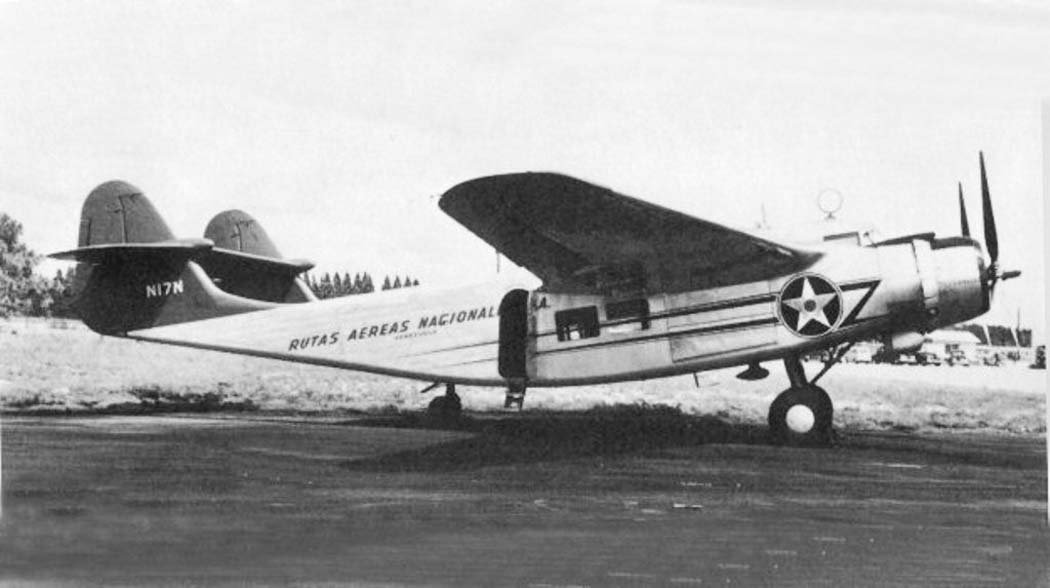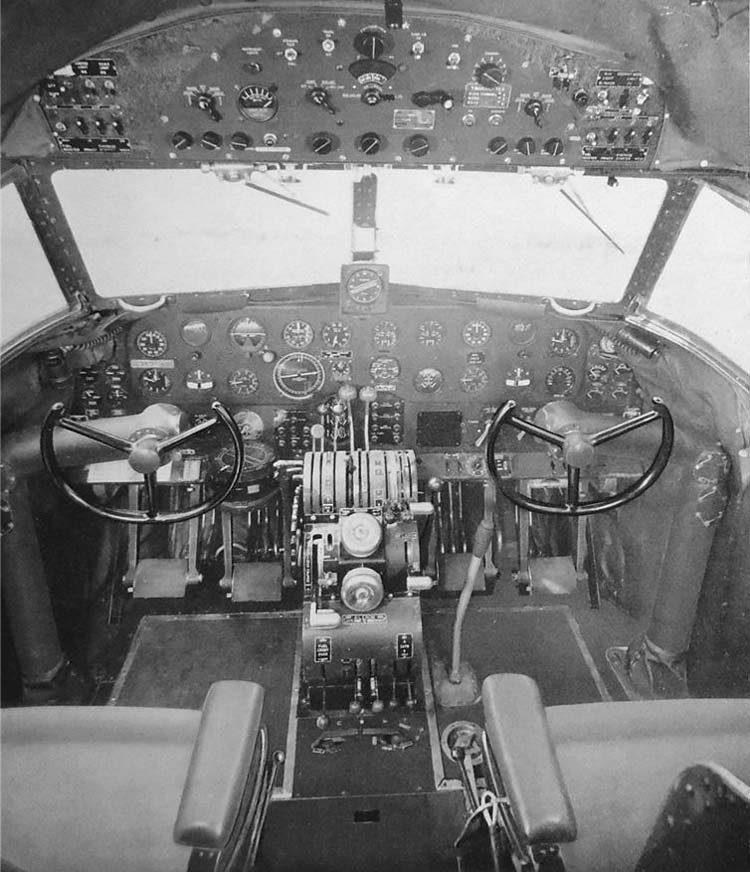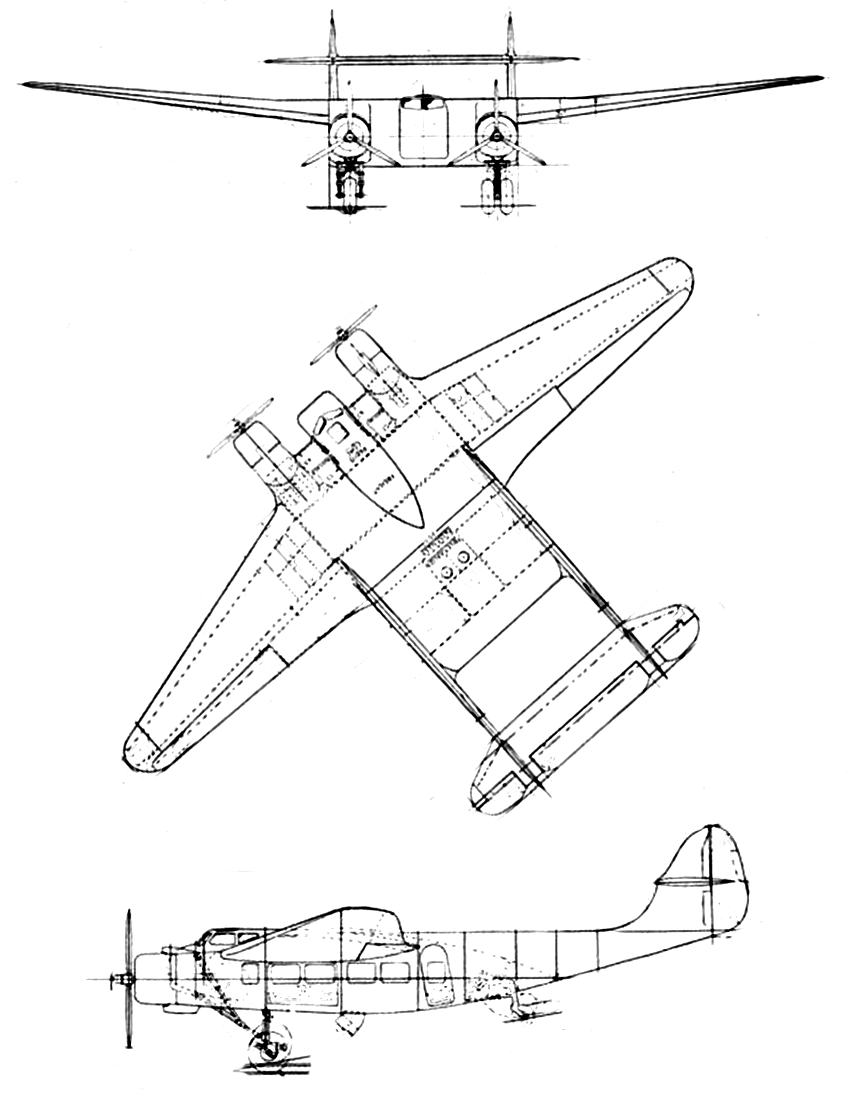
The CBY-3 Loadmaster passenger aircraft was developed by American aviation designer Vincent Justus Burnelli at the end of World War II. After the war concluded, Burnelli arranged for the construction of the CBY-3 at the Canadian firm Canadian Car & Foundry Co.
Origins and Design
This aircraft was a further development of the UB-14 model. Like its predecessor, it was a high-wing aircraft with a wide fuselage designed to generate lift. However, unlike the UB-14, the CBY-3 featured a cantilever wing instead of a strut-braced one.
The passenger cabin was notably large, measuring 7.9 x 6.1 meters. It was powered by two Pratt & Whitney R-1830 radial engines, each delivering 1200 hp. The passenger capacity was increased to 25 people.
Operational History and Legacy
Only one aircraft was built, which first took to the air in August 1945, piloted by Chalmers H. Goodlin. This prototype, along with the production rights, was purchased by Airlifts Inc. of Miami, Florida. However, the aircraft did not enter series production, and the prototype was resold to Venezuela.
Later, it returned to Burnelli Avionics and was re-equipped with Wright R-2600 engines. Finally, in 1964, the CBY-3 became an exhibit at the Connecticut state aviation museum. During its travels, the CBY-3 bore registration numbers CFBEL, N17N, WXERC, and again N17N.
Technical Specifications
| Modification | CBY-3 |
| Wingspan, m | 26.21 |
| Length, m | 17.37 |
| Maximum takeoff weight, kg | 12247 |
| Engine type | 2 Piston engine Pratt & Whitney R-1830 |
| Power, hp | 2 x 1200 |
| Crew, crew members | 2 |
| Payload | 25 passengers |
Image gallery of the CBY-3 Loadmaster