Chris Heintz, an excellent aeronautical engineer, graduated from the Swiss Federal Institute of Technology (E.T.H. Institute) in Zurich. After serving in the Air Force, Heintz worked at Aerospatiale on the ‘Concorde’ supersonic airliner project. He later became chief engineer at Avions Robin (France), where he designed various fully certified two-seat and four-seat all-metal production aircraft.
In his spare time, Heintz began to design and build his own aircraft, which he named Zenith, an anagram of his surname. Being an engineer rather than a craftsman, his homebuilt all-metal aircraft stood out for the simplicity of its design solutions. After just over a year of work, the two-seat, low-wing CH-200 Zenith was successfully test-flown in 1970 (some sources say 1969). Soon, detailed drawings and assembly manuals were compiled and offered for self-construction to a growing number of interested amateur builders and pilots.
From Europe to North American Entrepreneurship
In 1973, Chris Heintz, his family, and the Zenith moved to North America, where Heintz worked at De Havilland (in Toronto) as a stress engineer on the Dash 7 regional airliner project. In 1974, Chris Heintz decided to found his own company, Zenair Ltd, and began manufacturing Zenith kits himself in his two-car garage.
That same year, the company began serial production of self-assembly kits, which continued until 1976. However, even after the official cessation of CH-200 production, its blueprints continued to be sold until 1999. This allowed anyone interested to assemble a versatile aircraft independently, with relatively minimal cost and time. In total, about 350 assembly kits and over 100 sets of Zenith blueprints were sold.
Design and Performance of the CH-200
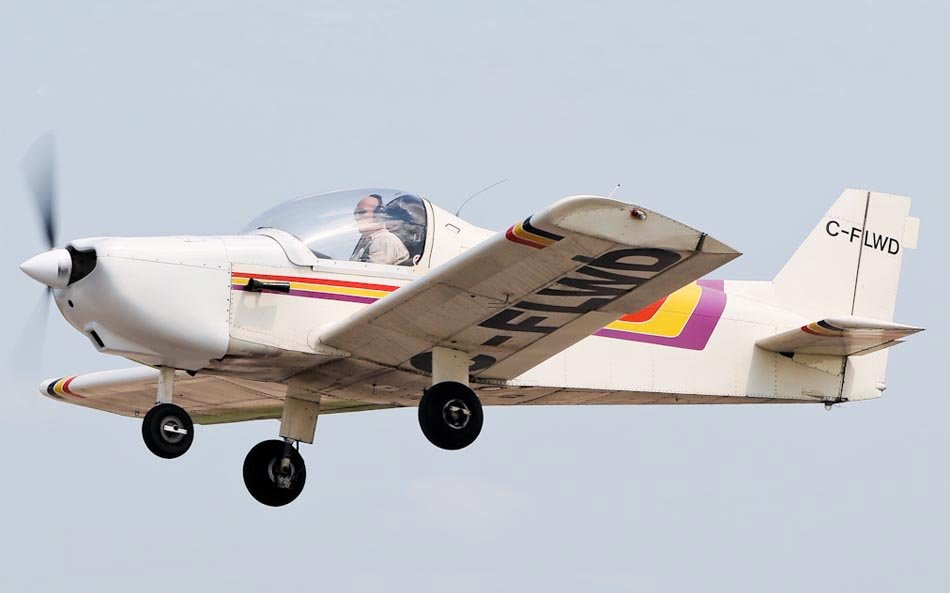
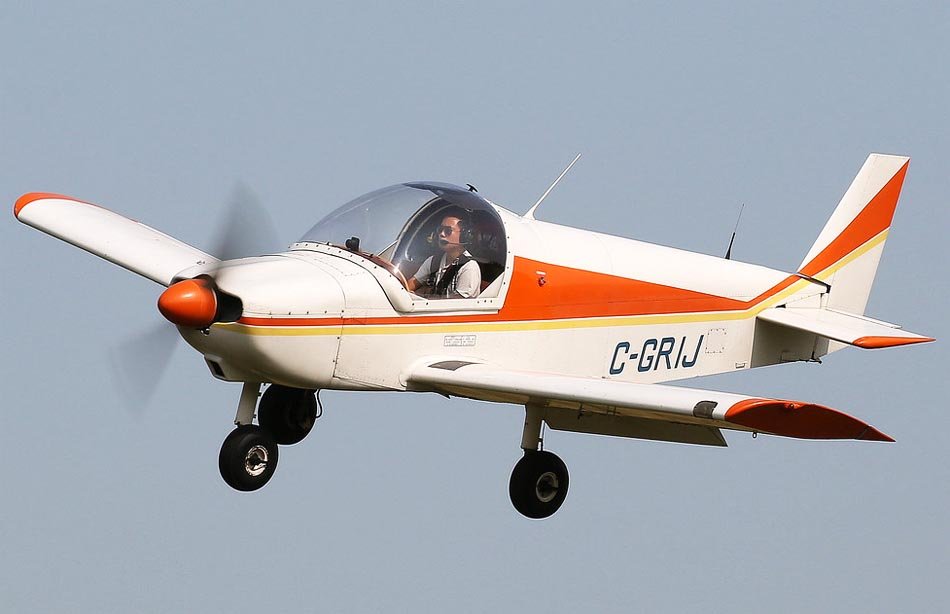
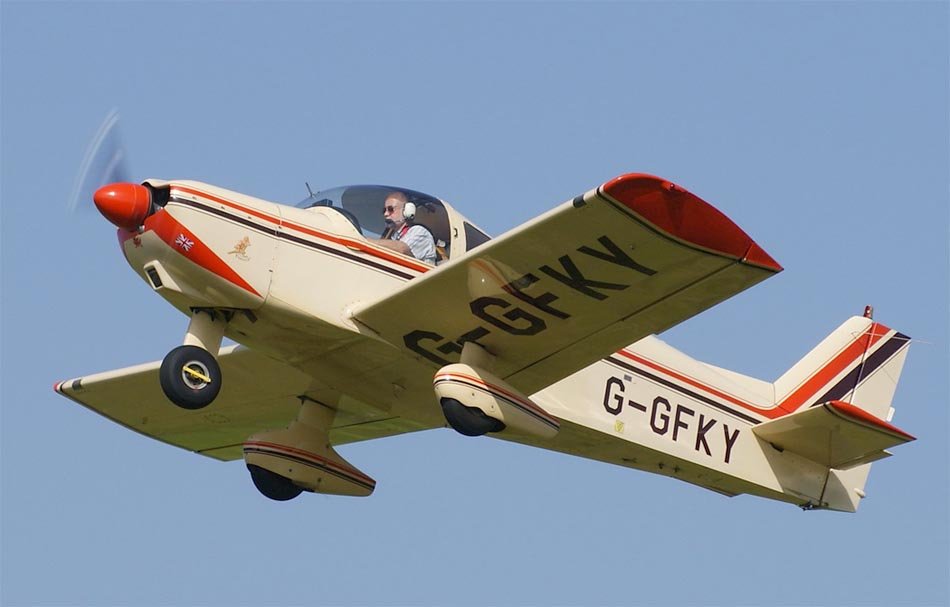
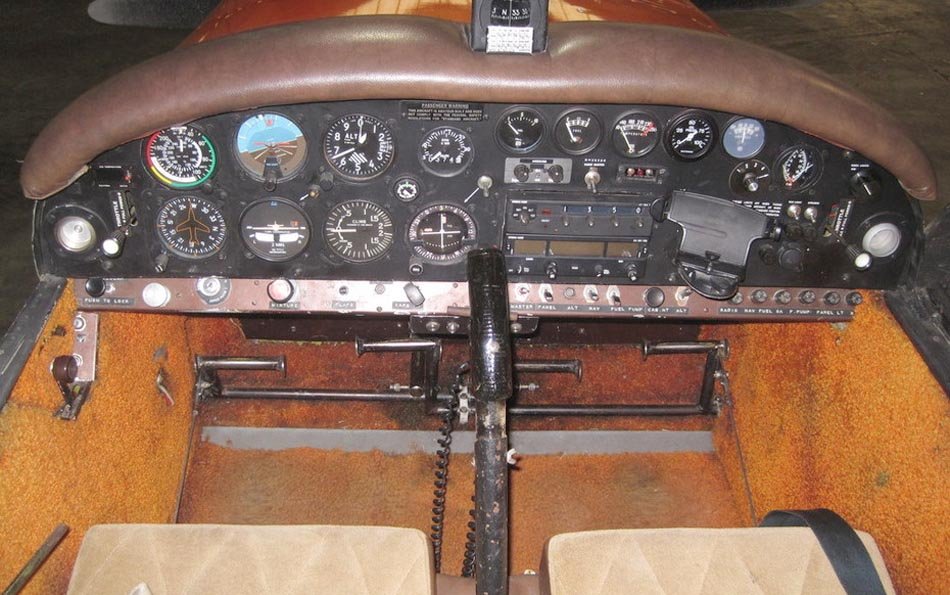
The CH-200 Zenith was a two-seat, cantilever low-wing monoplane, equipped with a 100 hp (75 kW) Continental O-200 four-cylinder engine. The aircraft could also be fitted with other piston engines ranging from 85 to 125 hp.
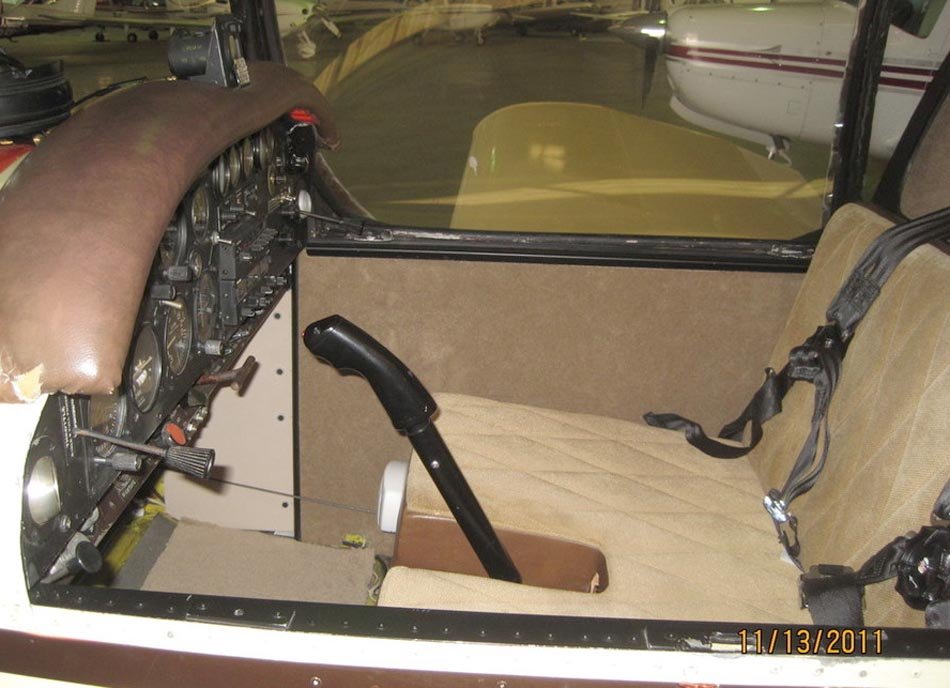
The CH-200 aircraft has sufficiently compact dimensions, allowing its use as a sport aircraft, although it is not officially classified as such. The cockpit can accommodate up to two people; however, due to limited internal space, carrying any cargo onboard is simply impossible. Furthermore, the aircraft can also be used for training future pilots, a role in which it has found active application.
Technical Specifications
| Modification | CH-200 |
| Wingspan, m | 7.00 |
| Length, m | 6.25 |
| Height, m | 2.11 |
| Wing area, m2 | 9.80 |
| Empty weight | 408 |
| Maximum takeoff weight | 658 |
| Fuel, l | 72.5 |
| Engine type | 1 Piston engine Continental O-200 |
| Power, hp | 1 x 100 |
| Maximum speed, km/h | 237 |
| Cruising speed, km/h | 210 |
| Practical range, km | 840 |
| Rate of climb, m/min | 246 |
| Practical ceiling, m | 4600 |
| Crew | 2 crew |
Image gallery of the CH-200 Zenith