Origins and Early Adaptations
While the SH-3A helicopters were recognized as the first fully capable anti-submarine helicopters, able to perform their tasks anywhere in the world and in any weather conditions, the U.S. Navy also needed a multi-purpose deck helicopter. This helicopter was intended for search and rescue missions, primarily for aircraft flying from aircraft carriers, transport operations for moving cargo and people from shore to ship and ship to ship, as well as communication, observation, and adjustment tasks.
For these purposes, Sikorsky designers developed the multi-purpose CH-3A modification based on the SH-3. Its cargo-passenger cabin, now free of specialized equipment, could accommodate up to 26 passengers, 15 wounded on stretchers, or up to 3.6 tons of cargo. This modification was known by the factory name S-61A.
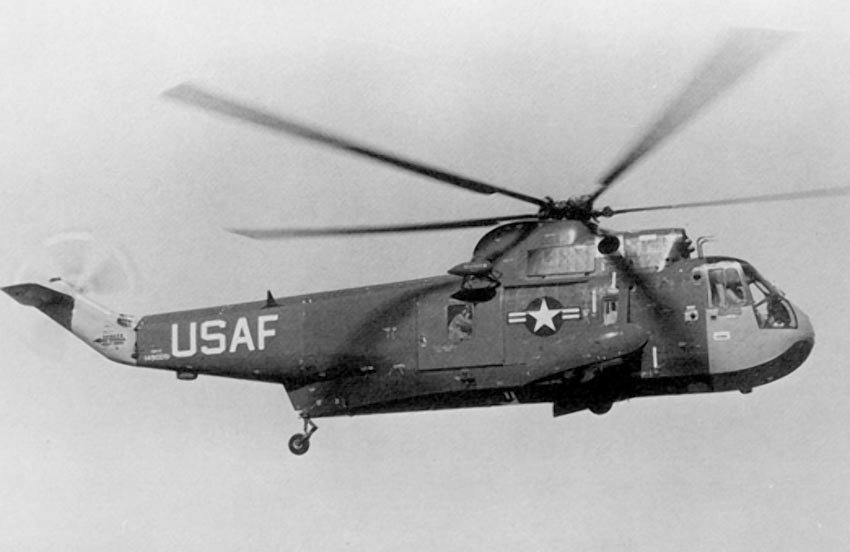
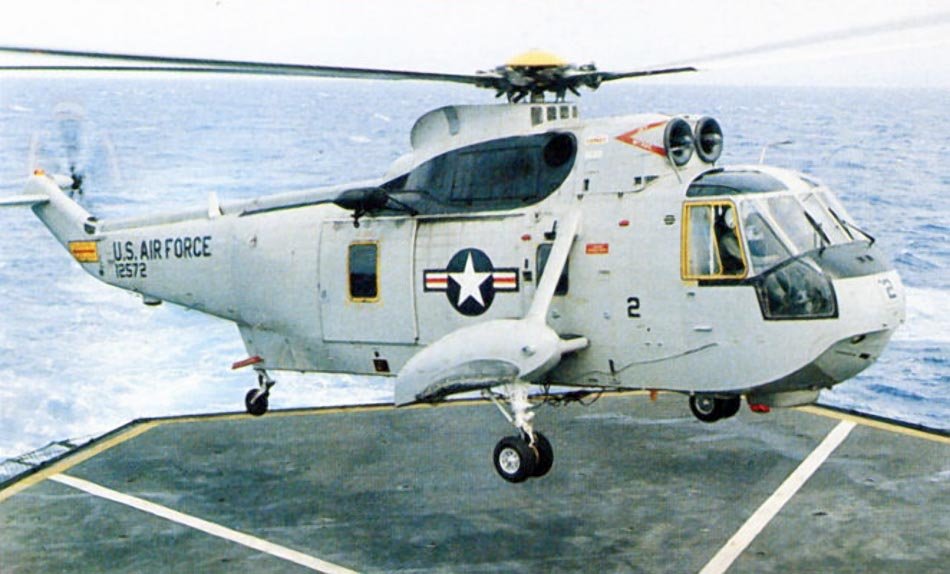
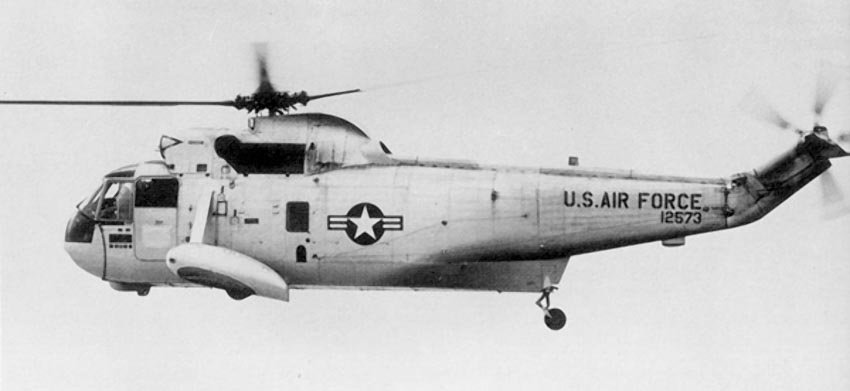
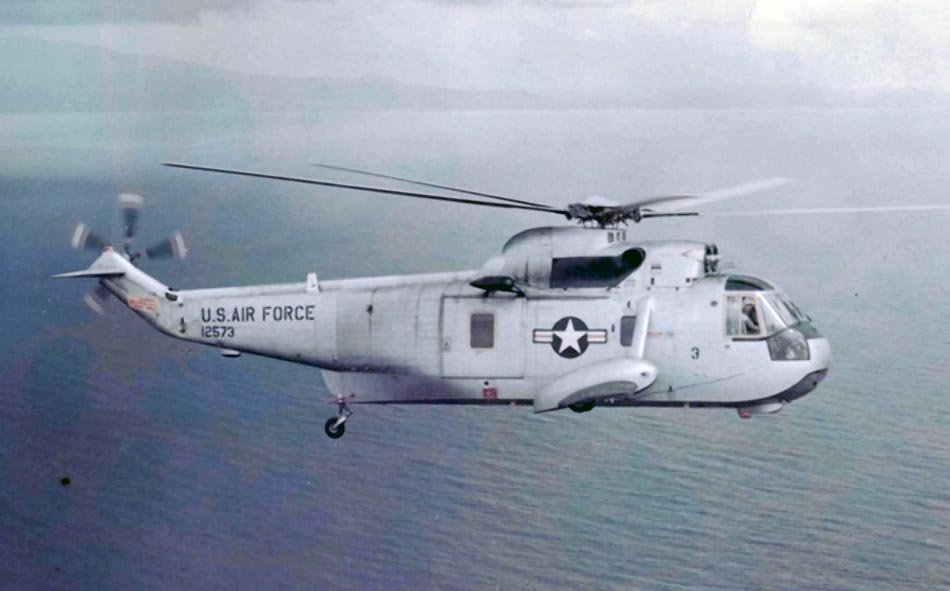
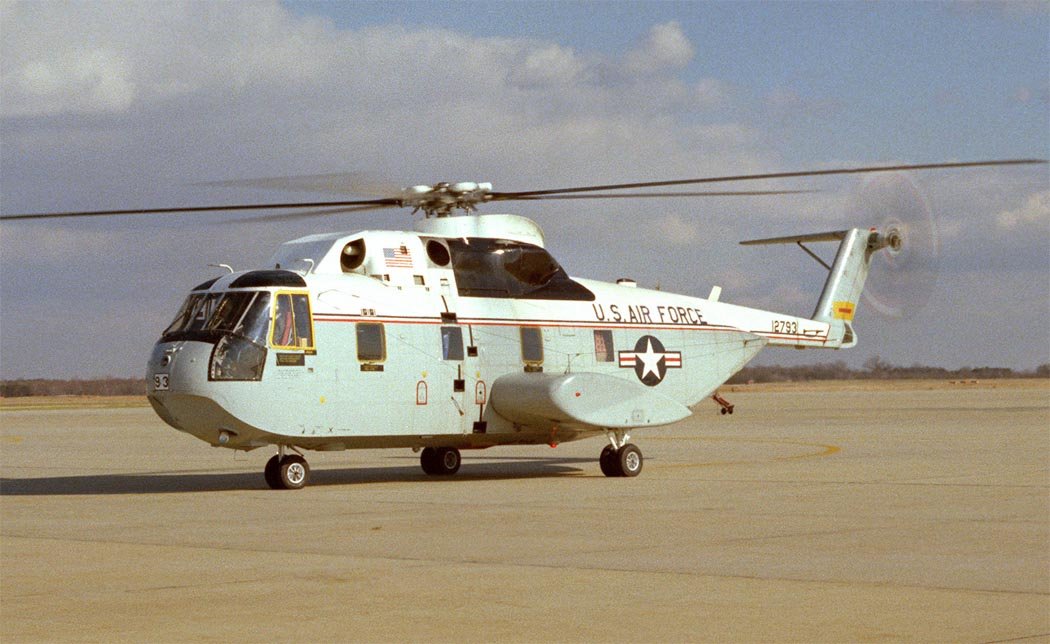
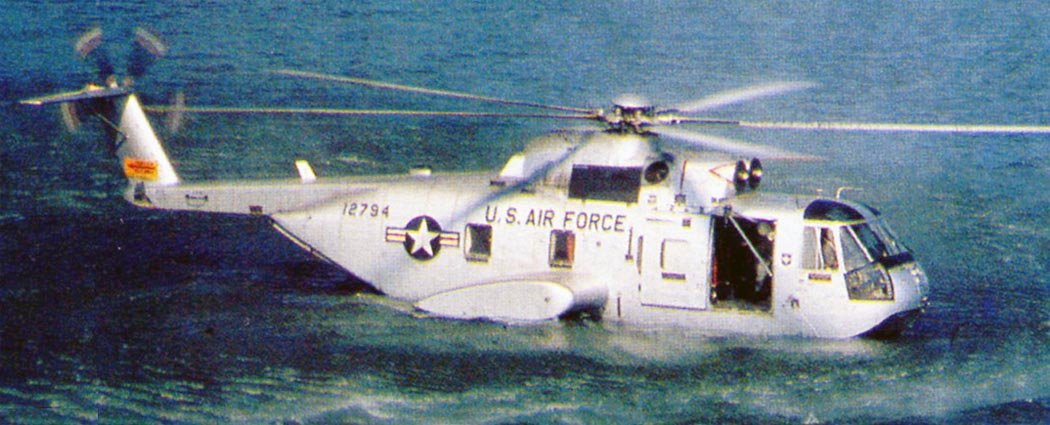
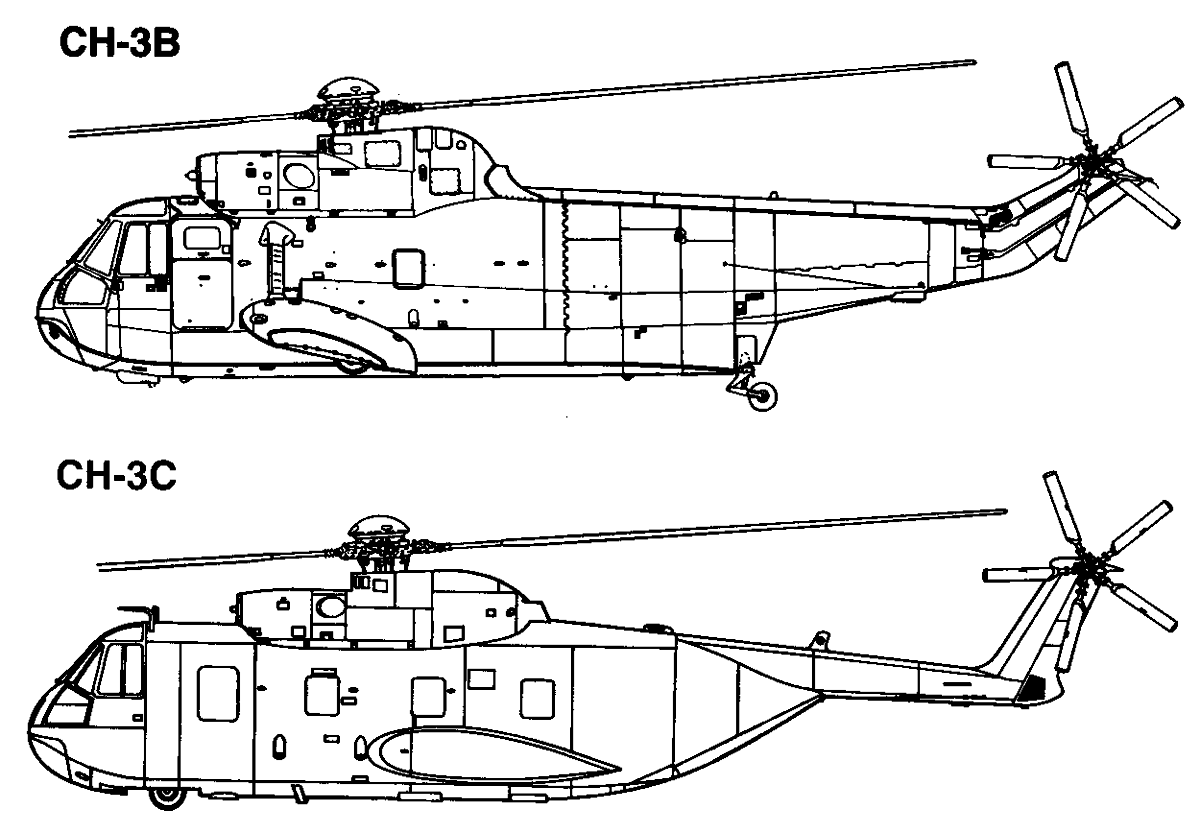
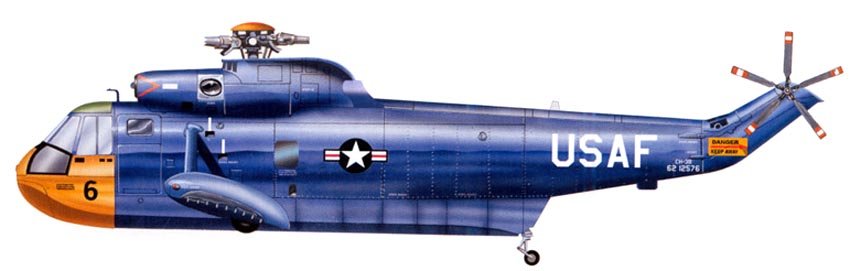
The “Sea Kings” were acquired not only by the U.S. Navy. The U.S. Air Force (USAF) purchased six CH-3B “Sea Kings” similar to the Navy’s CH-3A. Initially designed as an anti-submarine helicopter, the S-61 proved to be an excellent multi-purpose machine, much like many of its predecessors.
The CH-3C: A Dedicated Transport
On the S-61, Sikorsky and its employees implemented the concept of using a unified, well-tested dynamic system (main and tail rotors, power plant, control system, and transmission) with different fuselage types depending on the intended purpose. The Pentagon proposed that Sikorsky build an assault and transport helicopter for the U.S. Air Force, based on the anti-submarine “Sea King.”
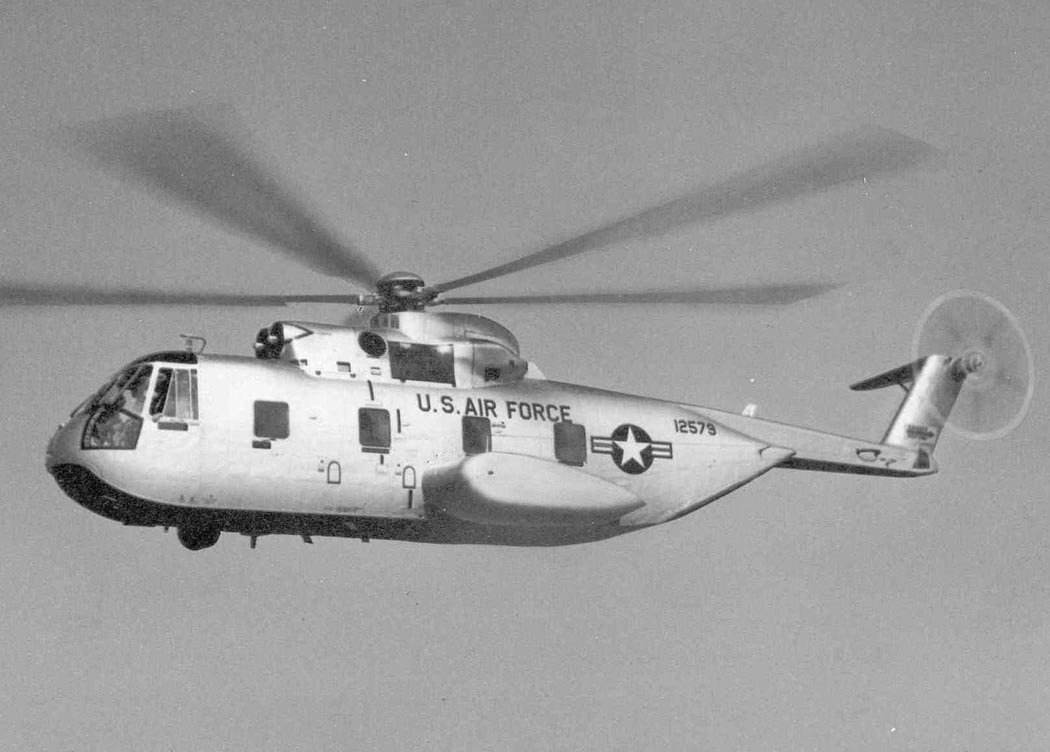
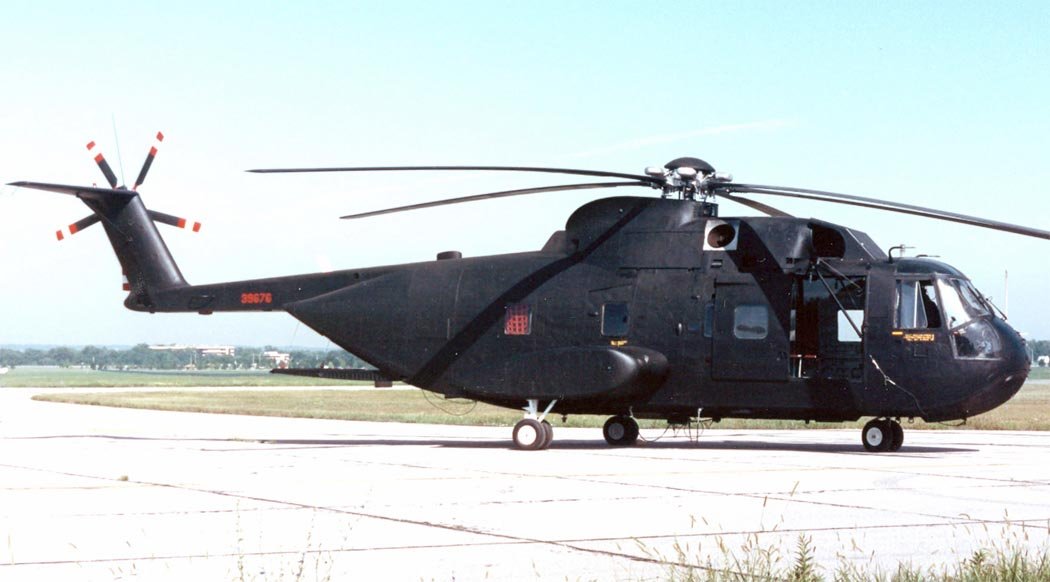
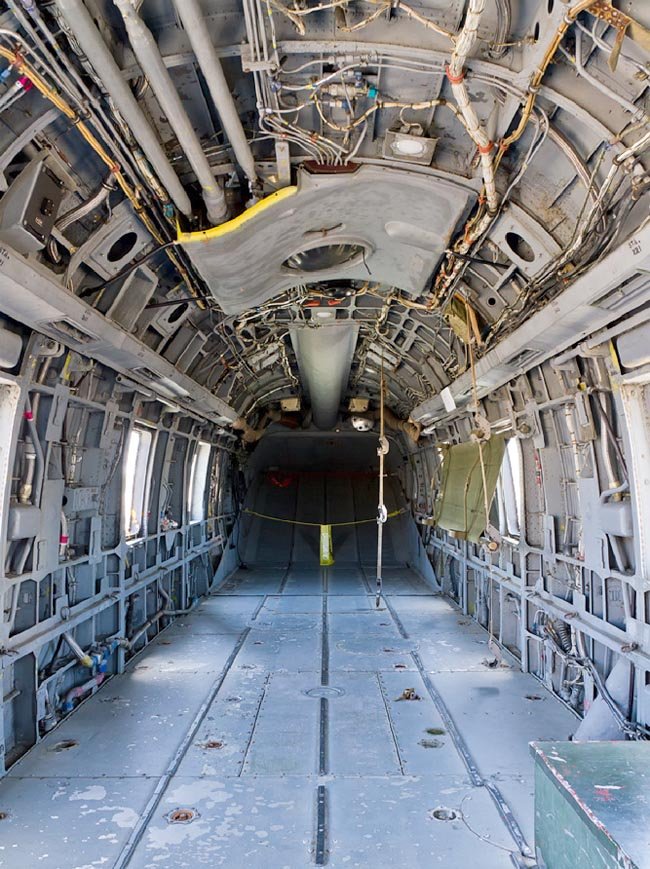
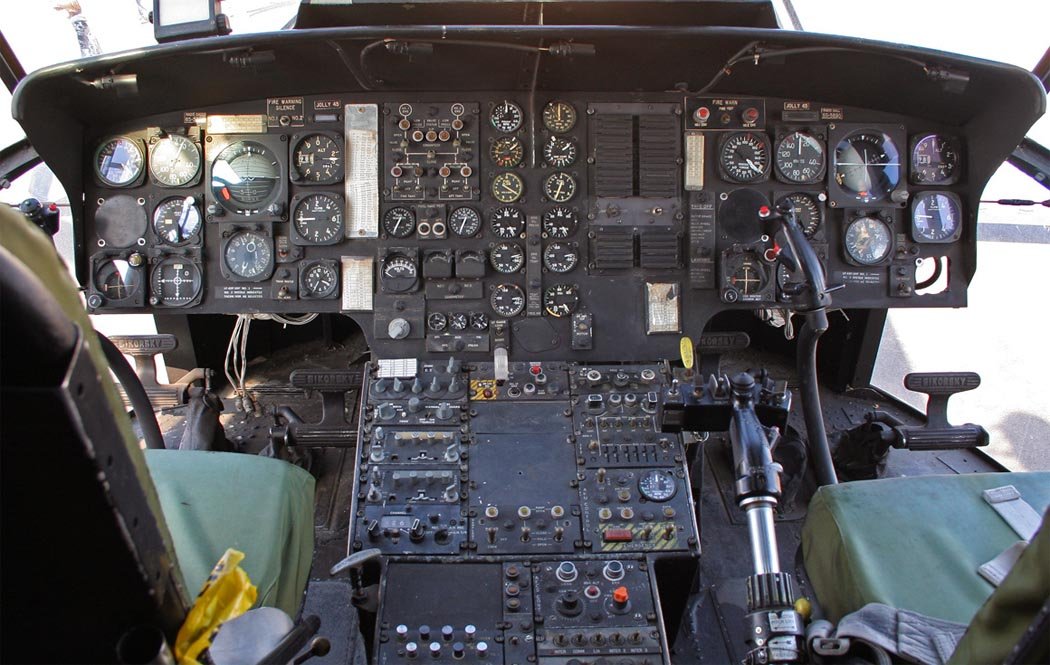
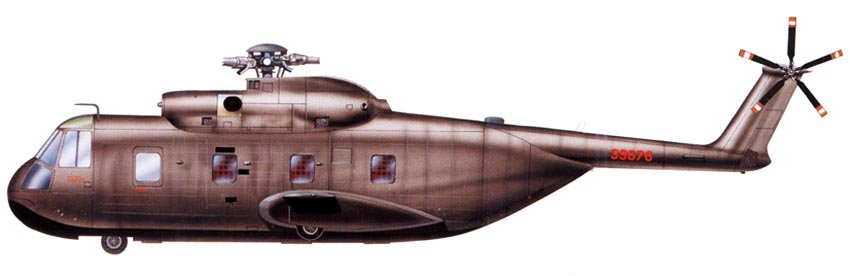
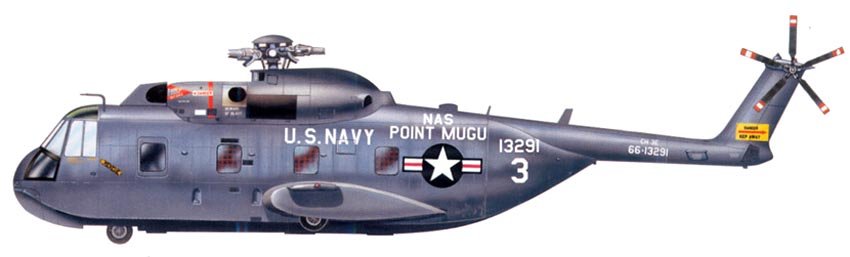
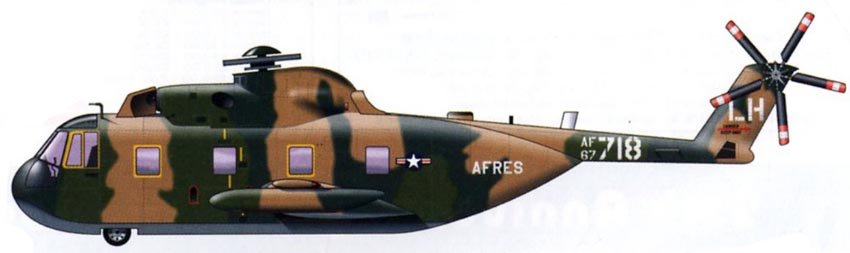
The designers retained the “Sea King’s” dynamic system but almost completely redesigned the fuselage, keeping only the pilot’s cockpit. The cargo cabin received a characteristic almost rectangular cross-section for transport aircraft, maintaining a constant width along its entire length. The cabin was 7.89 m long, 1.98 m wide, and 1.91 m high, with a volume of 36.95 cubic meters.
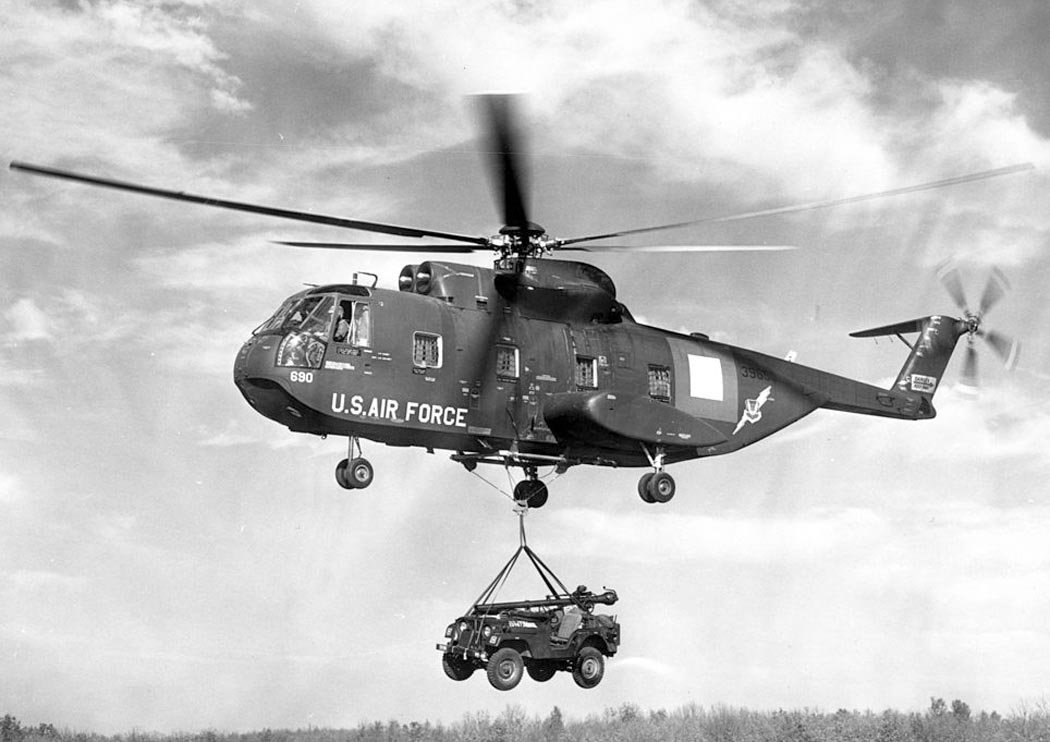
The cargo cabin ended with a folding cargo ramp, allowing wheeled vehicles to drive in. For loading and unloading, the cabin was equipped with a hydraulic winch. The helicopter could transport two Jeeps or up to 26 paratroopers. Large equipment weighing up to 3650 kg could be carried on an external sling. Two General Electric T58-1 engines, each with 1250 hp, were used as power plants.
The landing gear remained tricycle, but with a nose wheel. The main landing gear retracted into wing-like side pylons/sponsons, which also contained the fuel tanks. The U.S. Armed Forces assigned the designation CH-3C to the new helicopter, which the company called the S-61R. The CH-3C made its first flight on June 17, 1963.
The Air Force Command immediately placed an order for the first 20 production aircraft. In total, Sikorsky built 70 CH-3C helicopters. The production of these helicopters was negatively impacted by the completion of a long-standing dispute between the USAF and U.S. Army Aviation over spheres of responsibility. The USAF’s helicopter aviation was only allocated search and rescue operations, the insertion of special reconnaissance and sabotage groups, and transport services for USAF units.
Vietnam Enhancements and Innovations
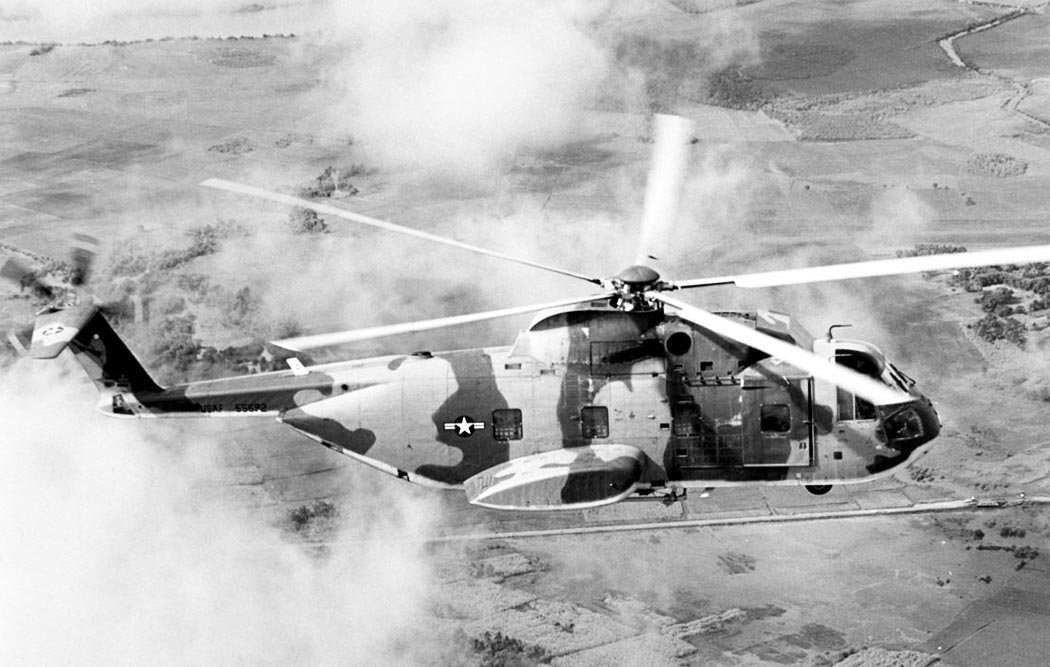
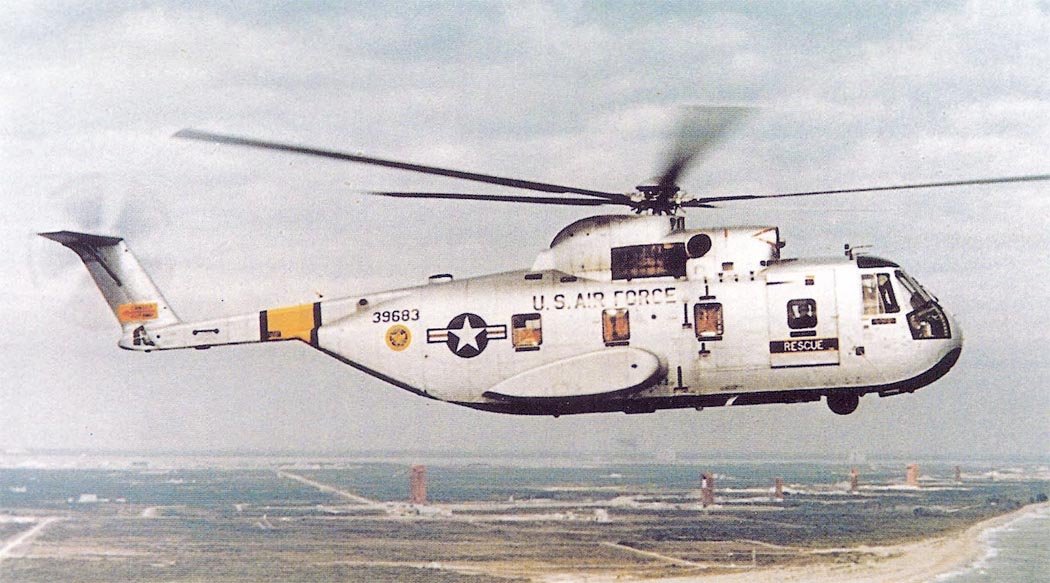
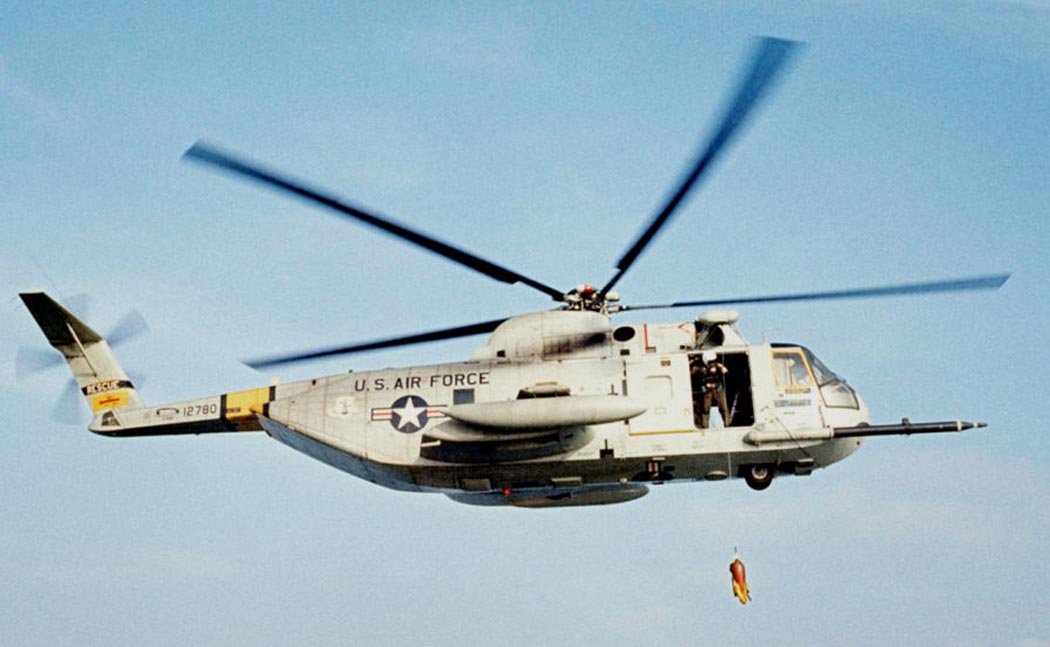
In 1965, based on the operational experience of the CH-3C in Vietnam, Sikorsky developed a conversion variant for these machines into search and rescue aircraft, designated HH-3C. These differed by armored protection for the engines, transmission elements, and crew positions, as well as increased fuel tank capacity. Additional external tanks were suspended from the side of each sponson. Machine guns were installed, one in each window on both sides and on the rear ramp. A total of 12 CH-3C were converted into HH-3C.
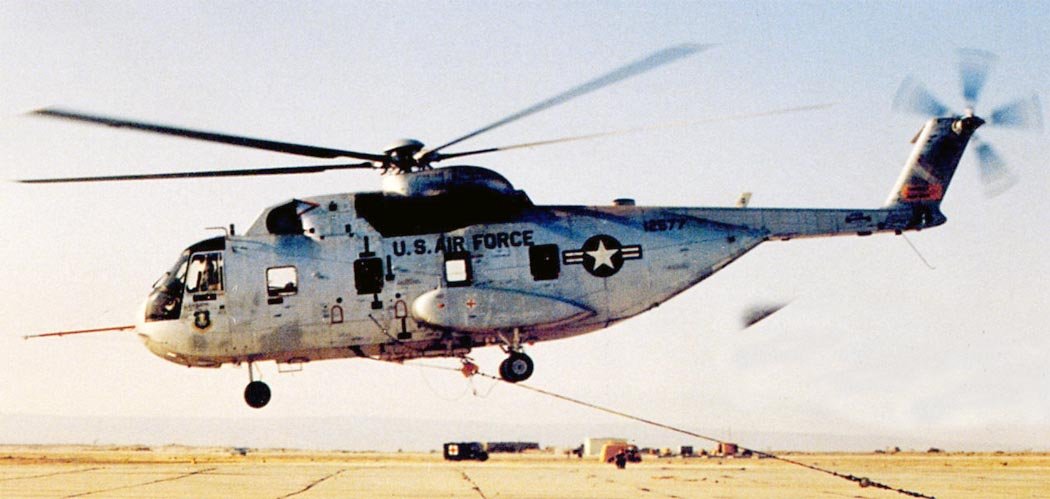
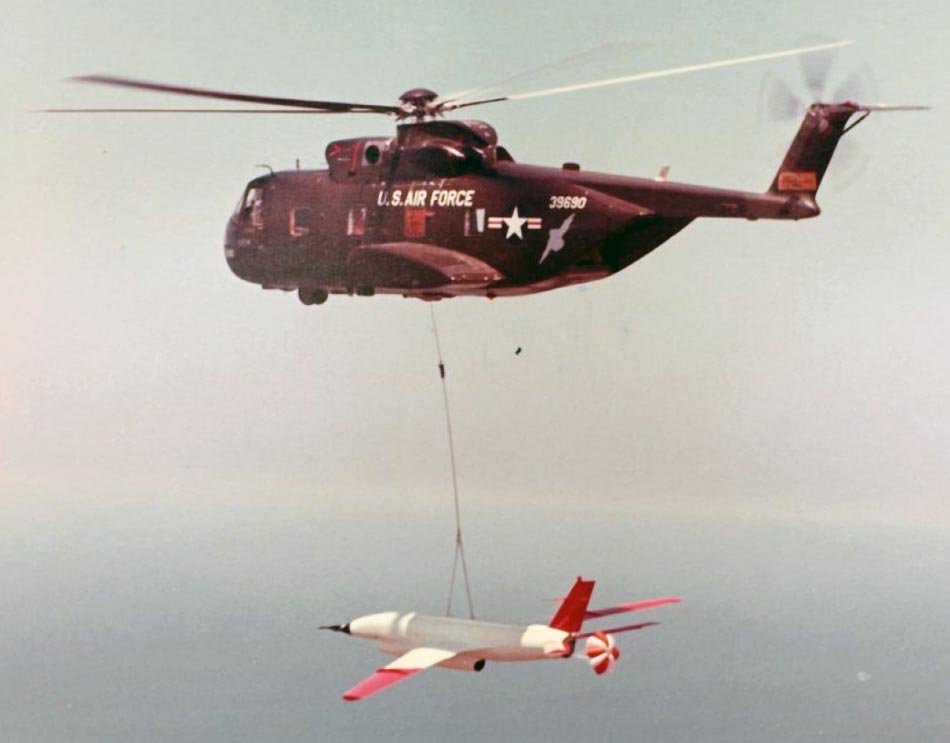
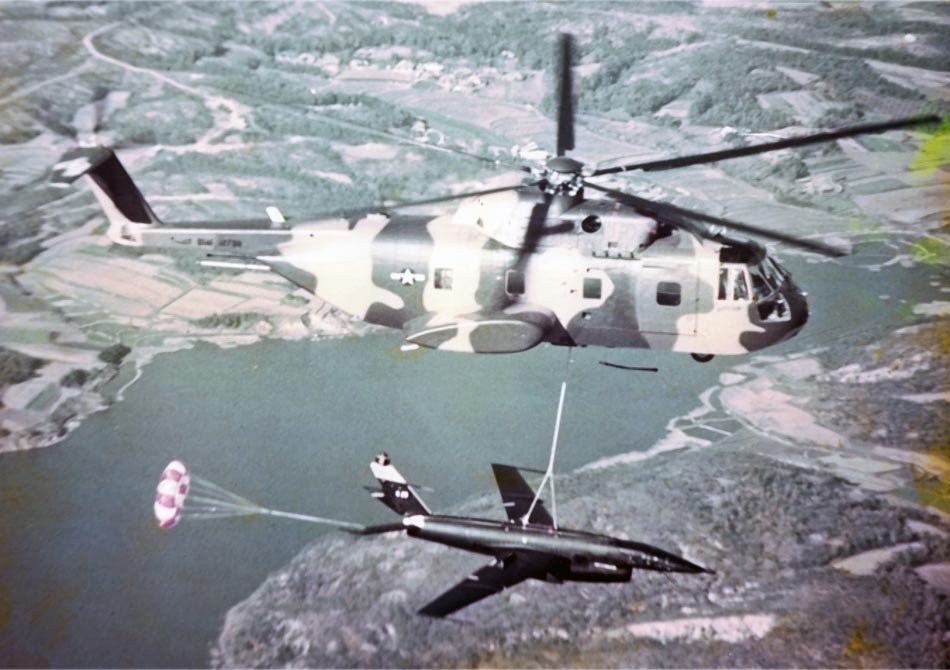
The MARS system was tested on the CH-3C. It consisted of two rod-horns with a cable between them and a hook-grab on the cable, which was intended to catch parachute lines directly in the air. Although the system was refined to a high degree of perfection, it was never used to rescue people. However, MARS was very effectively used over Vietnam for air-recovering unmanned reconnaissance aircraft.
The CH-3C and HH-3C helicopters served as prototypes for the creation, in 1966, of two new, more advanced modifications: the CH-3E and HH-3E. These primarily featured more powerful General Electric T-58-5 engines, each with 1500 hp. From 1966, the CH-3E transport helicopters began to be used in Vietnam for supplying airfields and bases. In total, Sikorsky built and re-equipped four dozen CH-3E aircraft from CH-3C models.
Technical Specifications
| Modification | CH-3E |
| Main rotor diameter, m | 18.90 |
| Tail rotor diameter, m | 3.23 |
| Length, m | 16.69 |
| Height, m | 5.13 |
| Empty weight | 5600 kg |
| Normal takeoff weight | 9200 kg |
| Maximum takeoff weight | 10010 kg |
| Internal fuel, l | 3180 |
| Engine type | 2 General Electric T58-GE-5 turboshaft engines |
| Power, kW | 2 x 1119 |
| Maximum speed, km/h | 284 |
| Cruising speed, km/h | 248 |
| Practical range, km | 1254 |
| Practical ceiling, m | 6400 |
| Static ceiling, m | 3700 |
| Crew | 3 |
| Payload | 2270 kg of cargo in the cabin or 3650 kg of cargo on external sling |
| Armament | Possible installation of two 12.7-mm machine guns |
Image gallery of the Sikorsky CH-3