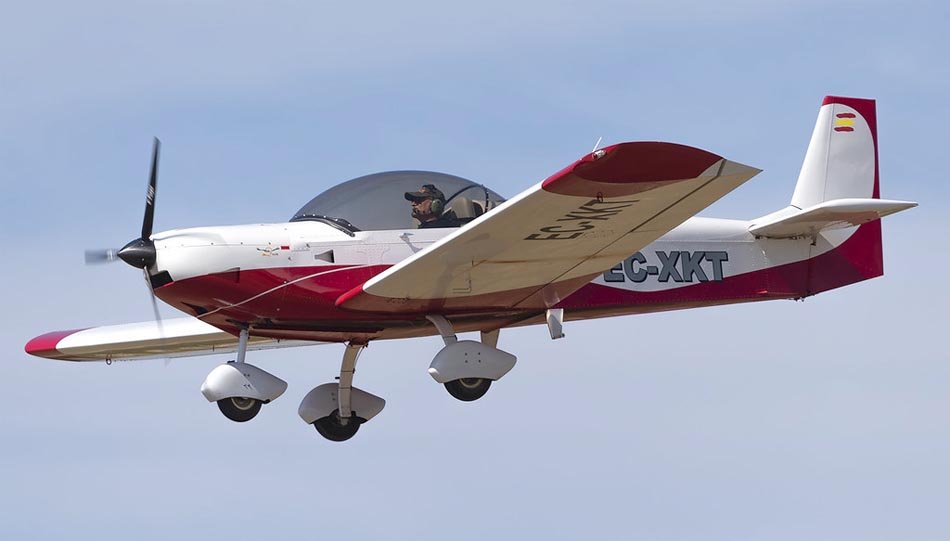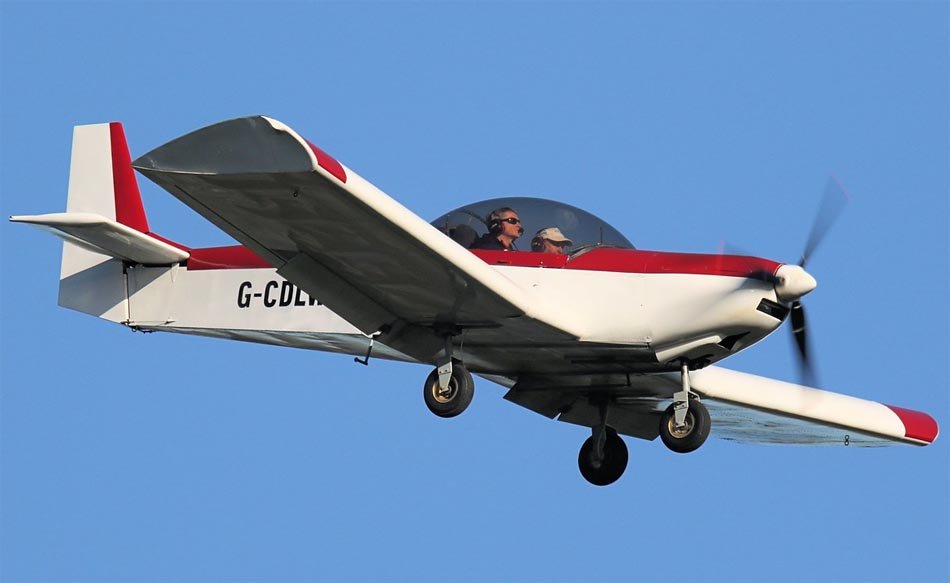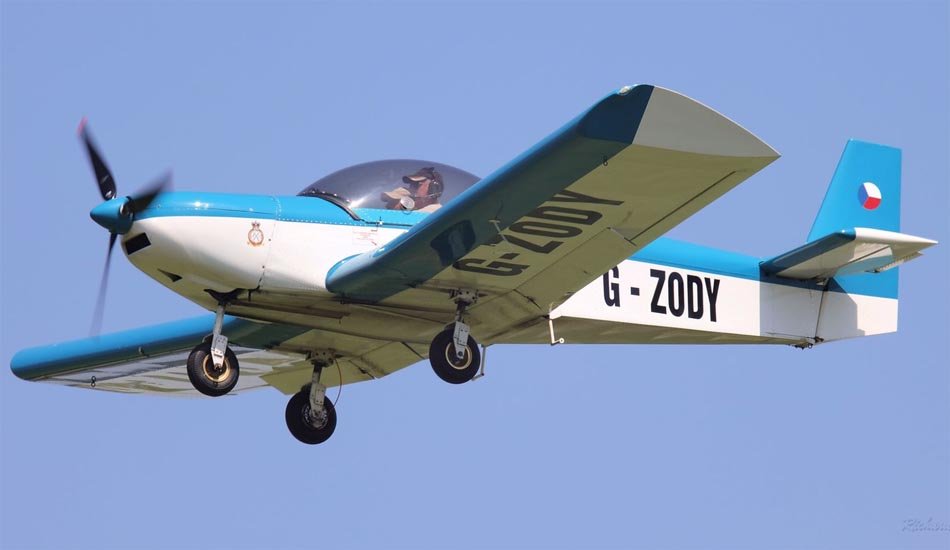
The CH-601 Zodiac aircraft was developed by Zenair Ltd, located in Ontario. It is an affordable aircraft designed for rural flying. The Zodiac is a complete all-metal kit that owners can assemble themselves.
This new aircraft was developed with increased size and weight to surpass the “advanced ultralight” class. The Zodiac targets customers who fall into a new classification created by the Federal Aviation Administration (FAA) – sport pilot. This license is intended for individuals seeking an aircraft for leisure and sport.
Enhanced Design and Performance
New modifications include an updated wing and fuselage, along with an increased payload capacity. These enhancements allow for greater speed despite the heavier load, made possible by an increased wing area and a new aerodynamic surface. New flaps are utilized to lower stall speed, providing assistance to pilots.
With its increased payload, the Zodiac features a larger fuel tank capacity of 24 gallons, providing greater flight range and making the aircraft more versatile. The baggage compartment volume has expanded to 42 cubic feet, which is substantial for this type of aircraft. The height of the canopy and rudder pedals can be adjusted.
The Zodiac is capable of short-field takeoffs. Its wings are easily removable for convenient storage and transport. There is a choice of four engines, all of which were used in the prototype.
Diverse Engine Options
Engine options include the four-cylinder 100-horsepower Rotax 912S, the 116-horsepower Lycoming O-235, and the 105 hp Jabiru 3300. Lycoming engines are widely used in over 85% of new aircraft; their Zodiac-specific engines are air-cooled and operate for 2400 hours without overhaul.
The Lycoming is a four-cylinder piston engine. The Australian company Jabiru Aircraft Pty. Ltd manufactures the Jabiru engine, which features a mechanical fuel pump and an electric starter. The Rotax is a 4-cylinder, 4-stroke engine with 100 hp.
Comfortable and Functional Cockpit
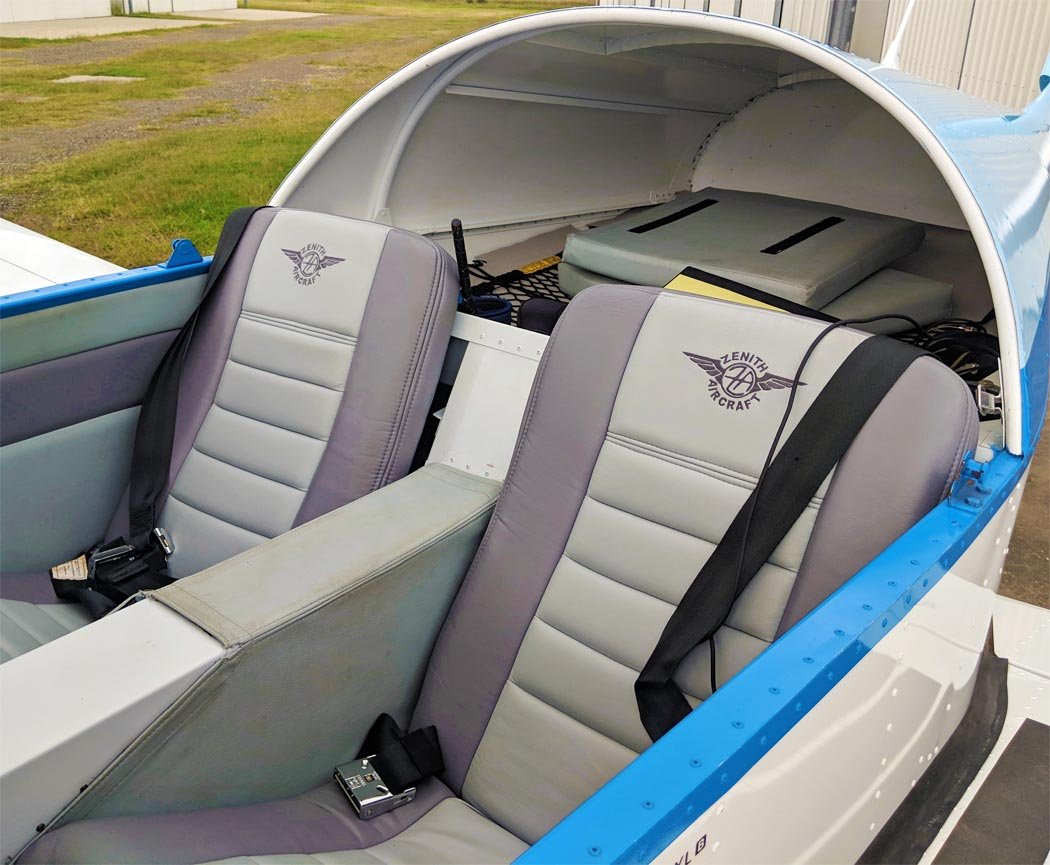
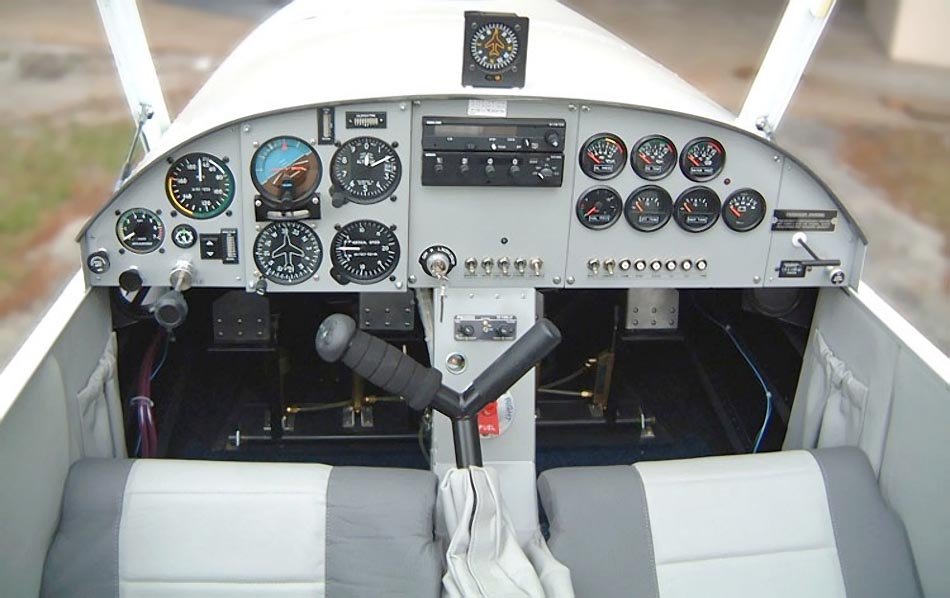
The aircraft’s cabin is 44 inches wide and features two side-by-side seats, easily accommodating two large individuals. It boasts duplicated control and instrument panels, ensuring free access from both seats. The control stick is centrally located and can be operated from either side.
The canopy, constructed from plexiglass, offers excellent 360-degree visibility. The cabin houses a large instrument panel, which displays all necessary flight and engine operation information, in addition to specially designed instruments. Entry to the cabin is 20 inches wide from the wing side on both sides. A 40-pound baggage compartment is situated behind the pilot seats.
The primary instruments provided in the aircraft include a speedometer, magnetic compass, altimeter, tachometer, fuel temperature, fuel pressure, coolant temperature, and voltmeter. The prototype aircraft, the CH-600, first took to the air in 1984. Serial production of Zodiac aircraft began in 1991. A complete kit for the CH-601XL modification cost approximately 15,890 US dollars in 2011.
Technical Specifications
| Modification | Zodiac CH 601 XL |
| Wingspan, m | 8,23 |
| Length, m | 6,10 |
| Height, m | 2,14 |
| Wing area, m2 | 12,26 |
| Empty weight | 363 |
| Maximum takeoff weight | 590 |
| Fuel, l | 227 |
| Engine type | 1 x Rotax 912S |
| Power, hp | 1 x 100 |
| Maximum speed, km/h | 238 |
| Cruising speed, km/h | 222 |
| Practical range, km | 925 |
| Maximum rate of climb, m/min | 283 |
| Crew | 1 |
Image gallery of the CH-601 Zodiac