Origin and Development
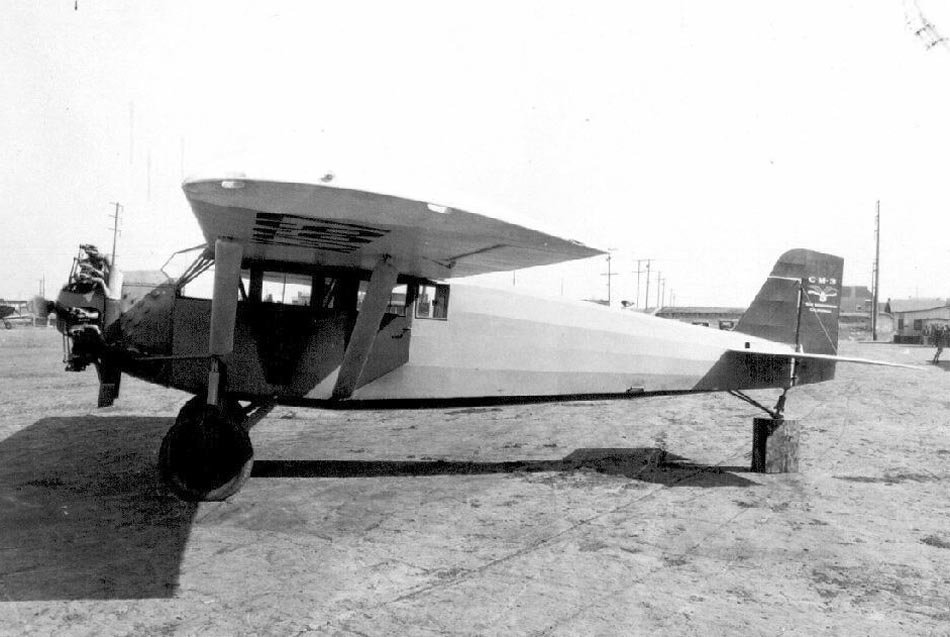
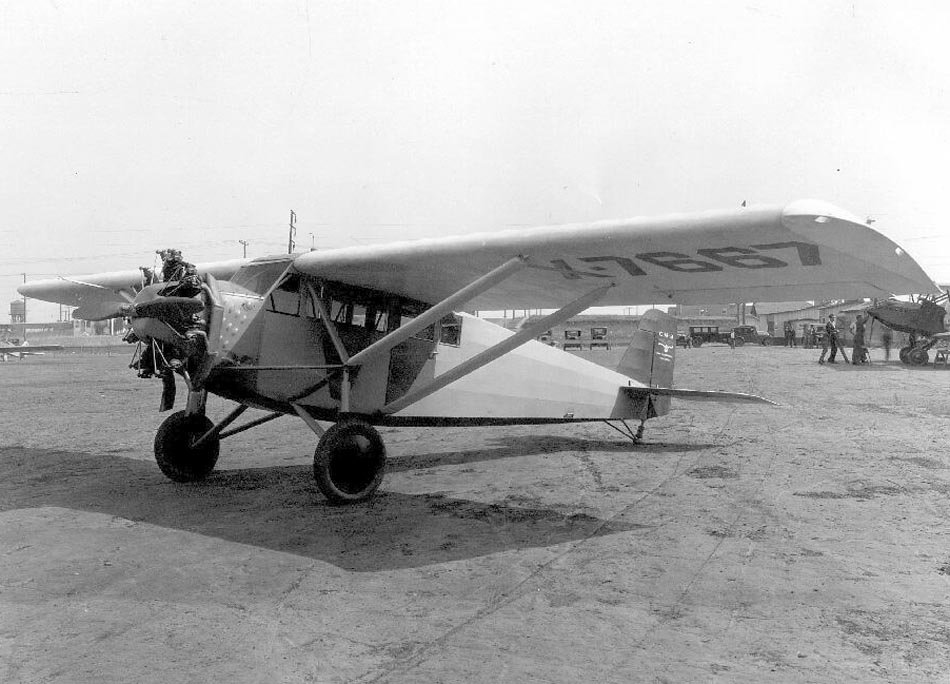
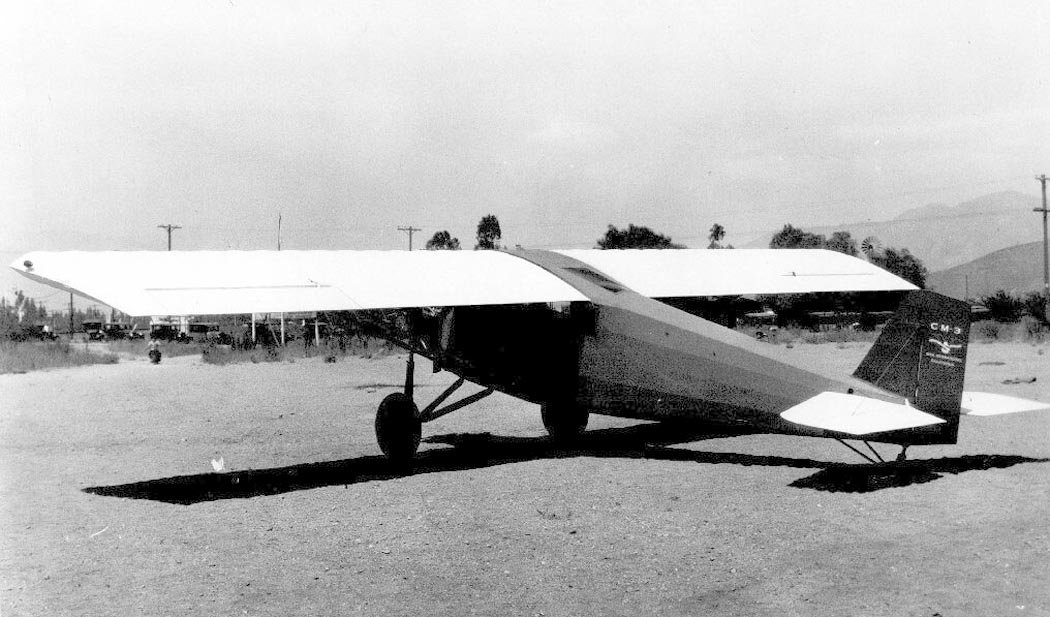
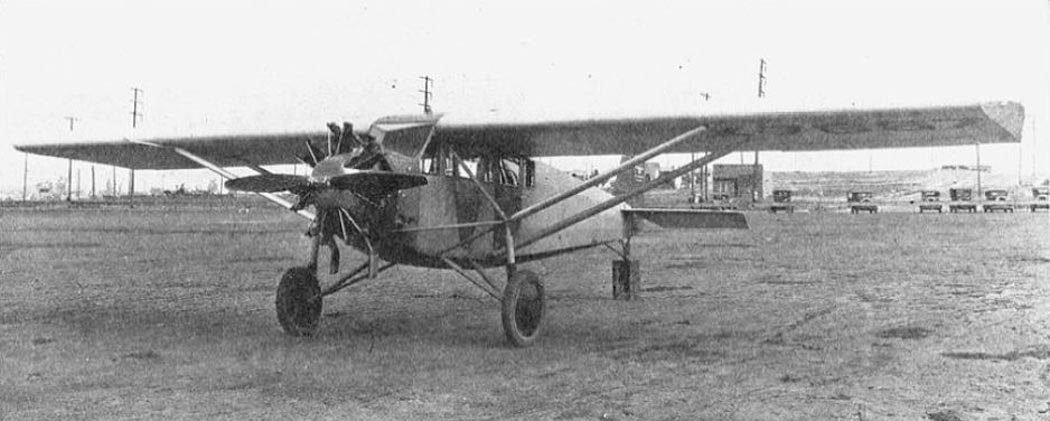
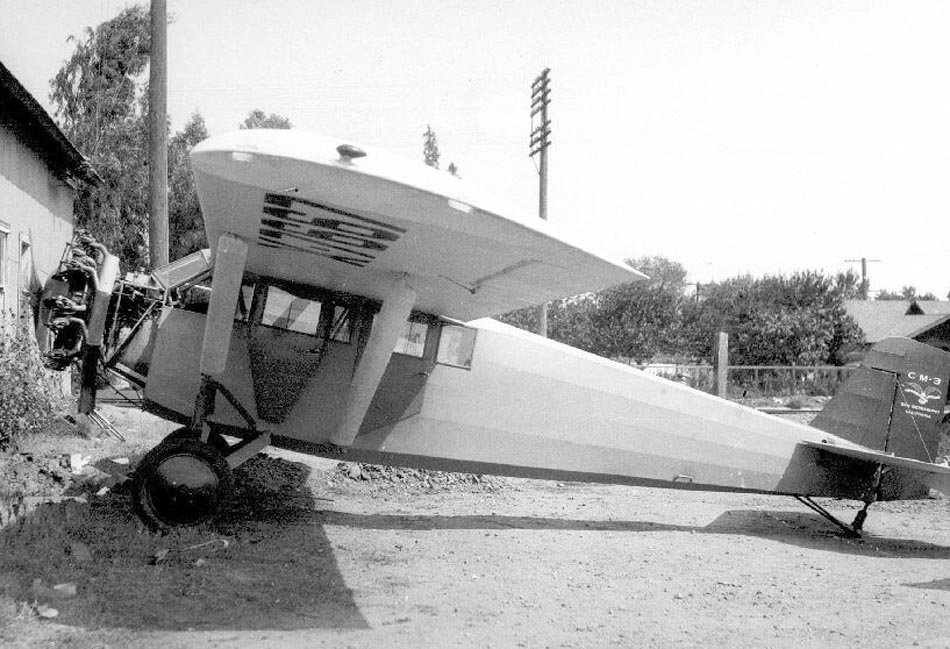
In 1928, a group of engineers from Ryan Mechanics Monoplane Co. formed Federal Aircraft Corp. in San Bernardino, California. That same year, the company released the Federal CM-3, a light multi-purpose aircraft. This model was a smaller, braced version of their first project, the CM-1 Lone Eagle.
William J. Waterhouse served as the chief designer for this project, which marked the beginning of Federal Aircraft Corp.’s production. His vision brought to life an aircraft with an innovative design for its era.
CM-3 Characteristics and Production
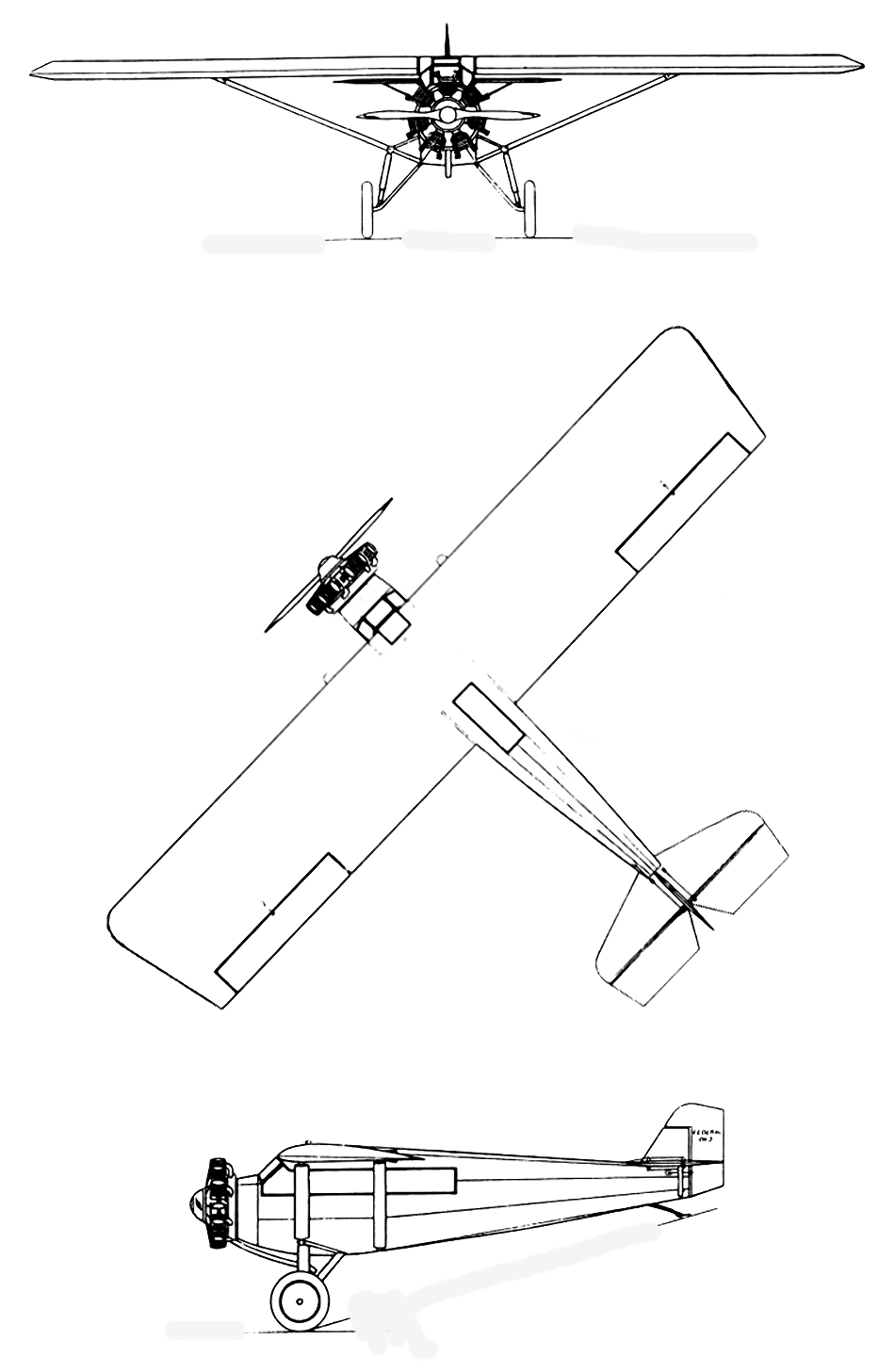
The Federal CM-3 was a three-seater, braced high-wing monoplane. It was equipped with a 130 hp Hallett seven-cylinder radial engine, driving a two-bladed propeller. Its configuration made it versatile for various applications.
Only two examples of the aircraft were built, identified as X7667 and X8096. Subsequently, their original engines were replaced with either a 150 hp Axelson or a 125 hp Kinner C-5, enhancing their performance capabilities.
The Legacy of Federal Aircraft Corp.
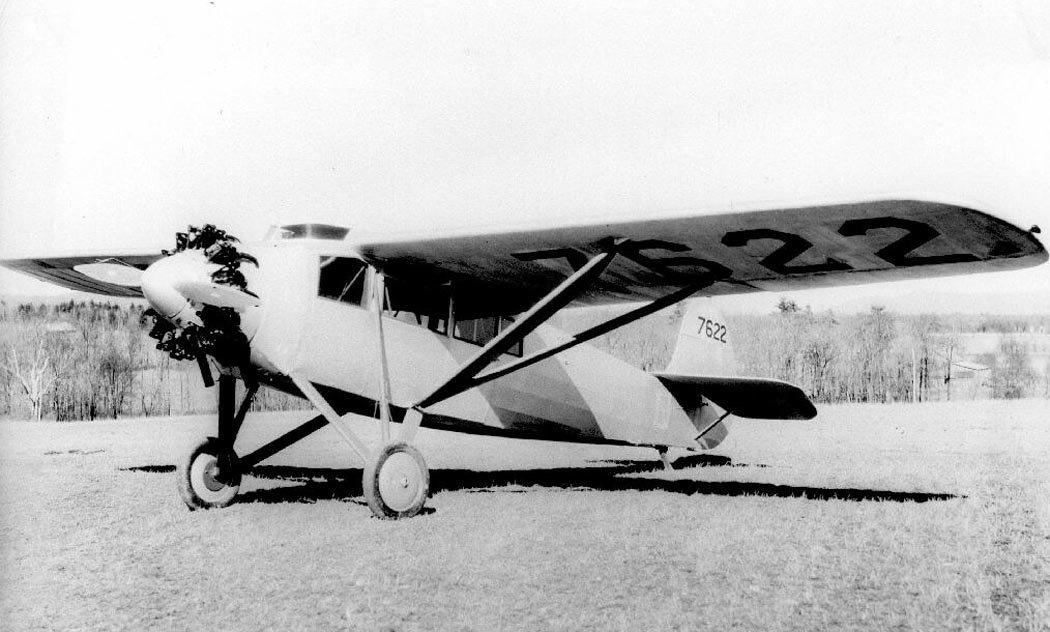
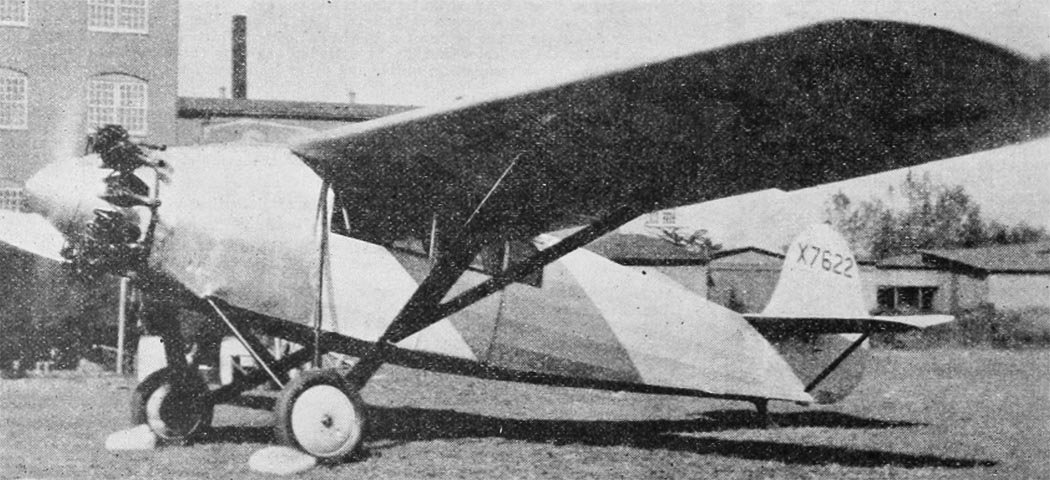
The company’s final project was the Federal CM-2 (7622), built in 1929. This was a six-seater, braced high-wing monoplane, powered by a robust 450 hp Pratt & Whitney Wasp engine. It represented an evolution in the capacity and size of their aircraft.
Federal Aircraft Corp. suspended its operations that same year, 1929. The company was only revived in 1937, this time in New York, marking a new chapter in its history.
Technical Specifications
| Modification | CM-3 |
| Wingspan, m | 12.04 |
| Aircraft length, m | 7.85 |
| Aircraft height, m | 2.39 |
| Wing area, m2 | 23.78 |
| Empty weight | 658 kg |
| Maximum takeoff weight | 975 kg |
| Engine type | 1 Piston engine Hallett |
| Power, hp | 1 x 130 |
| Maximum speed, km/h | 185 |
| Cruising speed, km/h | 153 |
| Practical range, km | 644 |
| Rate of climb, m/min | 229 |
| Service ceiling, m | 3658 |
| Crew | 1 |
| Payload | up to 2 passengers |
Image gallery of the Federal CM-3