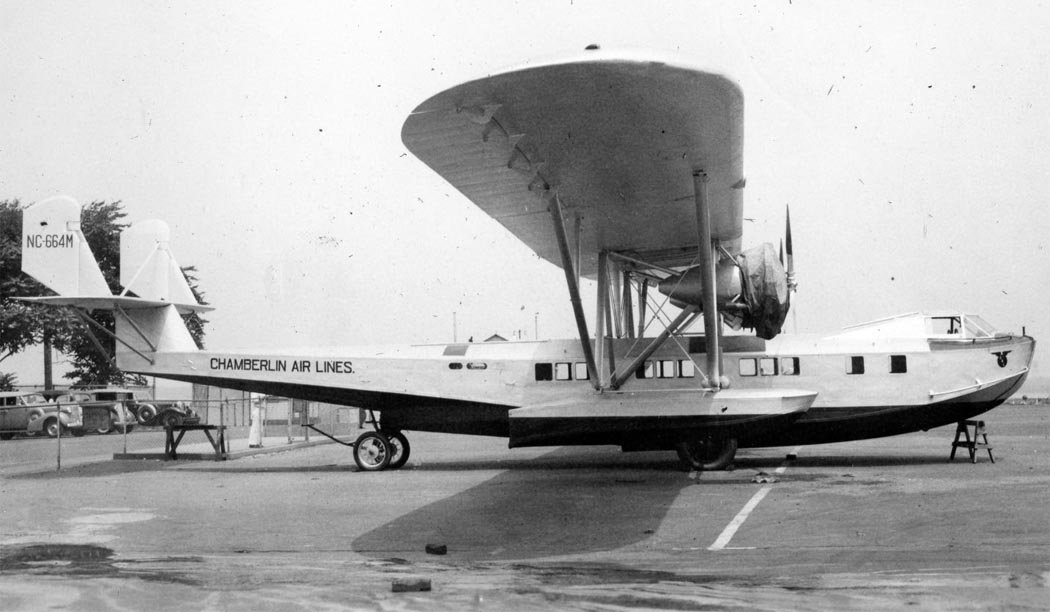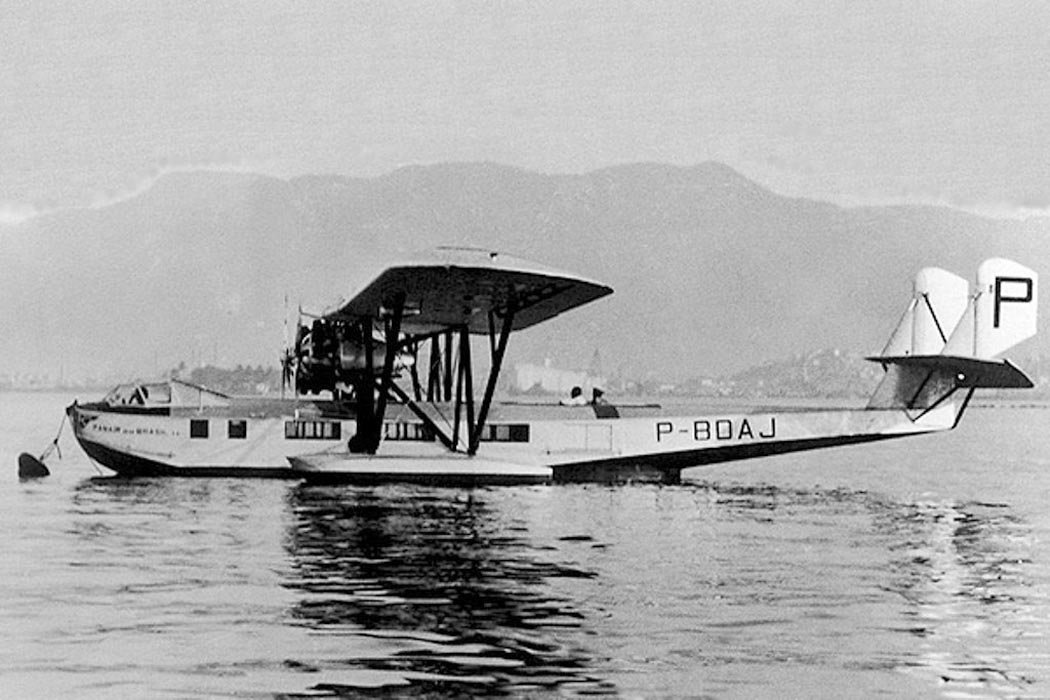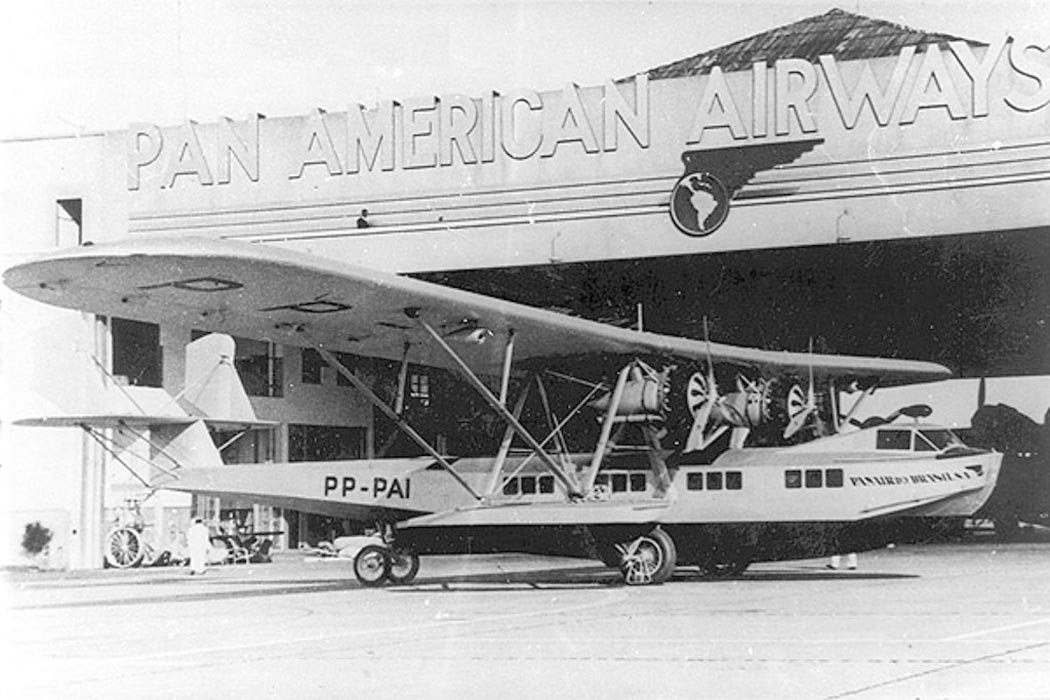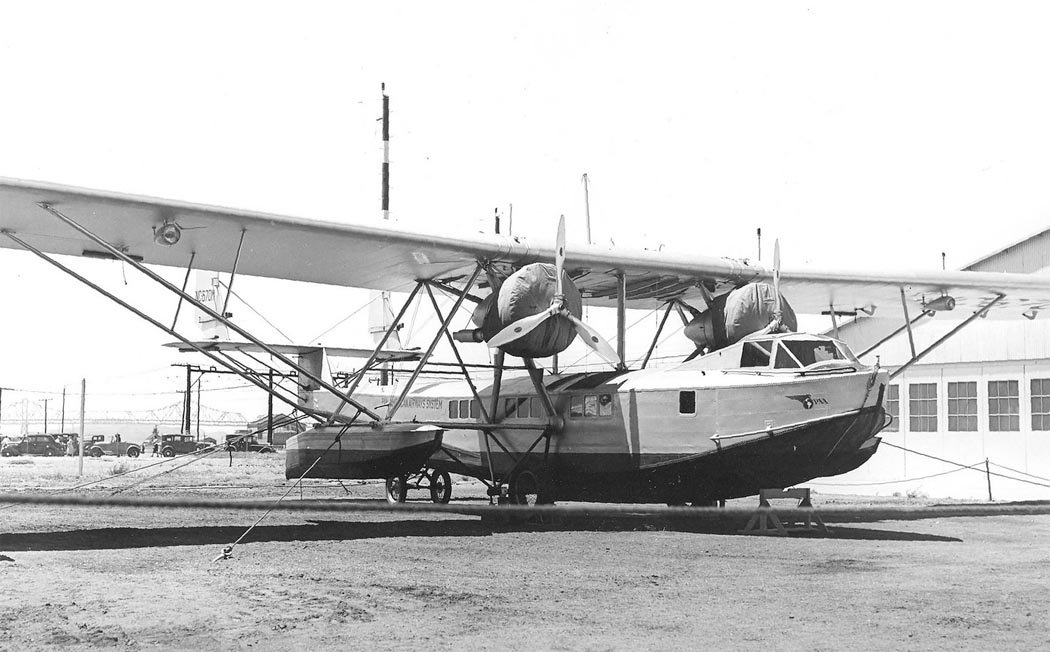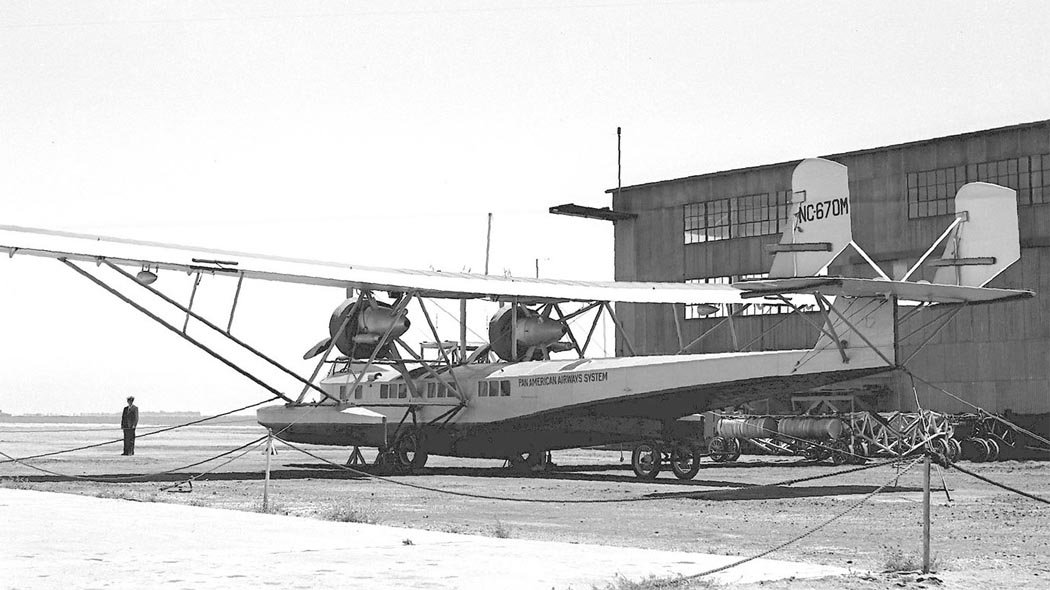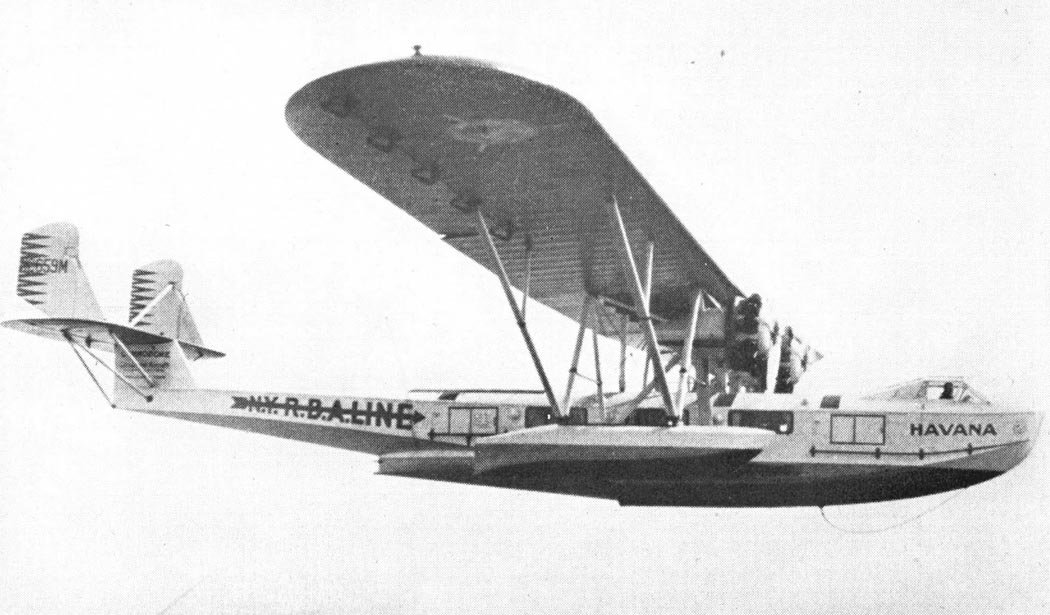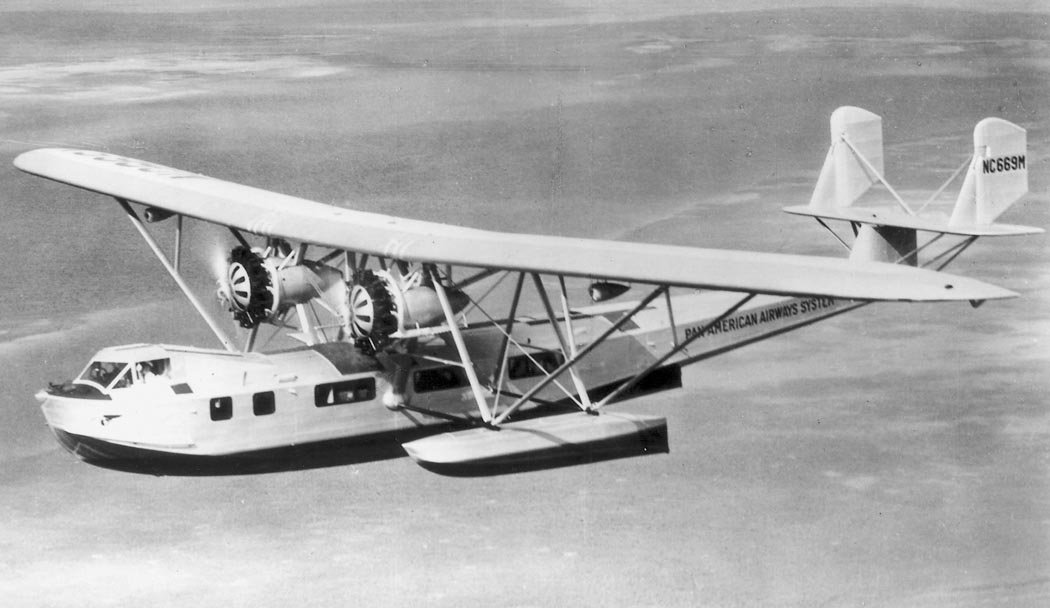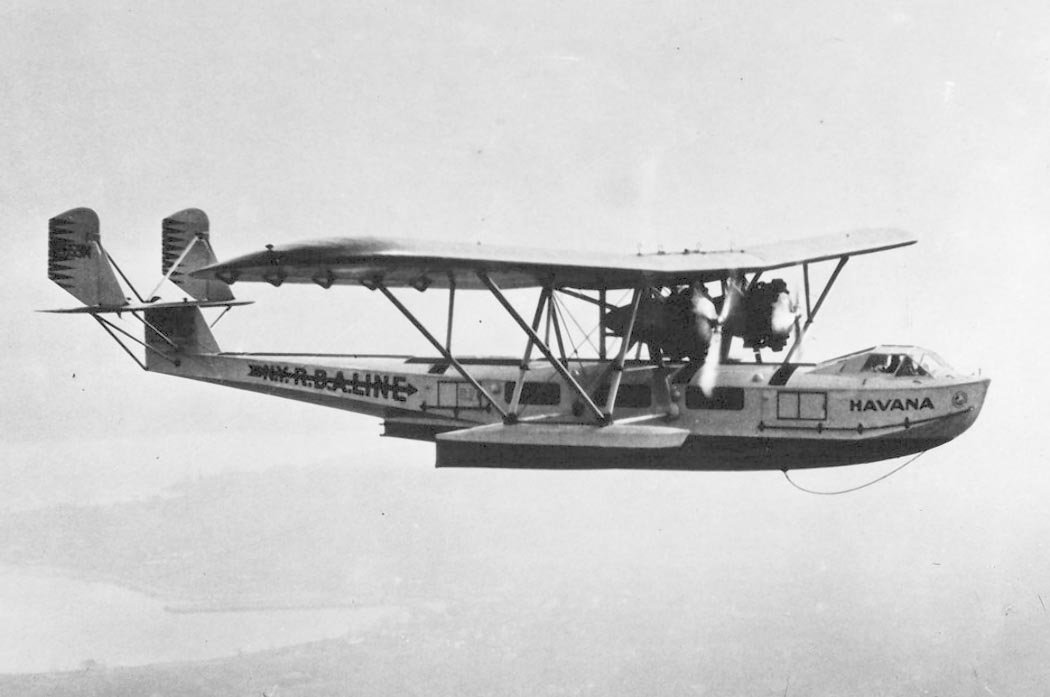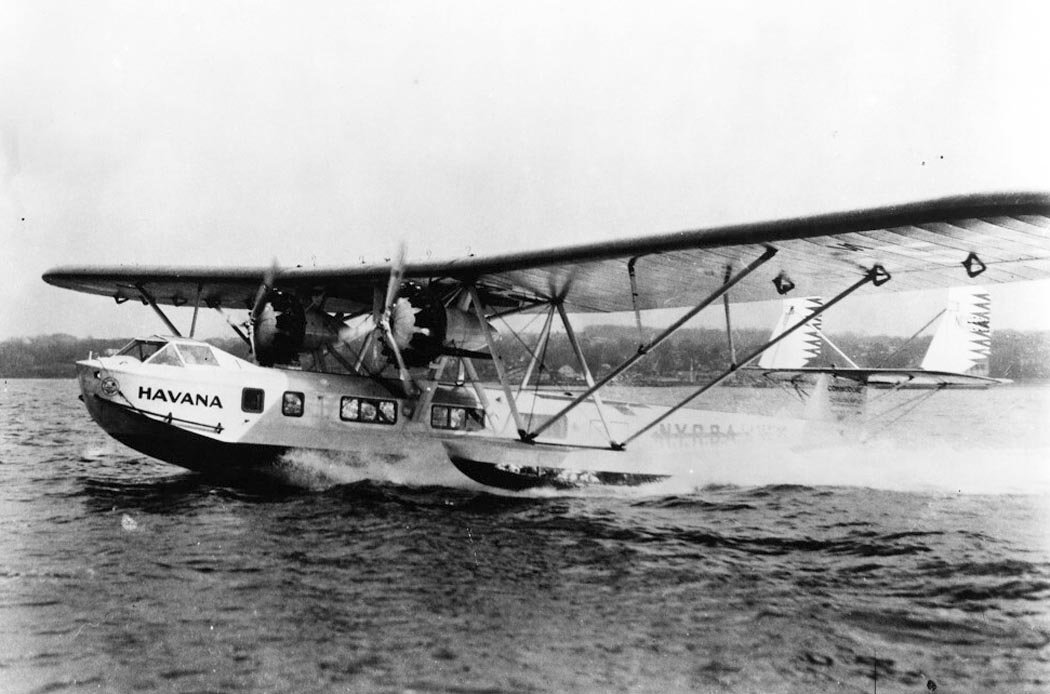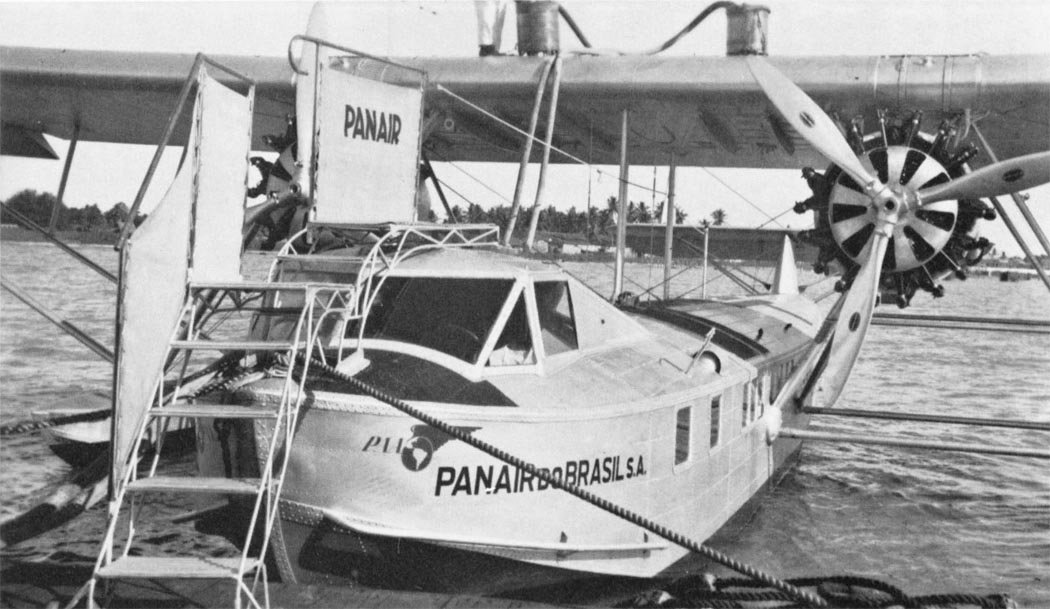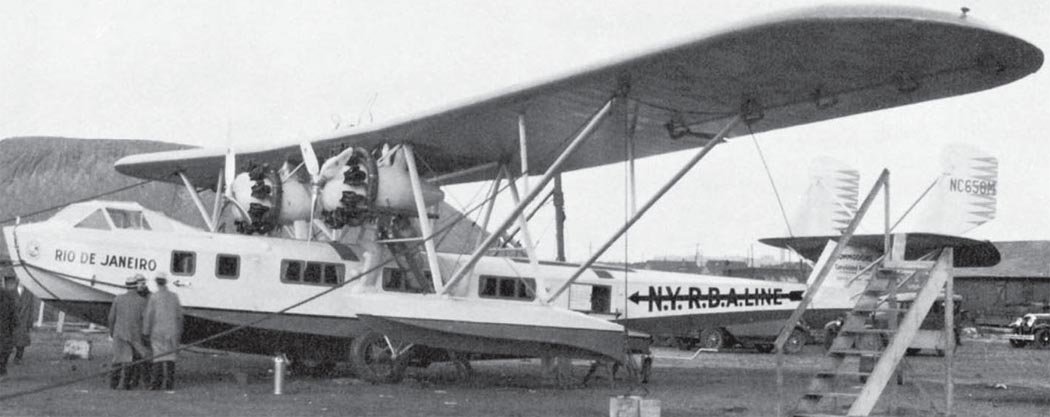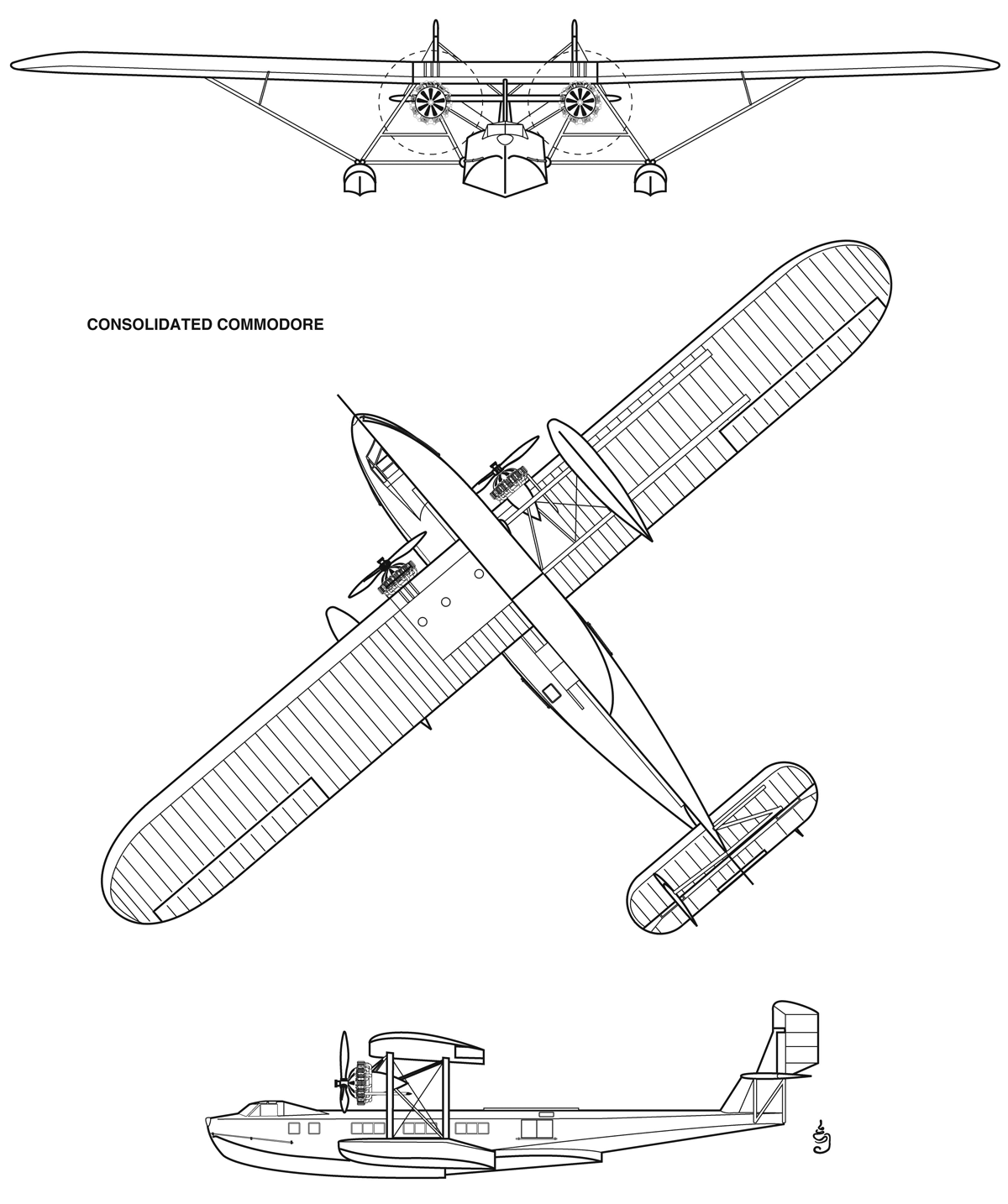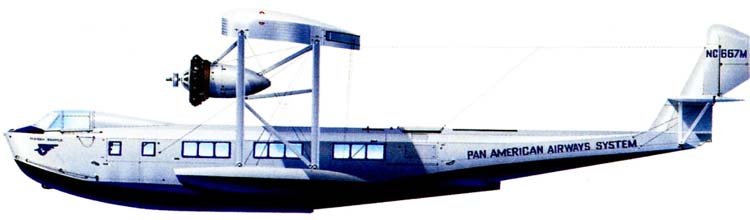
Shortly before losing the contract for the Admiral (PY) seaplane for the U.S. Navy, Consolidated received an order for the civilian modification, the Model 16 Commodore. Expectations that the “Detroit and Cleveland Navigation Co.” might operate the Commodore by spring 1929 on Lake Erie, between Detroit, Cleveland, and Buffalo, and reach an agreement with “Pan American Airways” to adopt the aircraft, proved futile. However, the collaboration between Reuben Fleet and Ralph O’Neill, who founded the “South American” airline, was much more fruitful.
In January 1929, a deal was struck between Fleet, James X. Rand Jr., and O’Neill: six Commodore seaplanes were ordered by Rand’s own airline, “Tri-Motor Safety Airways.” This company, in April, changed its name to “New York, Rio & Buenos Aires Line” (NYRBA).
Technical Specifications
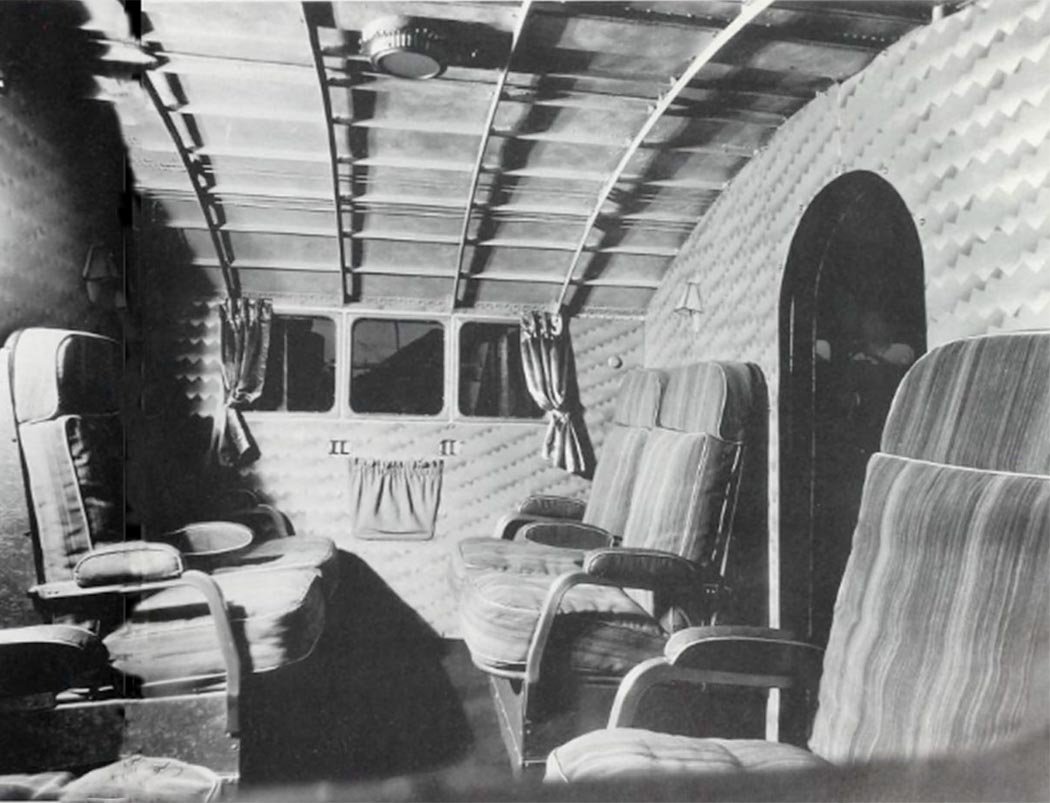
The aircraft was equipped with Pratt & Whitney R-1860 Hornet B radial engines, producing 575 hp (429 kW), driving three-bladed metal propellers. The key design element, which led to the Commodore being chosen over the Admiral, was its passenger cabin with compartments measuring 2.44 m (8 ft) wide and 1.52 m (5 ft) high.
This allowed for up to 32 passengers, although the standard configuration seated 22 passengers across two eight-seat compartments and two three-seat lounges. The first seaplane was launched and took flight on the Niagara River on September 28, 1929, later being named “Buenos Aires.”
During a demonstration flight, the aircraft encountered a strong wave, damaging the fuselage, after which the fuselages of all subsequent seaplanes were reinforced. Another improvement was the installation of a plywood cockpit canopy. The Commodore entered service on December 23, 1929, on the route connecting Buenos Aires and Rio de Janeiro.
In June 1928, NYRBA had already ordered a second batch of six Commodores, with two others ordered in October of the same year. Starting with the third seaplane, the aircraft were given the designations Model 16-1 and Model 16-2. The latter was used for charter flights across the Río de la Plata between Buenos Aires and Montevideo, accommodating up to 30 passengers, while maintaining the same range and maximum takeoff weight.
To expedite production during winter months, when the water near Buffalo froze, Consolidated shipped parts to Langley Field, Virginia. There, further assembly and test flights were conducted over Chesapeake Bay.
Legacy and Operations
By July, NYRBA had seven Commodores in operation and had been flying the 14,500 km (9,000 mi) route from New York to South America, spanning 15 countries, for four months. At this point, intense pressure began on the company, aiming for a merger with “Pan American Airways.” On September 15, 1930, Pan Am acquired 11 Commodores and “inherited” the order for NYRBA’s final three aircraft.
Over time, eight Commodores were returned to the U.S., and Pan Am or its subsidiaries owned 14 seaplanes (one was destroyed in a hangar fire in 1935) until their retirement, which began in 1937. Among the Commodore’s operators were “Miami-Key West Airways,” “Chamberlin Air Lines,” “China National Airways Corporation” (a Pan Am subsidiary), and the Brazilian Air Force.
Pan Am frequently provided seaplanes for military use, especially during World War II. One aircraft was converted into a Model 16T-2 trainer for navigator instruction. The last seaplane was retired from service in 1949.
Technical Specifications
| Modification | Commodore |
| Wingspan, m | 30.48 |
| Aircraft length, m | 18.79 |
| Aircraft height, m | 4.77 |
| Empty weight | 4340 |
| Maximum takeoff weight | 7983 |
| Engine type | 2 Piston engine Pratt Whitney Hornet B |
| Power, hp | 2 x 575 |
| Maximum speed, km/h | 174 |
| Cruising speed, km/h | 148 |
| Practical range, km | 1610 |
| Practical ceiling, m | 3430 |
| Crew | 3 crew members |
| Payload | 18-22 passengers |
Image gallery of the Consolidated Commodore