Development and Origins
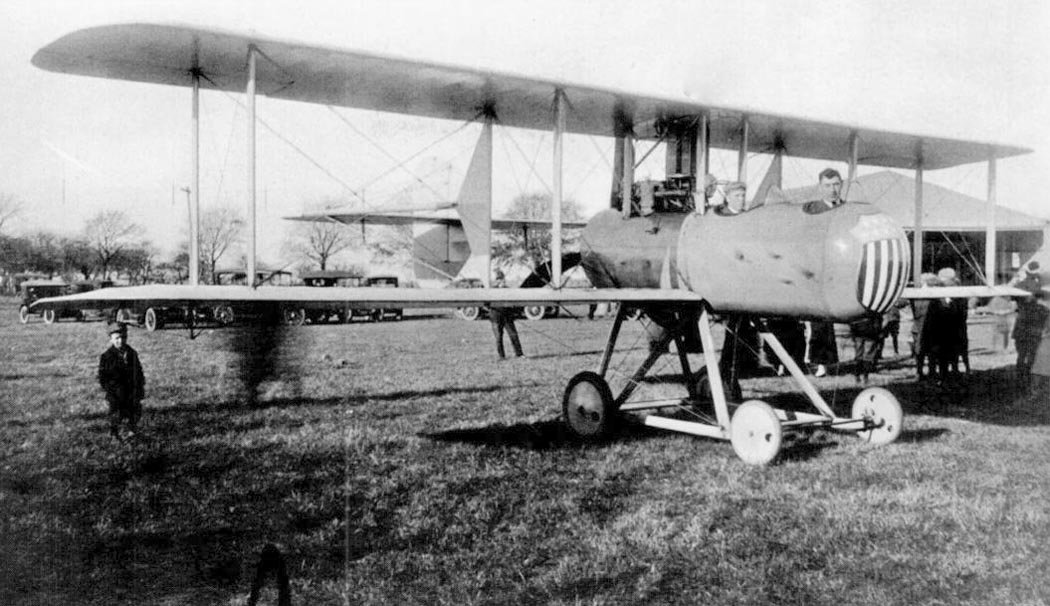
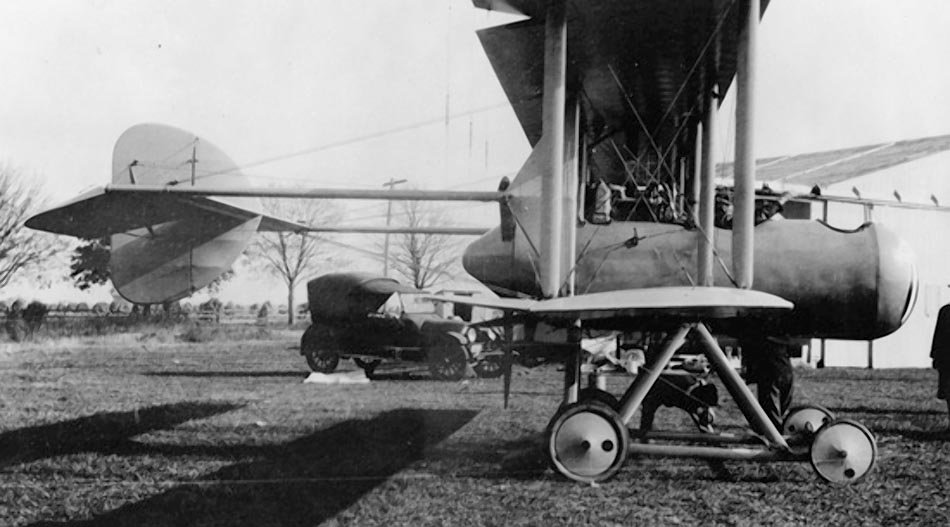
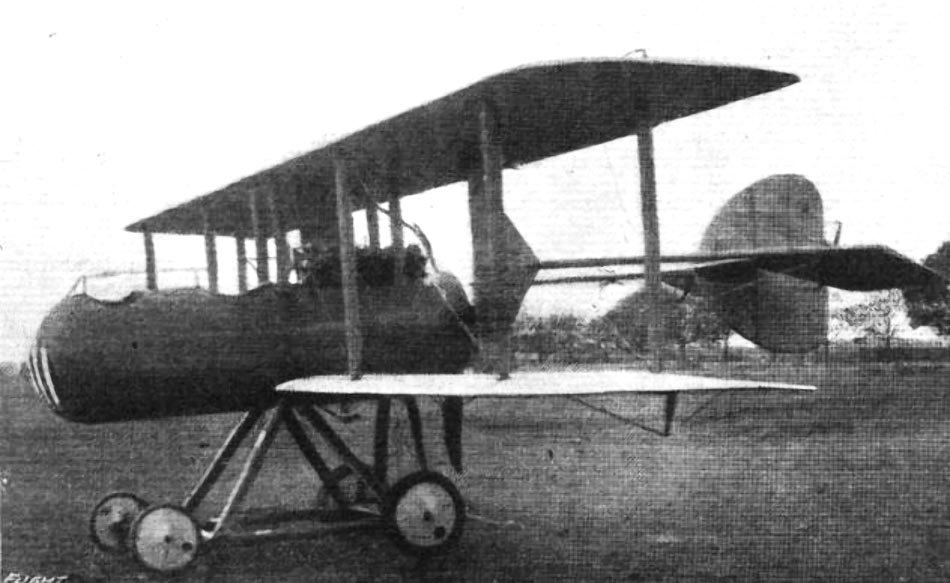
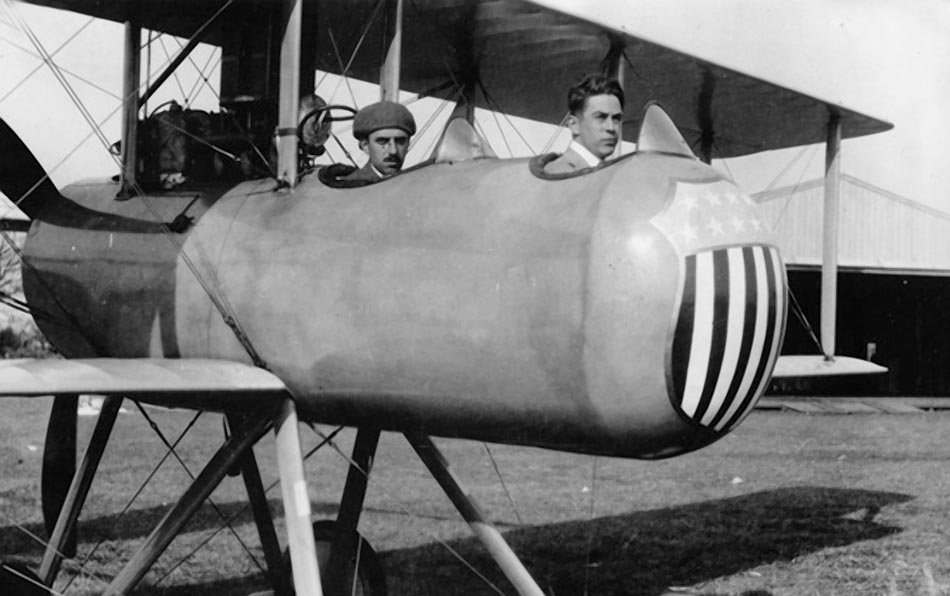
In 1916, Continental Aircraft Corp. from New York built the Continental KB-1 reconnaissance aircraft for the US Army Signal Corp. The project’s development was led by the young Vincent Justus Burnelli. This aircraft was an early attempt at meeting military aviation needs.
Technical Specifications
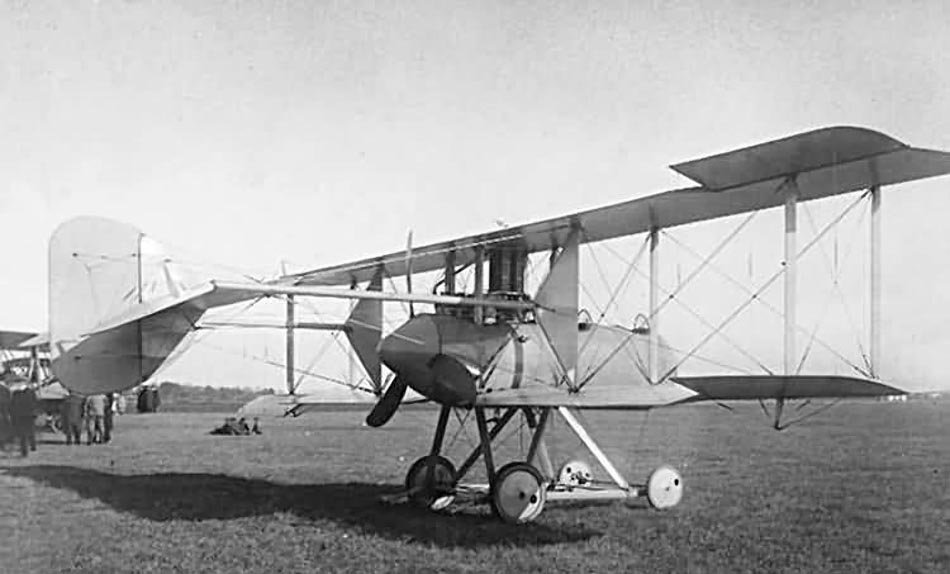
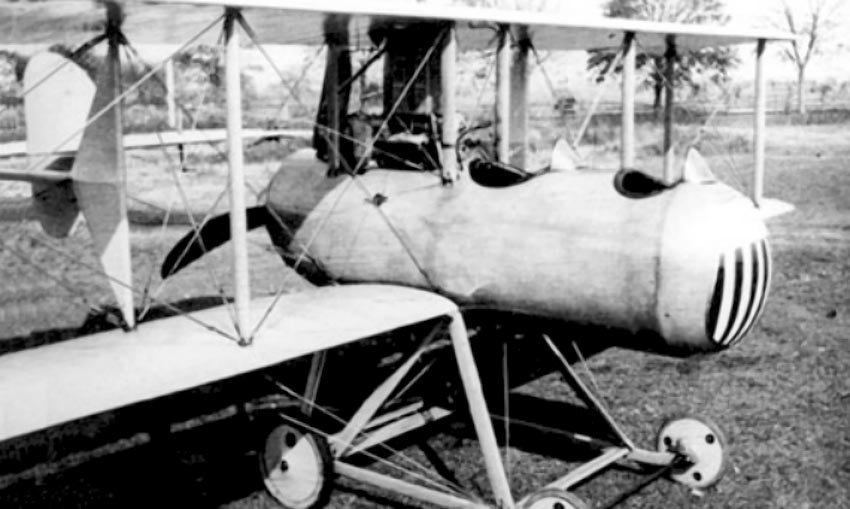
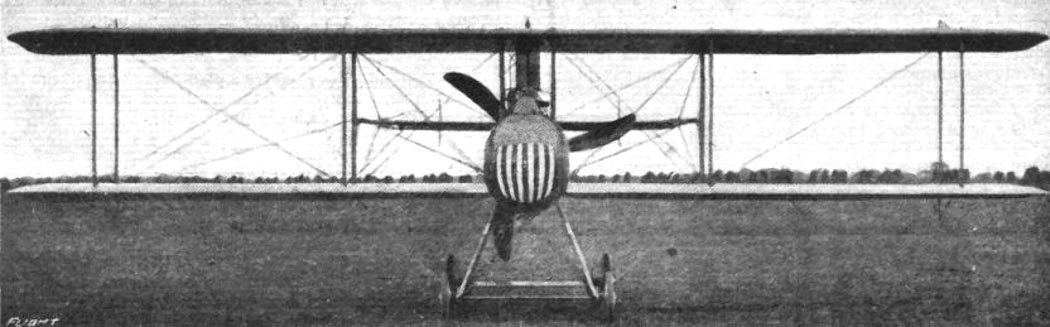
The KB-1 was a two-seater, two-strut biplane, powered by a 135 hp Hall-Scott A-5A engine. It featured a three-blade Paragon pusher propeller, a somewhat innovative design for its time. The aircraft was also equipped with distinctive four-wheel Ackerman landing gear.
Trials and Final Fate
Despite successful trials, the military showed no interest in the machine, and consequently, serial production was never initiated. This lack of adoption marked the end of the KB-1’s potential career.
Technical Specifications
| Modification | KB-1 |
| Wingspan, m | 10.97 |
| Length, m | 6.71 |
| Height, m | 3.12 |
| Empty weight | 680 |
| Maximum takeoff weight | 1179 |
| Fuel, l | 170 |
| Engine type | 1 Piston engine Hall-Scott A-5A |
| Power, hp | 1 x 135 |
| Maximum speed, km/h | 153 |
| Cruising speed, km/h | 116 |
| Flight endurance, h | 4 |
| Crew | 2 |
Image gallery of the Continental KB-1