Origin and Transformation of Letov
In the mid-1990s, the Letov company, established in 1918, was privatized and fragmented into several enterprises: Letov Letecka Vyroba, Letov Nastrojana, and Letov Air. By 1998, the entire Letov group declared bankruptcy. On June 1, 2000, Letov Letecka Vyroba was acquired by the French firm Latecoere, while Letov Air was purchased by the Belgian corporation Wolfsberg Aircraft Corp, which then established a new division named Wolfsberg Letecka Tovarna s.r.o.
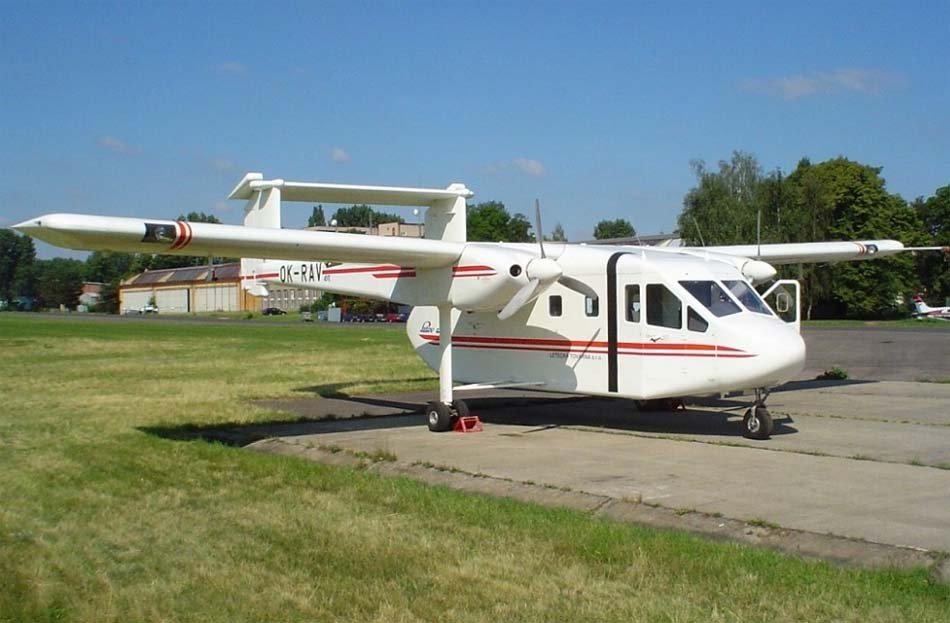
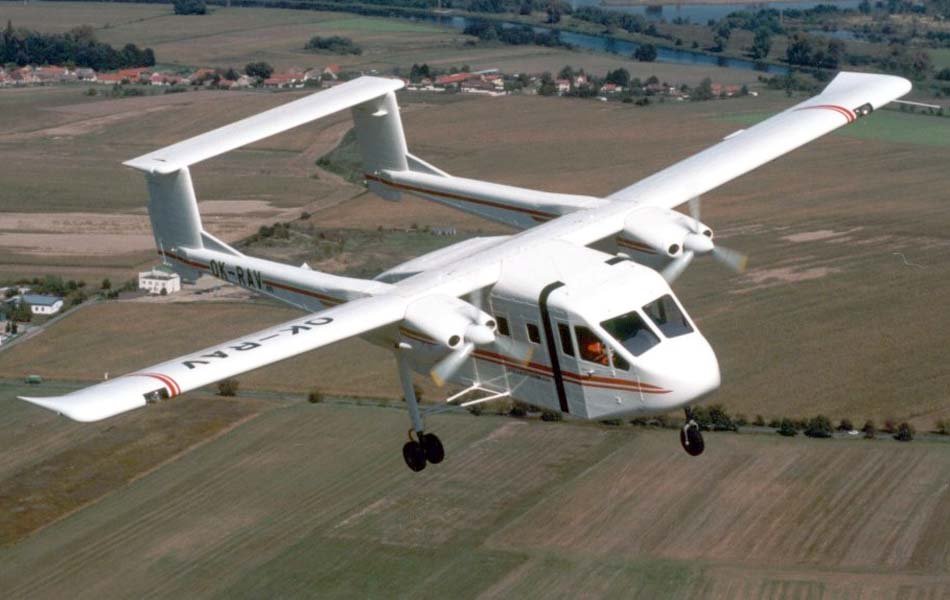
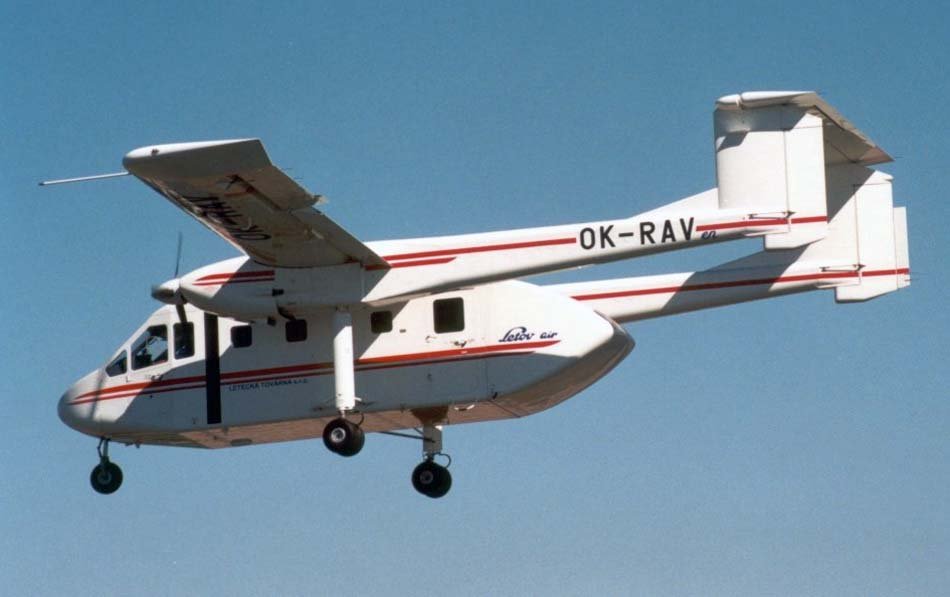
The Belgian owners discontinued the production of the ultralight LK-2, LK-3, and ST-4 models, but decided to complete a transport aircraft that was already well into development. The first prototype (OK-RAV), under the new designation Wolfsberg Letov Raven 257, took to the skies on July 28, 2000, less than two months after the change of ownership. It was clear that its design and construction had been initiated under the previous management.
Project Evolution and Challenges
During testing, the wingspan and takeoff weight were increased, and the position of the front doors was altered to now lead directly into the cockpit. Certification and the start of production were planned for 2003-2004, with an announced price of 750,000 euros. The aircraft was intended to replace aging twin-engine BN-2s and PA-23 Aztecs, and serve as an upgrade for operators looking to replace single-engine aircraft like the Cessna 206 with something more powerful.
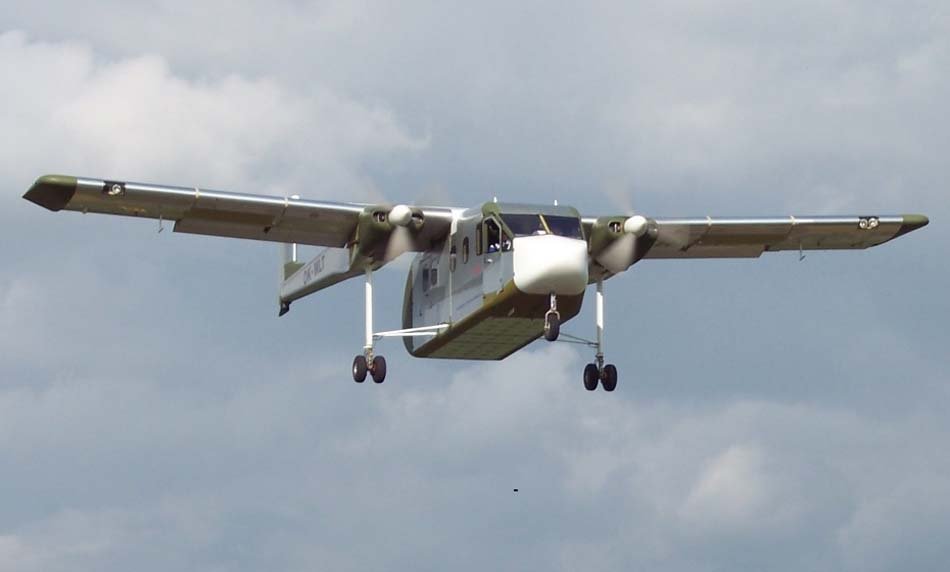
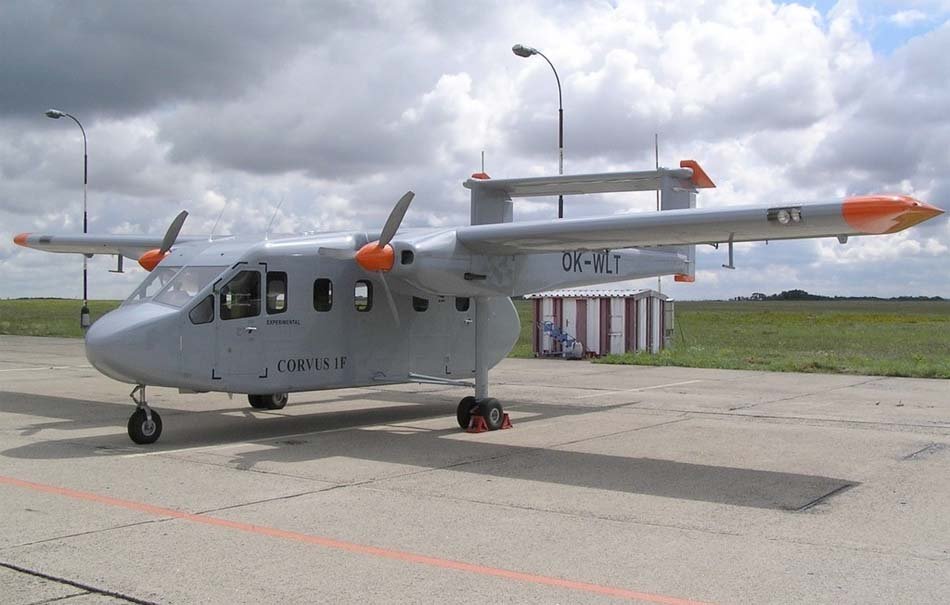
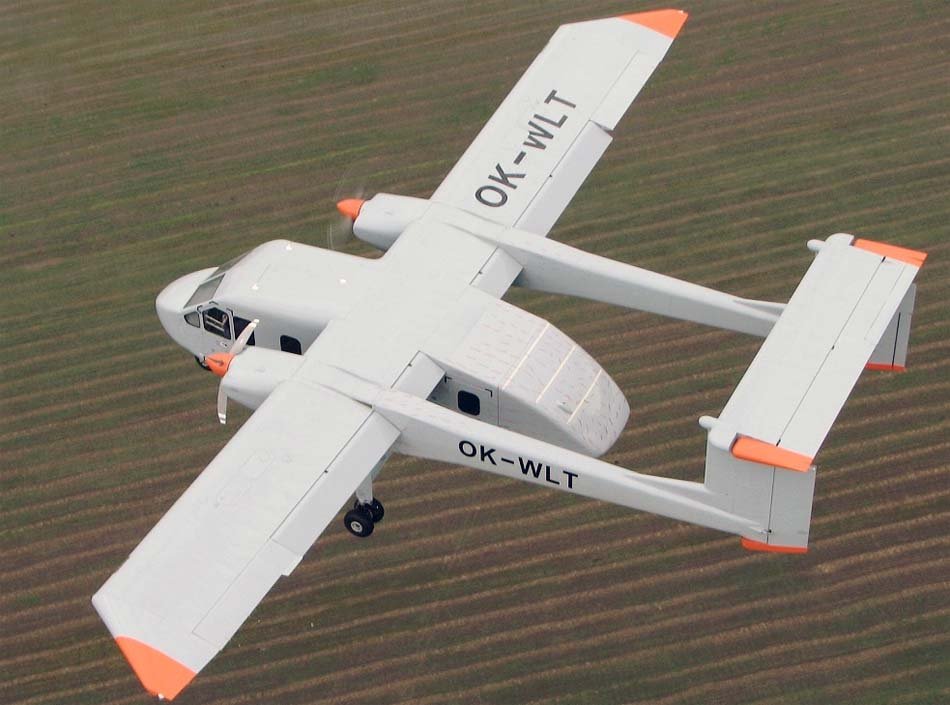
In 2003, the aircraft’s name was changed to the new commercial designation Wolfsberg Corvus 1F. The certification process proved to be lengthy; the third prototype (OK-WLT, with the second prototype being exclusively for static tests) only flew from Praga-Kbely airfield on June 6, 2006. Shortly thereafter, on September 4, 2006, the registration OK-RAV was canceled.
The first prototype was sent to Colesberg, South Africa, and its traces were lost after November 22, 2007. The OK-WLT also flew for a short period. Type certification was not obtained by the end of 2011, and it appears this project ultimately ended without success.
Detailed Technical Specifications
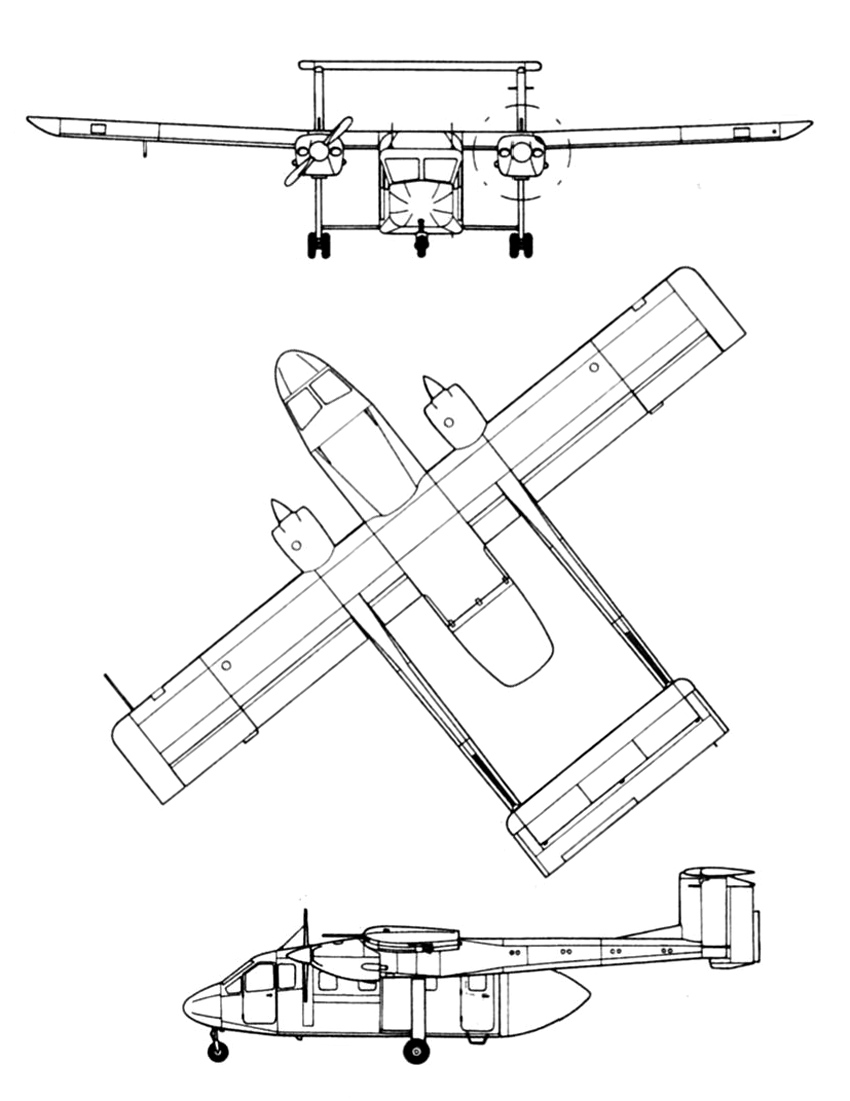
The Wolfsberg Corvus 1F is a twin-boom, all-duralumin high-wing monoplane, designed for operation from short, unpaved strips. Connections are primarily made with rivets.
Controls are mechanical, with all surfaces weight-compensated, and an electrically powered trim tab is located on the left side of the elevator. The wing’s trailing edge features ailerons and four-section electrically actuated flaps, deflecting 20° for takeoff and 48° for landing. Fuel tanks, with a total capacity of 536 liters, are housed in the wing consoles, and there is no centralized refueling system.
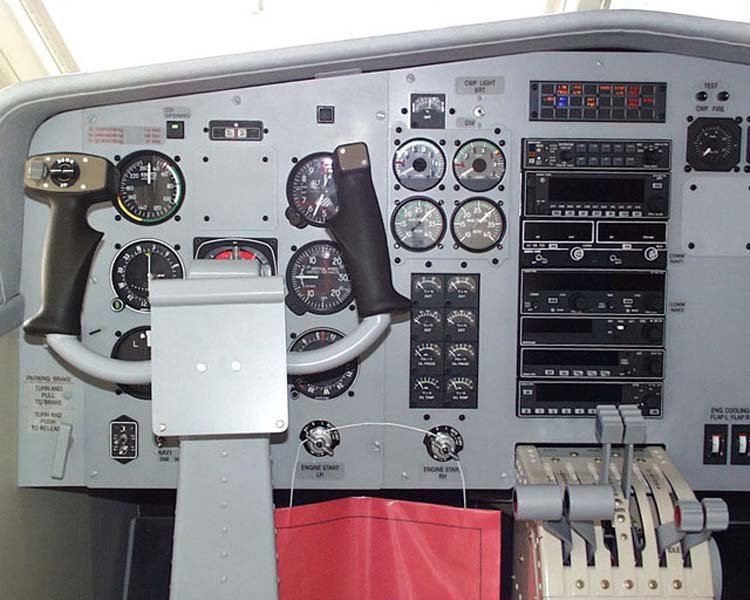
The landing gear is non-retractable, with a nose wheel and powerful oleo-pneumatic shock absorbers. Although the aircraft is certified for single-pilot operation, it features dual controls.
The cabin accommodates 8 passenger seats or 4 seats with provisions for 500 kg of cargo, measuring 3.9 x 1.47 x 1.44 m (excluding the pilot’s cabin). It can carry cargo on Euro-pallets (three 1.2 x 1 m pallets) or bulk cargo secured under nets. A large cargo door is on the left, an emergency exit on the right, and separate doors for each pilot. Behind the pilots, a robust sliding door, supported by a strong frame, protects the crew from shifting cargo during an emergency landing.
Technical Specifications
| Modification | Corvus 1F |
| Wingspan, m | 15.40 |
| Aircraft length, m | 11.28 |
| Aircraft height, m | 3.90 |
| Wing area, m2 | 28.45 |
| Empty weight | 1950 |
| Maximum takeoff weight | 3100 |
| Engine type | 2 Piston engine Continental IO-550-N8 |
| Power, hp | 2 x 300 |
| Cruising speed, km/h | 222 |
| Practical range, km | 800 |
| Crew, crew members | 1-2 |
| Payload: | 8 passengers or 4 passengers and up to 500 kg of cargo |
Image gallery of the Wolfsberg Corvus 1F