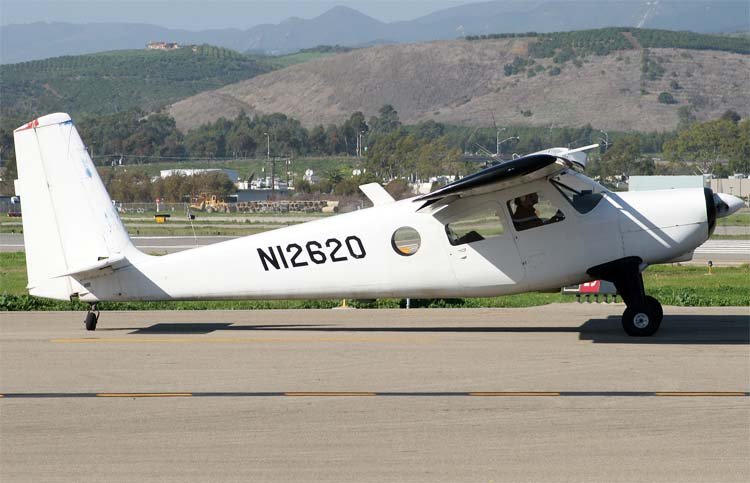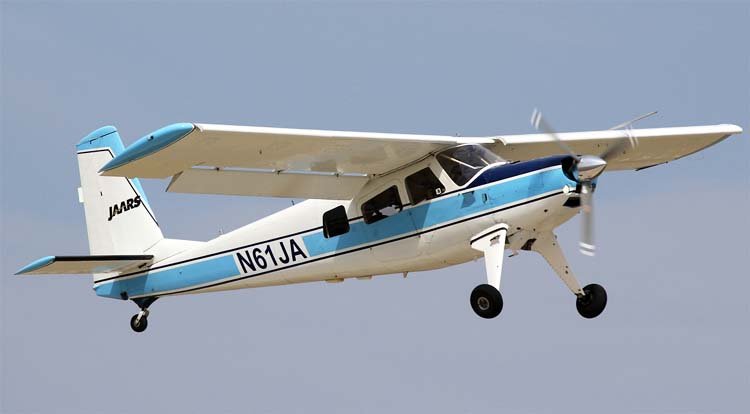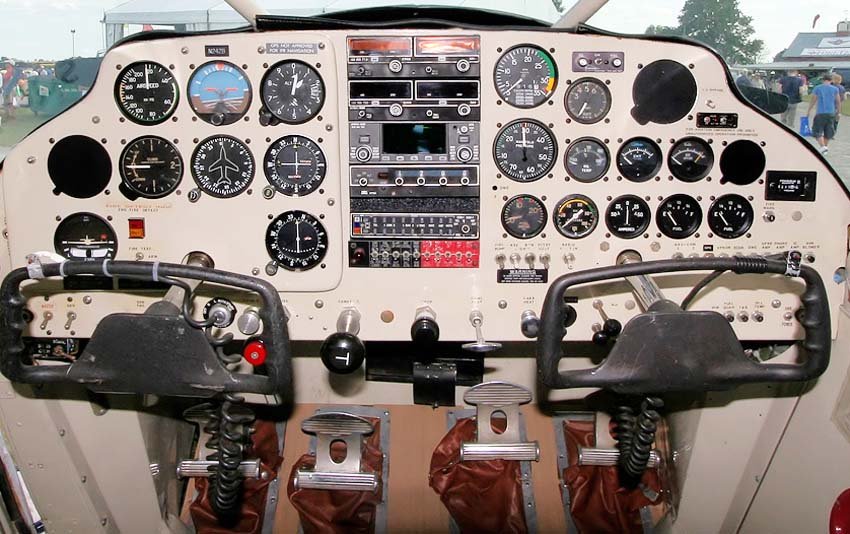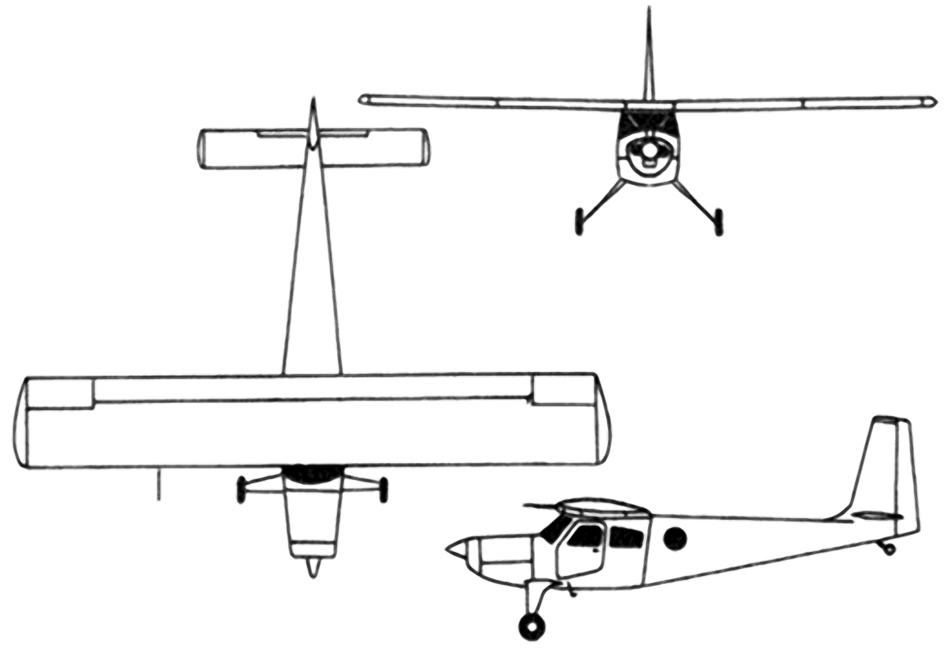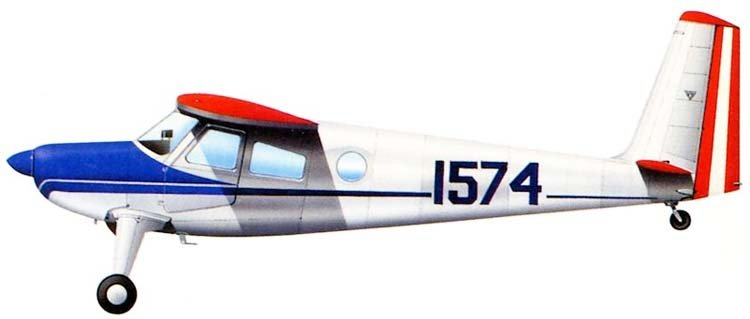
Helio Aircraft Corporation, later Company, designed and built the first experimental Helio Courier in 1949, with its maiden flight on April 14. This cantilever high-wing monoplane entered serial production in 1954 as the four-seat H-391B Courier.
Further variants included the four/five-seat H-395/H-395A in 1958/1959 and the six-seat H-250 in 1964, demonstrating the aircraft’s early versatility and evolution in passenger capacity.
The Super Courier Era
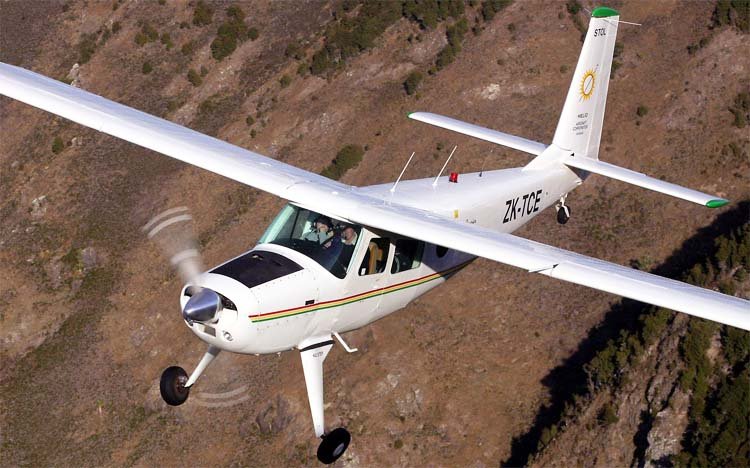
The next model, the H-295 Super Courier, made its experimental flight on February 24, 1965. This comfortable monoplane featured a six-seat passenger cabin, full-span leading-edge slats, wing-top spoilers, Frise ailerons, and slotted flaps extending along 74% of the trailing edge.
The Super Courier was renowned for its excellent short take-off and landing (STOL) performance. Mass production of piston-engine Courier aircraft concluded in December 1974, with an estimated 500 units produced.
Advanced Variants and Configurations
Eighteen Courier 700/800 aircraft were manufactured before production ceased entirely in 1984. The aircraft was available in four main variants, each distinguished by its engine.
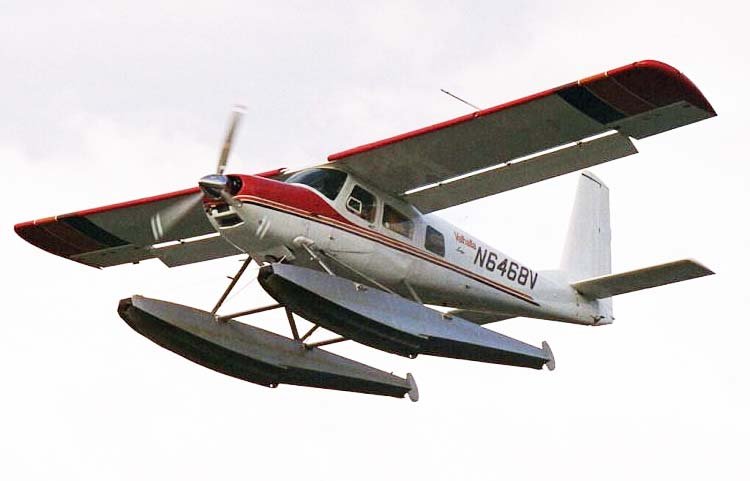
These included the Model 600 with a 250 hp Textron Lycoming O-540 engine, the Model 700 with a 300 hp Teledyne Continental Voyager, the Model 800 featuring a 350 hp Textron TIO-540, and the powerful Model 900, equipped with a 298 kW (400 hp) Textron IO-720-A1B. The Helio Courier also offered diverse landing gear options, available with either a tailwheel or nosewheel chassis, and could be fitted with floats to operate as seaplanes or amphibians, highlighting its adaptability across various operational environments.
Technical Specifications
| Modification | H-800 |
| Wingspan, m | 11.89 |
| Length, m | 9.45 |
| Height, m | 2.69 |
| Wing area, m2 | 21.40 |
| Empty weight | 1043 |
| Maximum takeoff weight | 1814 |
| Engine type | 1 Piston engine Lycoming TIO-540-B2D |
| Power, hp | 1 x 350 |
| Maximum speed, km/h | 289 |
| Cruising speed, km/h | 272 |
| Practical range, km | 1689 |
| Maximum rate of climb, m/min | 366 |
| Service ceiling, m | 6248 |
| Crew | 1 |
| Payload | 5 passengers |
Image gallery of the Helio Courier