A.9
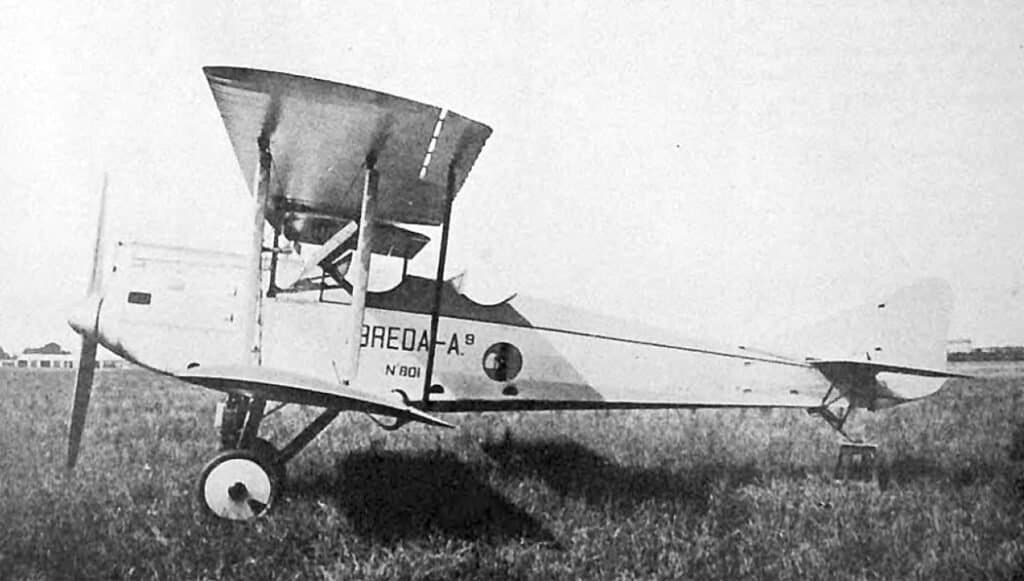
Development and First Flight
The A.9 was a training aircraft developed by the Italian firm Breda. Its maiden flight occurred in 1928, equipped with an Isotta-Fraschini engine producing 250 hp. Several examples of this aircraft were produced.
The A.9bis Aerobatic Variant
Subsequently, an aerobatic version, designated A.9bis, was introduced. This variant featured reduced dimensions, with a wingspan of 8.72 meters, and a lighter mass, weighing 720 kg empty and 940 kg at maximum takeoff weight.
Technical Specifications
| Modification | A.9 |
| Wingspan, m | 9.32 |
| Length, m | 7.95 |
| Wing area, m2 | 27.00 |
| Empty weight | 770 |
| Normal takeoff weight | 1050 |
| Engine type | 1 Piston engine Isotta-Fraschini |
| Power, hp | 1 x 250 |
| Maximum speed, km/h | 185 |
| Cruising speed, km/h | 152 |
| Practical range, km | 800 |
| Practical ceiling, m | 6000 |
| Crew, crew members | 2 |
Image and diagram gallery of the A.9
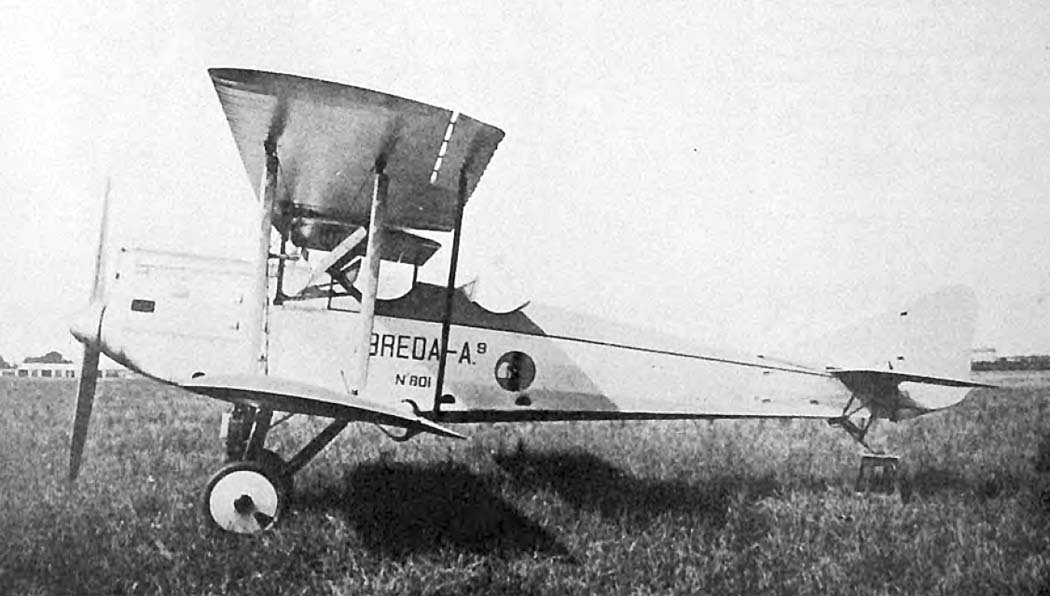 A.9 |
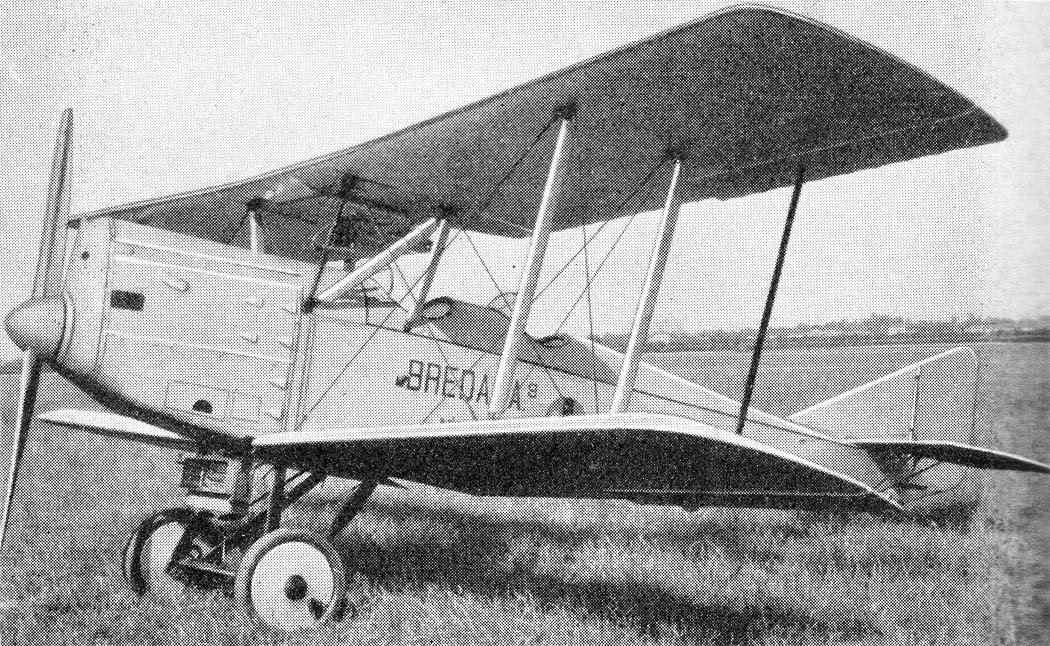 A.9 |
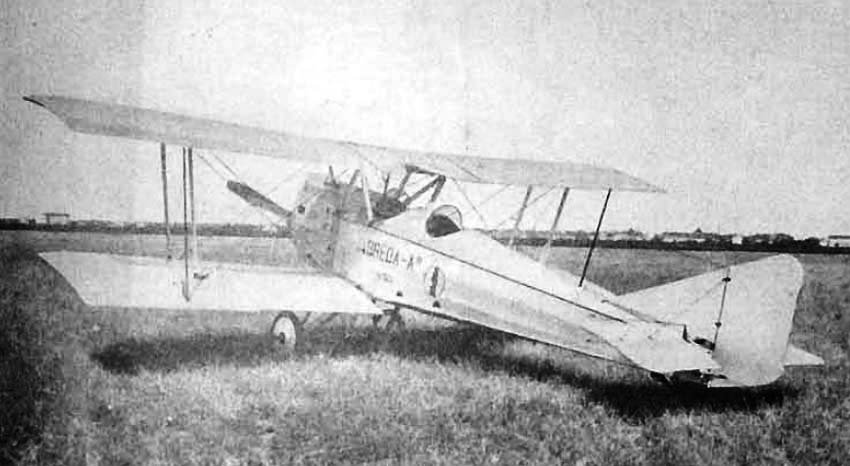 A.9 |
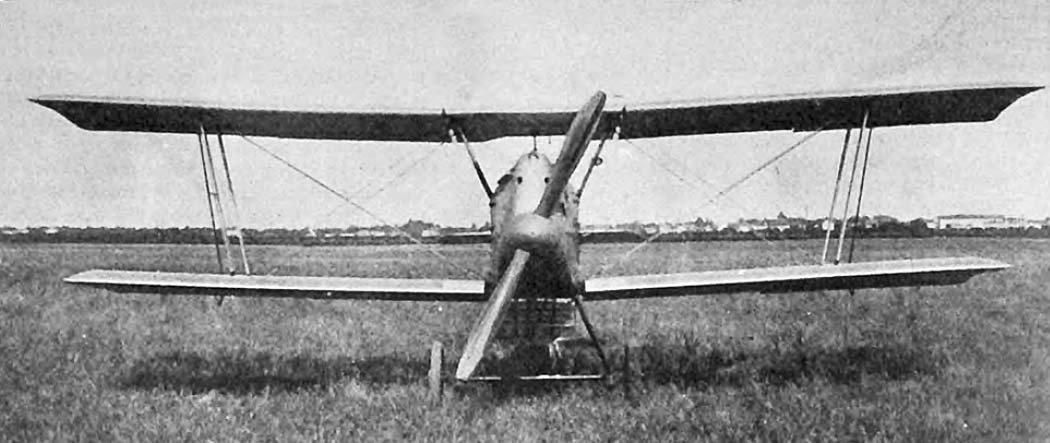 A.9 |
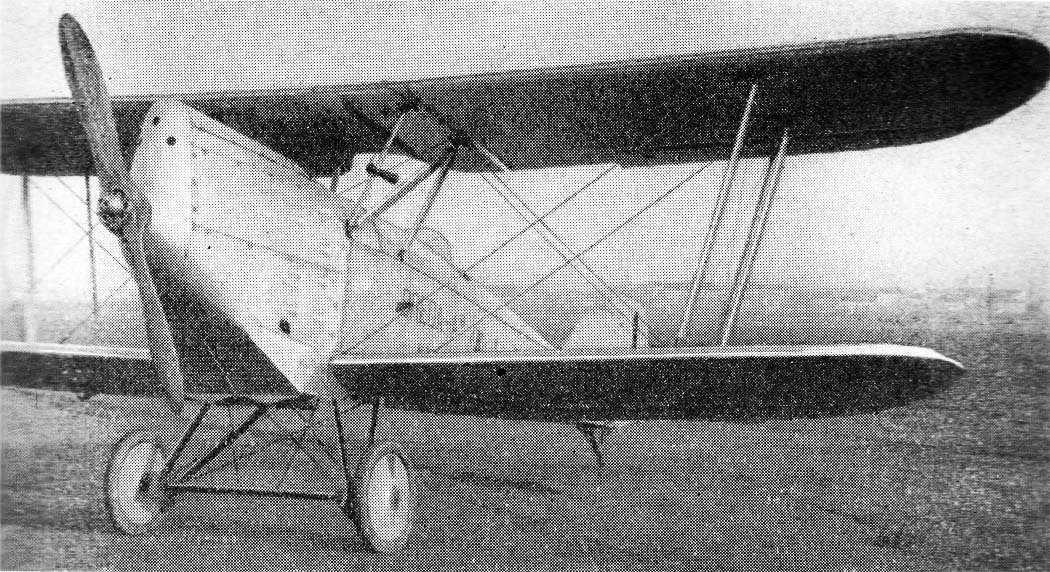 A.9 |
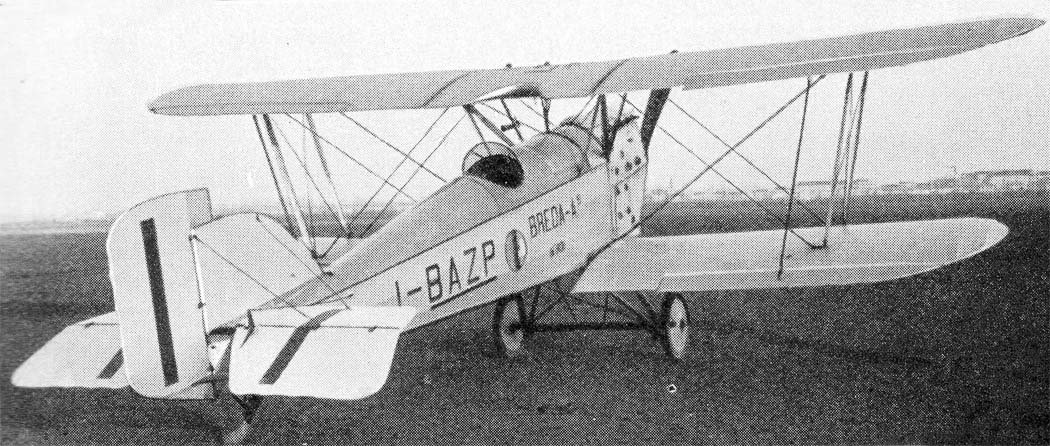 A.9 |
ArchivoAéreo Editorial Team
A group of aviation researchers and enthusiasts dedicated to documenting and preserving global aeronautical history. All articles are reviewed to ensure historical accuracy.
Sources & Accuracy
The information presented in this technical sheet has been compiled from declassified flight manuals, historical archives, and specialized literature. While we strive for maximum accuracy, some performance data may vary depending on the specific variant or operational conditions.