AT-7 Navigator
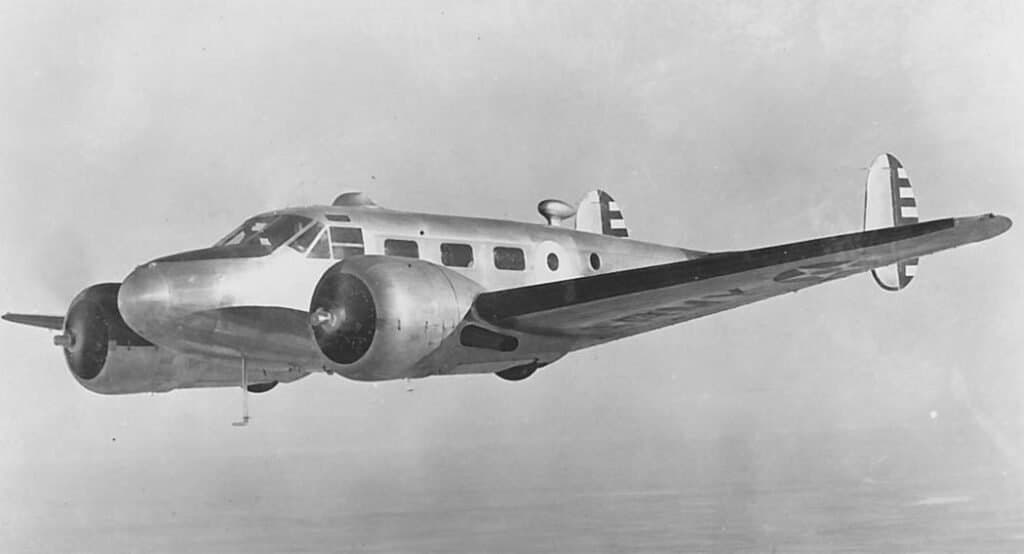
In December 1938, the Beechcraft company offered its “Model 18” to the Soviet Union as a trainer-combat aircraft. Two variants were proposed, designated in Soviet documents as AT-18 and BT-18D, likely based on the A18 and B18 civil models. Both had two configurations: a training setup and a combat setup, functioning as a light bomber.
Colonel Albokrinov, head of the foreign orders department of the Air Force Directorate, endorsed the American letter with a resolution stating: “The aircraft is of interest to the Red Army Air Force.” He inquired with foreign traders about the possibility of purchasing two AT-18s with different equipment and one BT-18D (trainer), all with a full set of armament. However, on May 18, 1939, Beechcraft proposed supplying the aircraft in batches of five to 50 units, with the price per aircraft varying from 59,595 to 56,650 USD depending on the batch size. The Soviet Union deemed this too expensive, and fifty aircraft were not needed by the Air Force Directorate. They only wished to purchase the aircraft for familiarization, to utilize successful design solutions in similar domestic technology. Consequently, on July 9, 1939, the Air Force Directorate sent a letter to the People’s Commissariat of Foreign Trade stating: “Aircraft… of the AT-18 and BT-18D brands are of no interest to the Air Force.”
The AT-7 Navigator: A Crucial Trainer
Alongside transport aircraft, military trainer aircraft such as the AT-7 Navigator and AT-11 Kansan were assembled in large quantities in Wichita. These were intended for training bomber and reconnaissance aircraft crew members, including pilots, navigators, bombardiers, radio operators, and aerial gunners.
The AT-7 specifically served for navigator training. Its cabin featured two student workstations with all necessary equipment. Astrodome navigation techniques were practiced under a large blister installed on top of the cockpit. A total of 577 of these aircraft, equipped with R-985-25 engines, were produced. Additionally, 6 float-equipped AT-7As, 9 “winter” AT-7Bs capable of operating in severe frost conditions, and 549 AT-7C units with R-985-AN3 engines were built.
Naval Variants and International Use
The American Navy also built trainer aircraft similar to the AT-7. The SNB-2 was the naval equivalent of the AT-7, with 299 aircraft built, and the SNB-2C was a version of the AT-7C. However, the SNB-2P, a variant for aerial photography training, had no army equivalent. Based on the AT-7, the SNB-3 was also built, differing in equipment, the development of which led to the SNB-3Q, an electronic warfare (EW) training aircraft.
Some AT-7s underwent modifications. A number of AT-7s were converted into transport aircraft under the designation C-45D (UC-45D), retaining all external features of the training version. Very similar to these were the C-45E (UC-45E) – modified AT-7s (two) and AT-7Bs (four).
These aircraft were not of particular interest to the British, who acquired five AT-7s and one AT-11 solely for familiarization purposes. However, Brazil received 11 AT-7s, Bolivia two AT-7s, Colombia five AT-7s, and Mexico two AT-7s.
Modernization and C-45 Evolution
Between 1951 and 1955, aircraft belonging to the U.S. Air Force underwent modernization. Their center wings were replaced, the fuselage was modified, and in some cases, a tricycle landing gear with a nose wheel was installed. Approximately 900 aircraft passed through these repair bases.
Part of the AT-7s were transformed into C-45G transports, receiving R-985-AN3 engines, autopilots, and improved instrumentation and radio equipment. A total of 372 units were modernized in this way. For multi-engine pilot training, 96 TC-45G aircraft were designated. Simultaneously, the AT-7 was adapted into the C-45H modification with R-985-AN1-14B engines, based on the civilian D18S type. These aircraft lacked autopilots. In total, 432 transport C-45H and trainer TC-45H emerged.
Technical Specifications
| Modification | AT-7 |
| Wingspan, m | 14.50 |
| Length, m | 10.40 |
| Height, m | 3.00 |
| Wing area, m2 | 32.40 |
| Empty weight | 2691 |
| Maximum takeoff weight | 3560 |
| Engine type | 2 Piston engines Pratt Whitney R-985-AN-3 |
| Power, hp | 1 x 450 |
| Maximum speed, km/h | 360 |
| Cruising speed, km/h | 260 |
| Practical range, km | 942 |
| Practical ceiling, m | 5608 |
| Crew, crew members | 2 |
| Payload: | 3 cadets |
Image and diagram gallery of the AT-7 Navigator
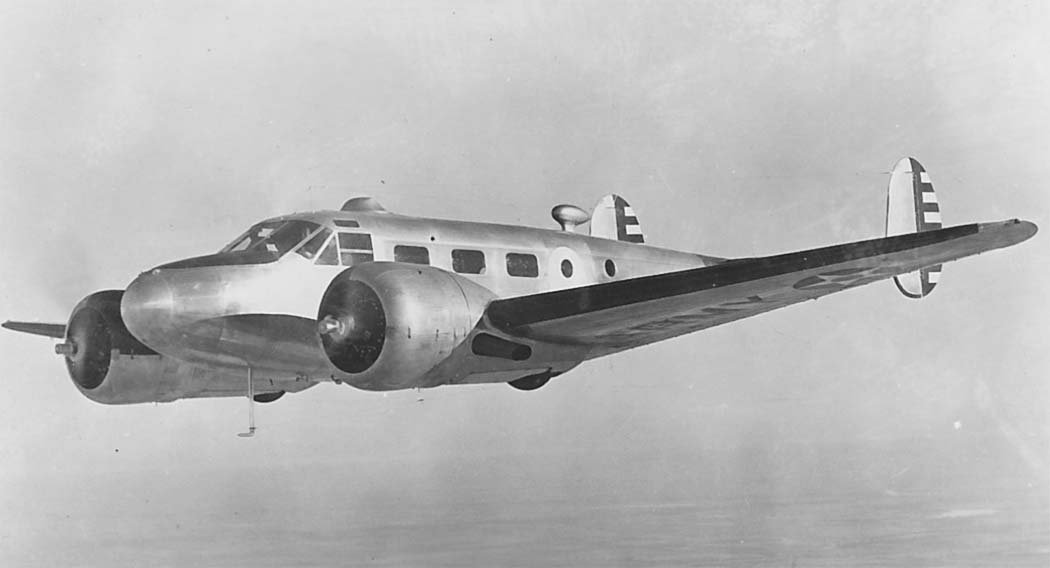 AT-7 Navigator |
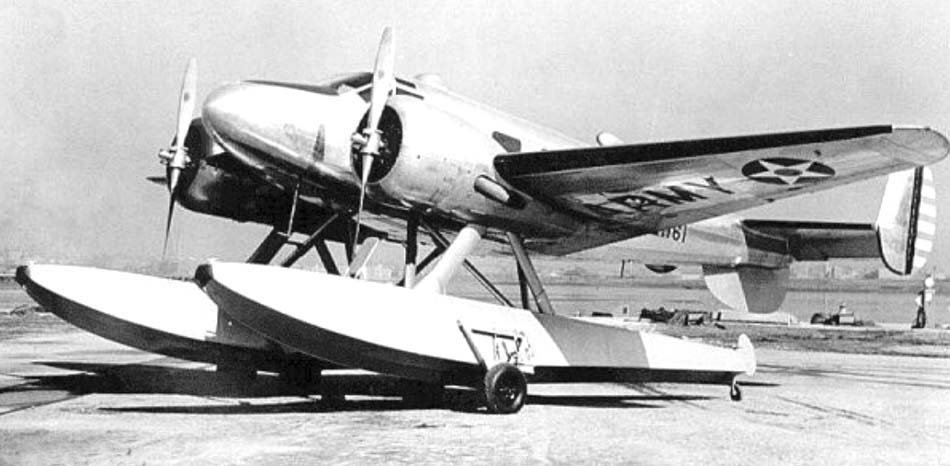 AT-7 Navigator |
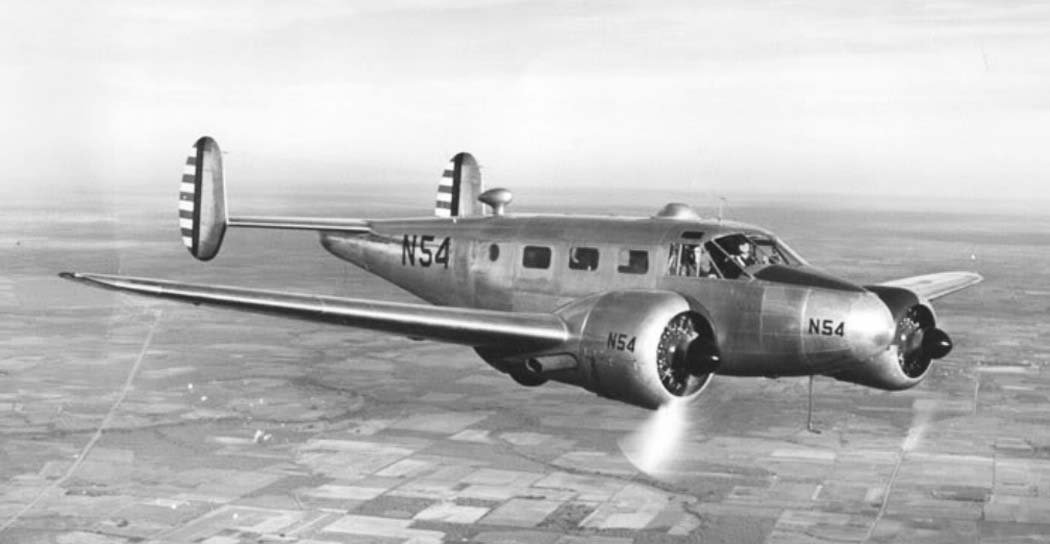 AT-7 Navigator |
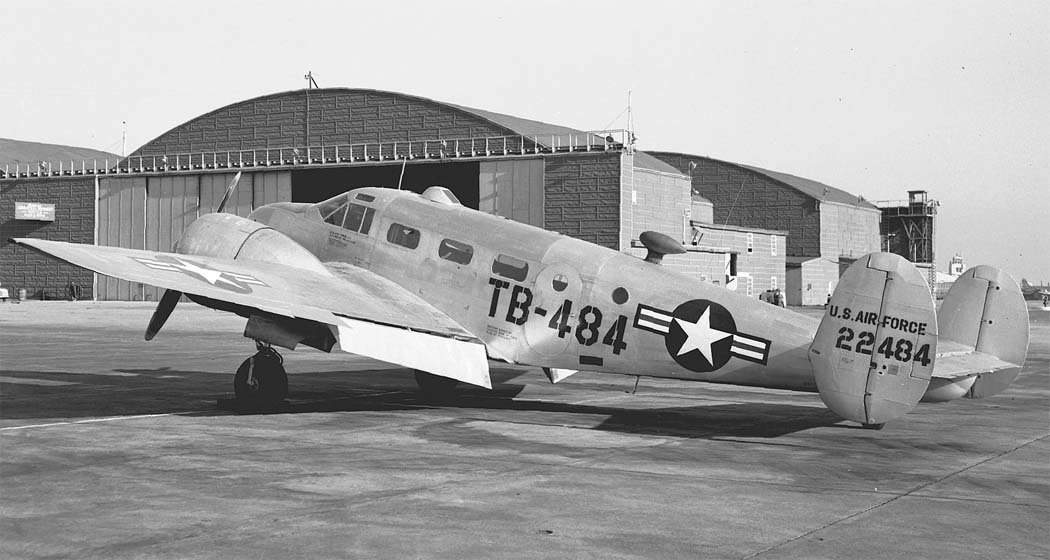 AT-7 Navigator |
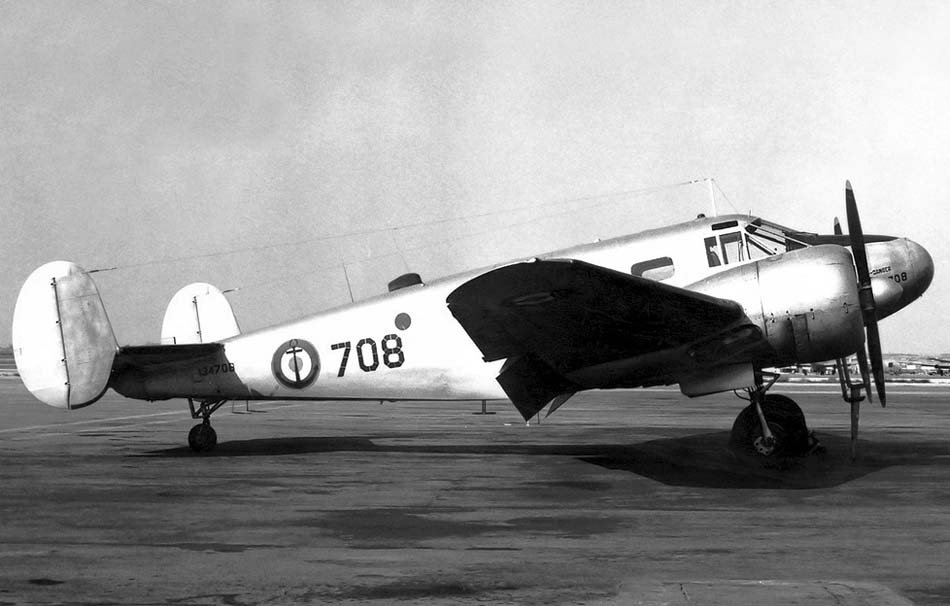 AT-7 Navigator |
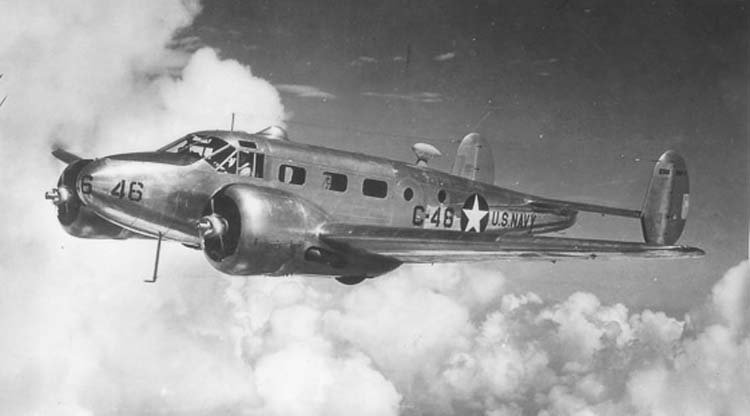 AT-7 Navigator |
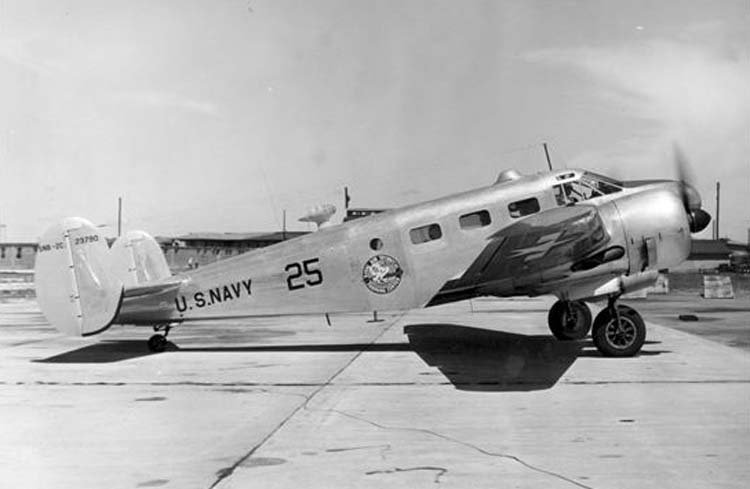 AT-7 Navigator |
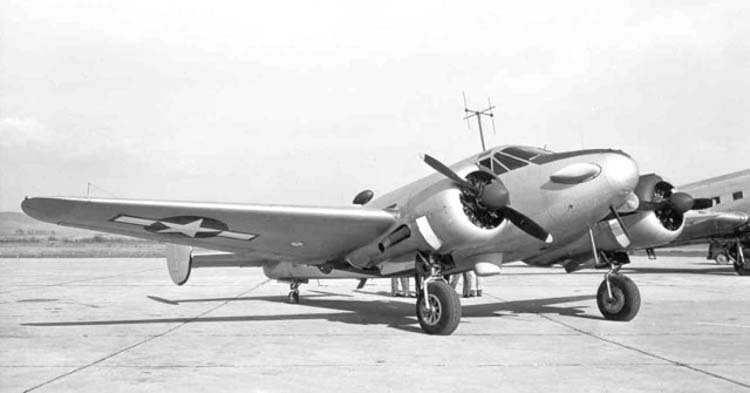 AT-7 Navigator |
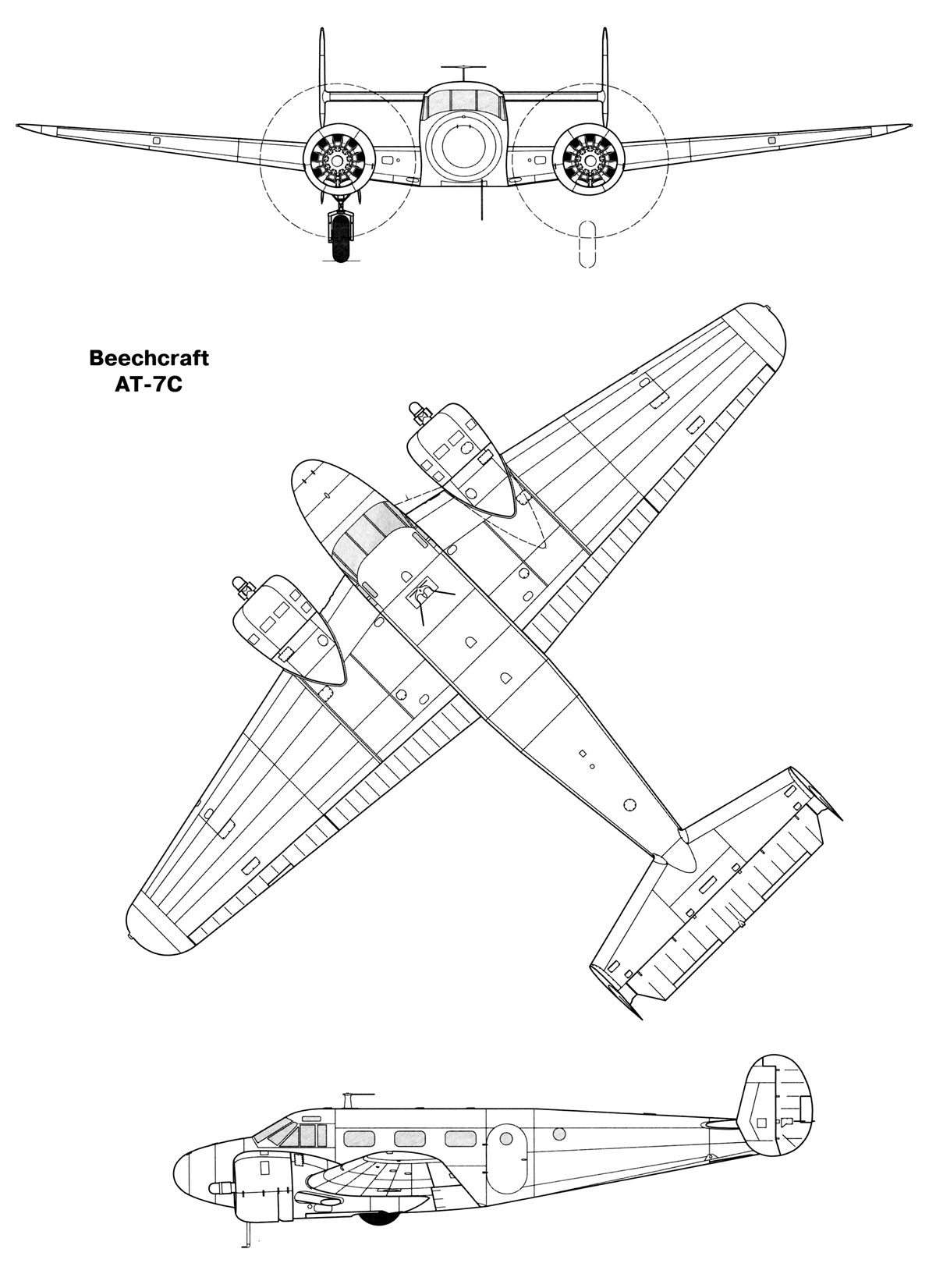 AT-7 Navigator |
ArchivoAéreo Editorial Team
A group of aviation researchers and enthusiasts dedicated to documenting and preserving global aeronautical history. All articles are reviewed to ensure historical accuracy.
Sources & Accuracy
The information presented in this technical sheet has been compiled from declassified flight manuals, historical archives, and specialized literature. While we strive for maximum accuracy, some performance data may vary depending on the specific variant or operational conditions.