Auto-Aviateur
In 1901, French designer and aeronautical enthusiast Firmin Bousson built an unusual flying machine: a small airship with flapping wings. The device was completed but failed to take to the air.
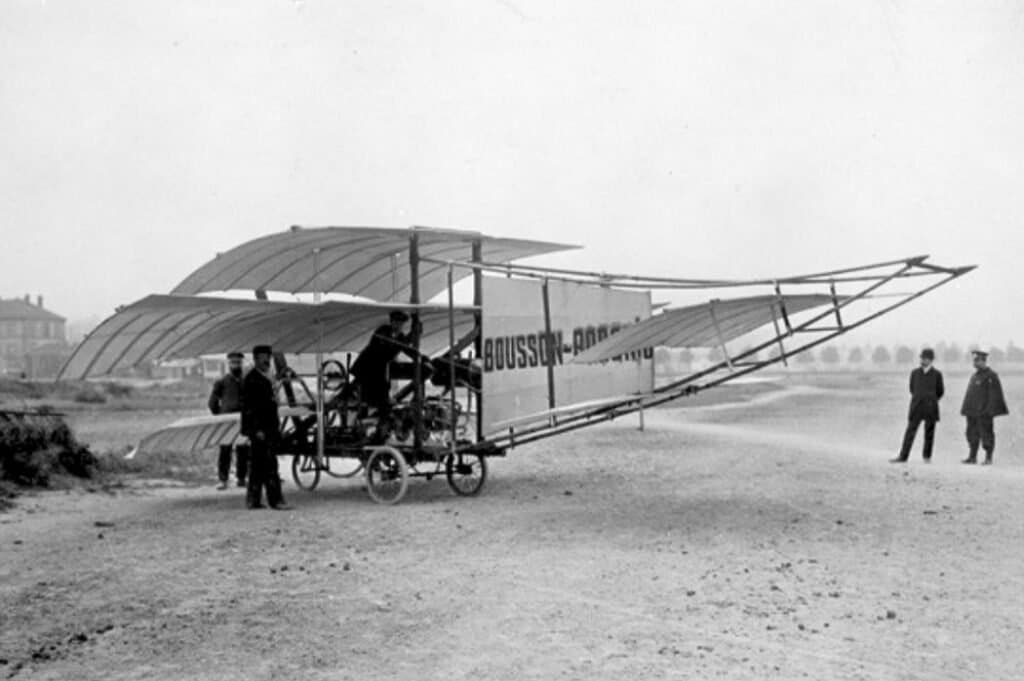
Seven years later, Firmin Bousson, in partnership with brothers Achille and Paul Borgnis, began constructing an airplane named Auto-Aviateur. The Bousson-Borgnis system aircraft was built in a “canard” configuration, but it looked somewhat exotic even for its time.
The Unique Design of the Auto-Aviateur
The main lift was generated by a triplane box, which housed the pilot. A 34-horsepower Buchet engine with a transmission was installed at the bottom to lower the machine’s center of gravity. This required a belt drive to elevate the propeller to the level of its axis, preventing it from touching the ground.
The landing gear was also situated there. A fixed lifting surface and separate elevators were placed on a forward-extended “beak,” effectively making it a “dispersed tetraplane.” Despite its innovative design, this creation by Bousson also failed to take flight.
Bousson’s Later Success
It wasn’t until 1909 that his triplane glider successfully took to the air. This glider remained airborne for an hour, reaching an altitude of approximately 200 meters, marking a significant, albeit separate, achievement for Bousson.
Technical Specifications
| Modification | Auto-Aviateur |
| Engine type | 1 Piston engine Buchet |
| Power, hp | 1 х 34 |
| Crew, crew | 1 |
Image and diagram gallery of the Auto-Aviateur
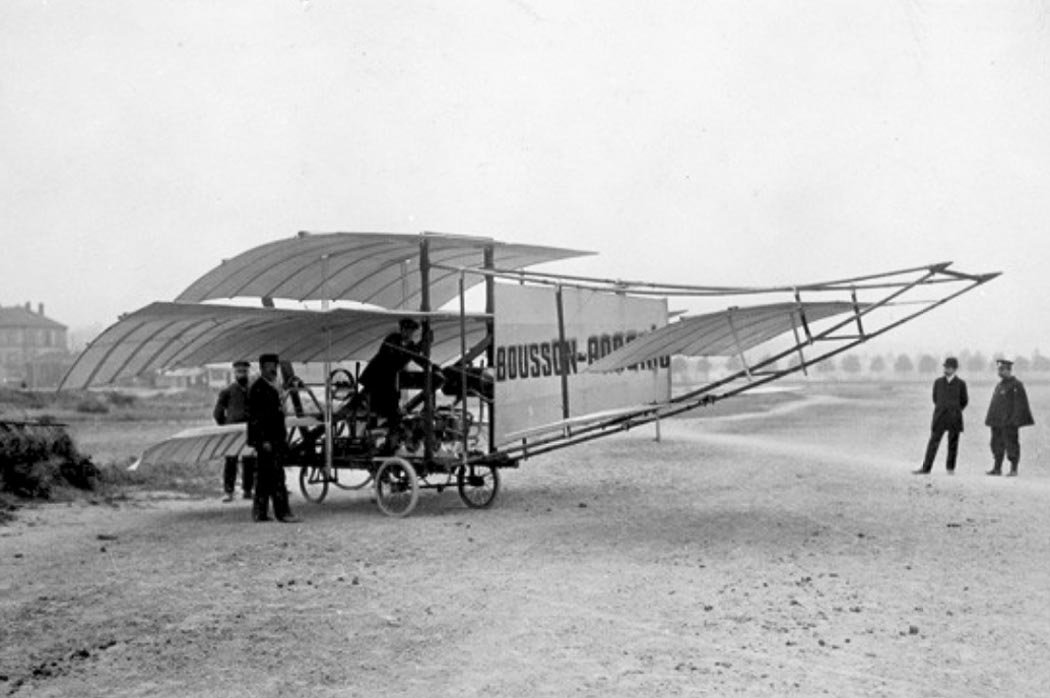 Auto-Aviateur |
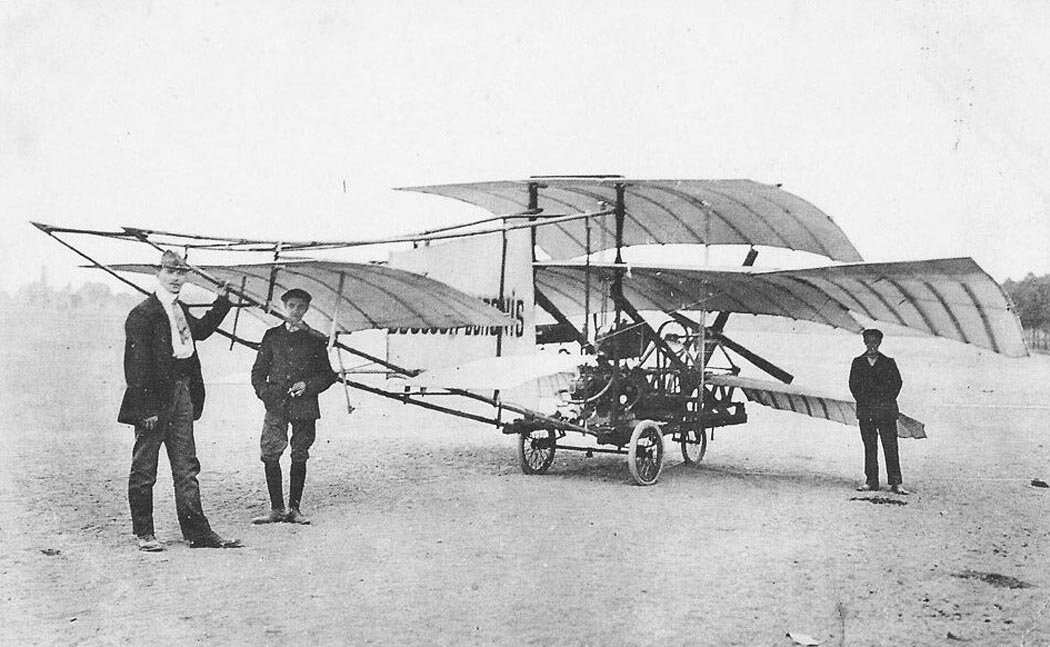 Auto-Aviateur |
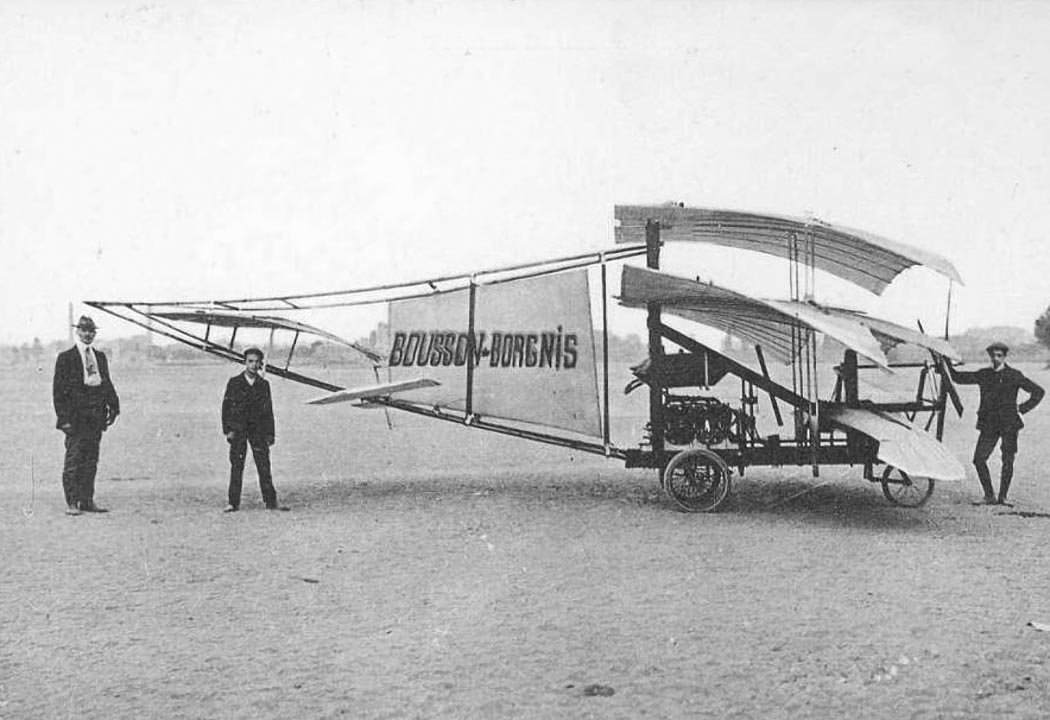 Auto-Aviateur |
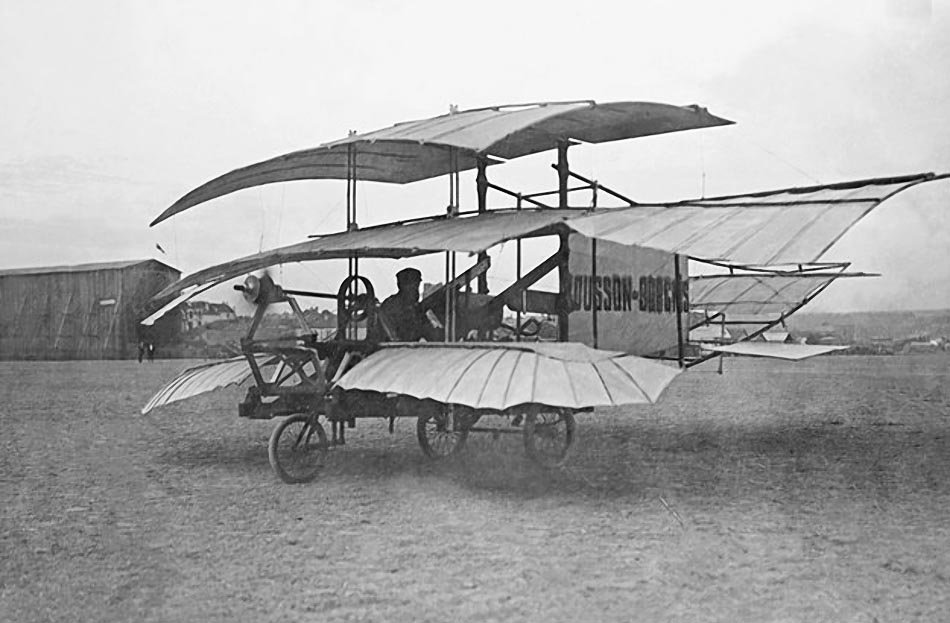 Auto-Aviateur |
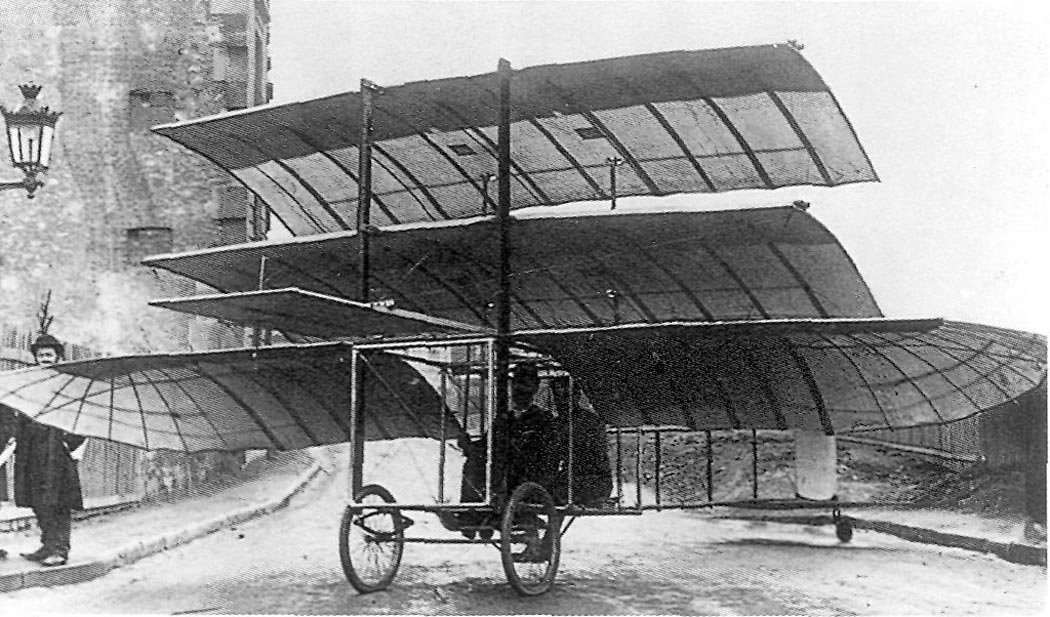 Auto-Aviateur |
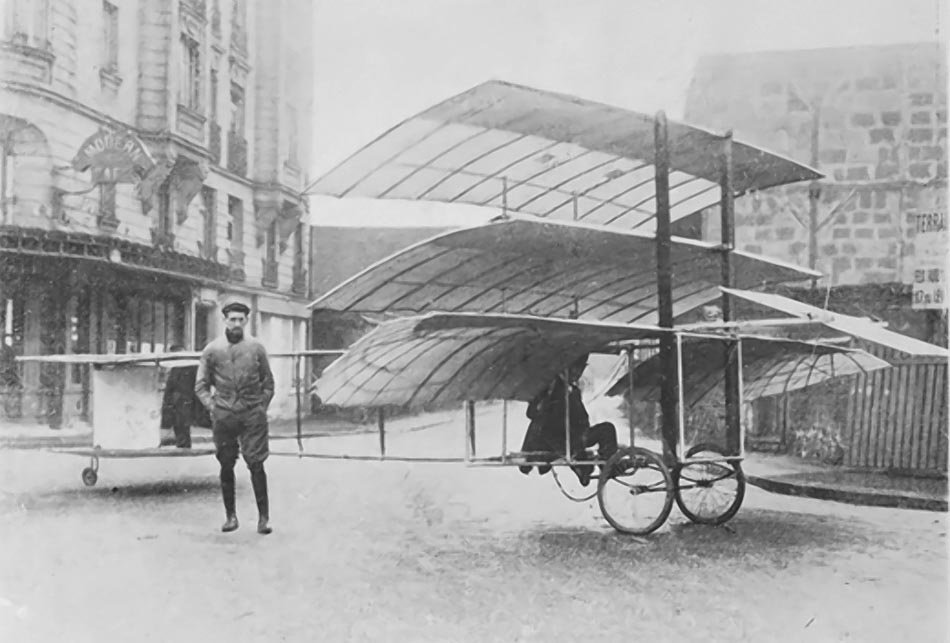 Auto-Aviateur |
ArchivoAéreo Editorial Team
A group of aviation researchers and enthusiasts dedicated to documenting and preserving global aeronautical history. All articles are reviewed to ensure historical accuracy.
Sources & Accuracy
The information presented in this technical sheet has been compiled from declassified flight manuals, historical archives, and specialized literature. While we strive for maximum accuracy, some performance data may vary depending on the specific variant or operational conditions.