Avia BH-16
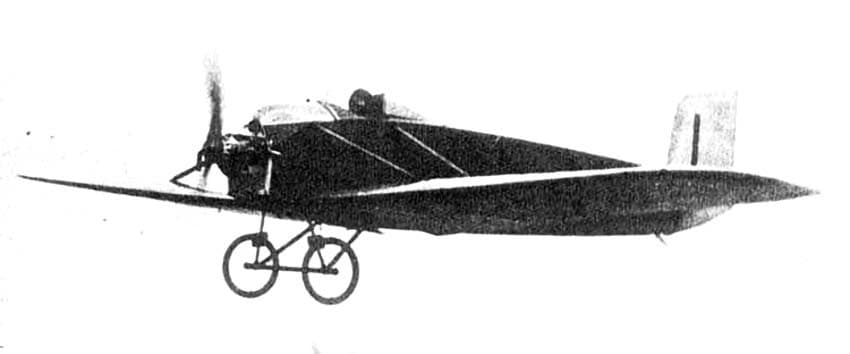
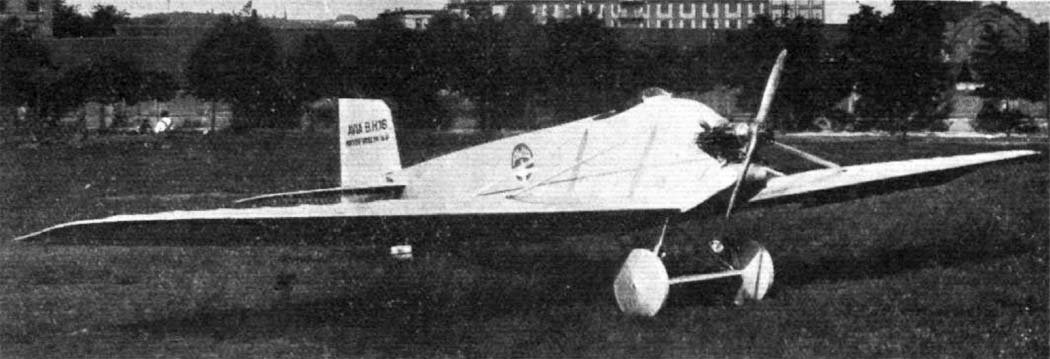
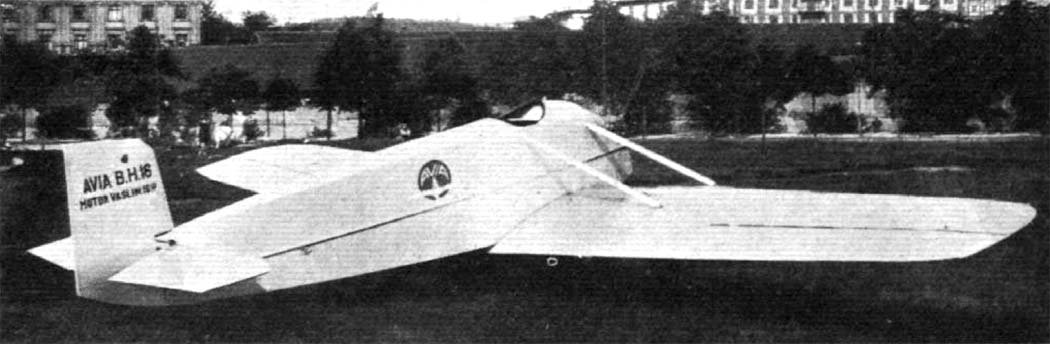
In 1924, Avia released the BH-16, a light single-seat sport aircraft designed by Pavel Beneš and Miroslav Hajn. This model represented a significant development in Czechoslovakian sport aviation of its era.
Design and Initial Prototypes
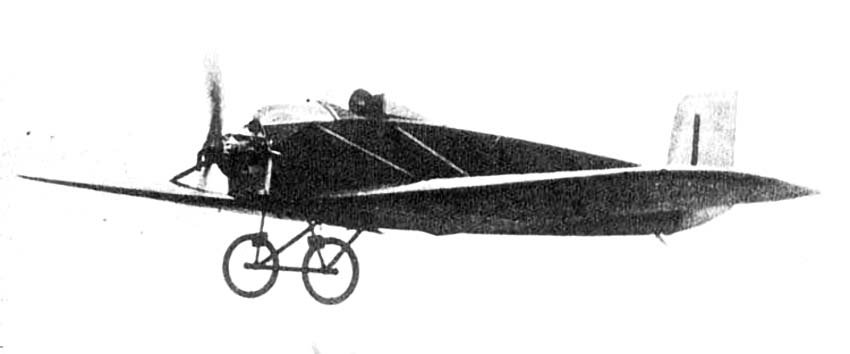
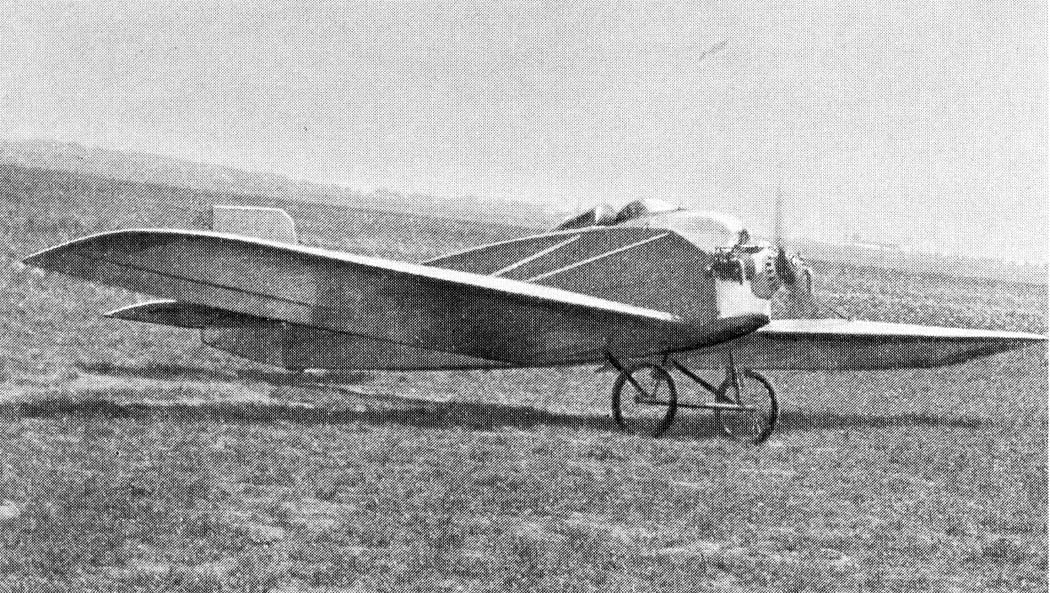
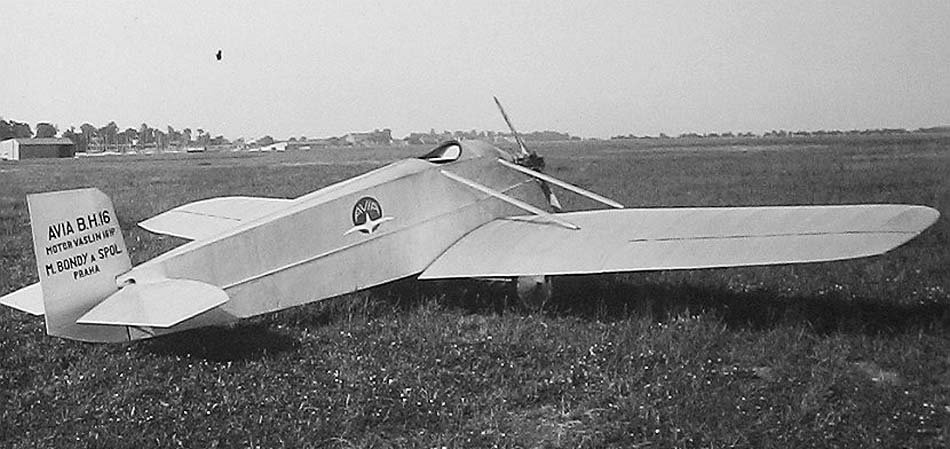
Only two examples of the BH-16 were built, primarily differing in their power plants. The first prototype was equipped with a French Vaslin engine of 20 hp (15 kW), while the second featured a Blackburne Tomtit engine of 16 hp (12 kW).
First Flight and Registrations
The first Avia BH-16 took to the air on June 8, 1924. Subsequently, this aircraft received the civil registration number L-BONC, and the second aircraft was registered as L-BOND. These registrations highlighted their civilian and sporting use.
In 1932, the engine of the first BH-16 was replaced with an Orion LL-30 of 30 hp (22 kW). Following this upgrade, the aircraft was re-registered as OK-AVS, extending its operational life and performance capabilities.
Technical Specifications
| Modification | BH-16 |
| Wingspan, m | 9.50 |
| Length, m | 5.13 |
| Wing area, m2 | 10.60 |
| Empty weight | 13 0 |
| Maximum takeoff weight | 238 |
| Engine type | 1 Piston engine Vaslin |
| Power, hp | 1 x 20 |
| Maximum speed, km/h | 116 |
| Cruising speed, km/h | 95 |
| Practical range, km | 500 |
| Rate of climb, m/min | 60 |
| Service ceiling, m | 2000 |
| Crew, crew | 1 |
Image and diagram gallery of the Avia BH-16
 BH- |
 BH- |
 BH- |
 BH- |
 BH- |
ArchivoAéreo Editorial Team
A group of aviation researchers and enthusiasts dedicated to documenting and preserving global aeronautical history. All articles are reviewed to ensure historical accuracy.
Sources & Accuracy
The information presented in this technical sheet has been compiled from declassified flight manuals, historical archives, and specialized literature. While we strive for maximum accuracy, some performance data may vary depending on the specific variant or operational conditions.