Avia BH-17
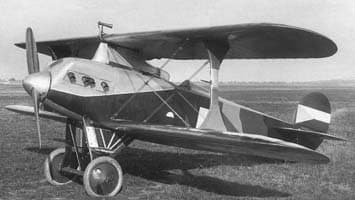
Development and Initial Characteristics
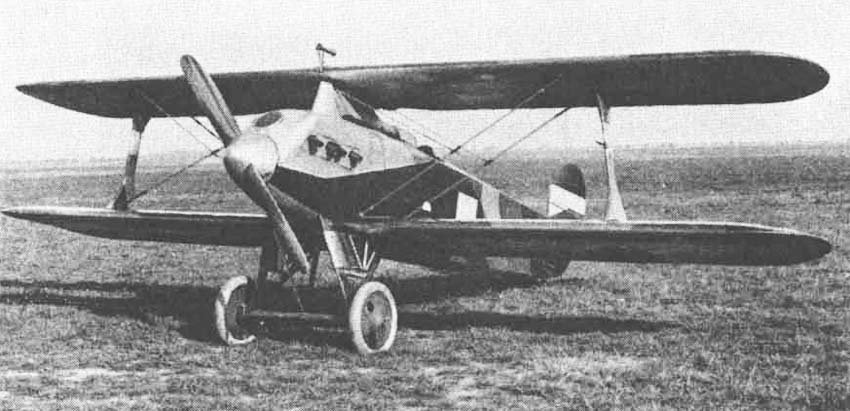
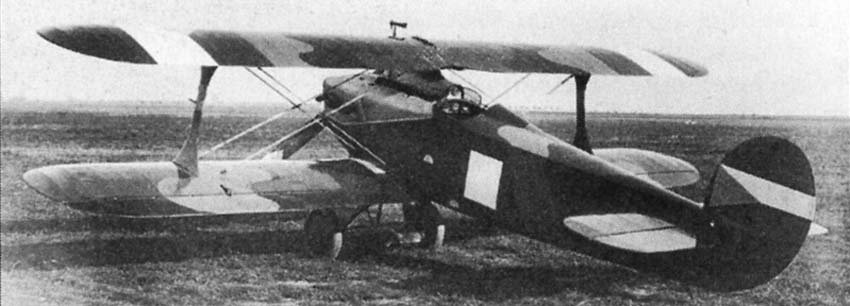
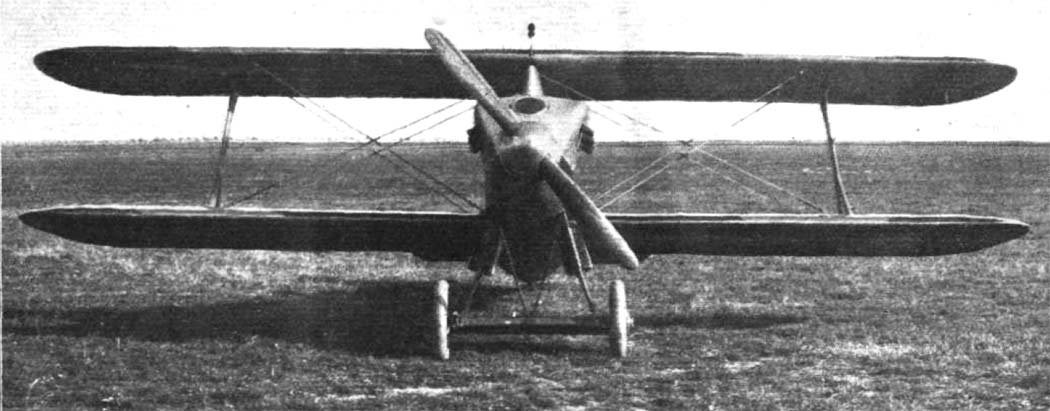
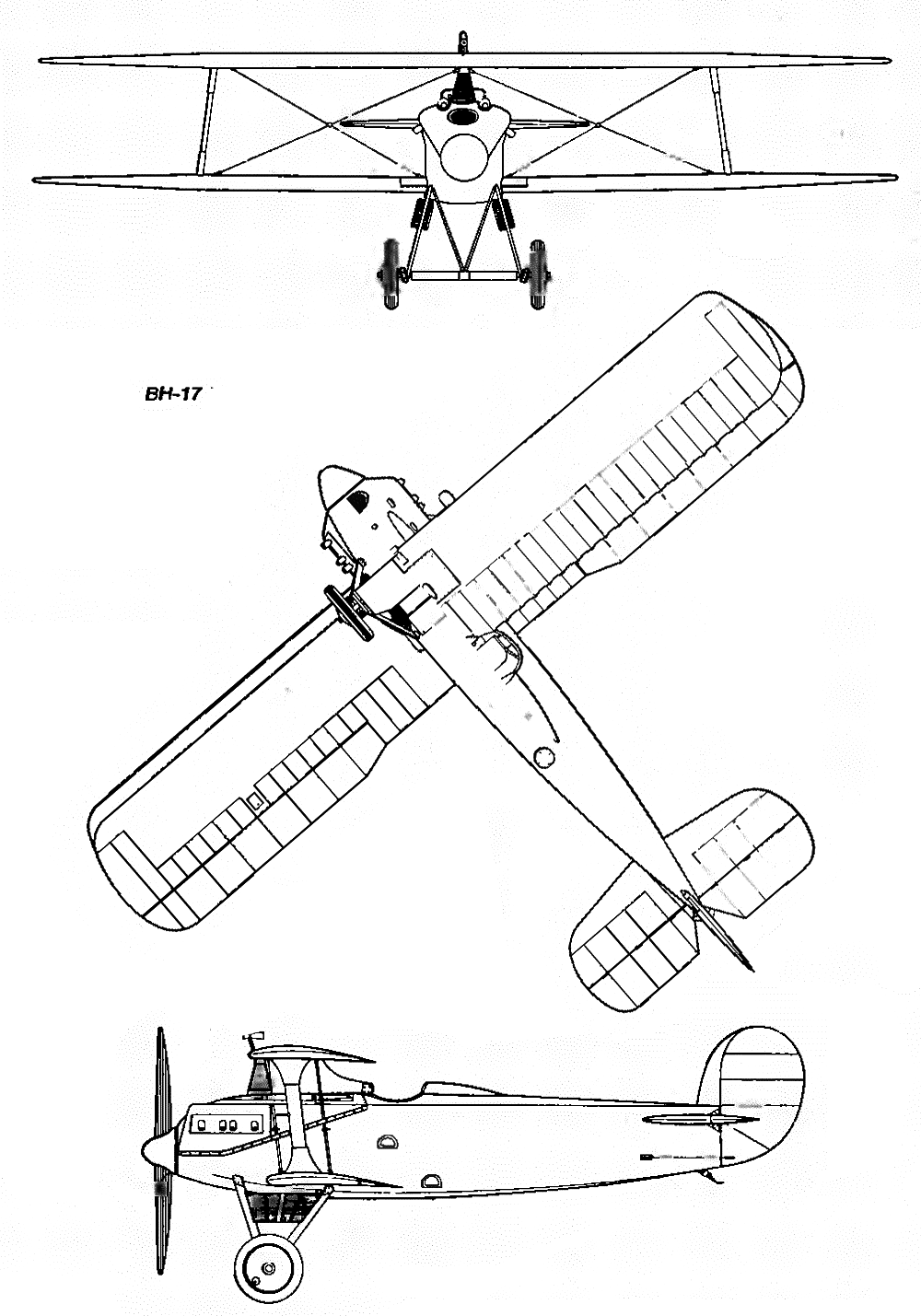
The BH-17 was a fighter aircraft developed by the Czechoslovak firm Avia. This aircraft was designed based on the BH-8 fighter by engineers Pavel Beneš and Miroslav Hain. The first prototype, equipped with a 310 hp Hispano-Suiza 8Fb engine, took its maiden flight in 1924.
Armament and Production
The BH-17 was armed with two 7.7-mm Vickers machine guns, mounted above the engine. Following the successful completion of military trials, a small series of 24 aircraft was ordered. The first BH-17 entered fighter squadrons in 1924.
Performance and Withdrawal
The BH-17 was lighter than the BH-8 and featured a smaller wingspan. Although it offered significantly better maneuverability than its predecessors, it proved to be temperamental and unreliable in operation, leading to its swift withdrawal from Air Force service.
Technical Specifications
| Modification | BH-17 |
| Wingspan, m | 8.86 |
| Length, m | 6.86 |
| Height, m | 2.80 |
| Wing area, m2 | 21.30 |
| Empty weight | 762 |
| Normal takeoff weight | 1072 |
| Engine type | 1 Piston engine Hispano-Suiza 8Fb |
| Power, hp | 1 x 310 |
| Maximum speed, km/h | 235 |
| Cruising speed, km/h | 206 |
| Practical range, km | 500 |
| Rate of climb, m/min | 358 |
| Practical ceiling, m | 8000 |
| Crew | 1 |
| Armament | 2 forward 7.7-mm machine guns |
Image and diagram gallery of the Avia BH-17
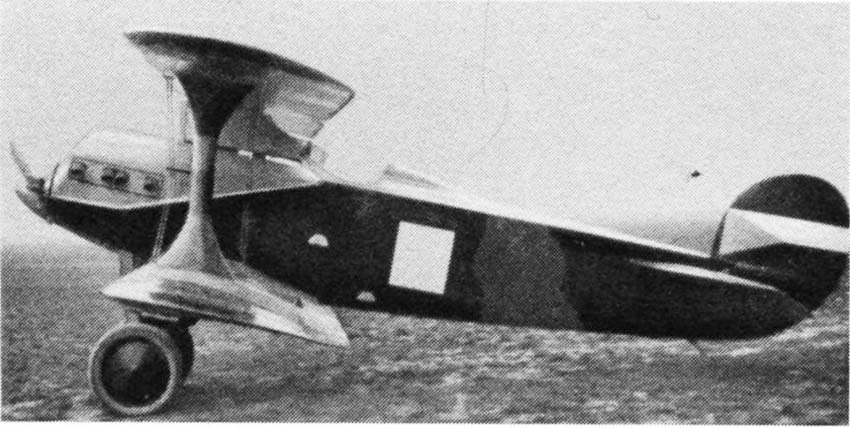 BH-17 |
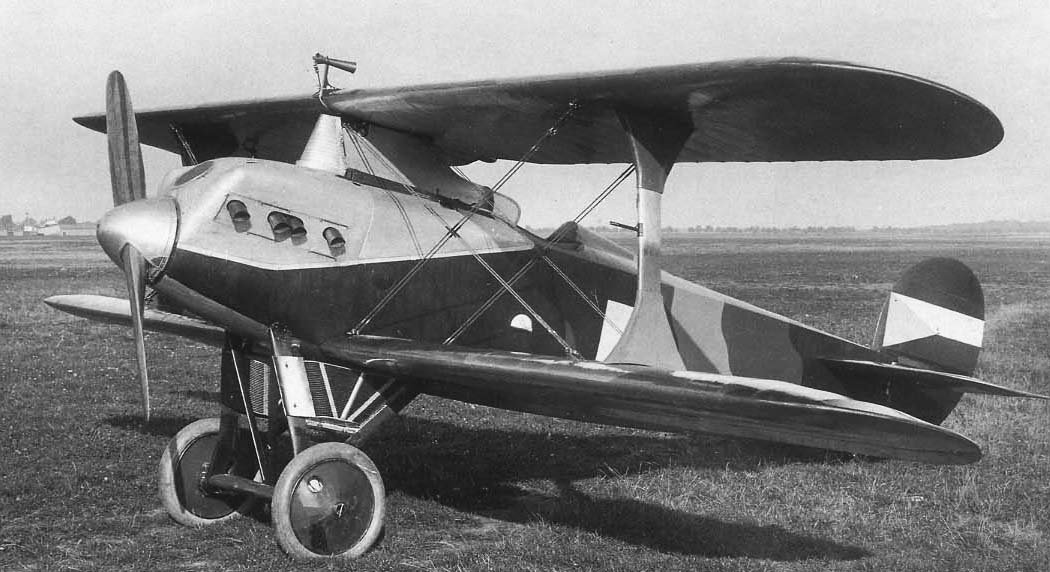 BH-17 |
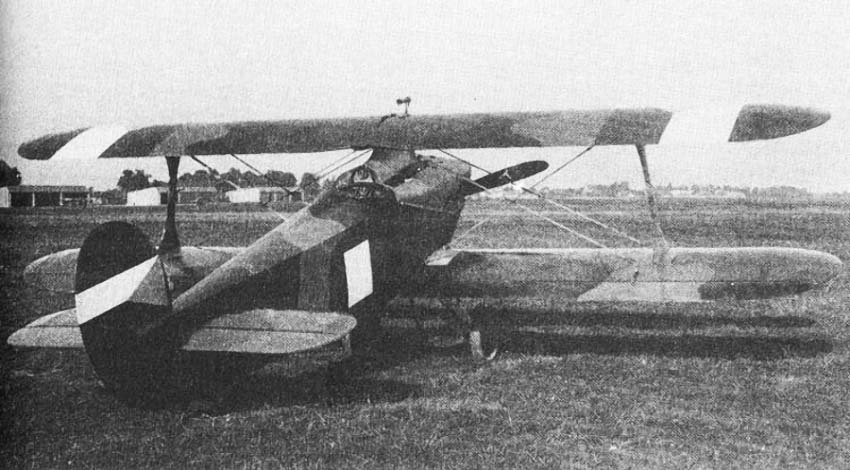 BH-17 |
 BH-17 |
 BH-17 |
 BH-17 |
 BH-17 |
ArchivoAéreo Editorial Team
A group of aviation researchers and enthusiasts dedicated to documenting and preserving global aeronautical history. All articles are reviewed to ensure historical accuracy.
Sources & Accuracy
The information presented in this technical sheet has been compiled from declassified flight manuals, historical archives, and specialized literature. While we strive for maximum accuracy, some performance data may vary depending on the specific variant or operational conditions.