Avia BH-22
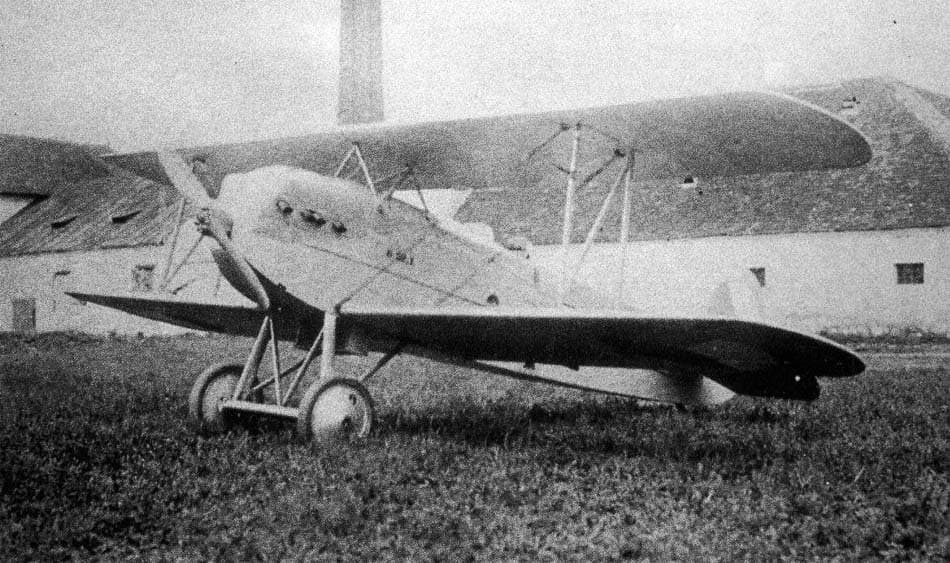
Following the adoption of the BH-21 fighters, the Czechoslovak Air Force commissioned Avia to develop a two-seat training variant for pilot instruction. In 1925, designers Pavel Beneš and Miroslav Hain created the aircraft, designated BH-22.
Design and Characteristics
It differed from the BH-21 by the absence of armament, the inclusion of a second cockpit for the flight instructor, and a less powerful Hispano Suiza Aa engine (180 hp). The wing area on the BH-22 was reduced, while structural strength was increased.
Versatility and Civil Use
The aircraft’s excellent flight characteristics also attracted civil customers. After extensive operation of the BH-22 aircraft in flight schools, several units were sold to aeroclubs, where they were used for aerobatics.
Technical Specifications
| Modification | BH-22 |
| Wingspan, m | 8.90 |
| Length, m | 6.87 |
| Height, m | 2.74 |
| Wing area, m2 | 21.96 |
| Empty weight | 675 |
| Normal takeoff weight | 860 |
| Engine type | 1 Piston engine Skoda (Hispano Suiza) 8Aa |
| Power, hp | 1 x 180 |
| Maximum speed, km/h | 215 |
| Cruising speed, km/h | 181 |
| Practical range, km | 600 |
| Practical ceiling, m | 6200 |
| Crew | 2 |
Image and diagram gallery of the Avia BH-22
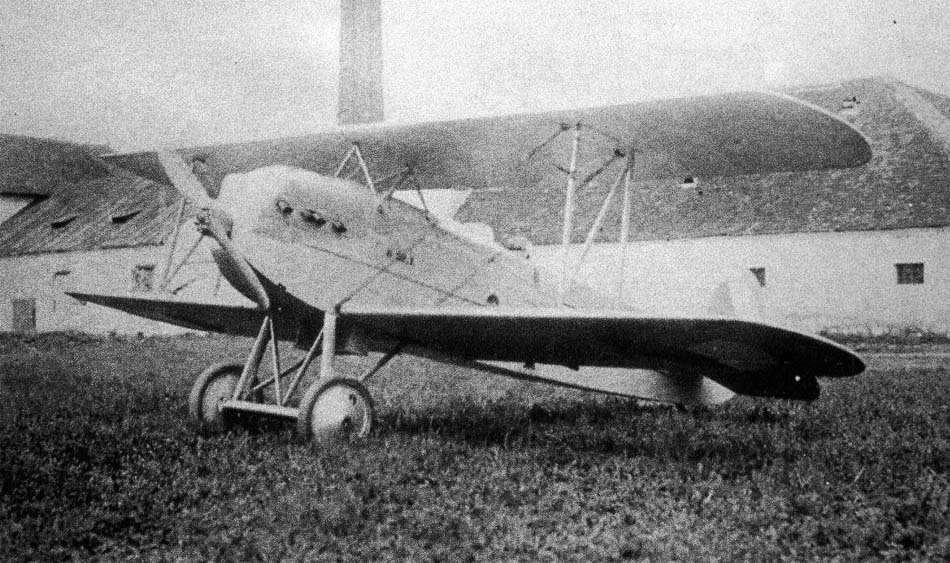 BH-22 |
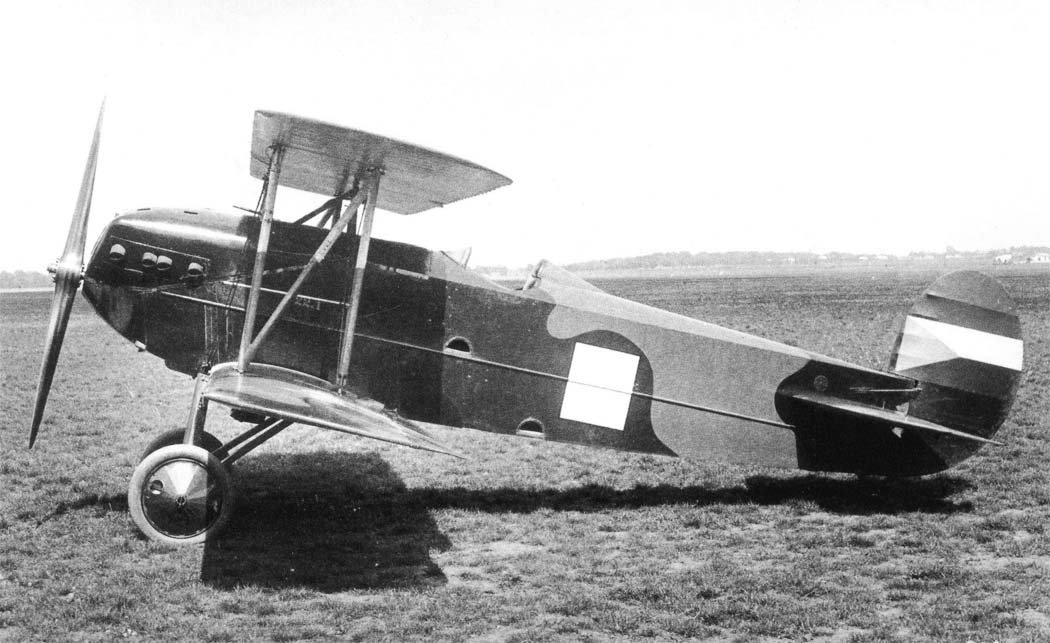 BH-22 |
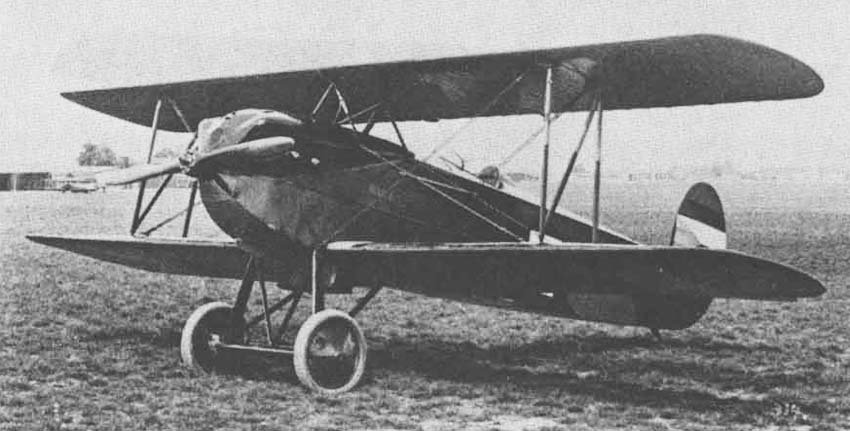 BH-22 |
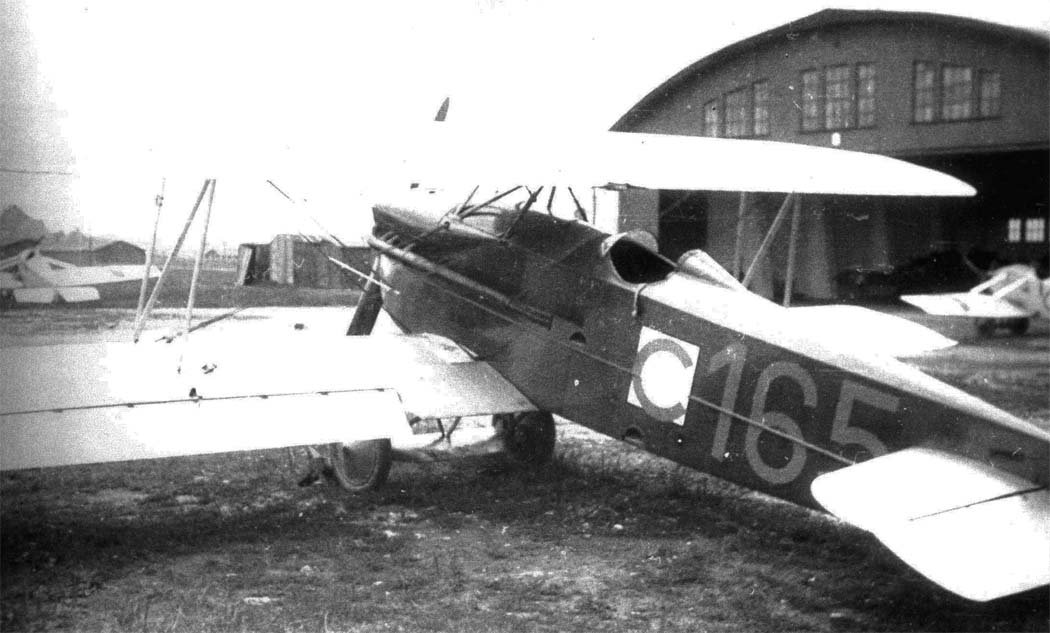 BH-22 |
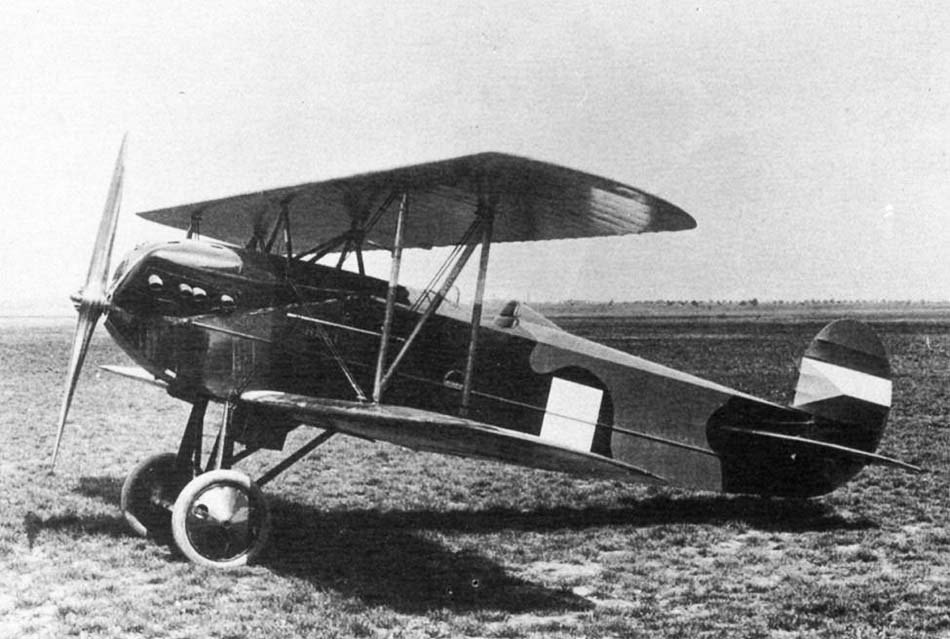 BH-22 |
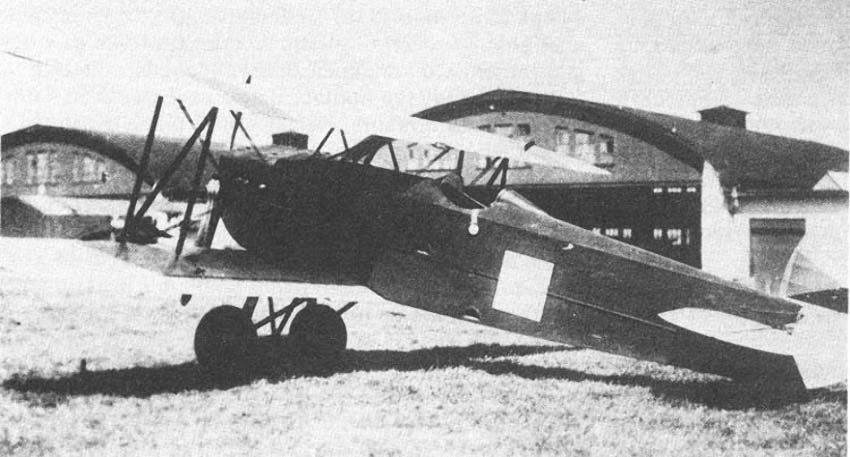 BH-22 |
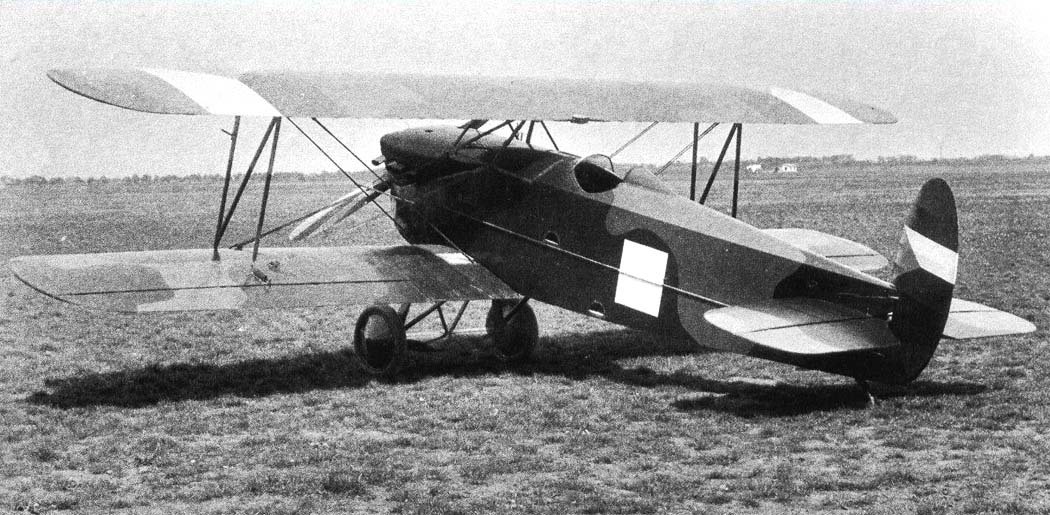 BH-22 |
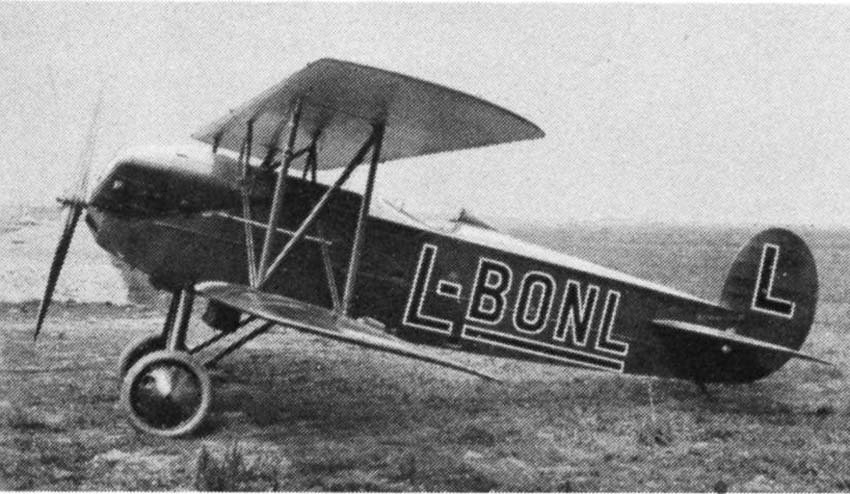 BH-22 |
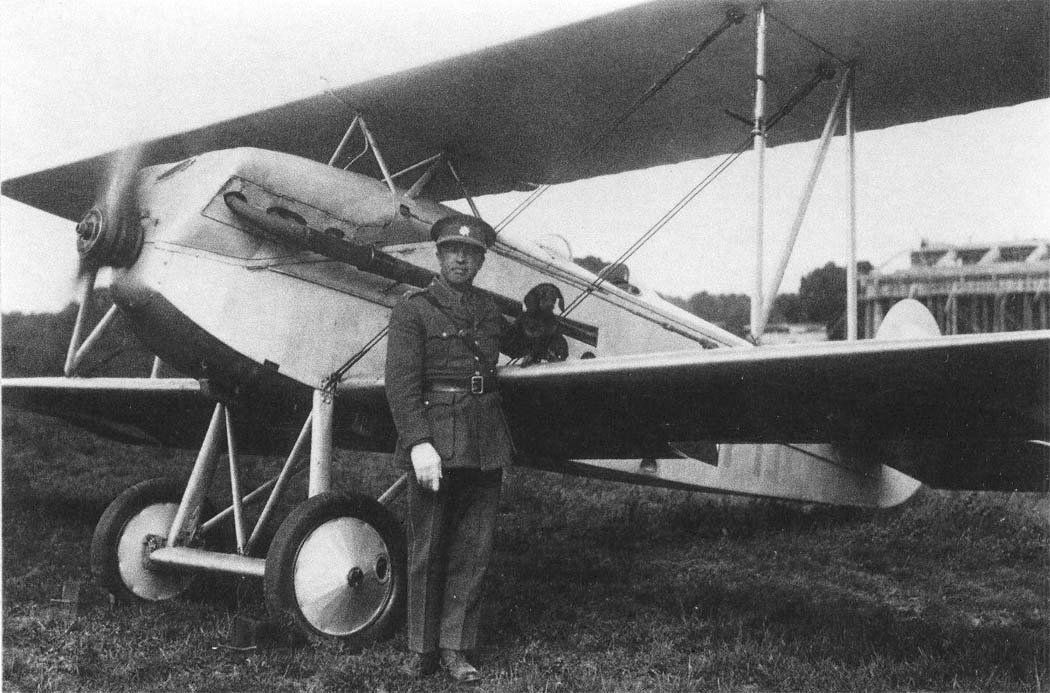 BH-22 |
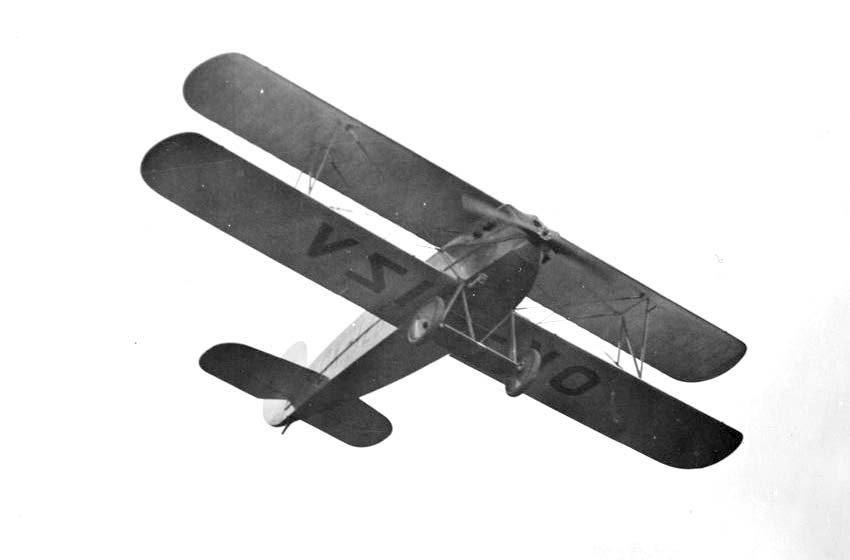 BH-22 |
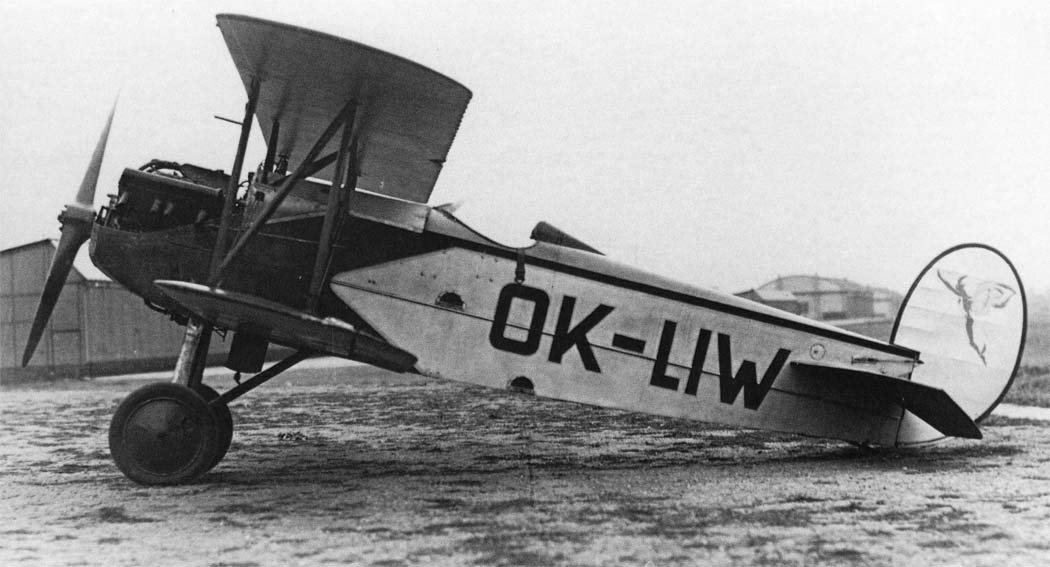 BH-22 |
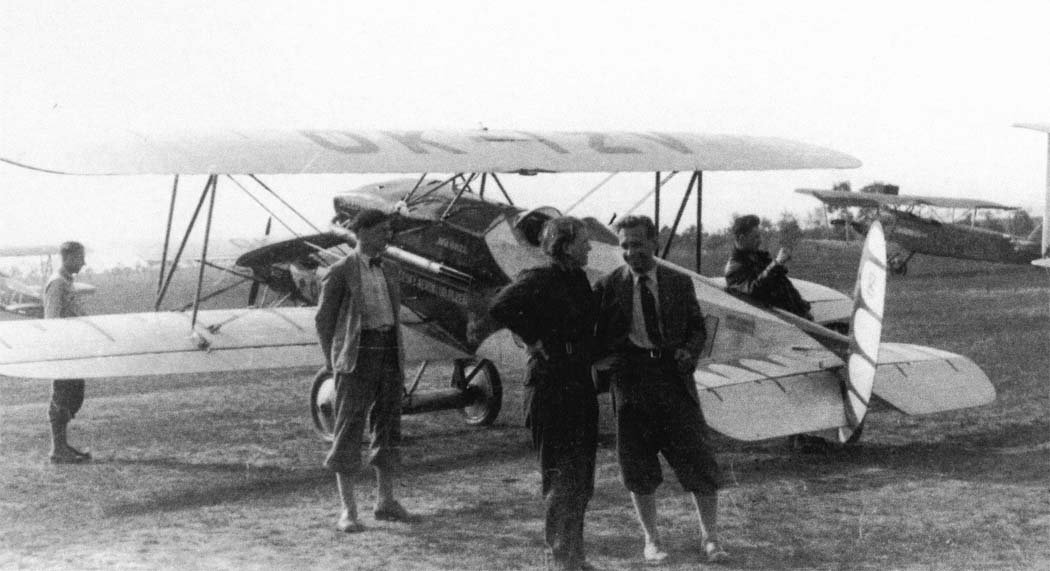 BH-22 |
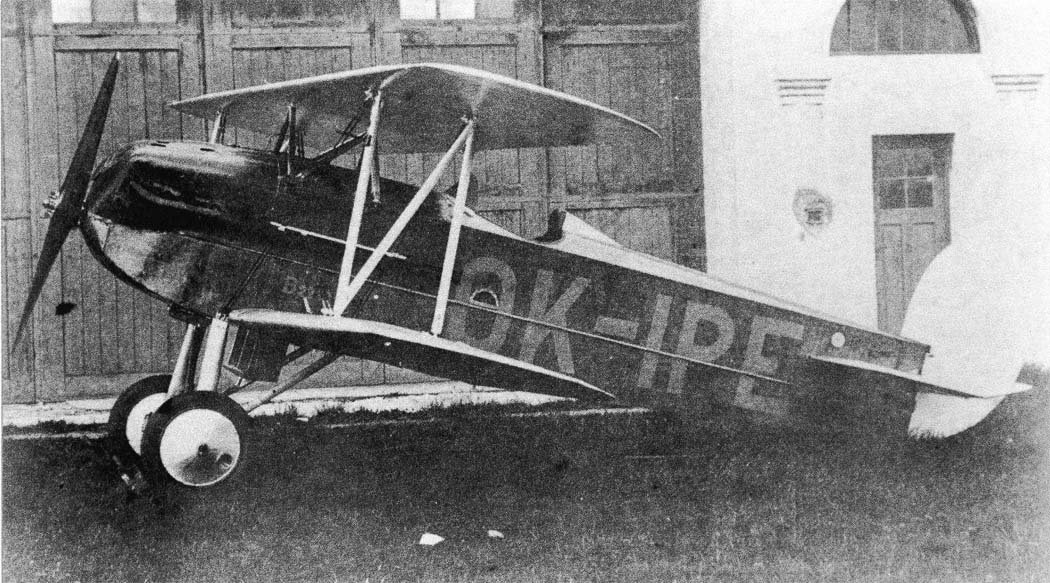 BH-22 |
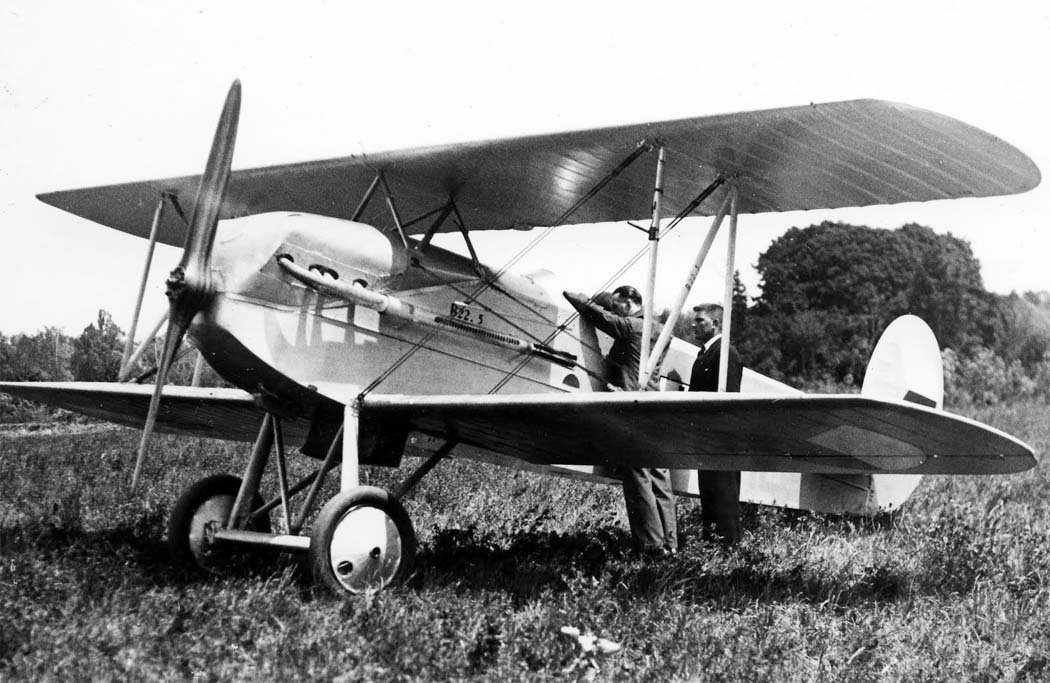 BH-22 |
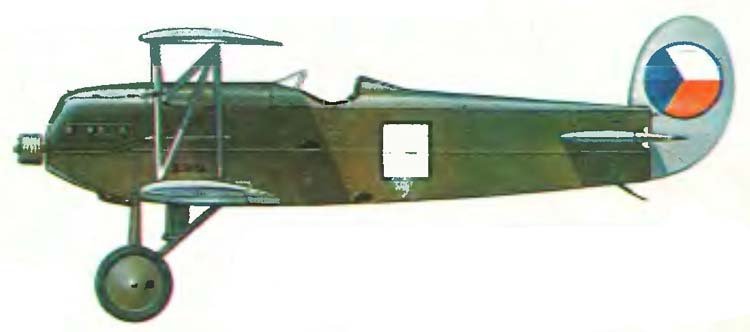 BH-22 |
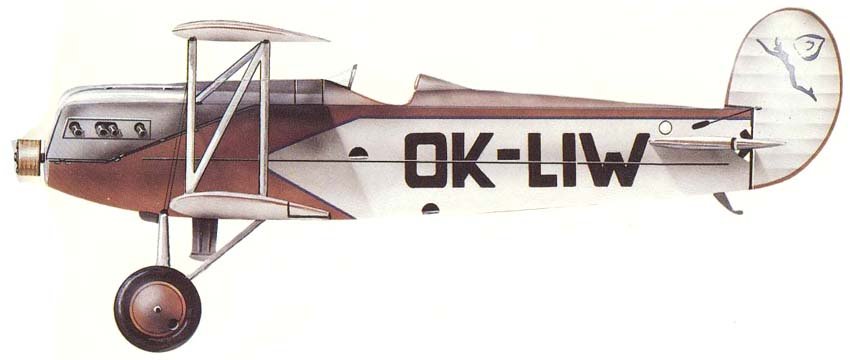 BH-22 |
ArchivoAéreo Editorial Team
A group of aviation researchers and enthusiasts dedicated to documenting and preserving global aeronautical history. All articles are reviewed to ensure historical accuracy.
Sources & Accuracy
The information presented in this technical sheet has been compiled from declassified flight manuals, historical archives, and specialized literature. While we strive for maximum accuracy, some performance data may vary depending on the specific variant or operational conditions.