Avia BH.25
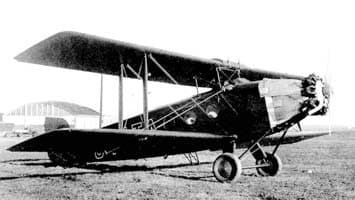
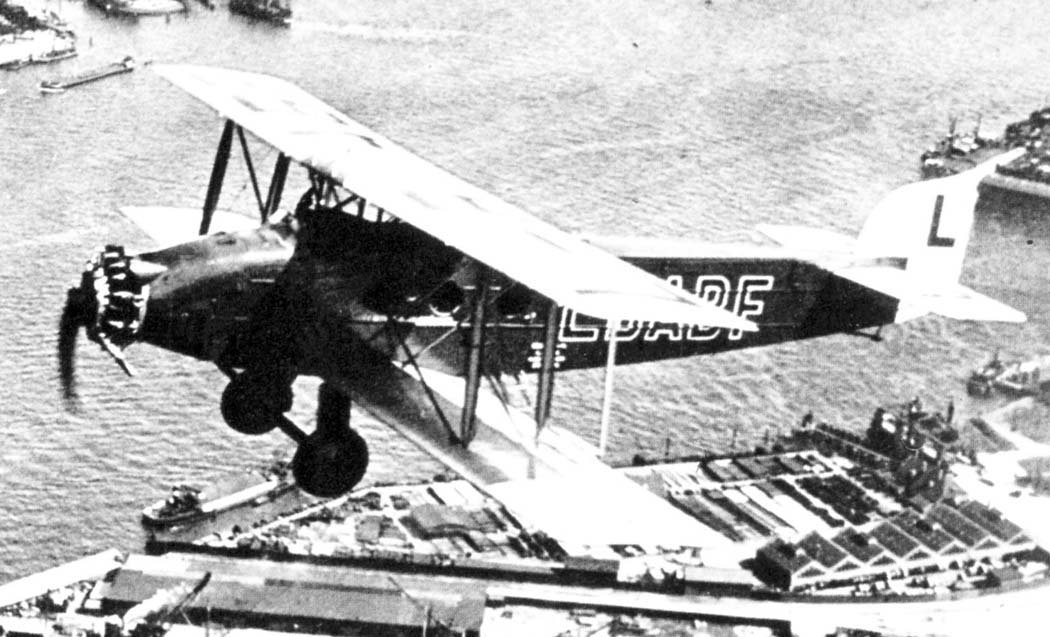
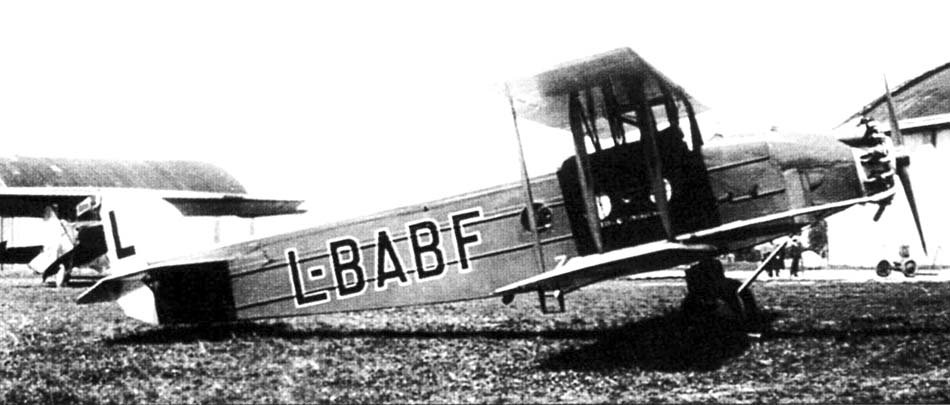
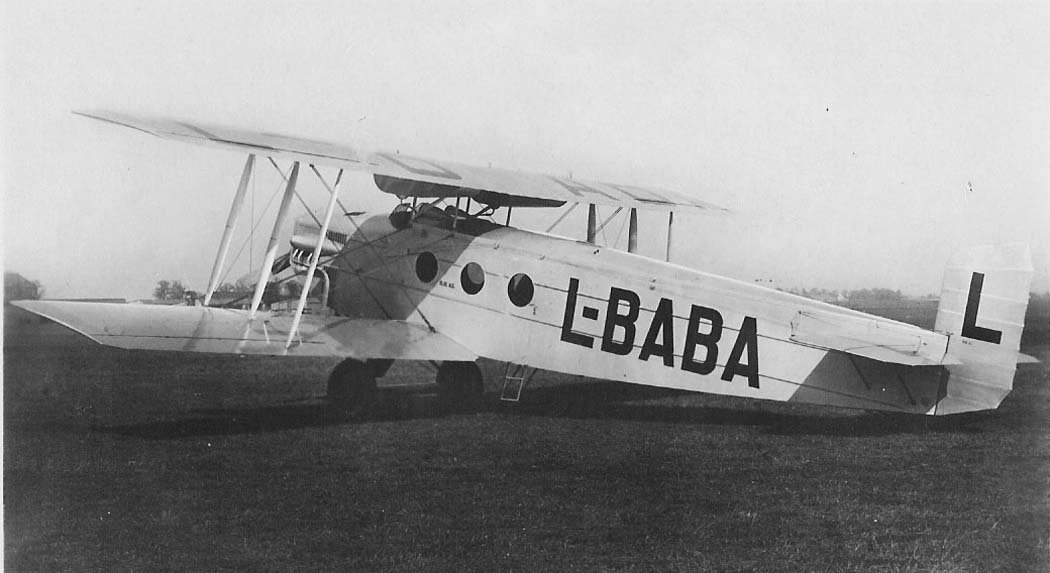
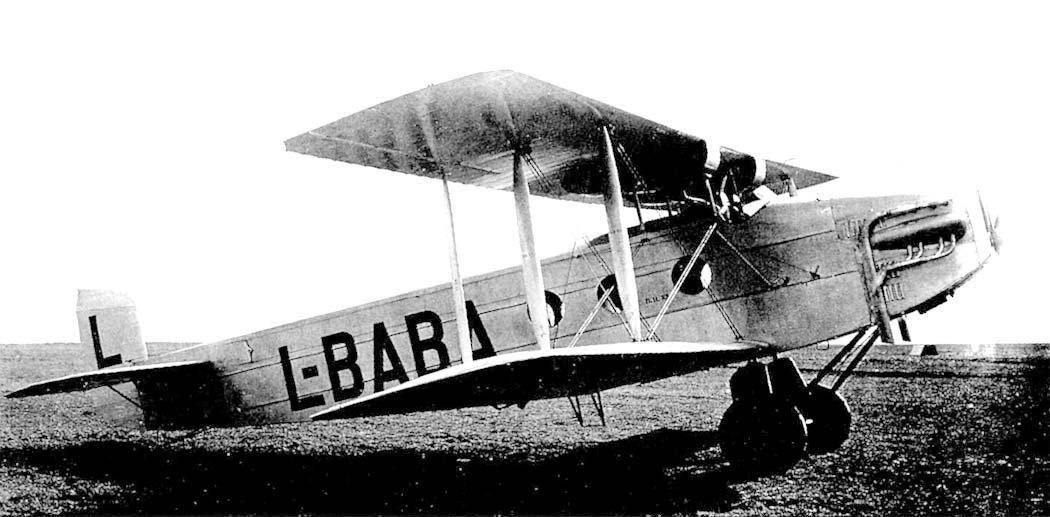
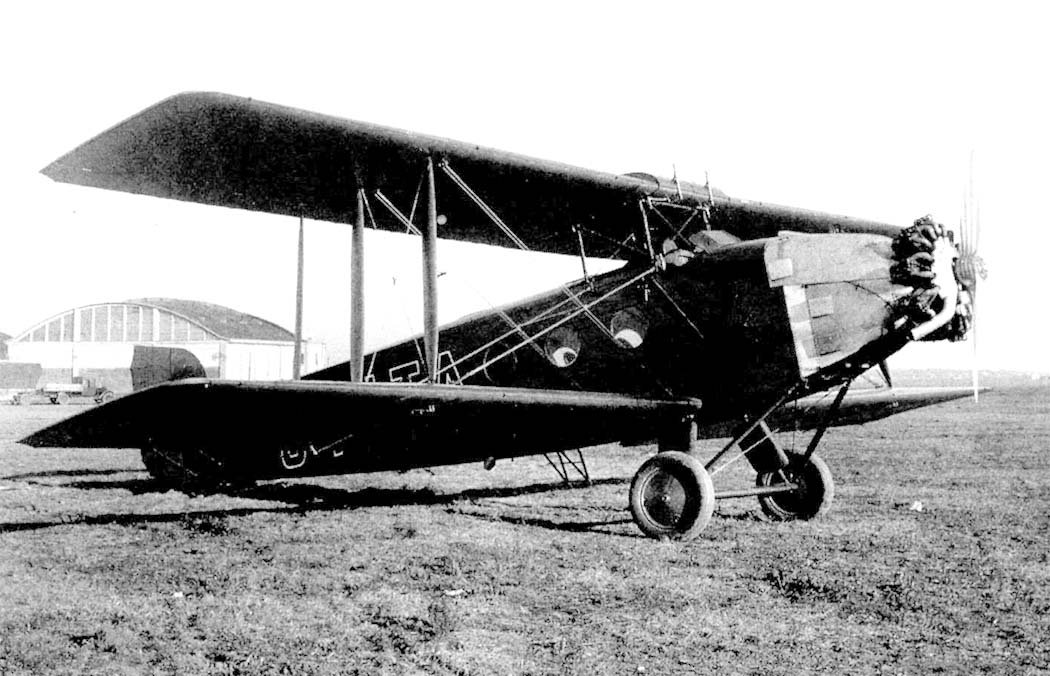
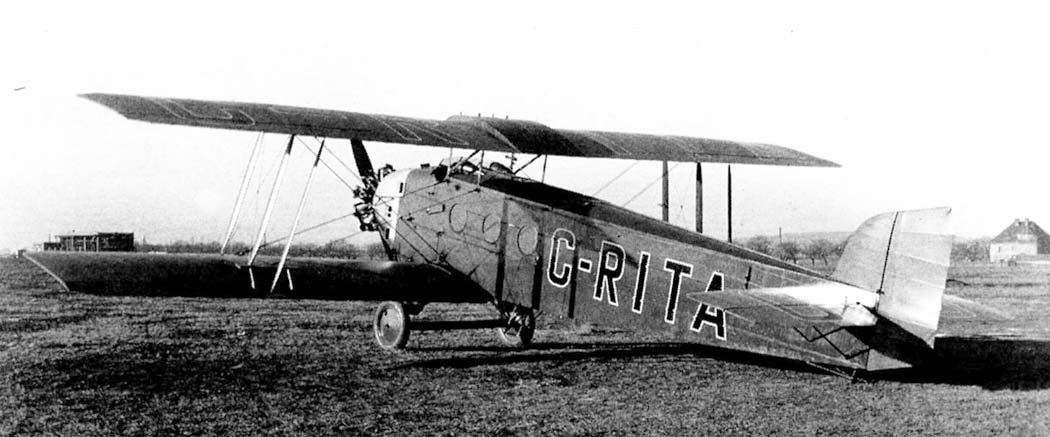
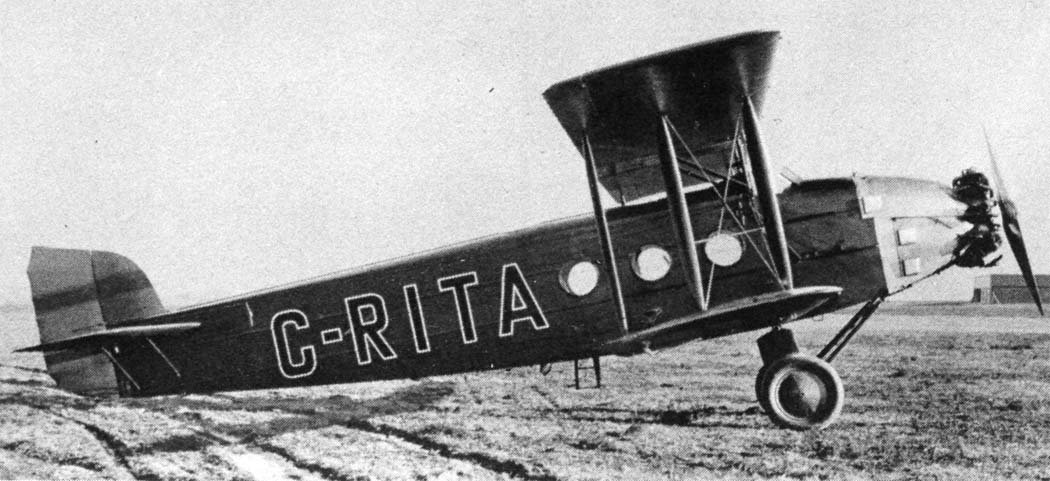
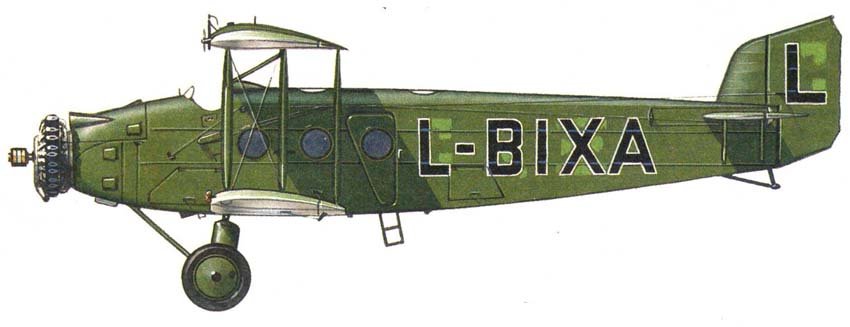
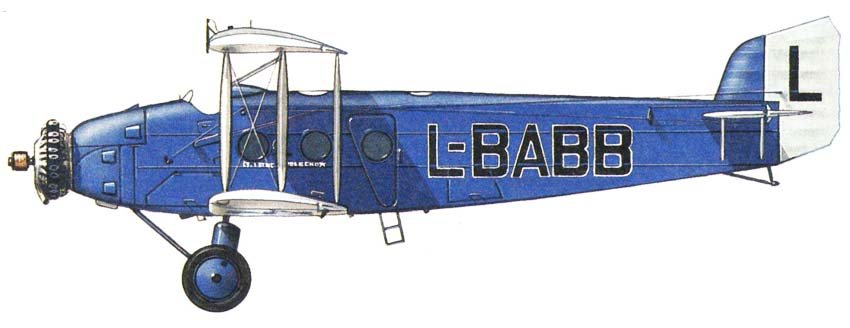
The Avia BH.25 was a typical representative of passenger aircraft from aviation’s “golden age.” Its design commenced in 1925, and by the summer of 1926, the first prototype of the machine, designated BH.25, entered testing.
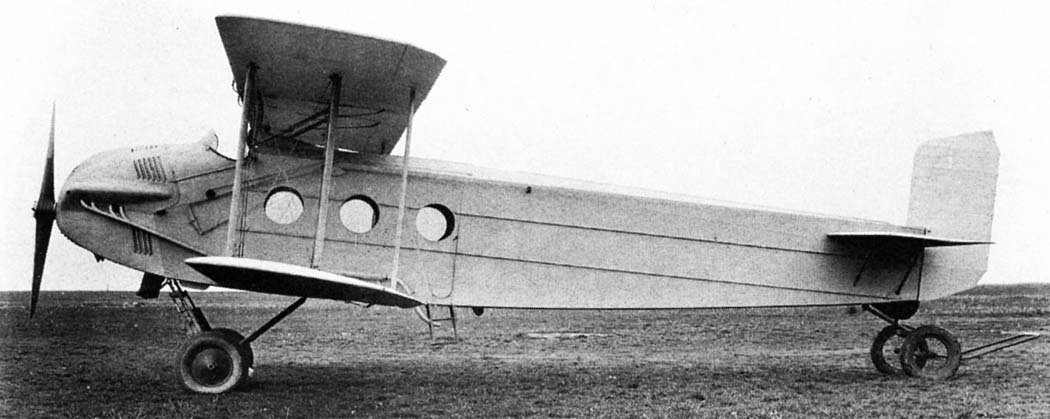
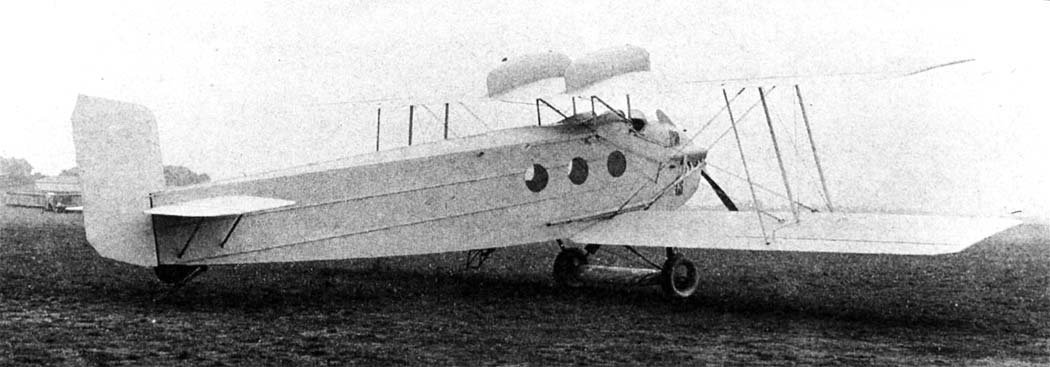
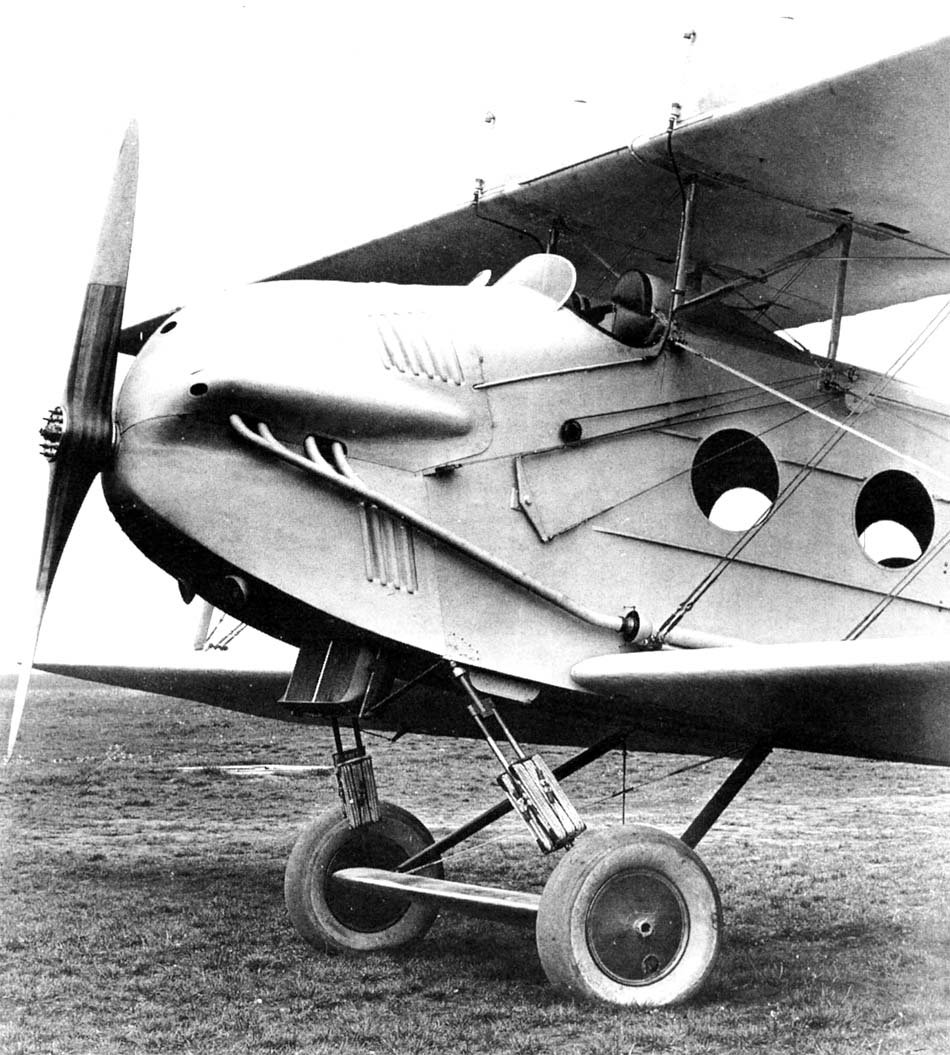
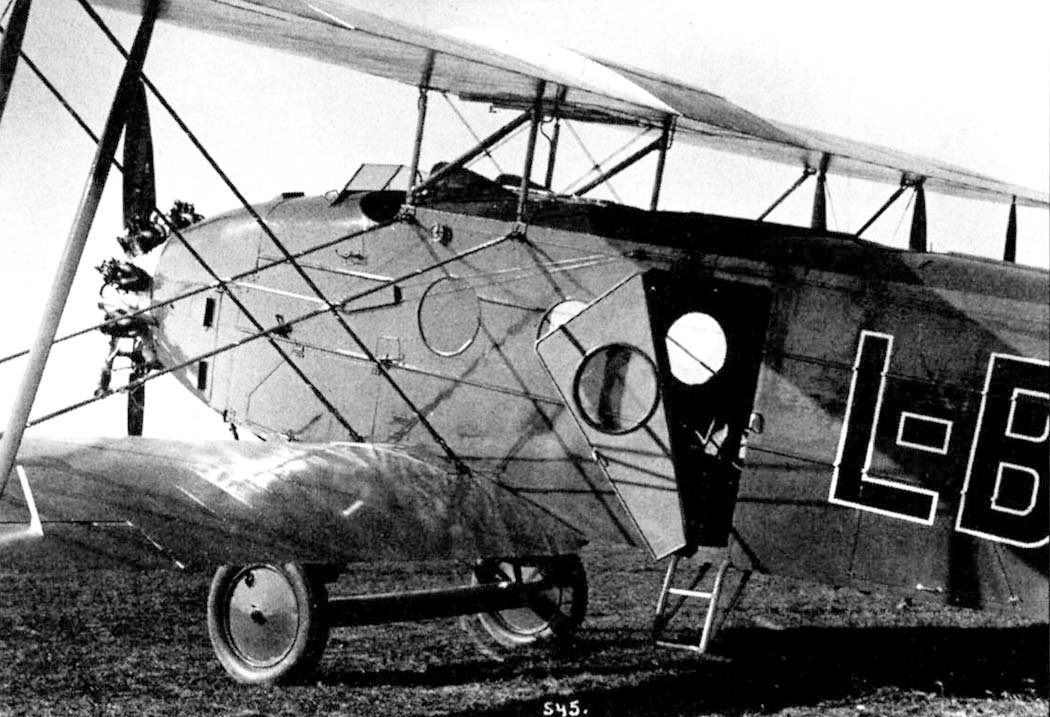
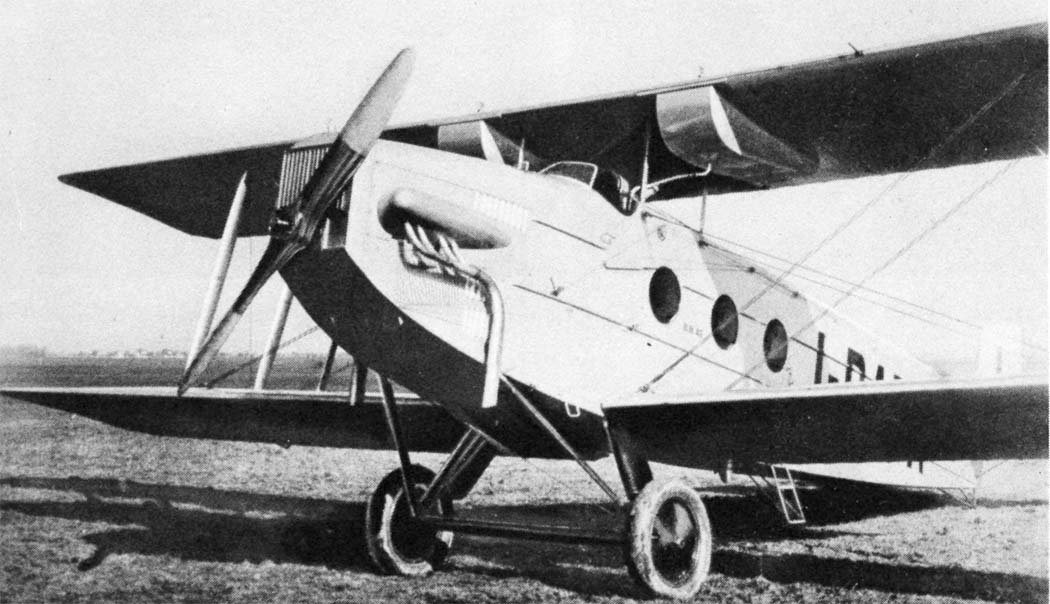
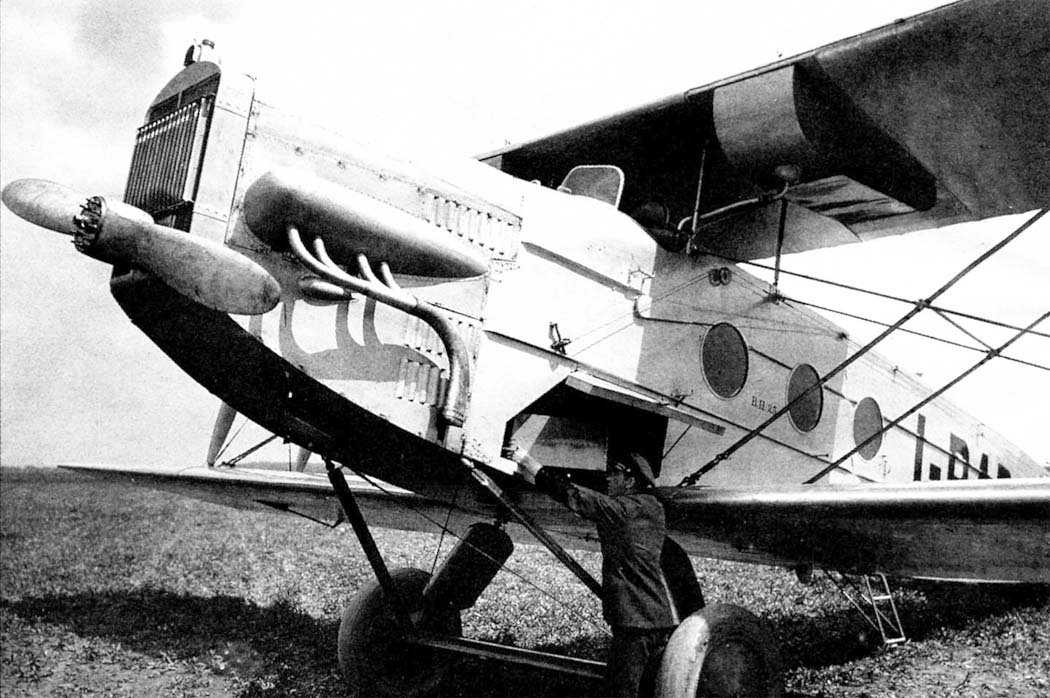
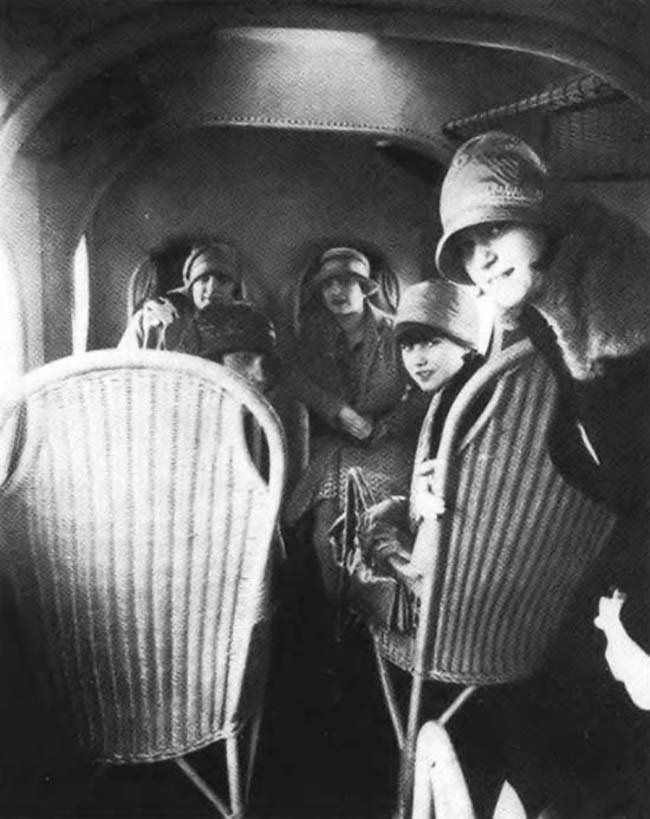
The aircraft featured a standard layout: an open common cockpit for the pilot and navigator was located at the front, followed by an enclosed passenger cabin for 6 people and 100 kg of luggage. The use of a sesquiplane scheme (where the lower wing has less area than the upper one) appeared somewhat unusual.
Design and Features
Trial operation of the BH.25 on Czechoslovak airlines began in 1928. By this time, the production aircraft featured several design modifications and the replacement of the Lorraine-Dietrich engine with a Bristol “Jupiter.”
Distribution and Commercial Operation
Of the 12 aircraft built, eight remained in Czechoslovakia and were operated by the CLS company. The remaining four BH.25s were sold to the Romanian airline SNNA.
End of Service
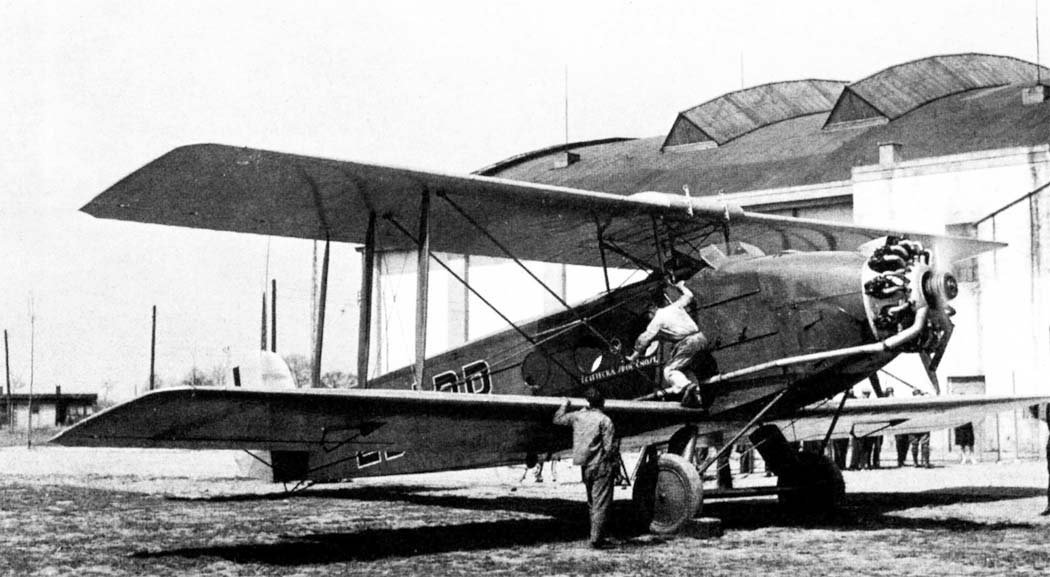
Operation of the BH.25 concluded in late 1936, and in 1937, several aircraft were transferred for use by the Air Force. Until the full occupation of the country in 1939, they were used for courier purposes and were soon scrapped.
Technical Specifications
| Modification | BH-25 |
| Wingspan, m | 15.30 |
| Length, m | 12.82 |
| Wing area, m2 | 62.50 |
| Empty weight | 1 840 |
| Normal takeoff weight | 2900 |
| Engine type | 1 Piston engine Walter (Bristol) Jupiter |
| Power, hp | 1 x 420 |
| Maximum speed, km/h | 180 |
| Cruising speed, km/h | 150 |
| Practical range, km | 600 |
| Practical ceiling, m | 4000 |
| Crew, crew members | 2 |
| Payload | 6 passengers or 100 kg of commercial cargo |
Image and diagram gallery of the Avia BH.25
 BH-25 |
 BH-25 |
 BH-25 |
 BH-25 |
 BH-25 |
 BH-25 |
 BH-25 |
 BH-25 |
 BH-25 |
 BH-25 |
 BH-25 |
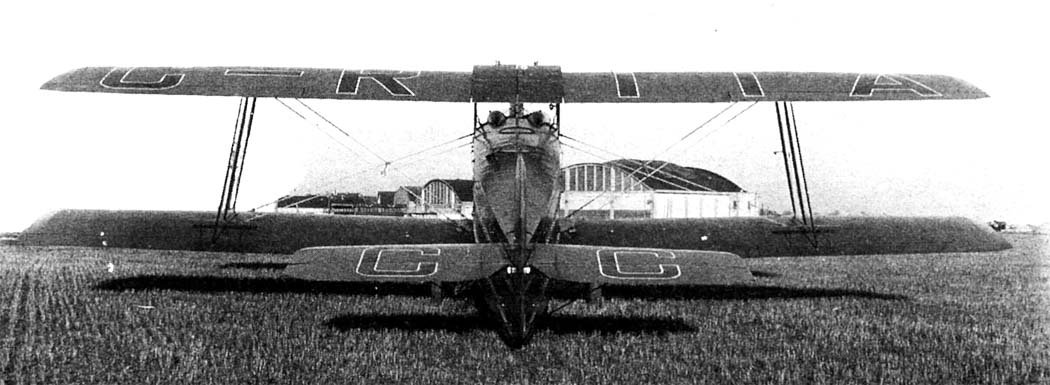 BH-25 |
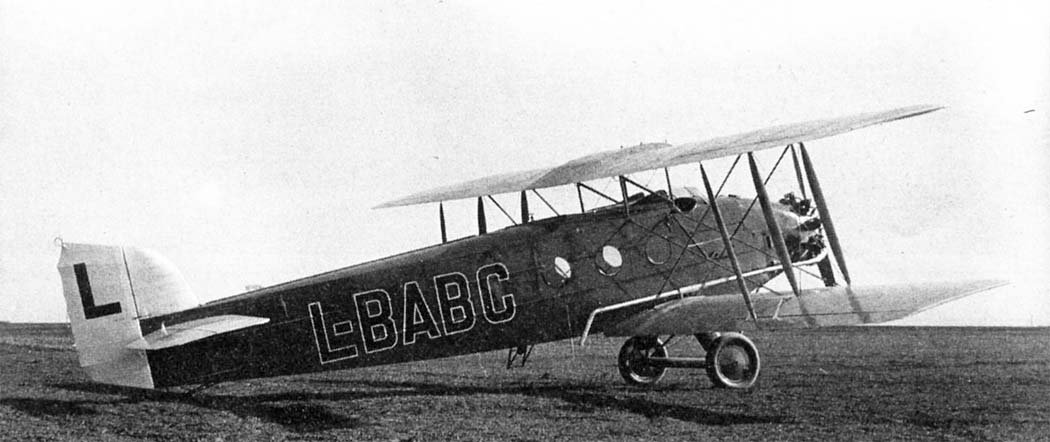 BH-25 |
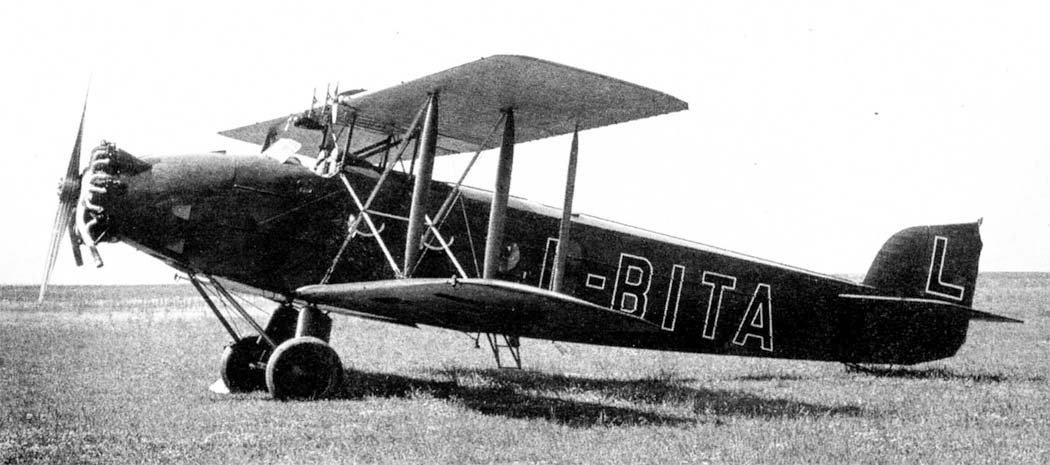 BH-25 |
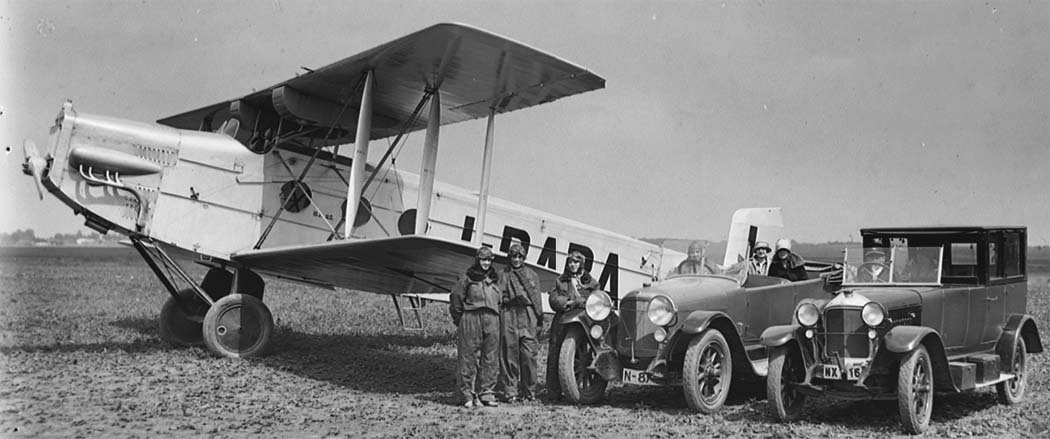 BH-25 |
 BH-25 |
 BH-25 |
 BH-25 |
 BH-25 |
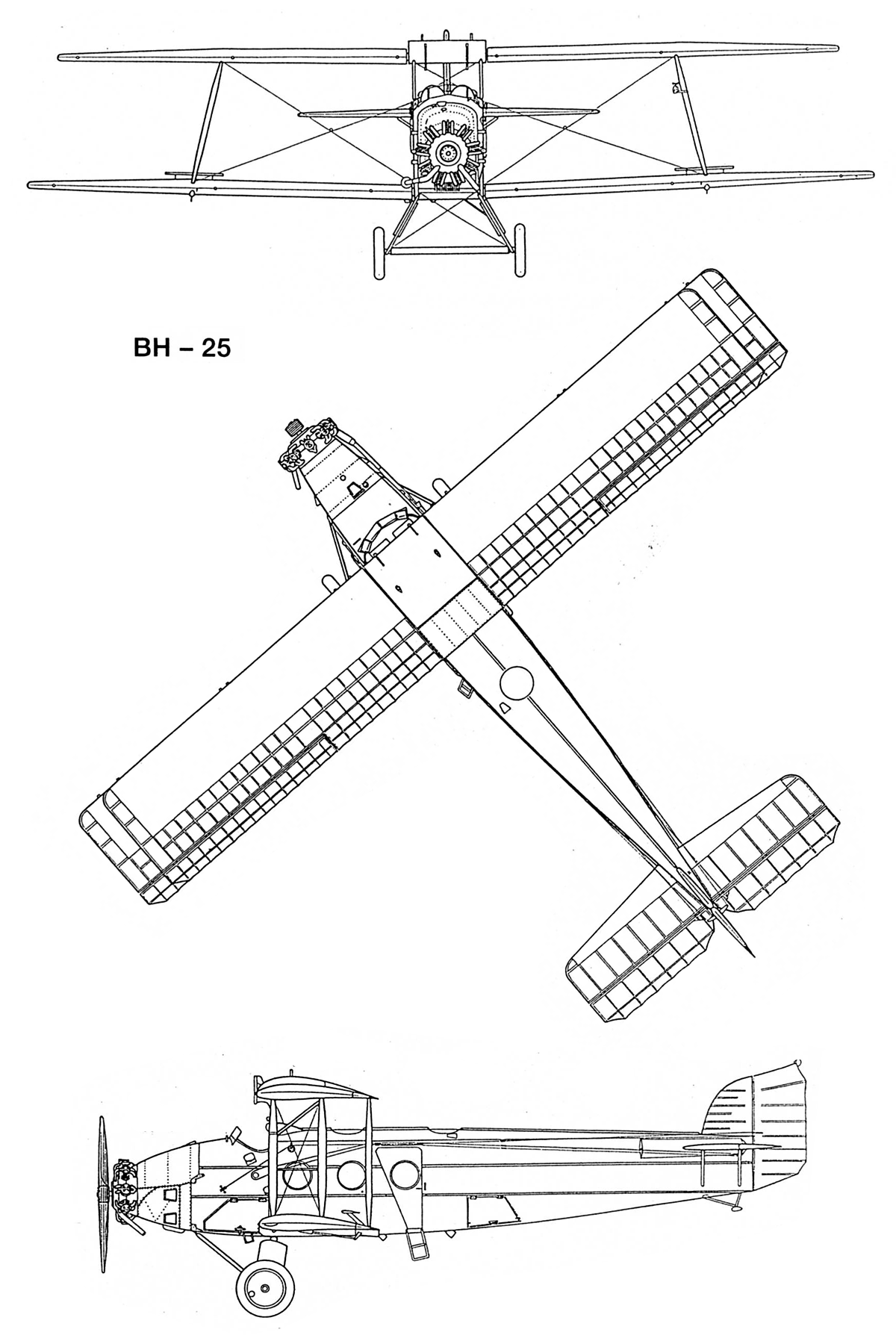 BH-25 |
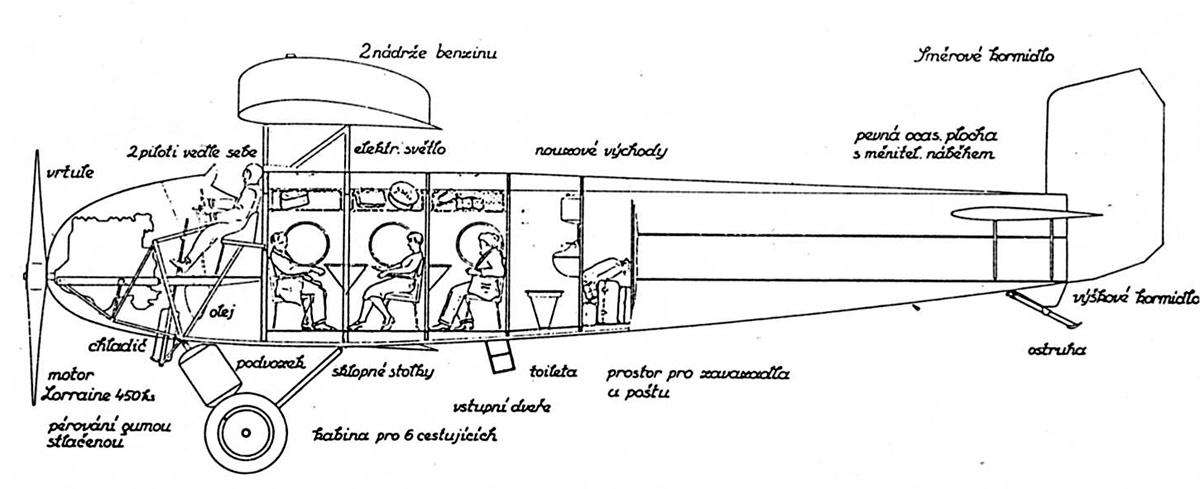 BH-25 |
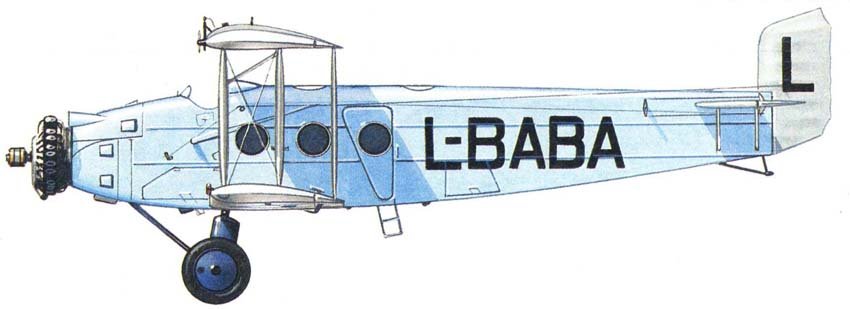 BH-25 |
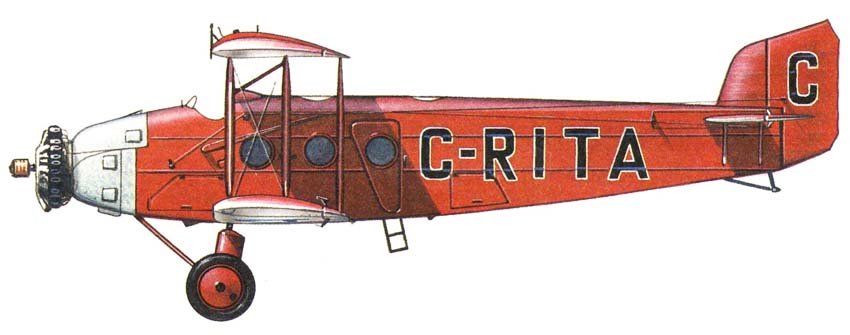 BH-25 |
 BH-25 |
 BH-25 |
ArchivoAéreo Editorial Team
A group of aviation researchers and enthusiasts dedicated to documenting and preserving global aeronautical history. All articles are reviewed to ensure historical accuracy.
Sources & Accuracy
The information presented in this technical sheet has been compiled from declassified flight manuals, historical archives, and specialized literature. While we strive for maximum accuracy, some performance data may vary depending on the specific variant or operational conditions.