Avia BH-28
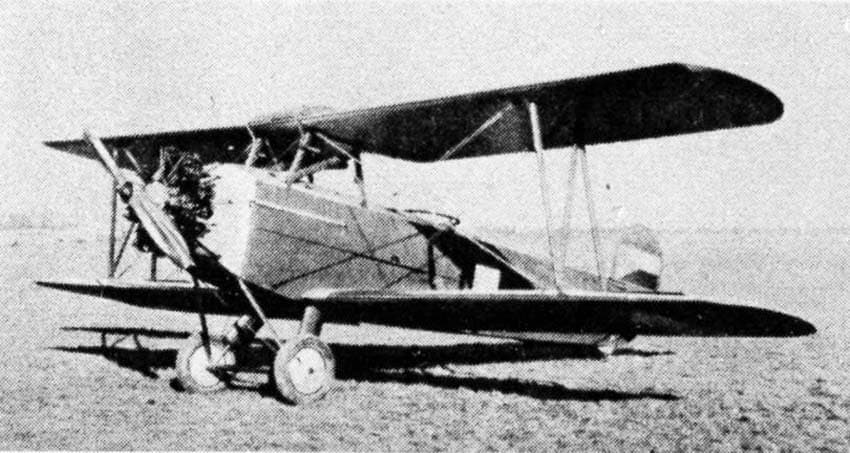
In early 1927, the Avia company developed a new reconnaissance aircraft based on the BH-26 fighter-reconnaissance aircraft. The Romanian Aviation Ministry was the client for the aircraft, designated BH-28.
Design and Technical Specifications
The prototype first took to the air on February 17, 1927. It was a two-seat, wooden, single-strut biplane, equipped with an Armstrong Siddeley Jaguar radial engine producing 385 hp (287 kW).
The aircraft’s armament consisted of two synchronized forward-firing 7.7mm machine guns and one identical machine gun mounted on a movable turret in the rear cockpit.
Testing and Tragedy in Romania
In April 1927, the prototype was handed over to the Romanian Air Force for testing, during which the aircraft crashed. The crash claimed the lives of pilots Bican and Kinský, winners of the 1926 Coppa d’Italia competition. Consequently, the contract never materialized.
Czechoslovak Competition
The rebuilt BH-28 was then submitted to a reconnaissance aircraft competition held by the Czechoslovak Ministry of National Defense. However, it did not achieve success there either, with the Aero A-32 reconnaissance aircraft being declared the winner.
Technical Specifications
| Modification | BH-28 |
| Wingspan, m | 11.80 |
| Length, m | 9.05 |
| Wing area, m2 | 36.50 |
| Empty weight | 1150 |
| Normal takeoff weight | 1950 |
| Engine type | 1 Piston engine Armstrong Siddeley Jaguar |
| Power, hp | 1 x 385 |
| Maximum speed, km/h | 230 |
| Cruising speed, km/h | 195 |
| Practical range, km | 900 |
| Rate of climb, m/min | 198 |
| Service ceiling, m | 7200 |
| Crew | 2 |
| Armament | two forward-firing synchronized 7.7-mm machine guns and one identical machine gun mounted on a movable turret in the rear cockpit |
Image and diagram gallery of the Avia BH-28
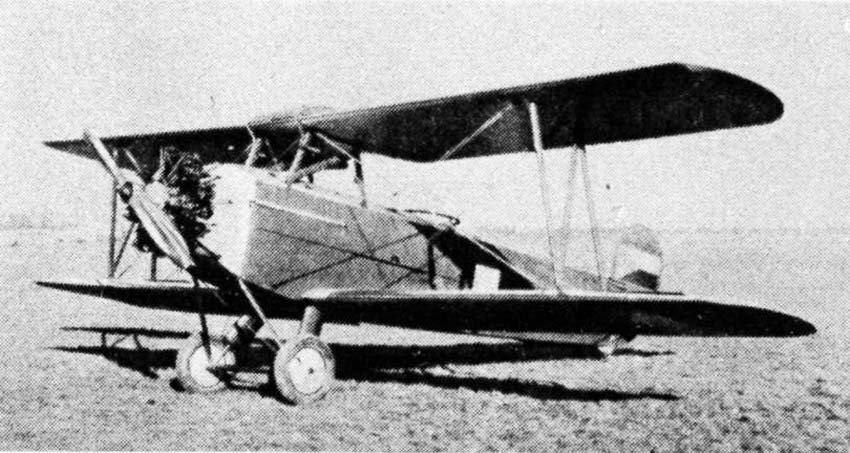 BH-28 |
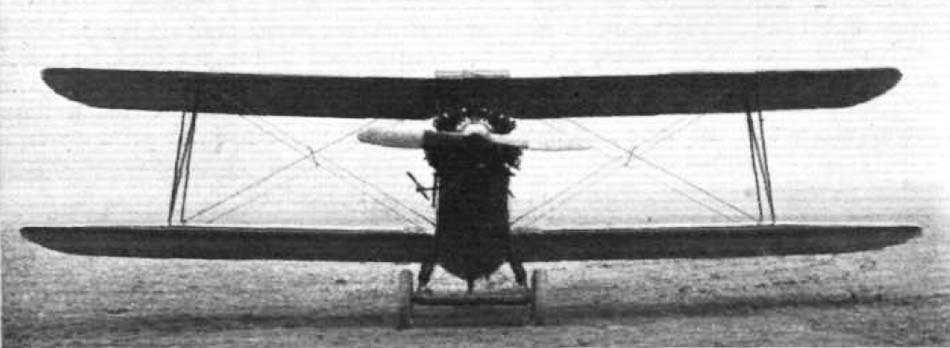 BH-28 |
ArchivoAéreo Editorial Team
A group of aviation researchers and enthusiasts dedicated to documenting and preserving global aeronautical history. All articles are reviewed to ensure historical accuracy.
Sources & Accuracy
The information presented in this technical sheet has been compiled from declassified flight manuals, historical archives, and specialized literature. While we strive for maximum accuracy, some performance data may vary depending on the specific variant or operational conditions.