Avia BH-3
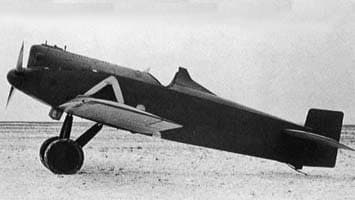
In 1920, Czechoslovak designers Pavel Beneš and Miroslav Hajn, working at the “Avia” firm, designed their first monoplane, designated BH-1. In the same year, the aircraft won an award at the Prague aviation exhibition. It was followed by the release of the BH-1bis. The aircraft’s good flight characteristics prompted the designers to create a fighter based on it.
The Avia BH-3’s Development
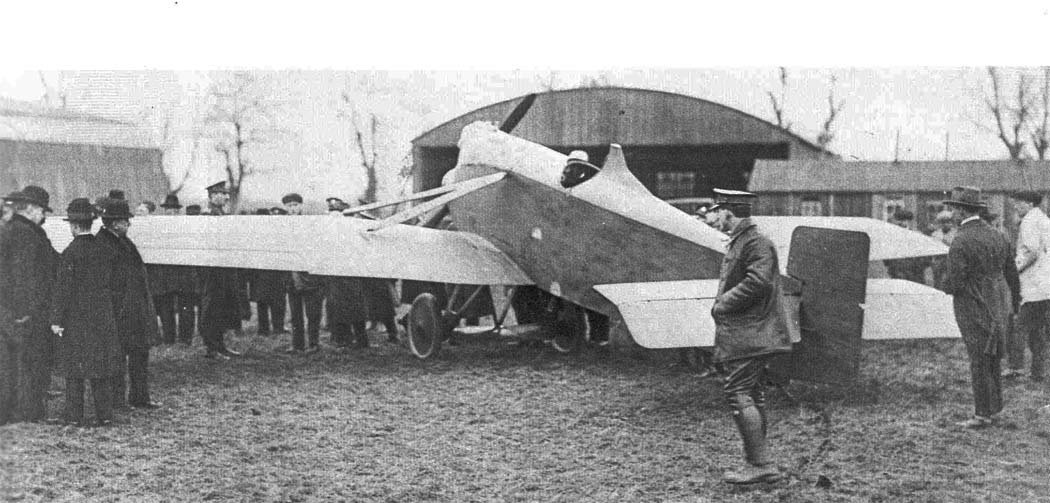
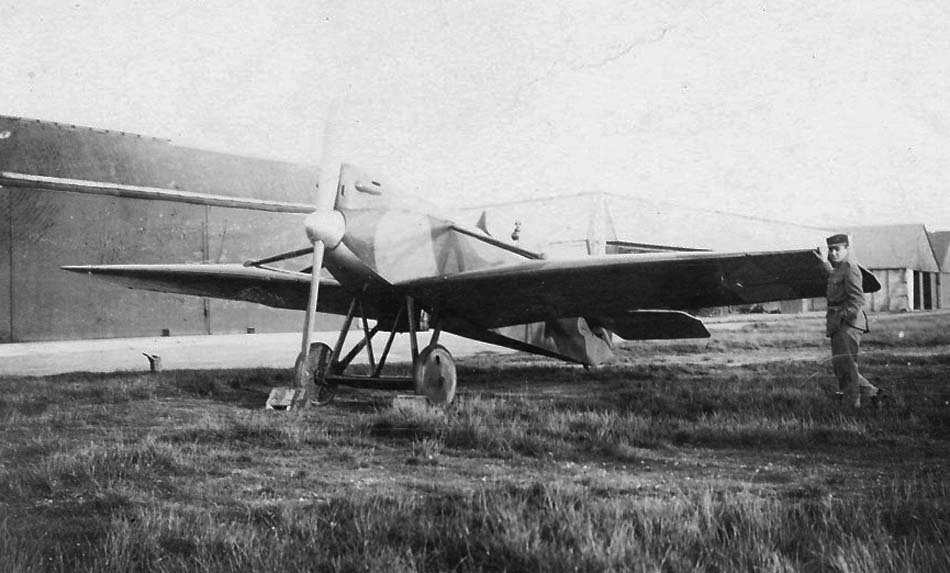
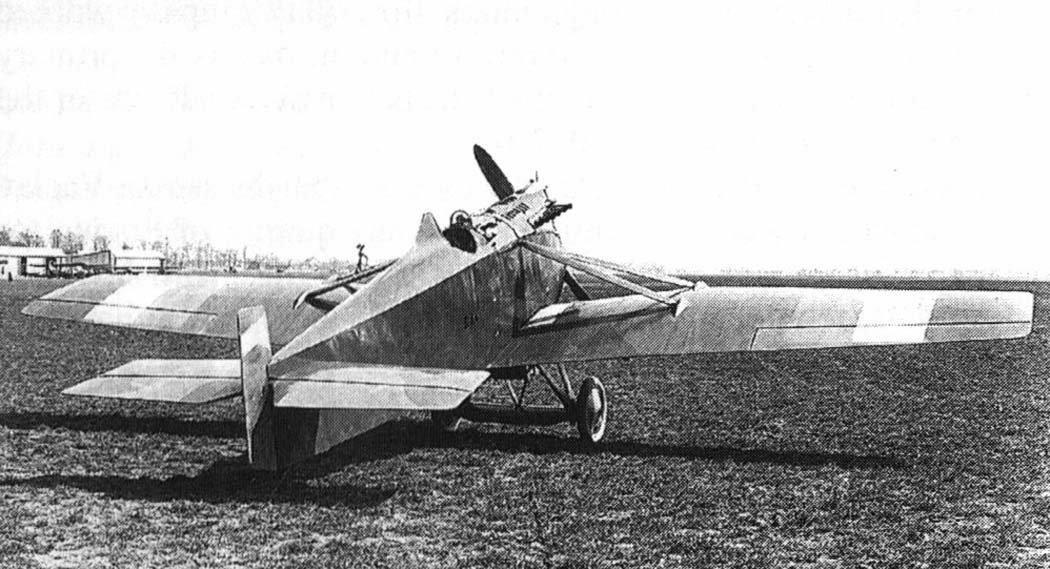
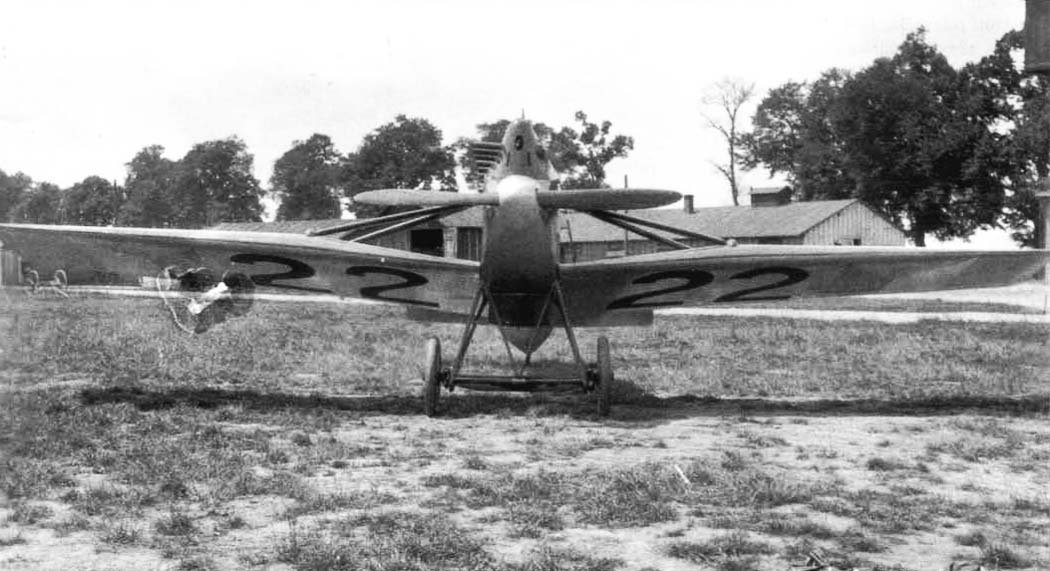
The new aircraft, designated BH-3, made its first flight in 1921. The aircraft was equipped with a German BMW III engine with 185 hp and armed with two 7.7mm Vickers machine guns, installed above the engine.
Testing and Operational Service
After successful factory trials, the aircraft entered military trials on June 21. During these tests, the machine crashed, but a small series of ten BH-3s was nevertheless ordered. The first aircraft entered service with the Czechoslovak Air Force in 1923.
However, during its operation, the aircraft proved to be a temperamental and unreliable machine. Consequently, all BH-3s were eventually transferred to training units due to their operational shortcomings.
Technical Specifications
| Modification | BH-3 |
| Wingspan, m | 10.20 |
| Length, m | 7.00 |
| Height, m | 3.10 |
| Wing area, m2 | 15.80 |
| Empty weight | 778 |
| Normal takeoff weight | 1025 |
| Engine type | 1 Piston engine BMW III |
| Power, hp | 1 x 185 |
| Maximum speed, km/h | 225 |
| Cruising speed, km/h | 190 |
| Practical range, km | 500 |
| Practical ceiling, m | 7800 |
| Crew, crew members | 1 |
| Armament: | 2 forward 7.7-mm machine guns |
Image and diagram gallery of the Avia BH-3
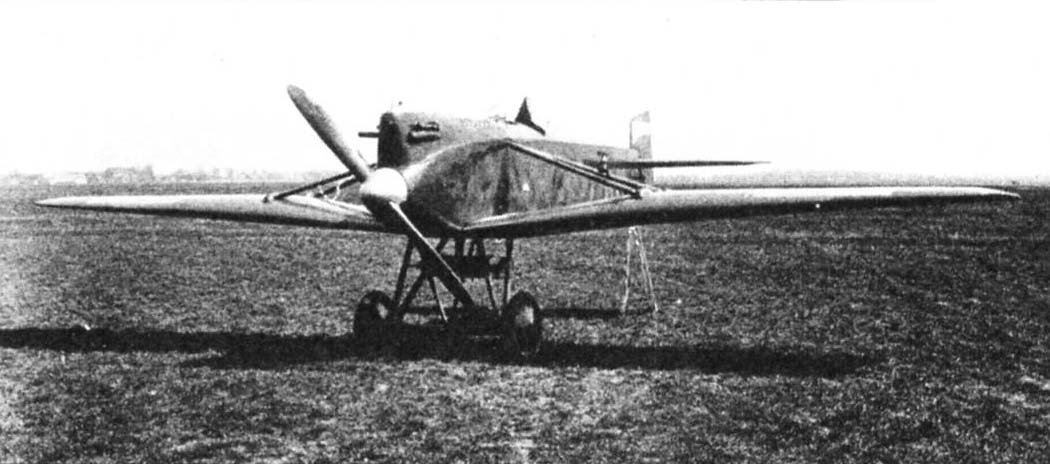 BH-3 |
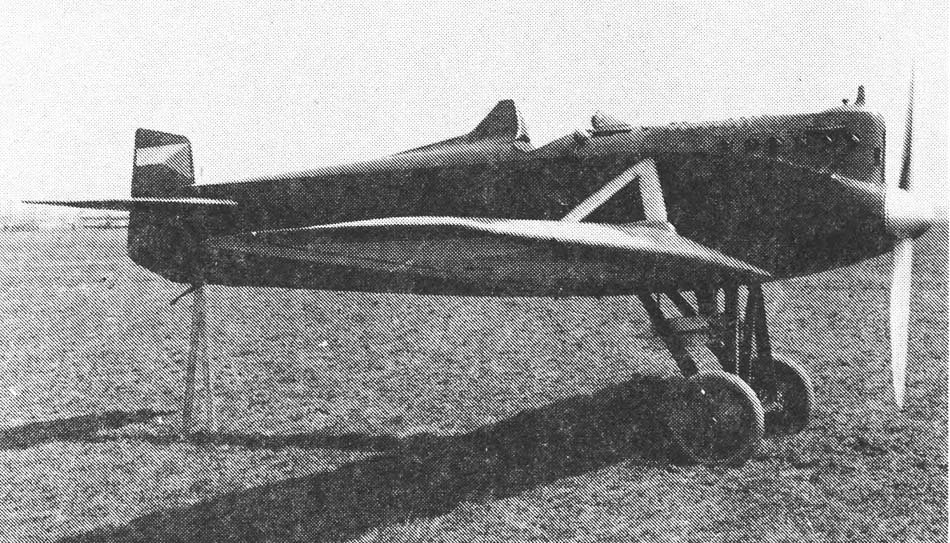 BH-3 |
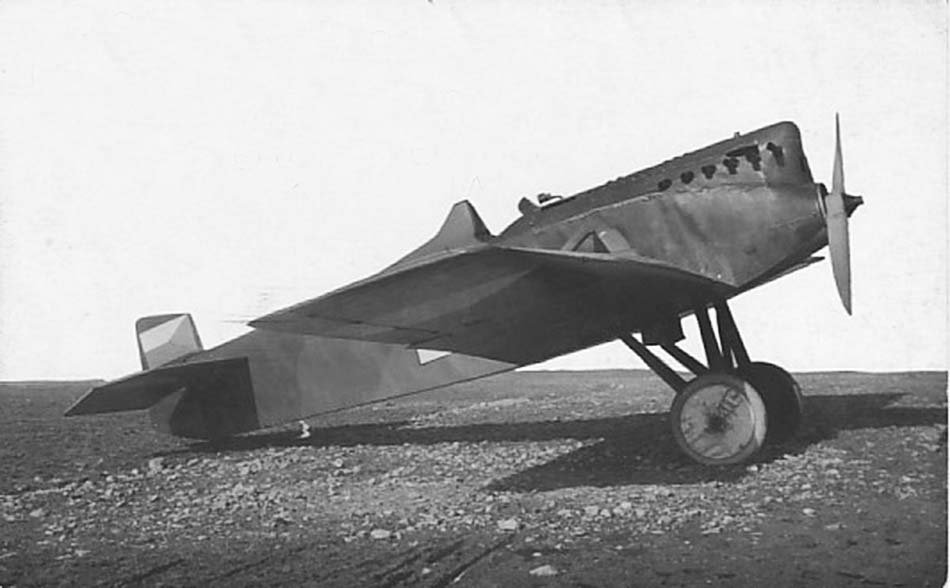 BH-3 |
 BH-3 |
 BH-3 |
 BH-3 |
 BH-3 |
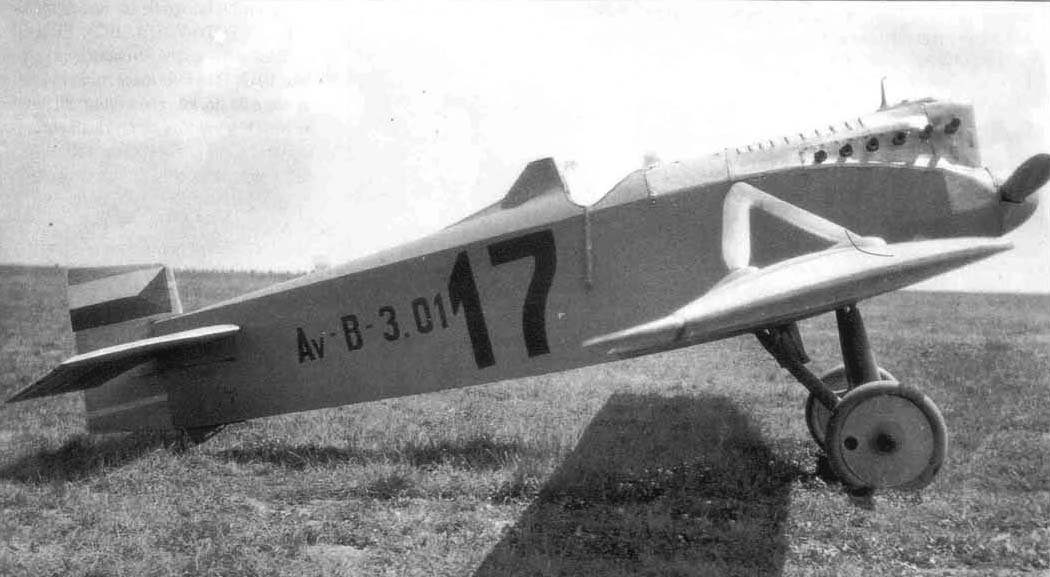 BH-3 |
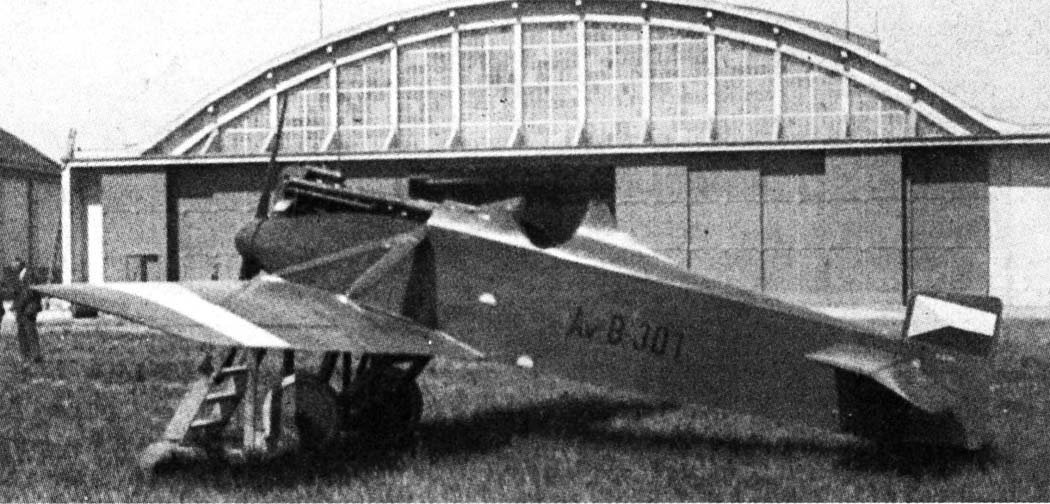 BH-3 |
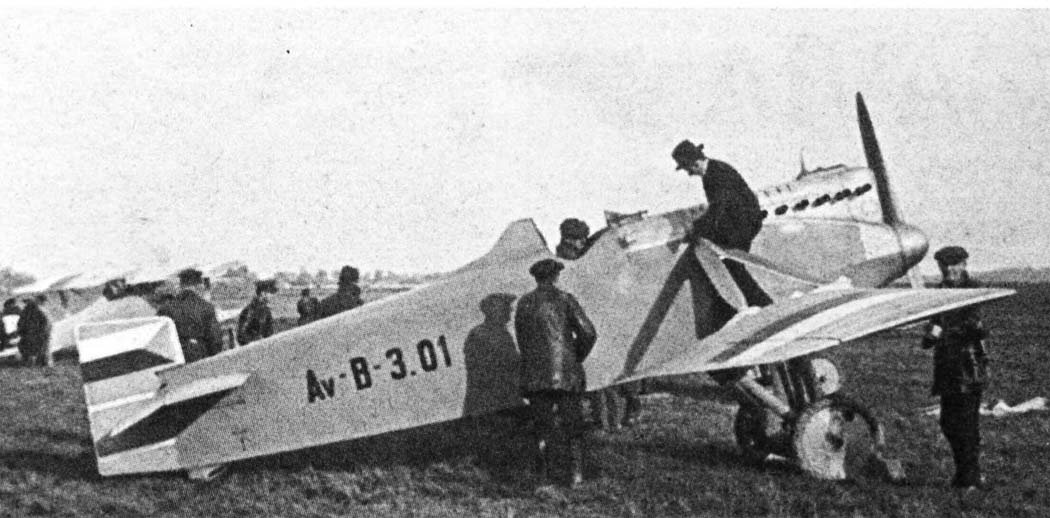 BH-3 |
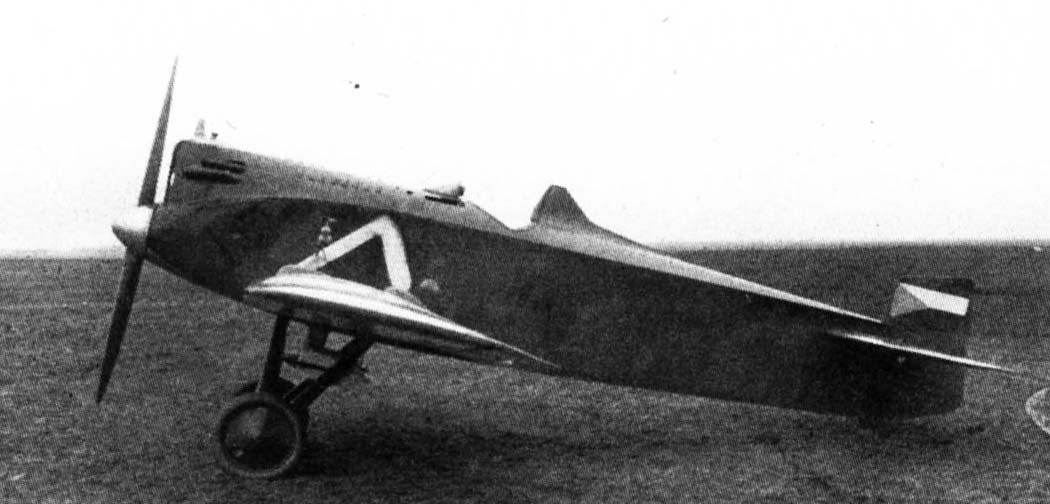 BH-3 |
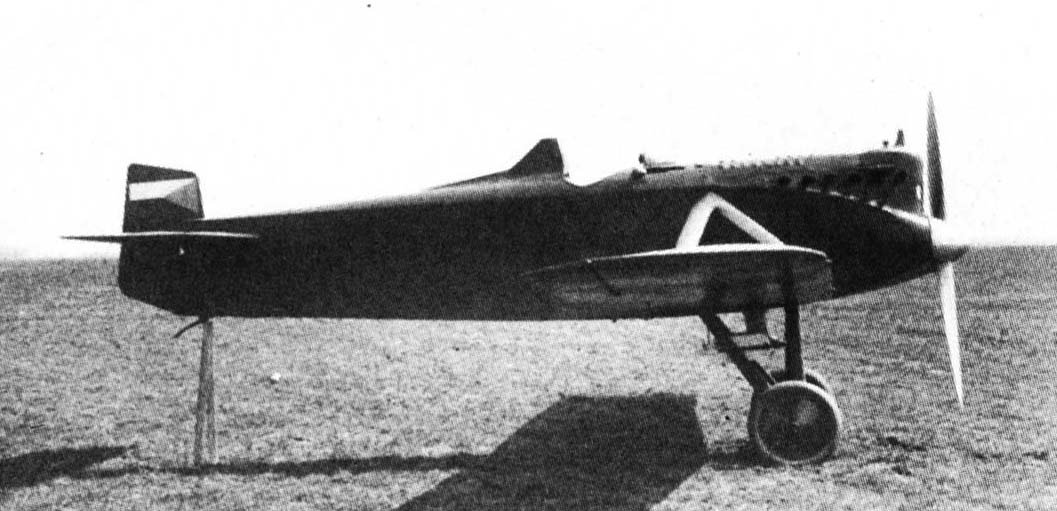 BH-3 |
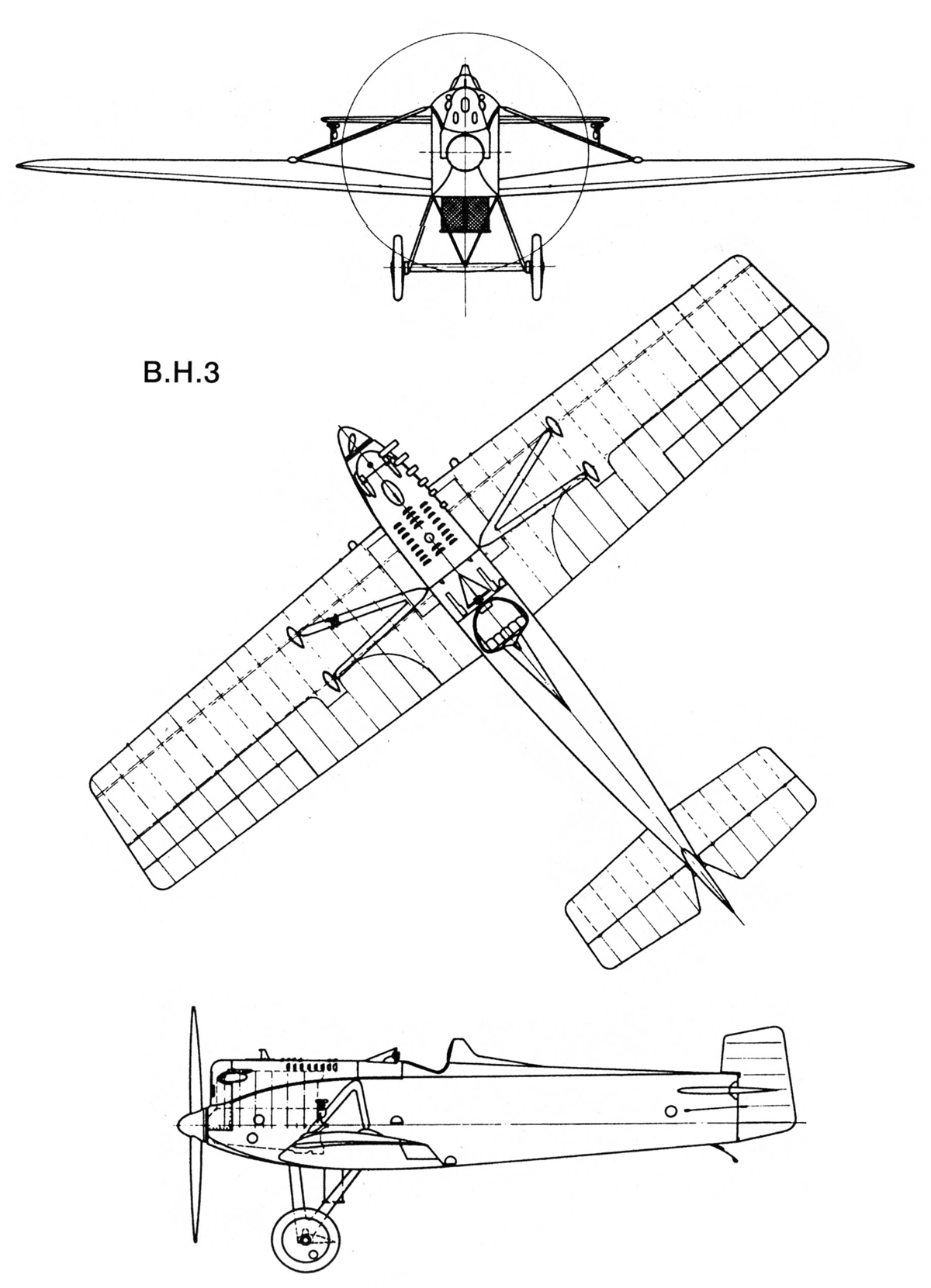 BH-3 |
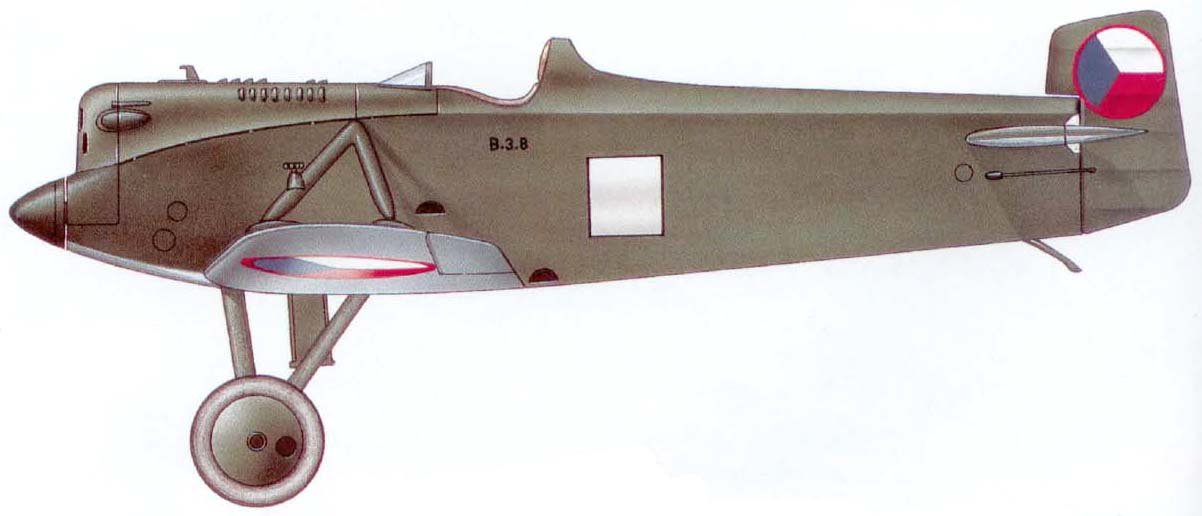 BH-3 |
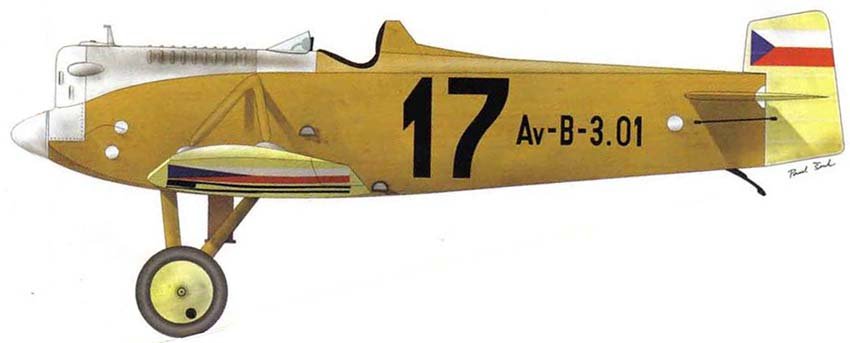 BH-3 |
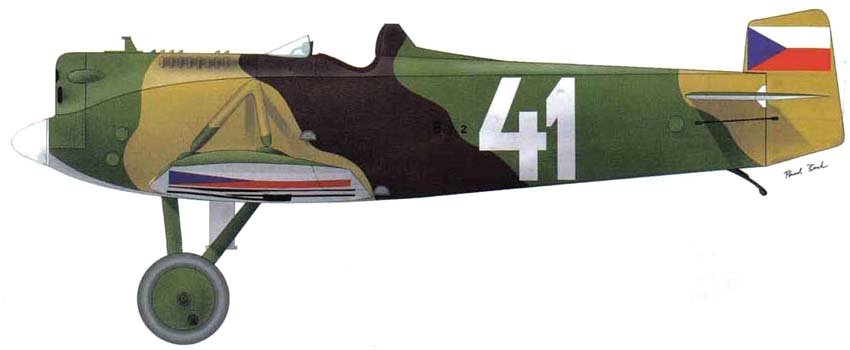 BH-3 |
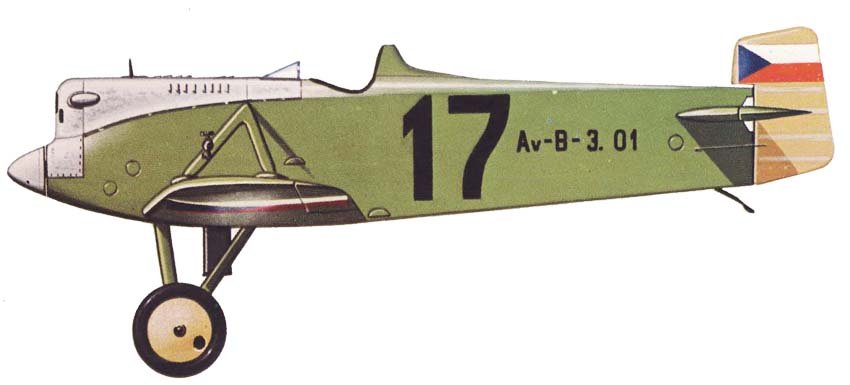 BH-3 |
ArchivoAéreo Editorial Team
A group of aviation researchers and enthusiasts dedicated to documenting and preserving global aeronautical history. All articles are reviewed to ensure historical accuracy.
Sources & Accuracy
The information presented in this technical sheet has been compiled from declassified flight manuals, historical archives, and specialized literature. While we strive for maximum accuracy, some performance data may vary depending on the specific variant or operational conditions.