Avia BH-6 Fighter
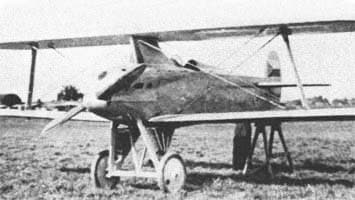
The Avia BH-6 was a fighter aircraft developed by the Czechoslovak firm Avia. It was designed by engineers Pavel Beneš and Miroslav Hain, commissioned by the Czechoslovak Air Force. The designers focused heavily on achieving clean aerodynamic forms, simultaneously developing both a biplane (BH-6) and a monoplane (BH-7) variant.
Innovative Design and Development
The aircraft featured traditional wooden construction and was armed with two 7.7-mm Vickers machine guns. The BH-6 prototype underwent flight tests in 1923, conceived as a biplane alongside the BH-7 monoplane, which was powered by a V-shaped Hispano-Suiza 8Fb engine manufactured in Czechoslovakia by “Skoda.”
Both aircraft, largely fabric-covered wooden structures, shared an identical thin, elongated fuselage, tail unit, and landing gear. The BH-6’s wing arrangement was particularly unusual: a flat upper wing, with a smaller span than the lower wing, was held above the fuselage by a single streamlined strut. The lower wing, featuring a transverse V, was separated from the upper wing on each side by individual interplane struts angled inwards from bottom to top.
Flight Testing and Fate
Tragically, the sole BH-6 aircraft was lost in an aviation accident almost immediately after its flight tests commenced, bringing an early end to its promising development.
Technical Specifications
| Modification | BH-6 |
| Wingspan, m | 9. 98 |
| Length, m | 6. 47 |
| Height, m | 2. 88 |
| Wing area, m2 | 22. 60 |
| Empty weight | 878 |
| Normal takeoff weight | 1180 |
| Engine type | 1 Piston engine Hispano-Suiza 8 Ba |
| Power, hp | 1 x 300 |
| Maximum speed, km/h | 220 |
| Cruising speed, km/h | 200 |
| Practical range, km | 500 |
| Practical ceiling, m | 7000 |
| Crew | 1 |
| Armament | two forward-firing 7.7-mm Vickers machine guns |
Image and diagram gallery of the Avia BH-6 Fighter
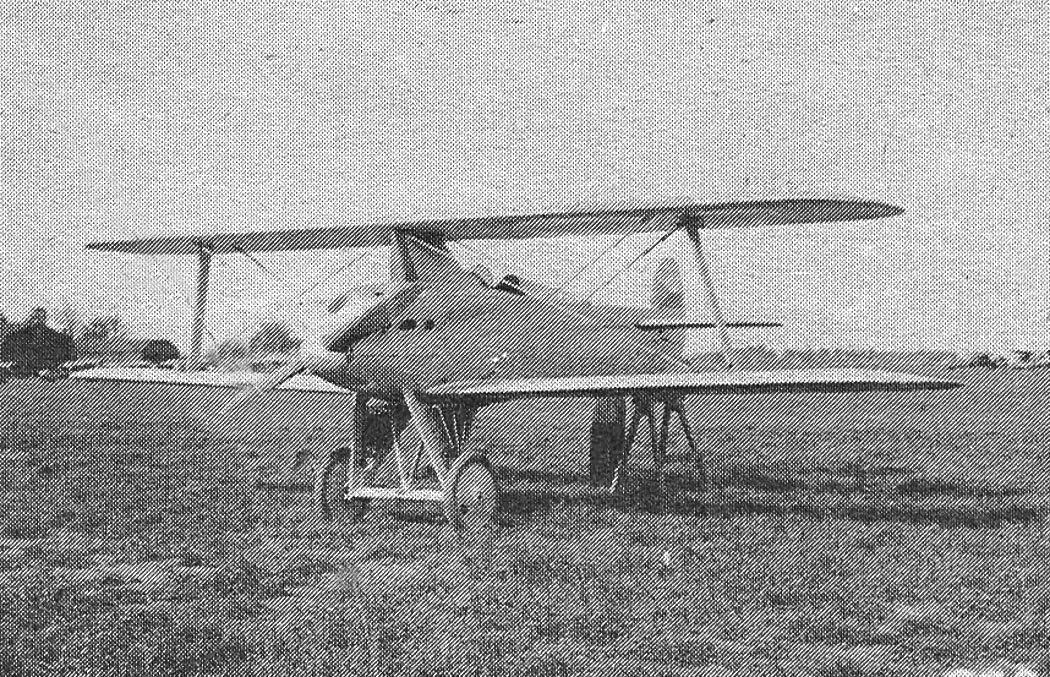 BH-6 |
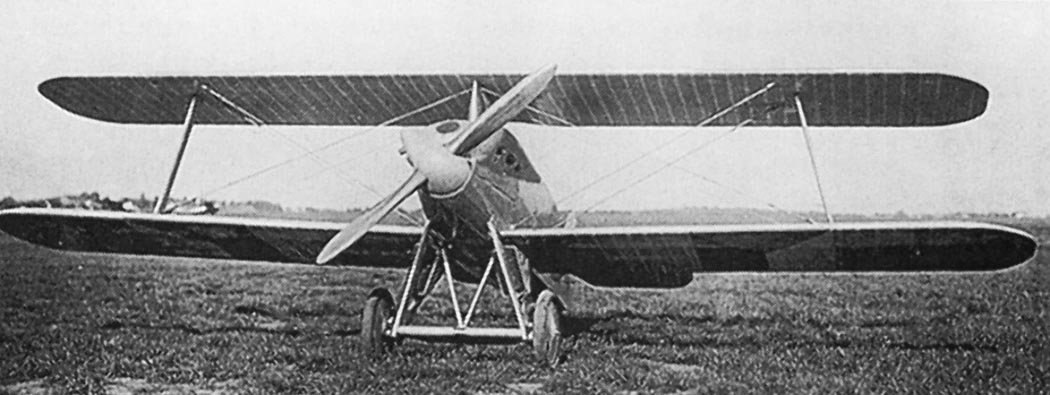 BH-6 |
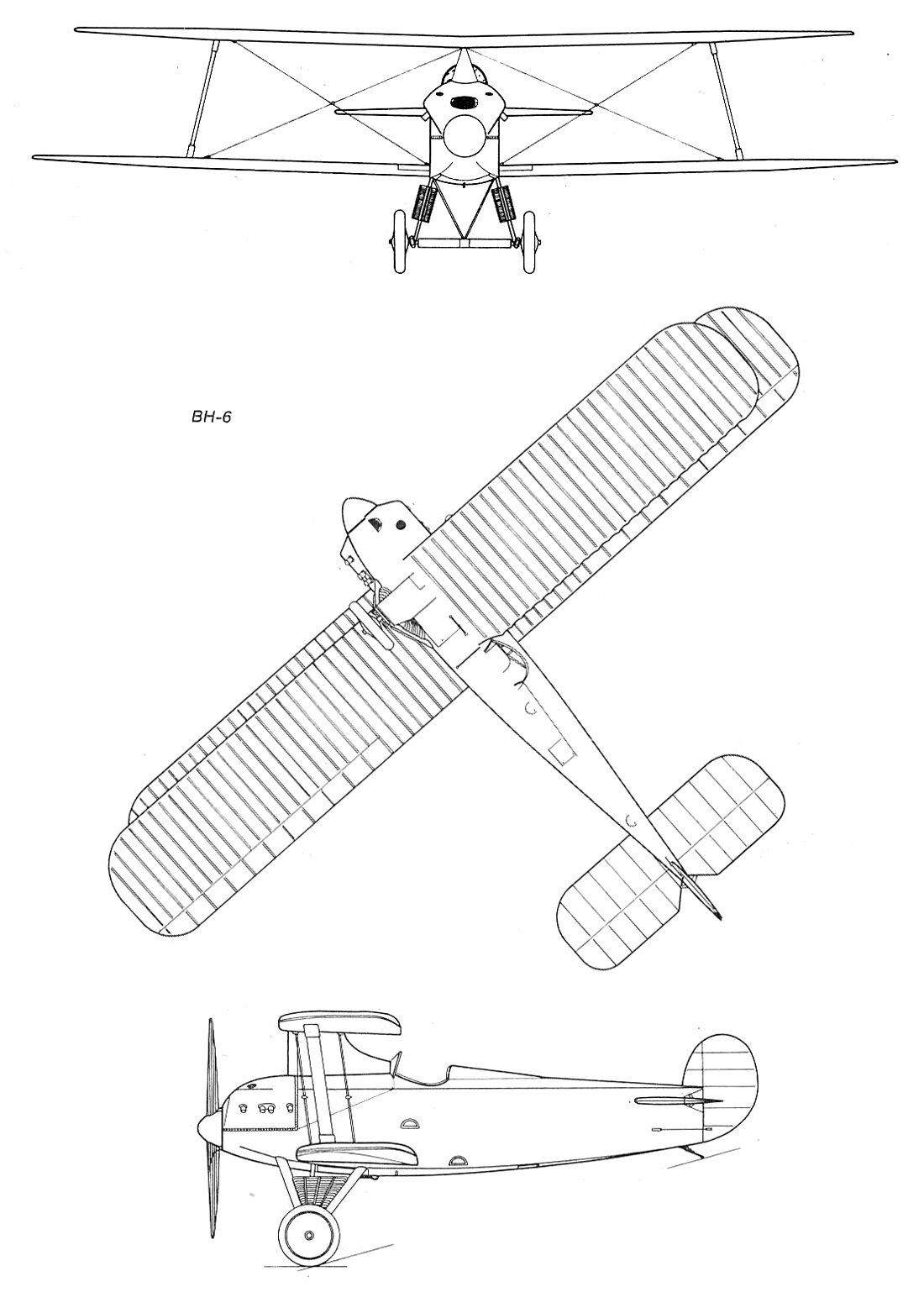 BH-6 |
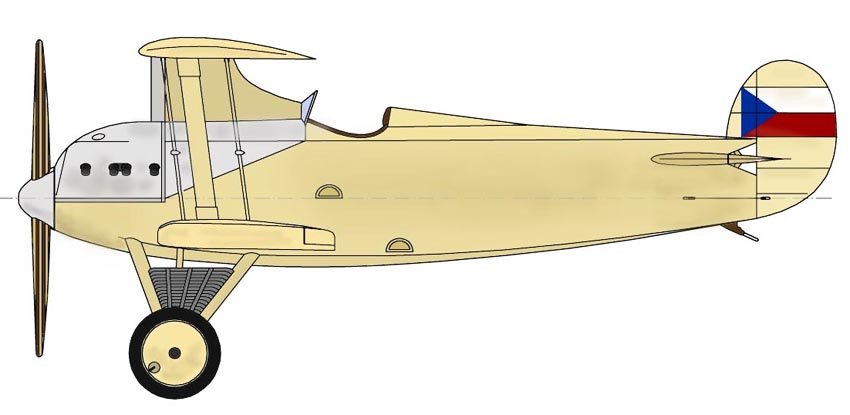 BH-6 |
ArchivoAéreo Editorial Team
A group of aviation researchers and enthusiasts dedicated to documenting and preserving global aeronautical history. All articles are reviewed to ensure historical accuracy.
Sources & Accuracy
The information presented in this technical sheet has been compiled from declassified flight manuals, historical archives, and specialized literature. While we strive for maximum accuracy, some performance data may vary depending on the specific variant or operational conditions.