Avia BH-7
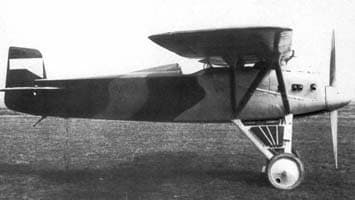
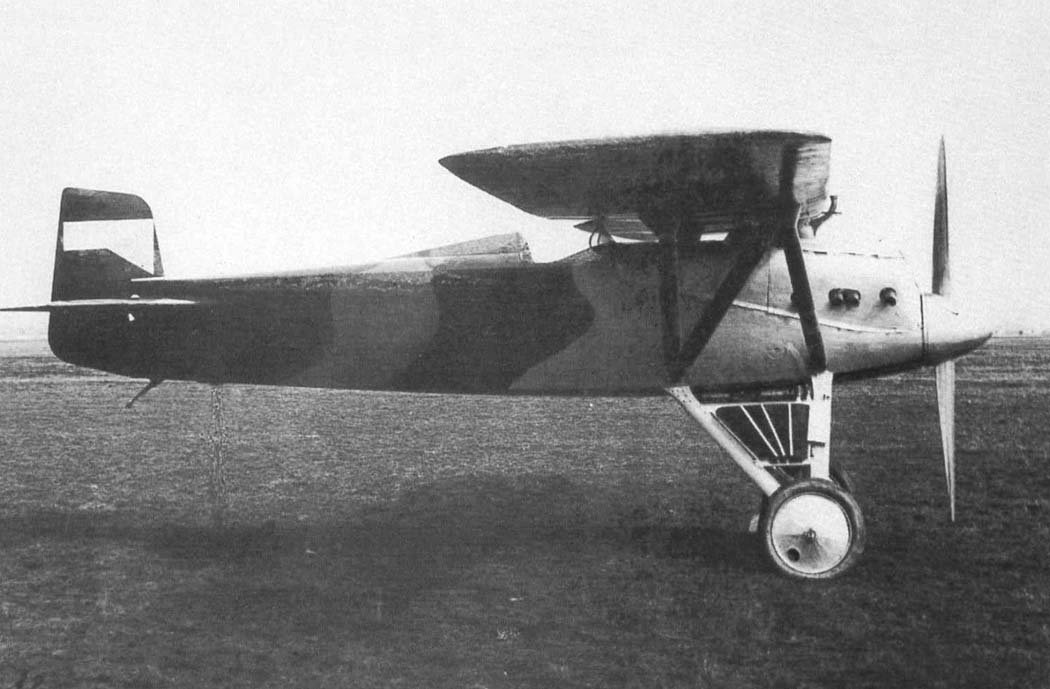
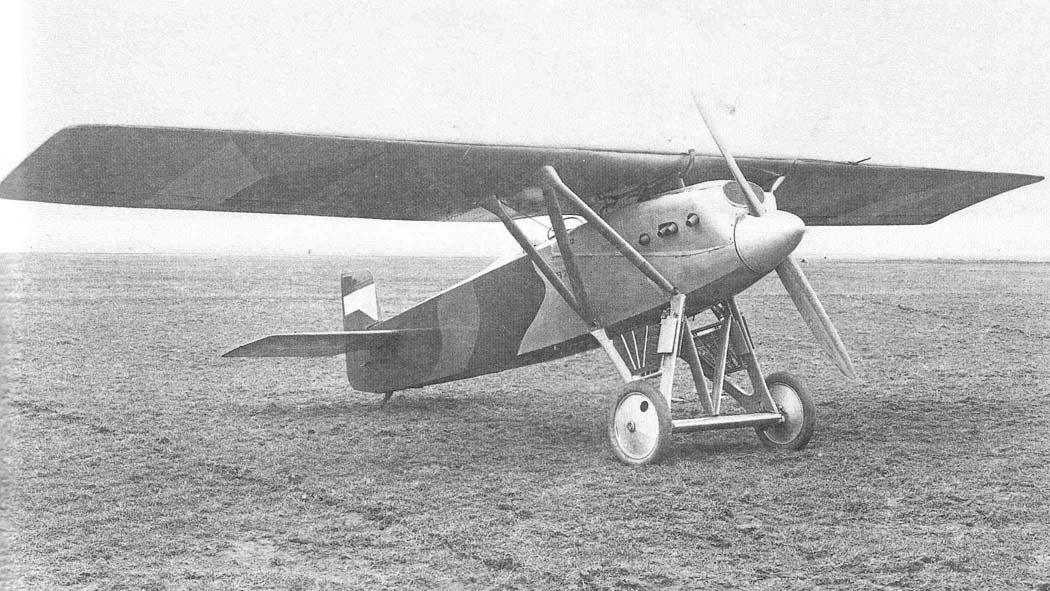
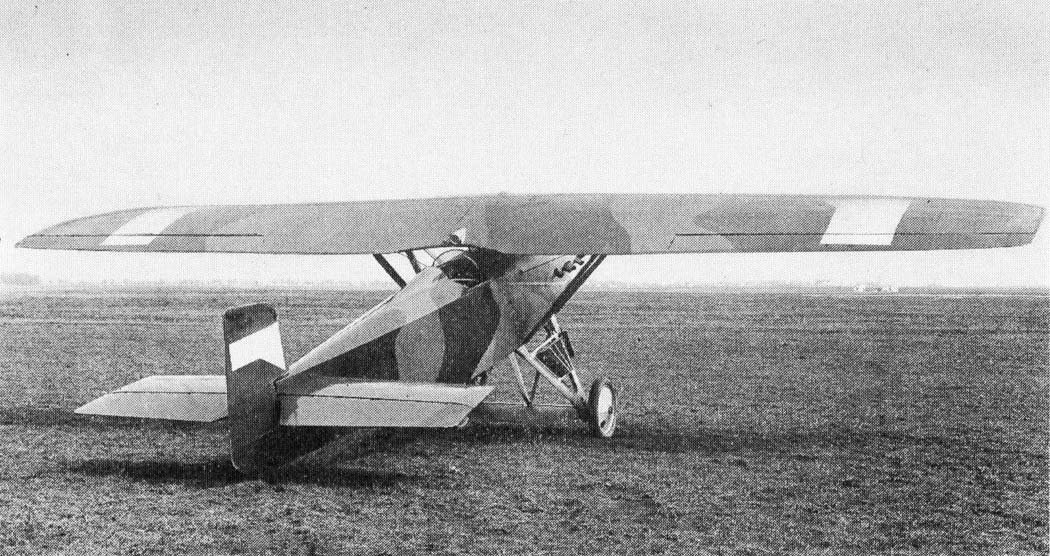
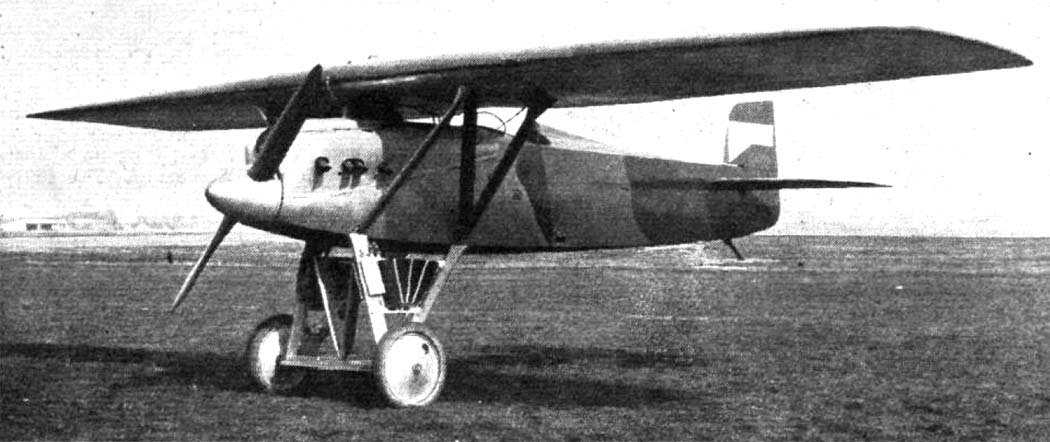
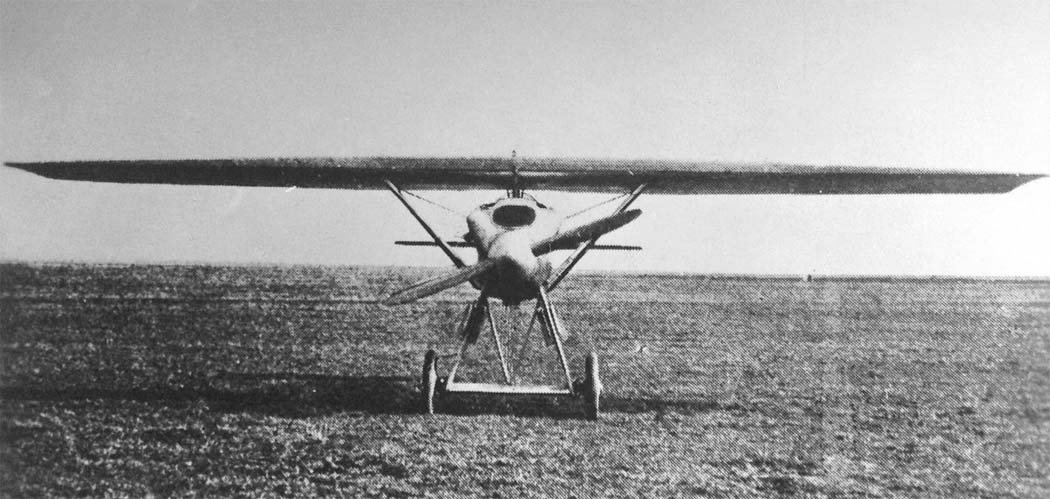
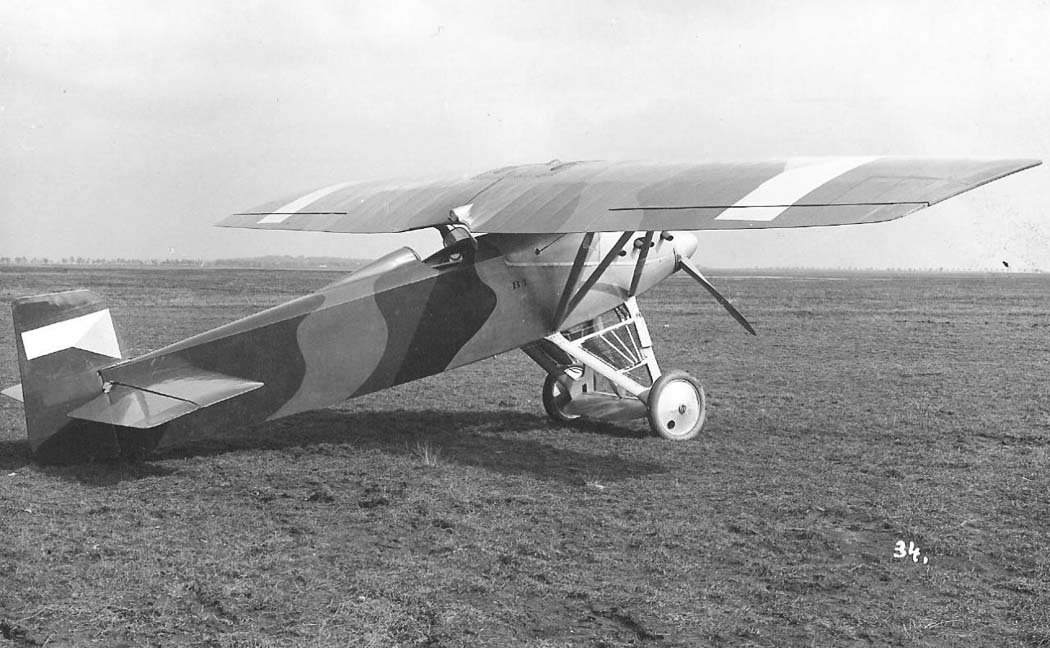
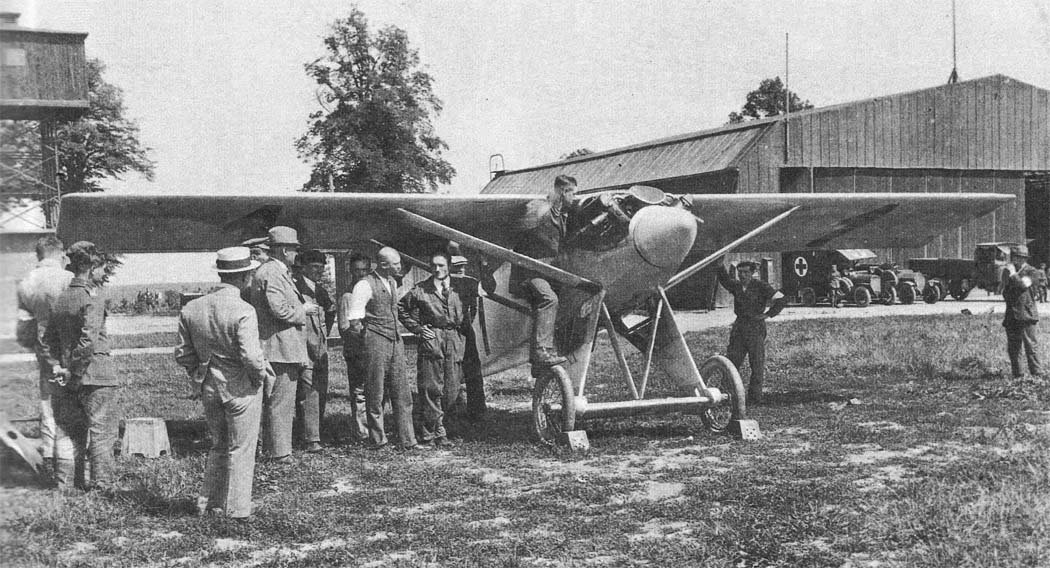
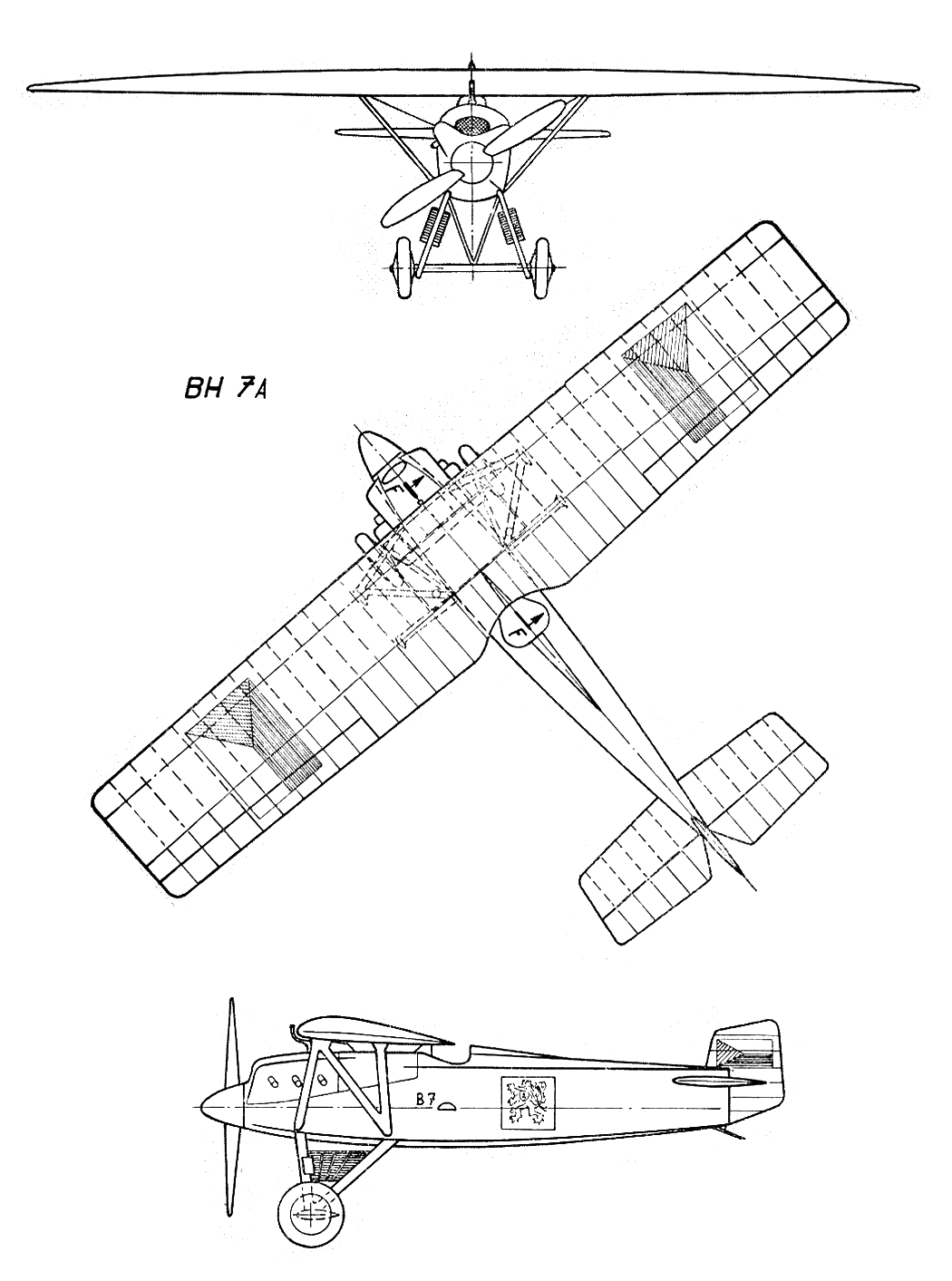
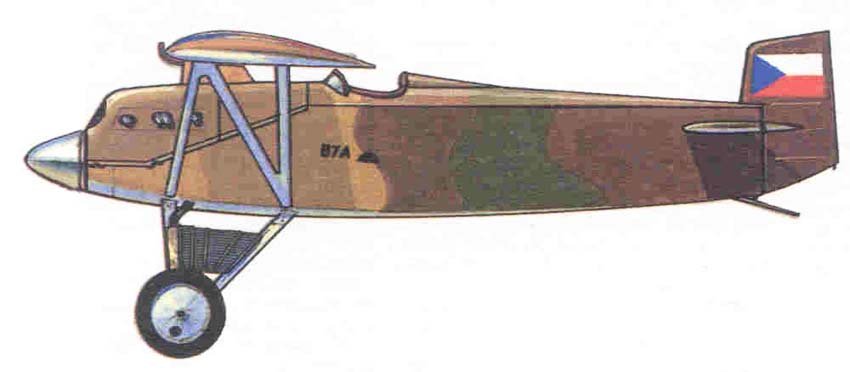
The BH-7 was a fighter aircraft developed by the Czechoslovakian firm Avia. It was designed by Pavel Beneš and Miroslav Hain, building upon the BH-6 fighter. Unlike its predecessor, the BH-7 featured a “parasol” wing and a more powerful Hispano-Suiza 8Fb engine.
The Avia BH-7A: A Monoplane Competitor
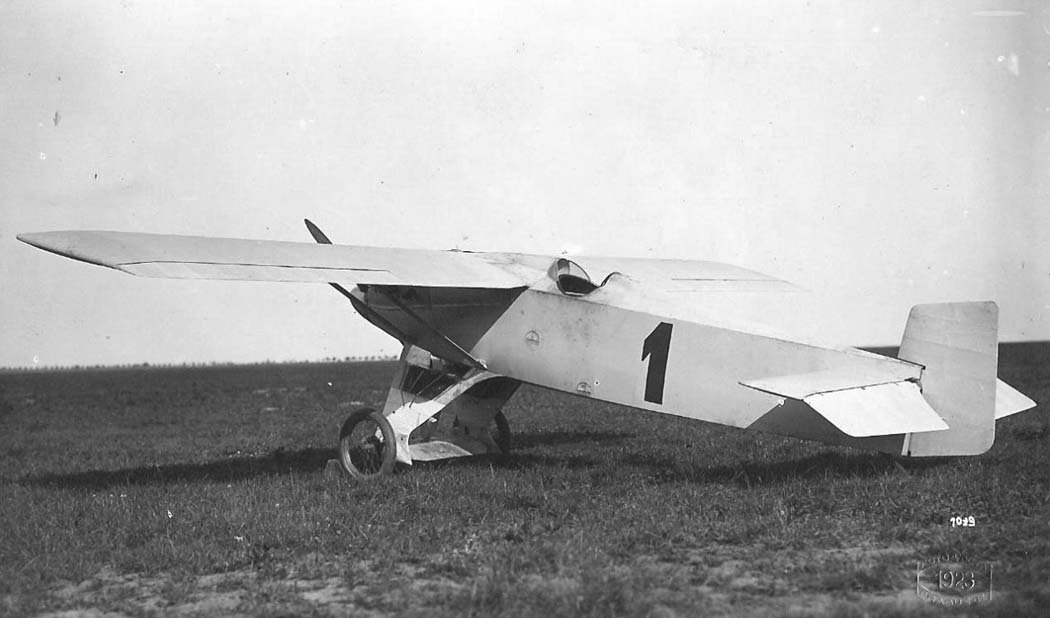
The single-seat BH-7A monoplane fighter took to the skies in spring 1923, effectively competing with the BH-6 biplane prototype. It utilized the basic powerplant and fuselage of its predecessor, combined with a distinctive parasol wing. The BH-7A’s main landing gear position and paired biplane radiators were largely similar to those of the BH-6.
This similarity to the BH-6 also impacted its flight test program, which was discontinued after two flight incidents.
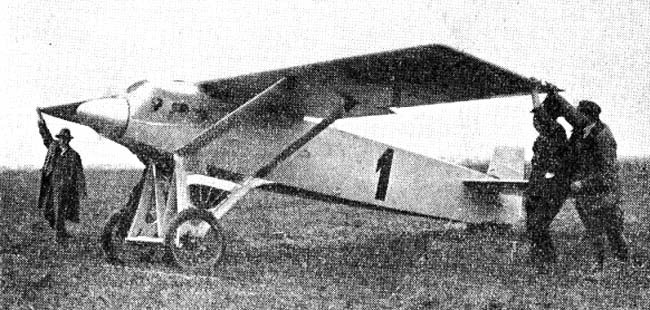
The Unsuccessful BH-7B Racing Aircraft
The BH-7B was developed from the BH-7A as a racing aircraft. Its primary modifications involved a wing reduced in span and area, which was also directly integrated with the upper fuselage. Although equipped with a Hispano-Suiza 8Fb engine with a supercharger, both the engine and the fighter ultimately proved unsuccessful.
Technical Specifications
| Modification | BH-7 |
| Wingspan, m | 10.40 |
| Length, m | 6. 84 |
| Height, m | 2. 83 |
| Wing area, m2 | 18. 15 |
| Empty weight | 885 |
| Normal takeoff weight | 1151 |
| Engine type | 1 Piston engine Hispano-Suiza 8Fb |
| Power, hp | 1 х 310 |
| Maximum speed, km/h | 240 |
| Cruising speed, km/h | 218 |
| Practical range, km | 480 |
| Rate of climb, m/min | 400 |
| Service ceiling, m | 8000 |
| Crew, crew | 1 |
| Armament: | 2 forward 7.7-mm machine guns |
Image and diagram gallery of the Avia BH-7
 BH-7 |
 BH-7 |
 BH-7 |
 BH-7 |
 BH-7 |
 BH-7 |
 BH-7 |
 BH-7 |
 BH-7 |
 BH-7 |
 BH-7 |
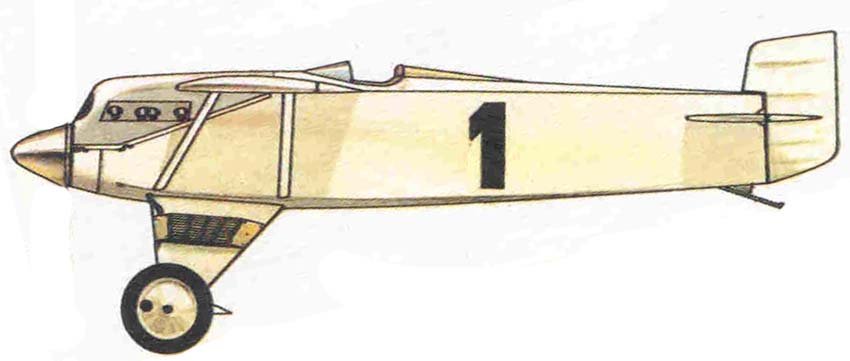 BH-7 |
ArchivoAéreo Editorial Team
A group of aviation researchers and enthusiasts dedicated to documenting and preserving global aeronautical history. All articles are reviewed to ensure historical accuracy.
Sources & Accuracy
The information presented in this technical sheet has been compiled from declassified flight manuals, historical archives, and specialized literature. While we strive for maximum accuracy, some performance data may vary depending on the specific variant or operational conditions.