Avia BH-9
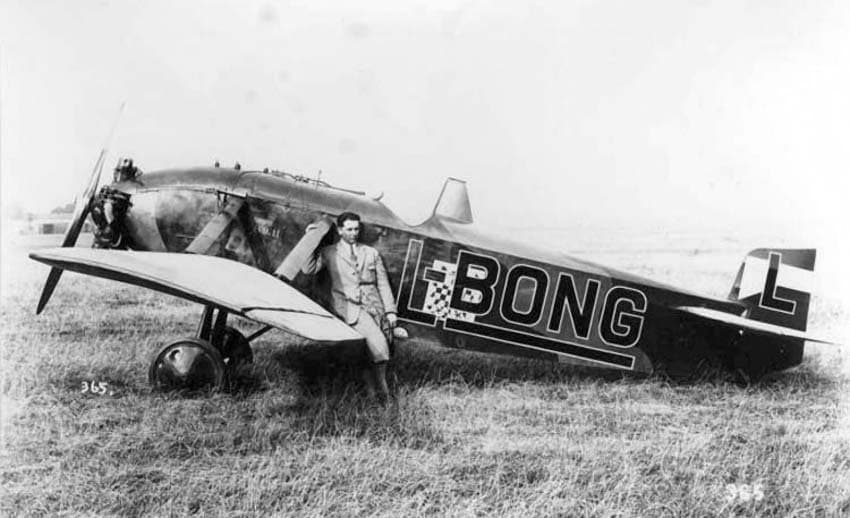
The Development of the BH-9
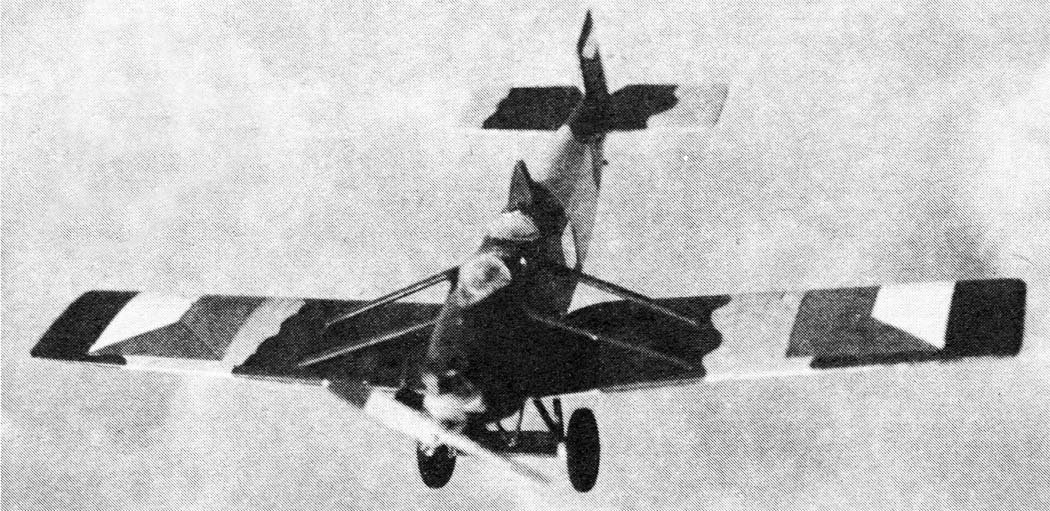
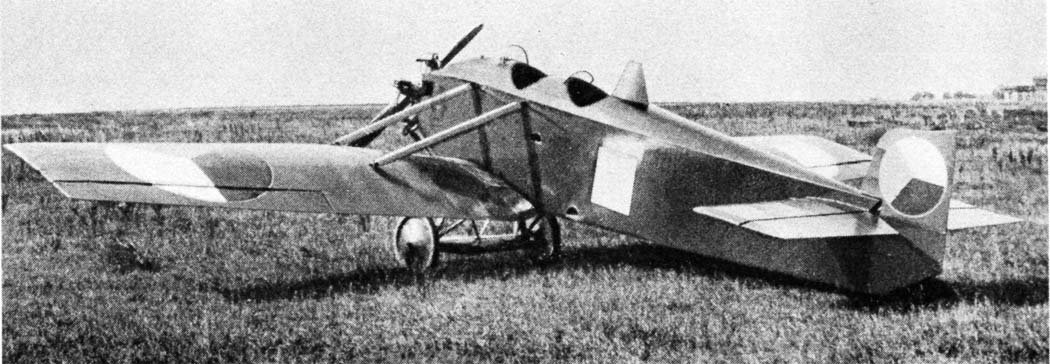
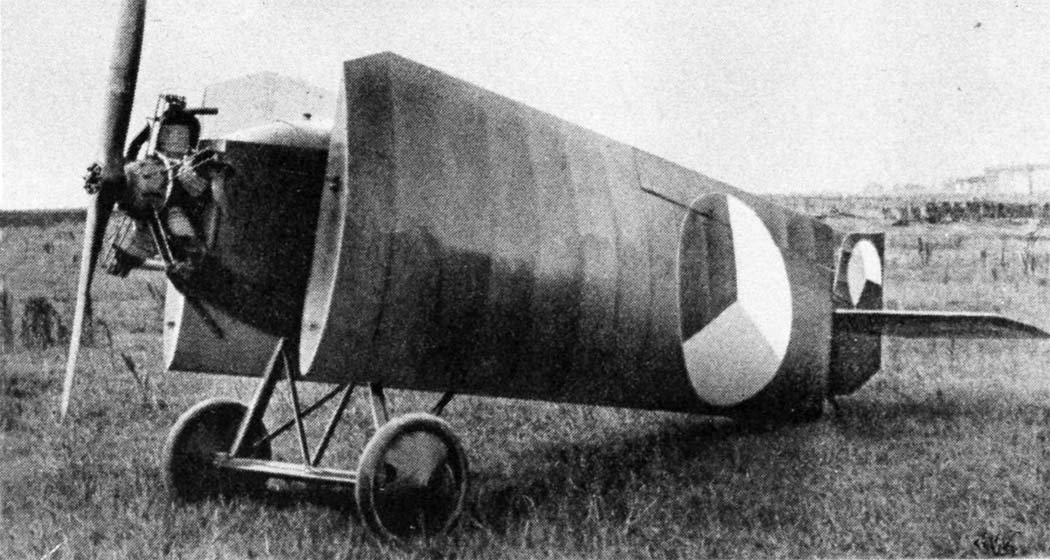
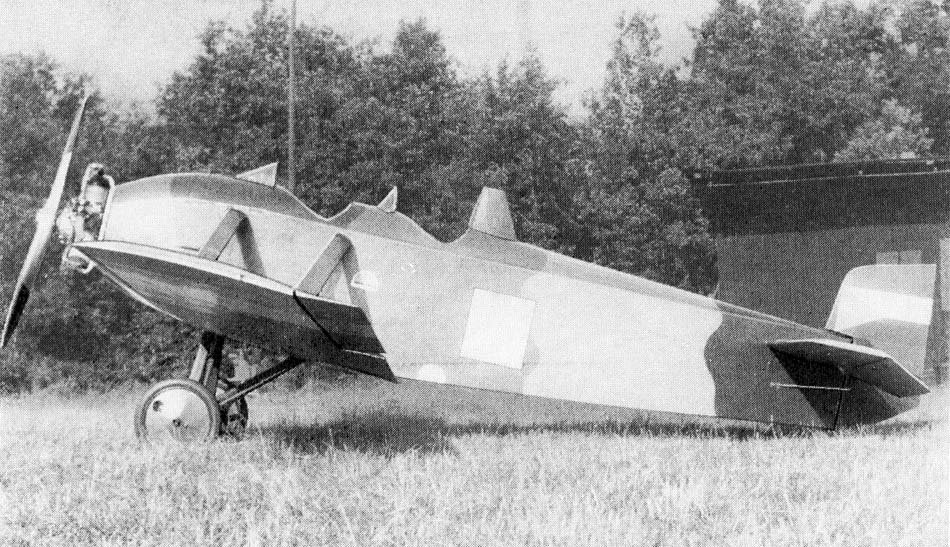
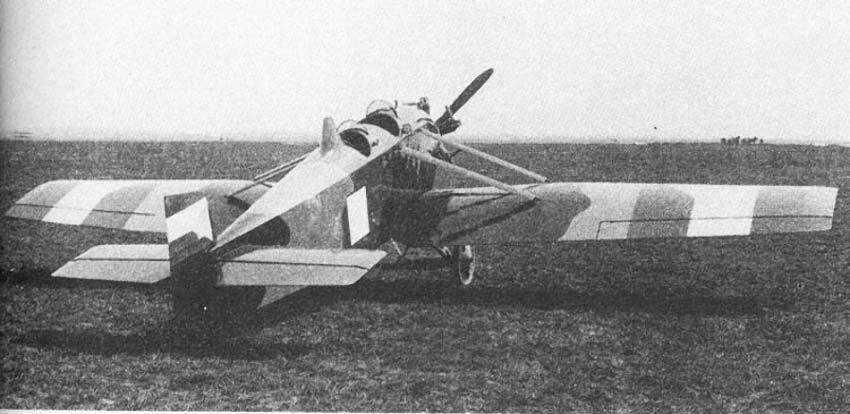
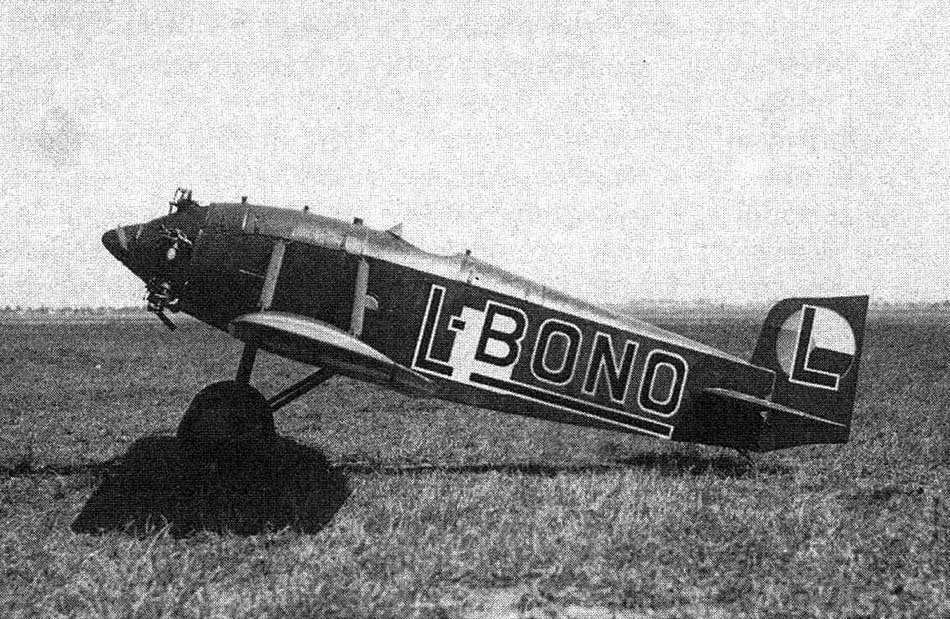
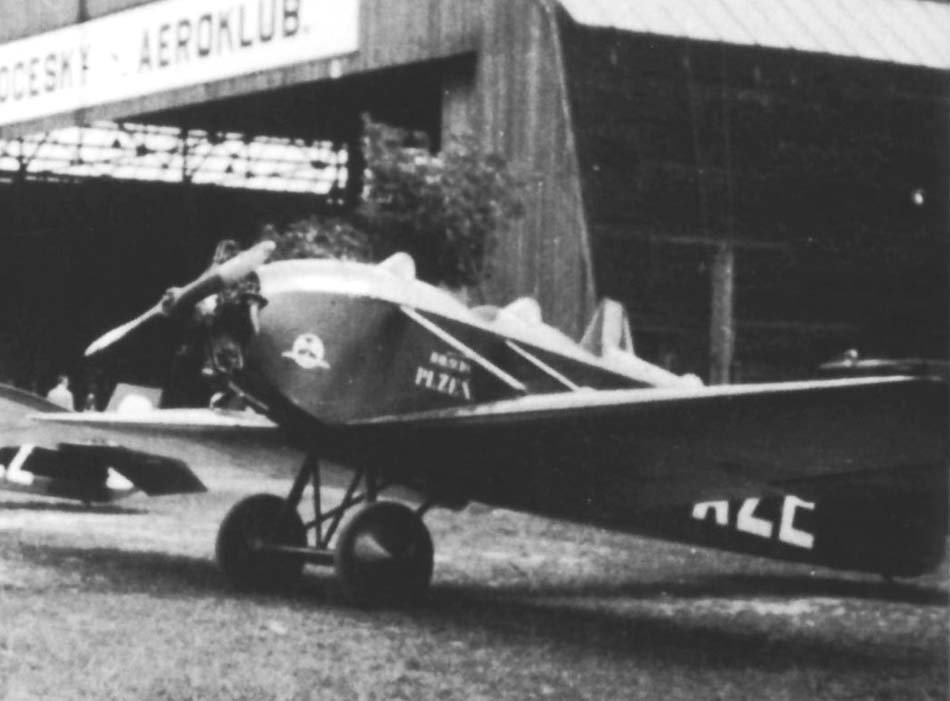
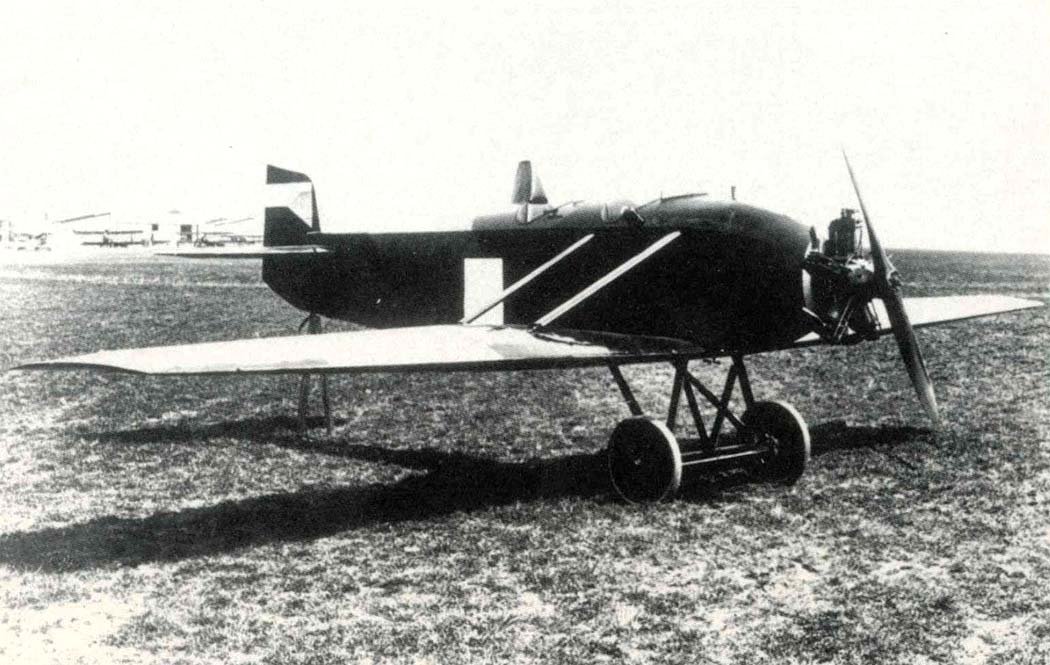
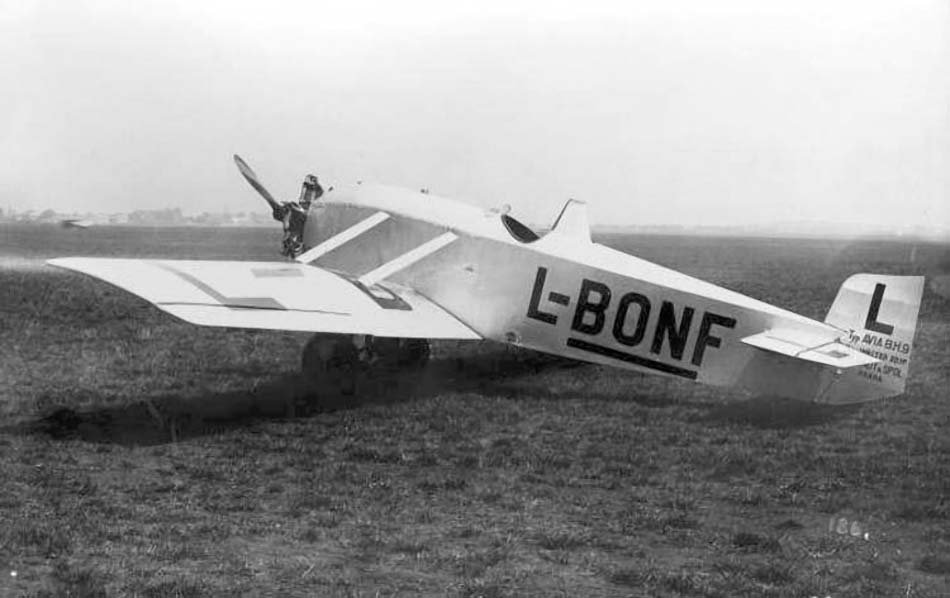
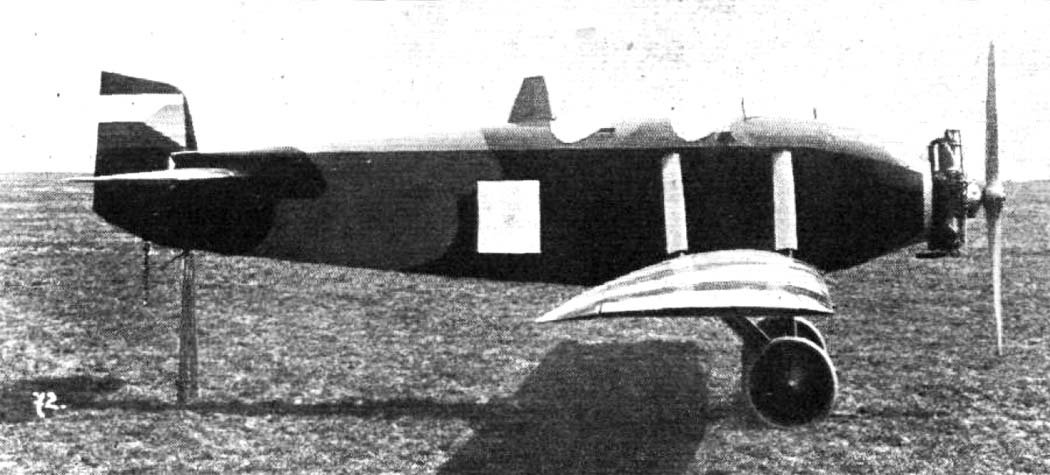
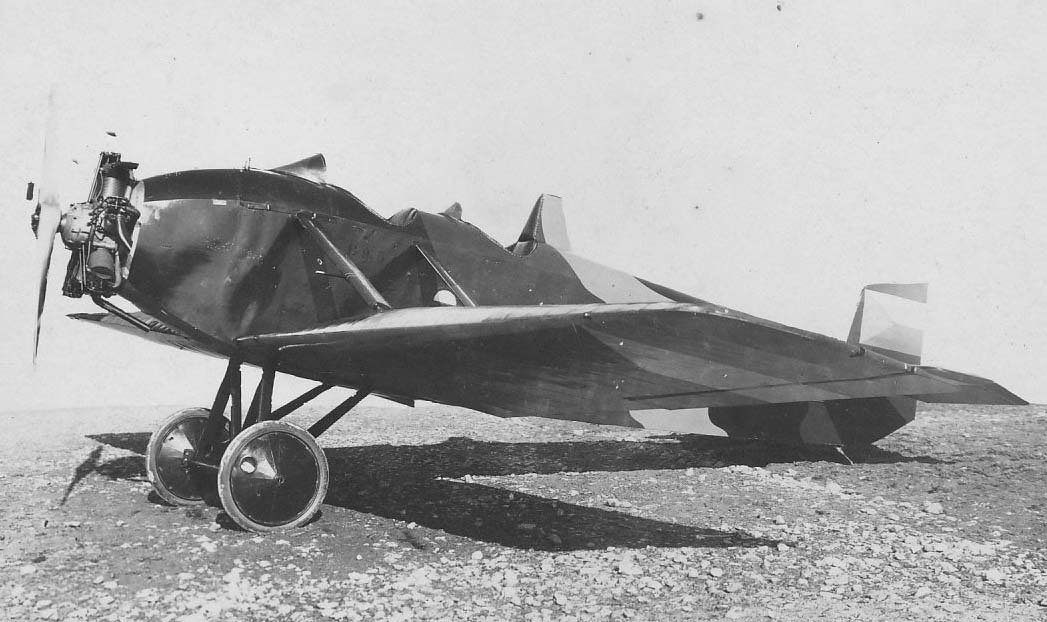
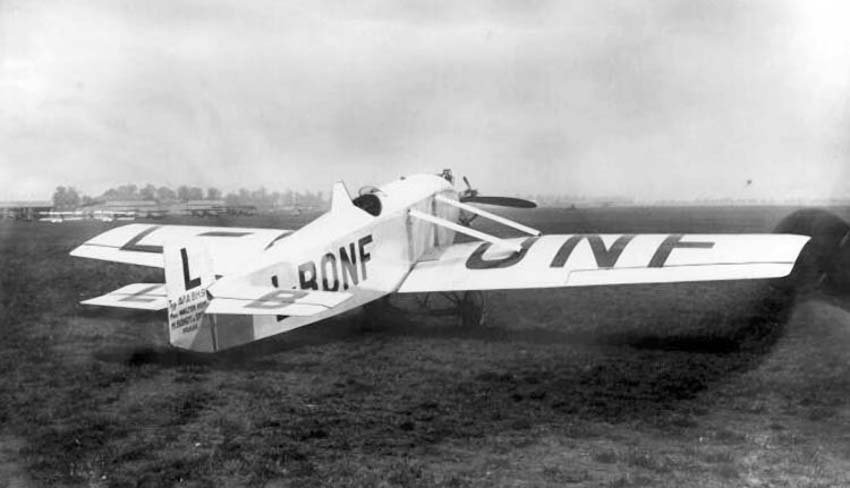
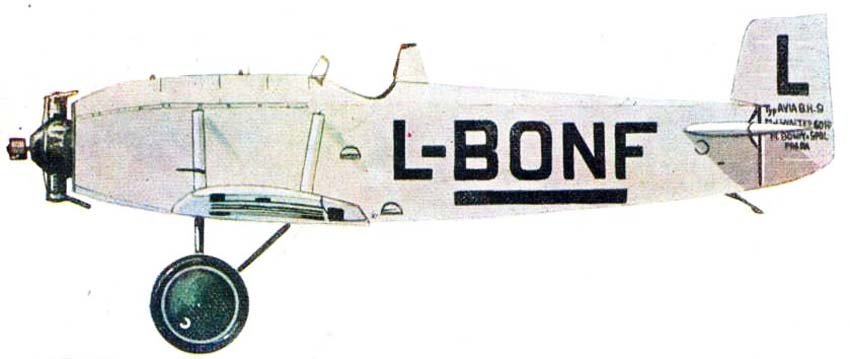
The BH-9 was a versatile multipurpose auxiliary aircraft, developed by the Czechoslovak firm Avia. It was designed by Pavel Beneš and Miroslav Hajn, taking the BH-5 sports aircraft as its foundation. This aircraft marked a significant milestone in interwar aviation in Czechoslovakia.
Design and Technical Capabilities
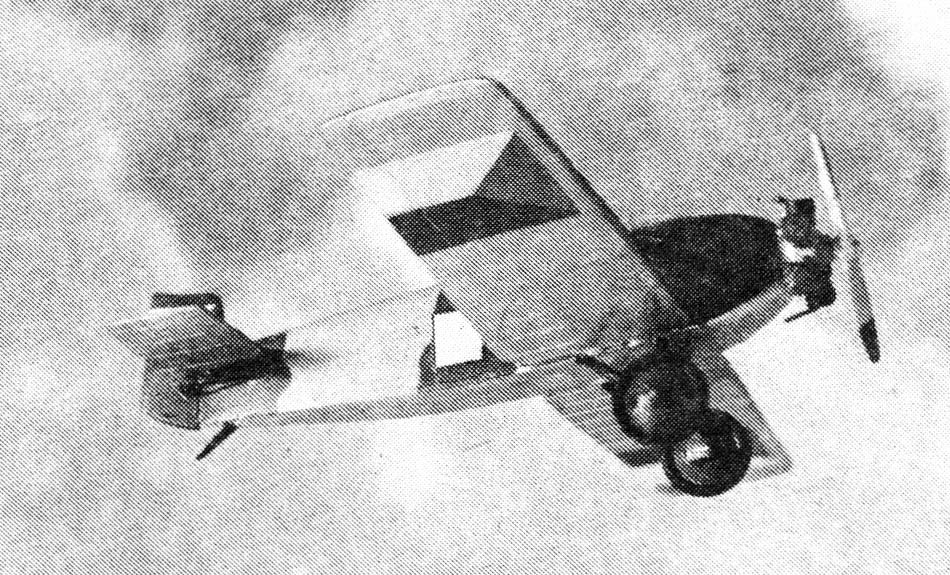
The BH-9 was characterized as a low-wing monoplane, conceived for both recreational and sports use, with its wings cleverly reinforced by compressed struts. Equipped with a 60 hp Walter NZ engine, it demonstrated remarkable versatility. It could be effectively utilized as a trainer, a reconnaissance aircraft, or for liaison duties.
Operational Milestones and Service
The first prototype of this aircraft took its inaugural flight on November 25, 1923. The interest shown by the Czechoslovak army quickly led to an order for ten units, which received the military designation B.9. These aircraft were successfully used for training and communication roles, solidifying their reputation.
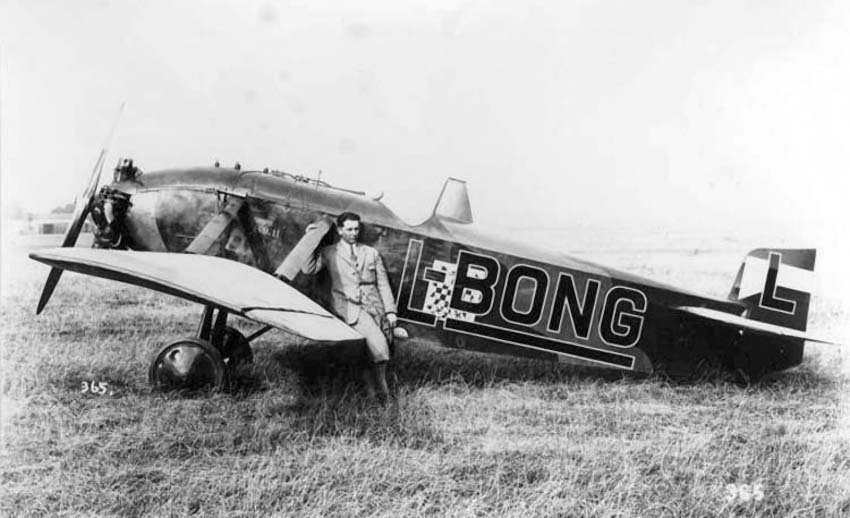
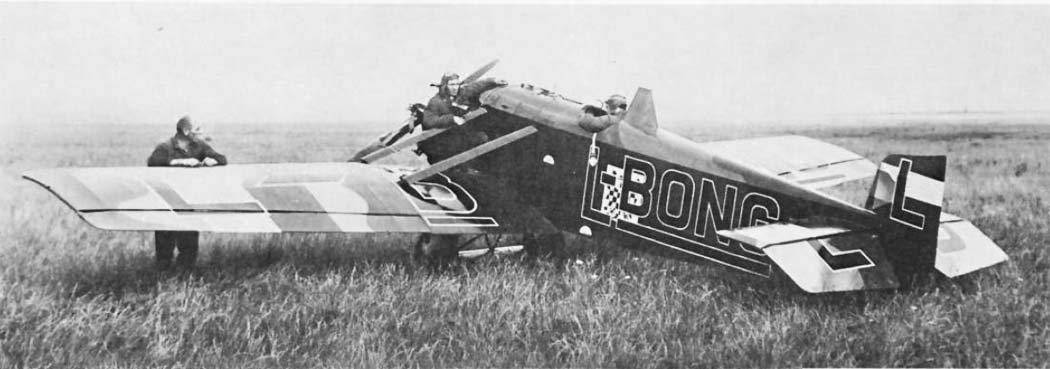
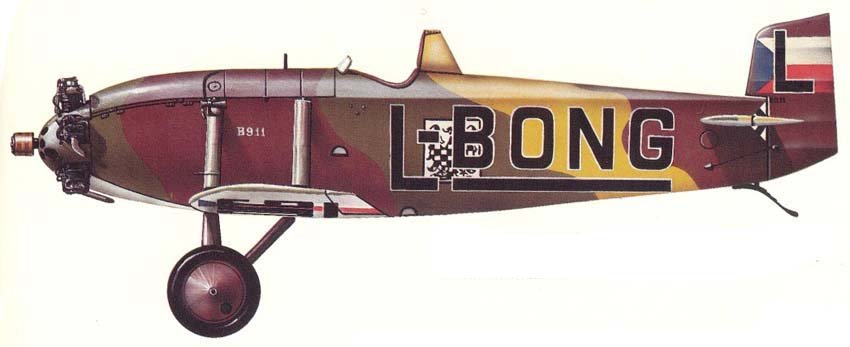
The Avia B.9 aircraft proved to be quite effective, notably distinguishing themselves by winning the prestigious Coppa d’Italia competition in 1925. Furthermore, Lieutenant Gira accomplished an impressive feat in the summer of 1926. Flying a B.9.11 (L-BONG), he completed a round trip from Prague to Paris, covering a distance of 1800 km (1118 miles) at an average speed of 131.2 km/h.
Technical Specifications
| Modification | BH-9 |
| Wingspan, m | 9.72 |
| Length, m | 6.64 |
| Height, m | 2.53 |
| Wing area, m2 | 13.60 |
| Empty weight | 345 |
| Normal takeoff weight | 550 |
| Engine type | 1 Piston engine Walter NZ-60 |
| Power, hp | 1 x 60 |
| Maximum speed, km/h | 158 |
| Cruising speed, km/h | 125 |
| Practical range, km | 470 |
| Practical ceiling, m | 4500 |
| Crew | 2 crew |
Image and diagram gallery of the Avia BH-9
 BH-9 |
 BH-9 |
 BH-9 |
 BH-9 |
 BH-9 |
 BH-9 |
 BH-9 |
 BH-9 |
 BH-9 |
 BH-9 |
 BH-9 |
 BH-9 |
 BH-9 |
 BH-9 |
 BH-9 |
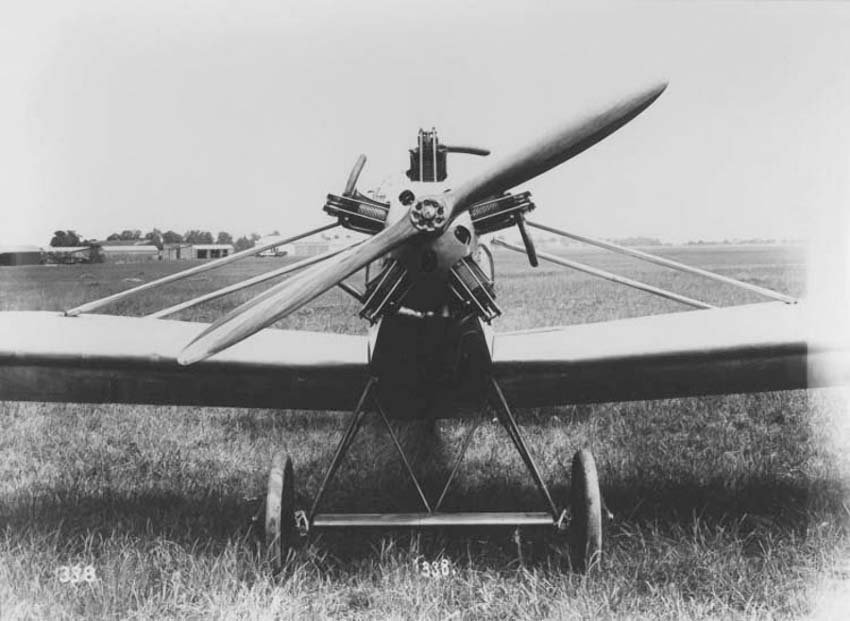 BH-9 |
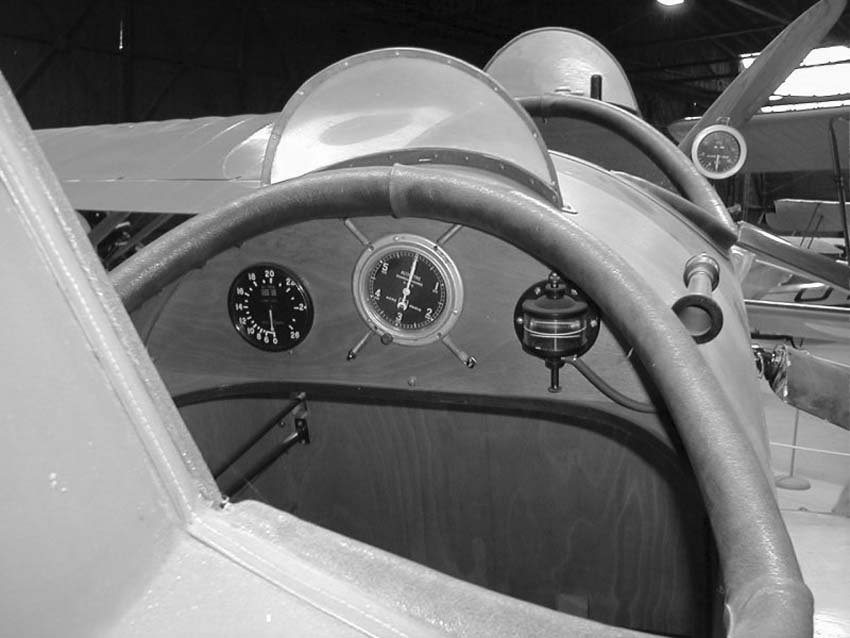 BH-9 |
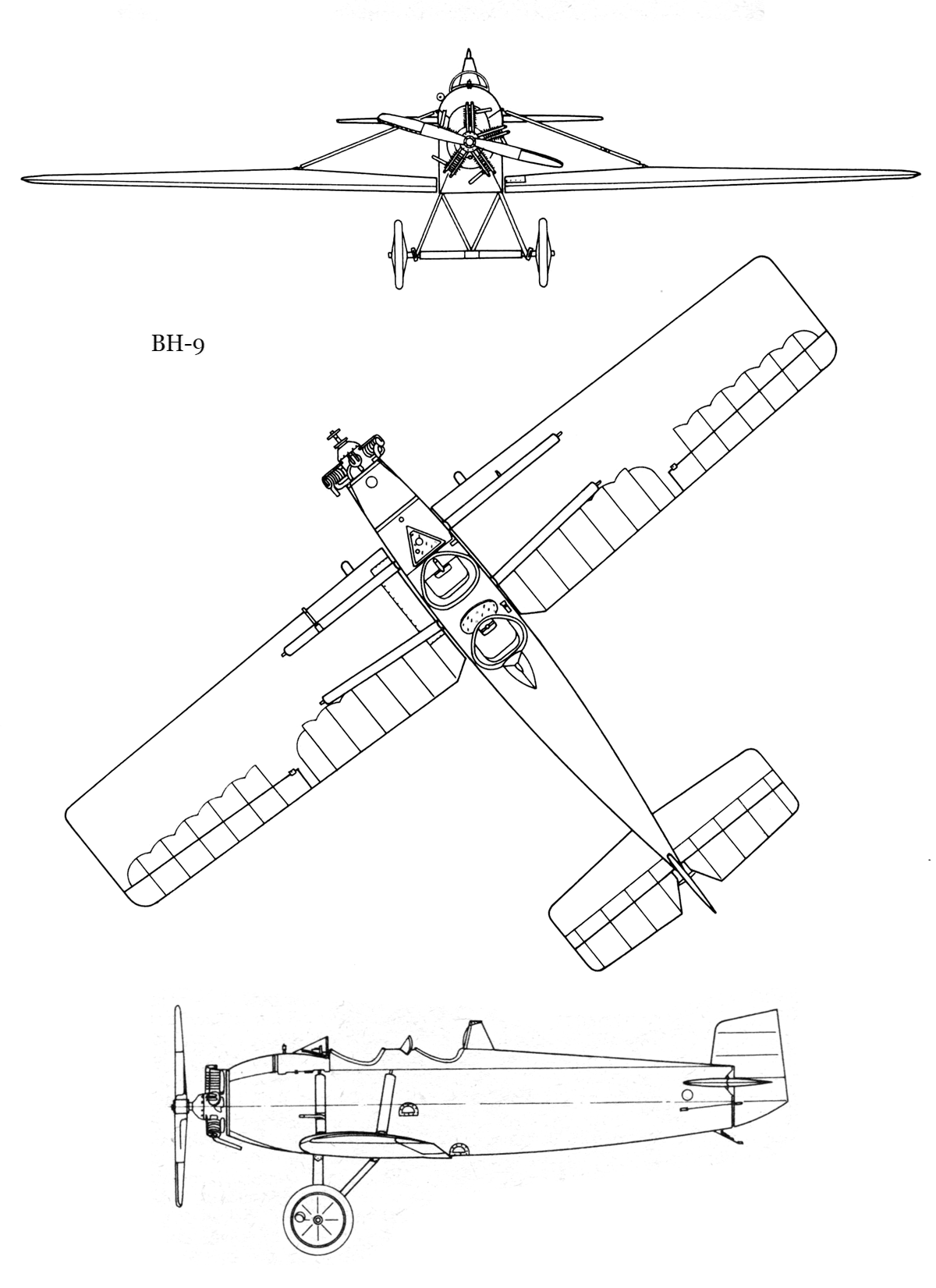 BH-9 |
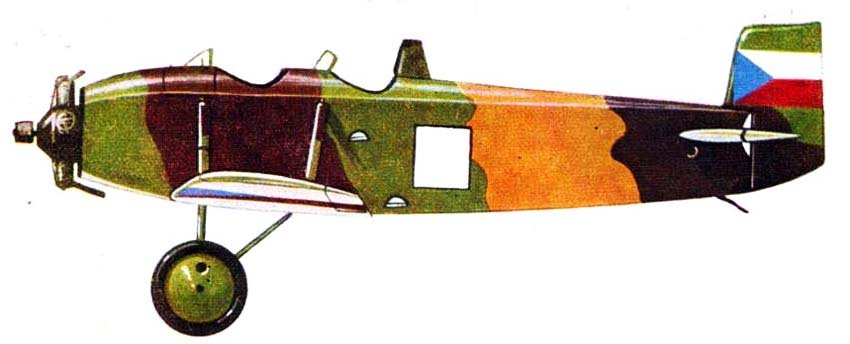 BH-9 |
 BH-9 |
 BH-9 |
ArchivoAéreo Editorial Team
A group of aviation researchers and enthusiasts dedicated to documenting and preserving global aeronautical history. All articles are reviewed to ensure historical accuracy.
Sources & Accuracy
The information presented in this technical sheet has been compiled from declassified flight manuals, historical archives, and specialized literature. While we strive for maximum accuracy, some performance data may vary depending on the specific variant or operational conditions.