B.E.9
An Innovative Concept
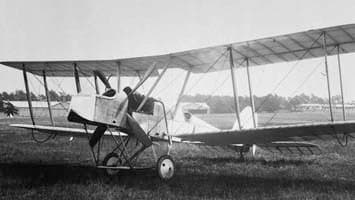
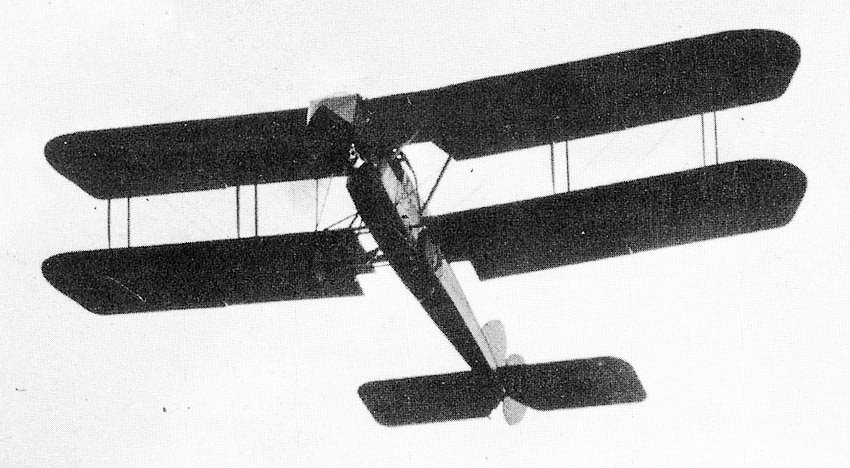
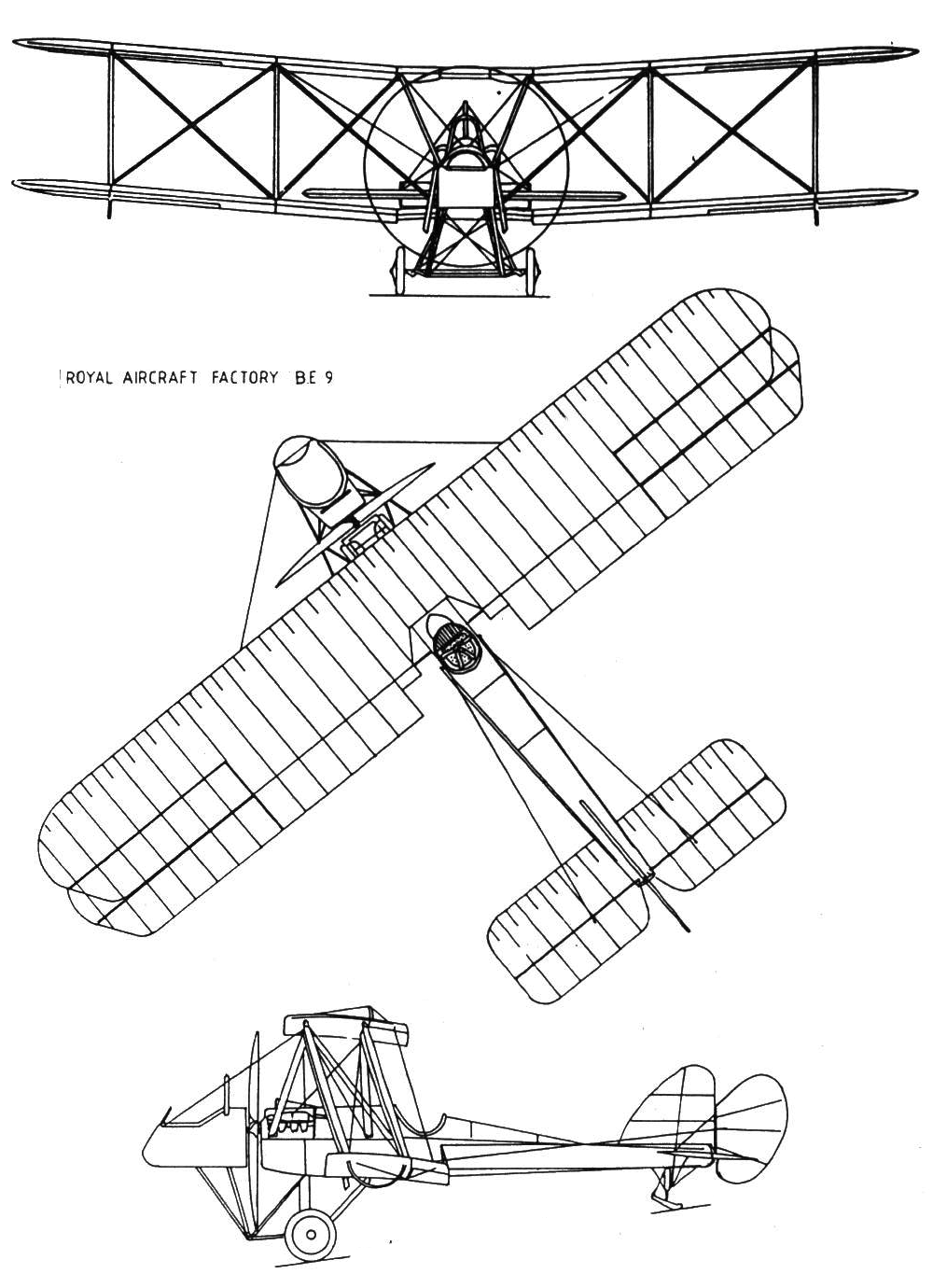
In late 1915, the RAF B.E.9 reconnaissance aircraft underwent trials in France. During its development, designers applied unusual solutions to provide a good field of fire for the observer-gunner, characteristic of pusher-propeller aircraft, while also achieving the high performance of tractor-propeller aircraft.
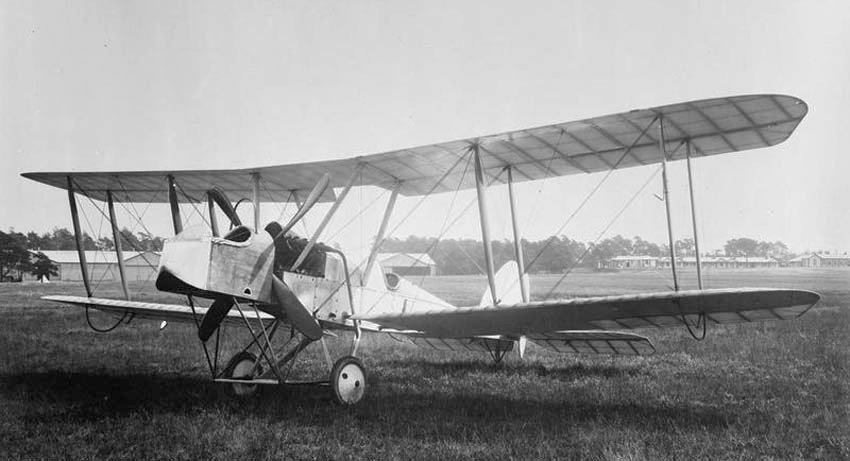
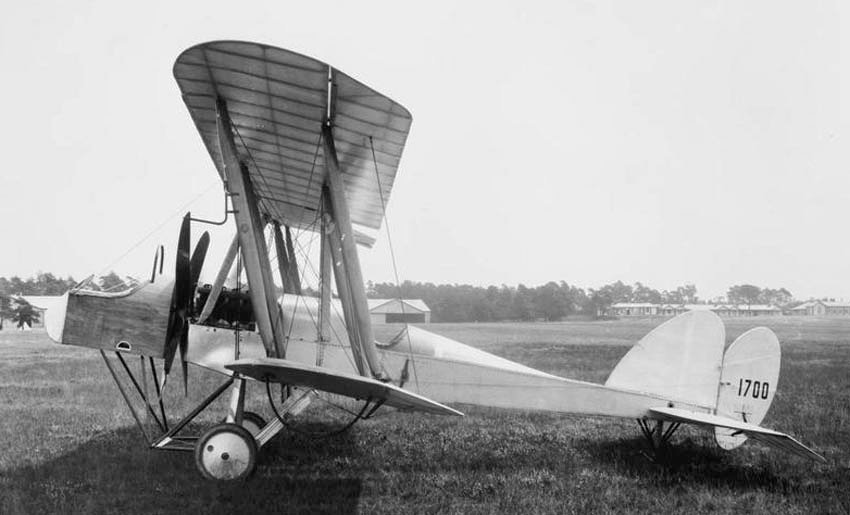
The B.E.9 was a modification of the B.E.2c aircraft (serial number 1700). The main alteration involved installing a standard RAF 1a air-cooled engine, common to the B.E.2 family, in place of the observer’s usual cockpit.
The Unique ‘Pulpit’ Feature
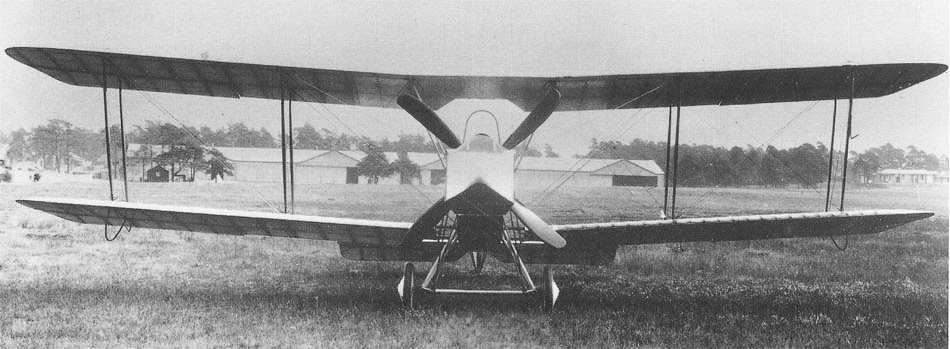
In front of the propeller, a small wooden enclosure was situated for the observer, who had a traversable Lewis machine gun at their disposal. This peculiar enclosure was nicknamed the “pulpit.”
Trials and Project Cancellation
The prototype of the B.E.9 made its first flight on August 14, 1915, in Farnborough. It subsequently underwent evaluation trials with three squadrons of the Royal Flying Corps, the results of which were negative. Consequently, the project was ultimately closed.
Technical Specifications
| Modification | В.Е.9 |
| Wingspan, m | 12.46 |
| Length, m | 8.84 |
| Height, m | 3.48 |
| Engine type | 1 Piston engine RAF 1a |
| Power, hp | 1 x 90 |
| Maximum speed, km/h | 131 |
| Cruising speed, km/h | 105 |
| Rate of climb, m/min | 68 |
| Crew | 2 |
| Armament | one 7.7-mm Lewis machine gun |
Image and diagram gallery of the B.E.9
 B.E.9 |
 B.E.9 |
 B.E.9 |
 B.E.9 |
 B.E.9 |
ArchivoAéreo Editorial Team
A group of aviation researchers and enthusiasts dedicated to documenting and preserving global aeronautical history. All articles are reviewed to ensure historical accuracy.
Sources & Accuracy
The information presented in this technical sheet has been compiled from declassified flight manuals, historical archives, and specialized literature. While we strive for maximum accuracy, some performance data may vary depending on the specific variant or operational conditions.