BD-10
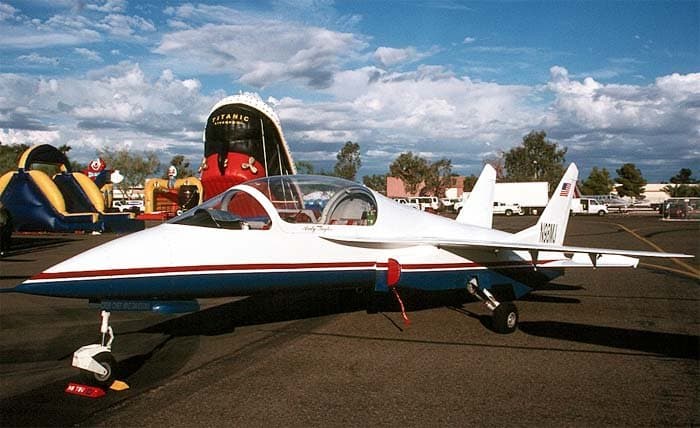
After experimenting with the successful BD-5J private jet, American designer Jim Bede embarked on an ambitious new project: a personal “kitplane,” this time designed to be supersonic. However, a significant obstacle stood in his way. Following the bankruptcy of his previous company, Bede Aircraft, the Federal Trade Commission banned Jim from engaging in aviation business for ten years. This prohibition, paradoxically, afforded him time to meticulously refine the new aircraft’s design.
The Genesis of the BD-10 and Early Hurdles
In the late 1980s, Jim Bede founded a new company, Bede Jet Corporation. The first project introduced by the company was the BD-10, a light two-seater private aircraft aspiring to achieve supersonic speeds. Engine selection proved to be one of the most complex challenges for the designer. After evaluating numerous options, Bede settled on the proven General Electric J85, an engine well-known for its use in military aircraft like the T-38 Talon and F-5 Freedom Fighter. It was also envisioned that production aircraft could, at customer request, be fitted with Williams FJ44 and Pratt & Whitney JT12 engines.
The prototype’s (N2BD) first flight occurred in July 1992. However, initial tests quickly revealed that the aircraft did not meet expectations. It turned out to be overweight, necessitating a reduction in fuel load to just 263 gallons to compensate, which in turn decreased its practical range from 2000 to 1500 miles. Furthermore, the BD-10J failed to live up to its supersonic designation, as even at full engine thrust, it only reached a speed of 0.83 Mach.
Performance Issues and Repeated Attempts
Throughout 1994, the BD-10 participated in various exhibitions, generating interest and resulting in orders for three aircraft kits for private individuals by year-end. However, these orders were never fulfilled. At the direction of test center chief pilot Skip Holm, the original project was ultimately shut down due to its deficiencies.
Concurrently, the company Fox Aircraft also became involved in the BD-10 project. Its head, Van Wagenen, acquired the production rights for the aircraft in late 1993, renaming it first Fox-10 and later Peregrine Falcon. The first Fox prototype (N9WZ) flew in 1994, with a second (N62PJ) launched that same year. Tragically, both aircraft were lost during testing, leading to the complete closure of Fox Aircraft’s project.
The Tragic End of a Supersonic Dream
In 1996, Jim Bede again sold the aircraft’s production rights to another company, Monitor Jet of Canada. Their model, designated MJ-7, was equipped with a Pratt & Whitney Canada JT15D engine. However, this version also failed to generate significant interest among potential customers. The series of setbacks culminated in 1997, when investors declared Jim Bede bankrupt for the third time.
The sole remaining BD-10J (N2BD) was sold to Monitor Jet of Canada to settle debts. The aircraft’s story concluded tragically: the only unit sold to a private individual (N7FF) fatally crashed over California in 2003, bringing an end to the turbulent saga of the BD-10.
Technical Specifications
| Modification | BD-10J |
| Wingspan, m | 6.55 |
| Aircraft length, m | 6.53 |
| Aircraft height, m | 2.46 |
| Wing area, m2 | 9.10 |
| Empty weight | 725 |
| Maximum takeoff weight | 2014 |
| Engine type | 1 General Electric CJ-610 Turbojet |
| Thrust, kN | 1 x 13.12 |
| Maximum speed, M | 0.83 |
| Cruising speed, km/h | 957 |
| Practical range, km | 2499 |
| Rate of climb, m/s | 9144 |
| Practical ceiling, m | 13715 |
| Crew | 1 |
Image and diagram gallery of the BD-10
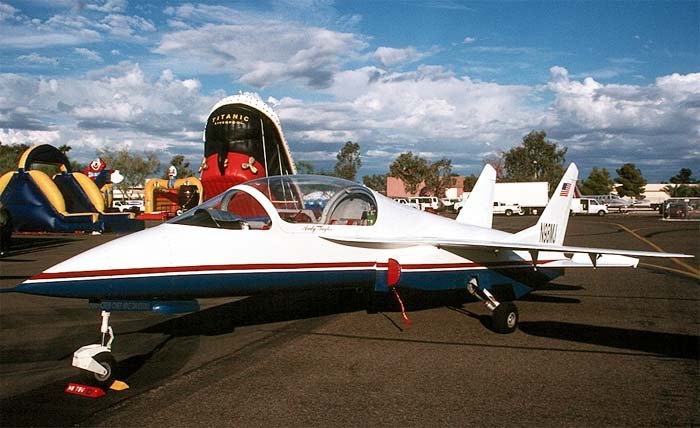 BD-10 |
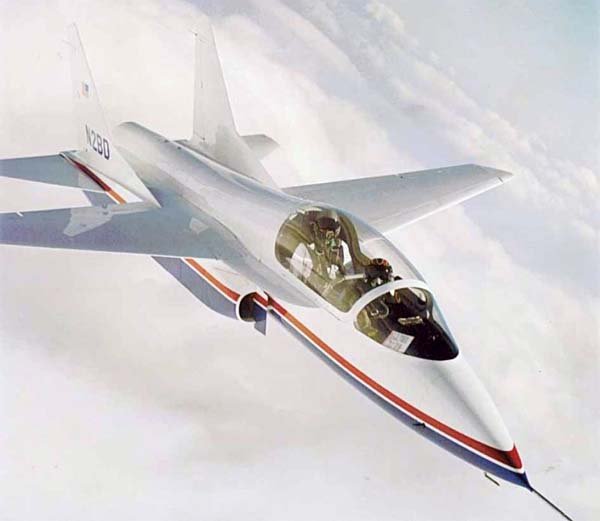 BD-10 |
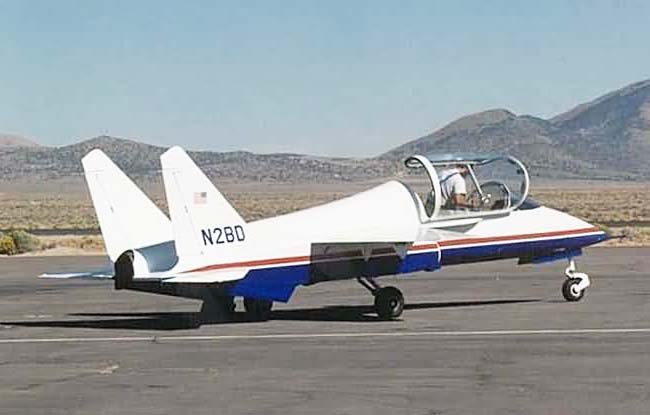 BD-10 |
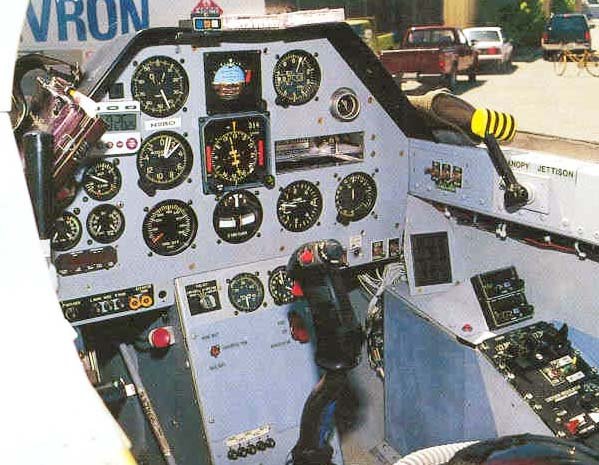 BD-10 |
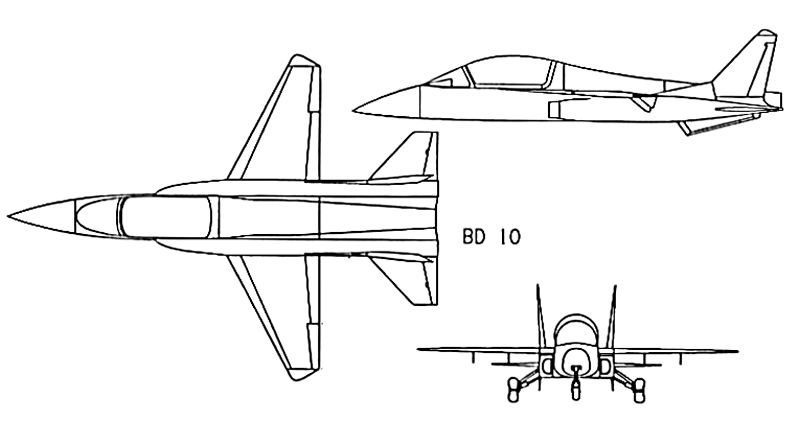 BD-10 |
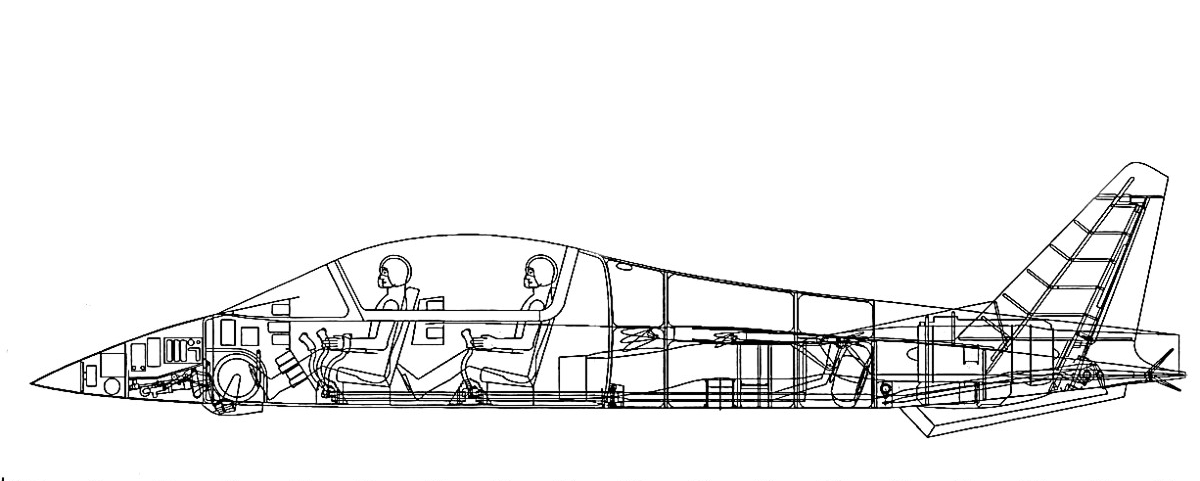 BD-10 |
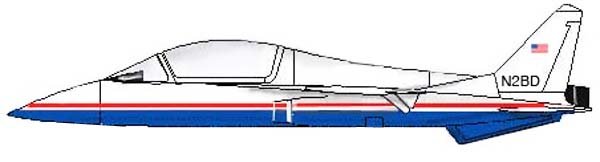 BD-10 |
ArchivoAéreo Editorial Team
A group of aviation researchers and enthusiasts dedicated to documenting and preserving global aeronautical history. All articles are reviewed to ensure historical accuracy.
Sources & Accuracy
The information presented in this technical sheet has been compiled from declassified flight manuals, historical archives, and specialized literature. While we strive for maximum accuracy, some performance data may vary depending on the specific variant or operational conditions.