BD-2 Love One
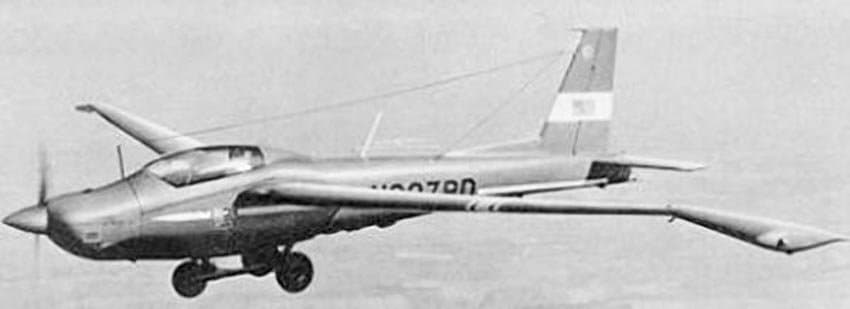
The BD-2 Love One: An Ambitious Project
The BD-2 Love One (Low Orbit Very Efficient One) light aircraft was developed by American engineer Jim Bede with the ambition of completing the world’s first unrefueled round-the-world flight. Based on the Schweizer 2-32 glider airframe, the BD-2 was equipped with a 225 hp six-cylinder Continental IO-360-C piston engine and an original tricycle landing gear.
Collaboration and Maiden Flight
Jim Bede found himself unable to manage the complex task of building the aircraft alone. The project thus involved World Flight, Inc., which provided financial support, and Javelin Aircraft Corporation, responsible for the aircraft’s assembly. The BD-2’s maiden flight took place on March 11, 1967.
World Records and Further Development
Although the planned global circumnavigation never materialized, the BD-2 set several remarkable world records. These included a flight duration of 70 hours and 15 minutes, and a nonstop journey covering 8,924 miles (14,362 kilometers).
Between 1980 and 1981, the aircraft underwent a redesign by Javelin Aircraft Corporation. Under its new designation, the Mullens Phoenix, it successfully flew nonstop for 10,070 miles (16,206 kilometers) over 73 hours and 2 minutes. This impressive flight occurred from December 5th to 8th, 1981.
Technical Specifications
| Modification | ВD-2 |
| Wingspan, m | 19.20 |
| Length, m | 8.40 |
| Height, m | 2.08 |
| Wing area, m2 | 17.80 |
| Empty weight | 885 |
| Maximum takeoff weight | 2400 |
| Engine type | 1 Piston engine Continental IO-360-C |
| Power, hp | 1 x 225 |
| Maximum speed, km/h | 330 |
| Cruising speed, km/h | 312 |
| Practical range, km | 14400 |
| Practical ceiling, m | 6096 |
| Crew, crew members | 1 |
Image and diagram gallery of the BD-2 Love One
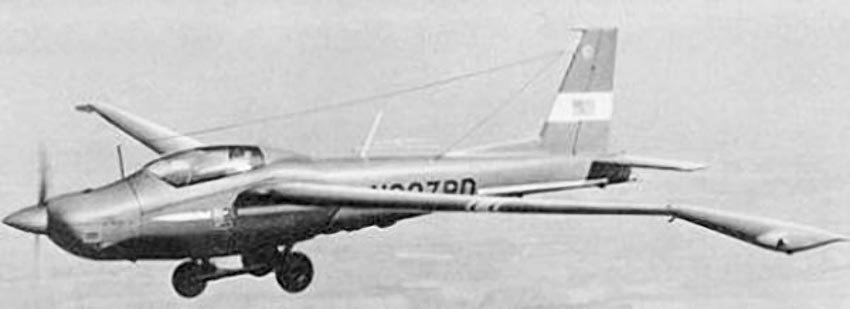 BD-2 Love One |
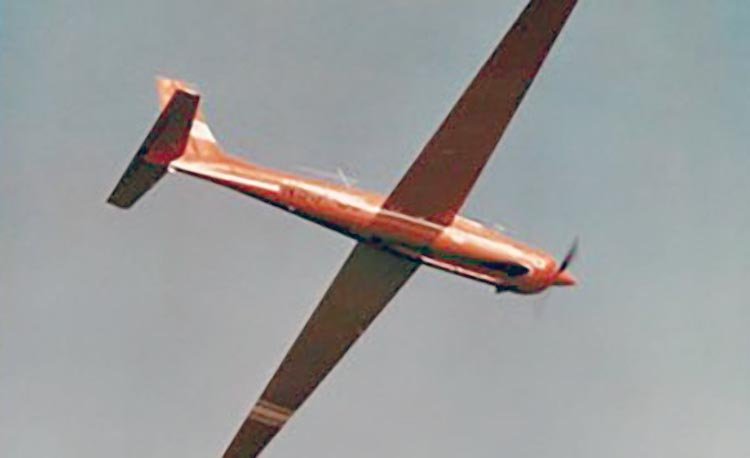 BD-2 Love One |
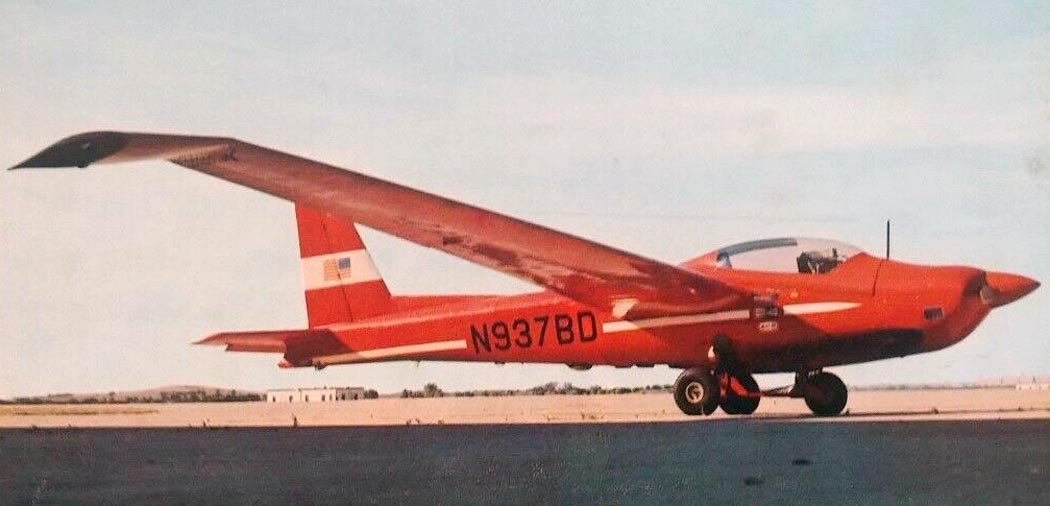 BD-2 Love One |
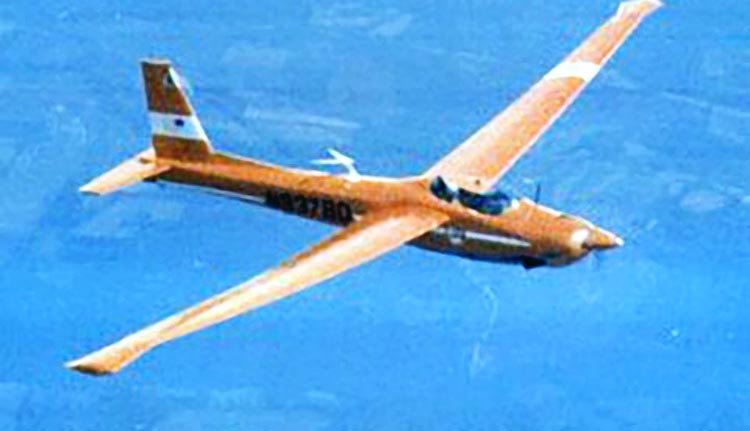 BD-2 Love One |
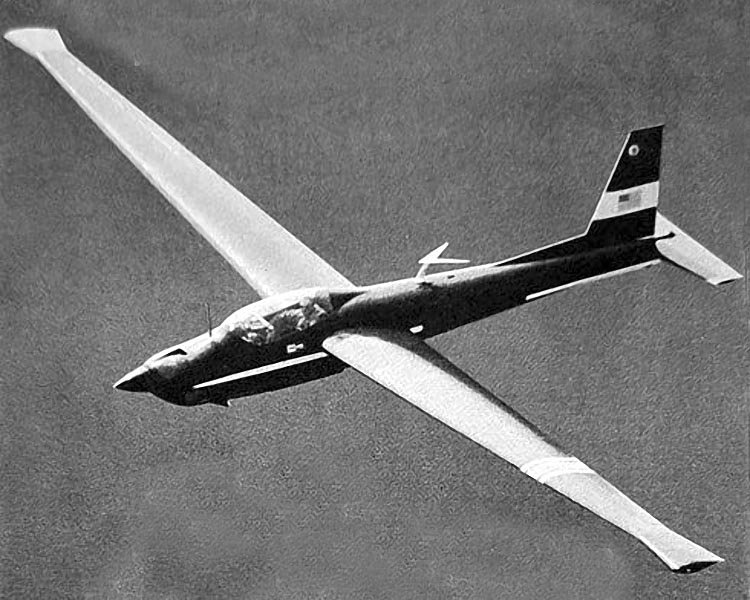 BD-2 Love One |
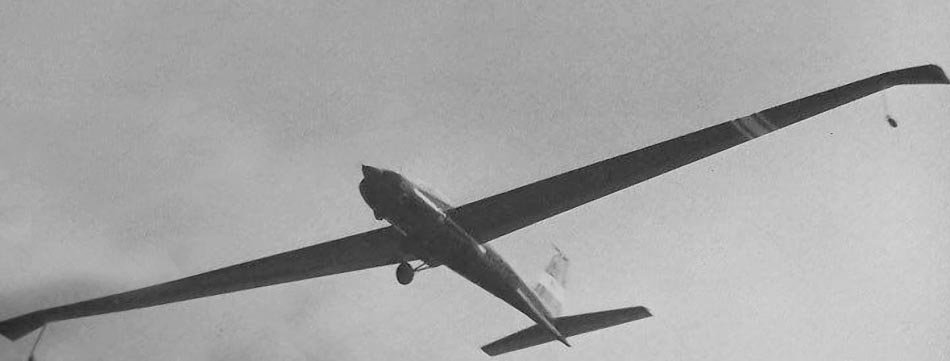 BD-2 Love One |
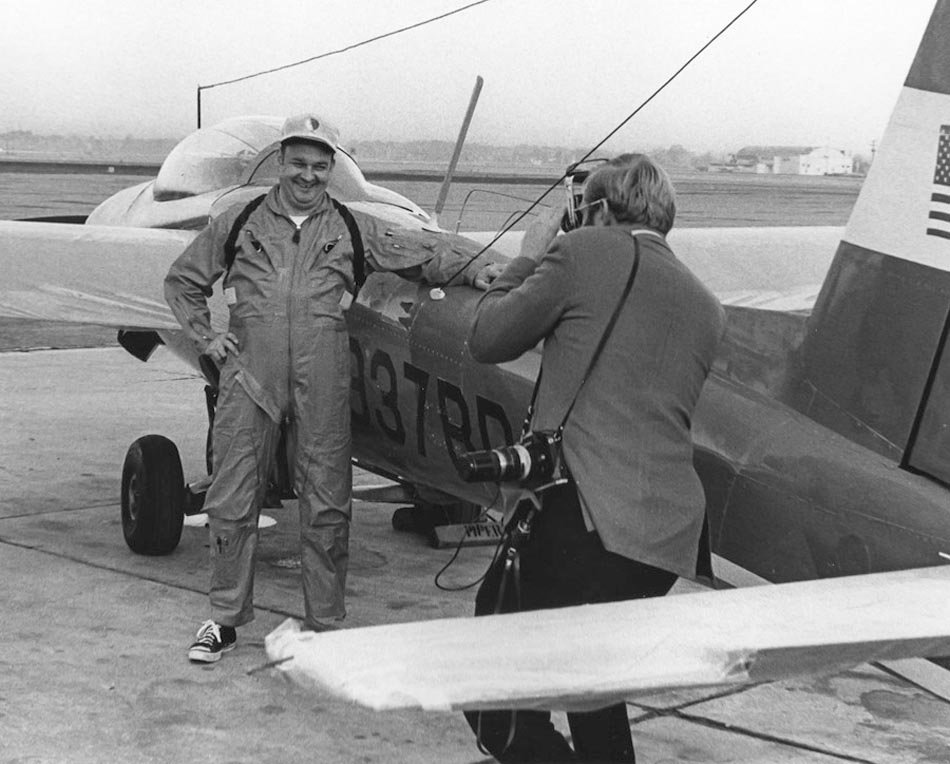 BD-2 Love One |
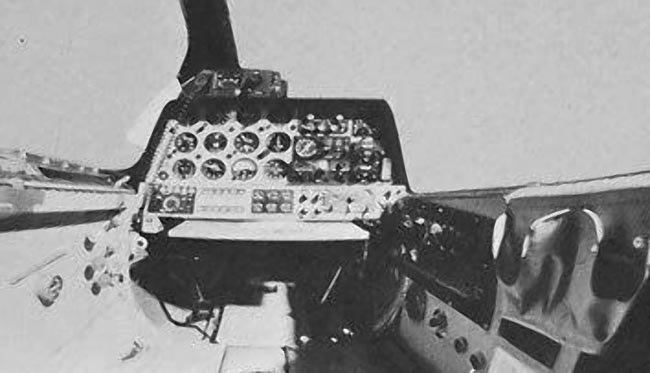 BD-2 Love One |
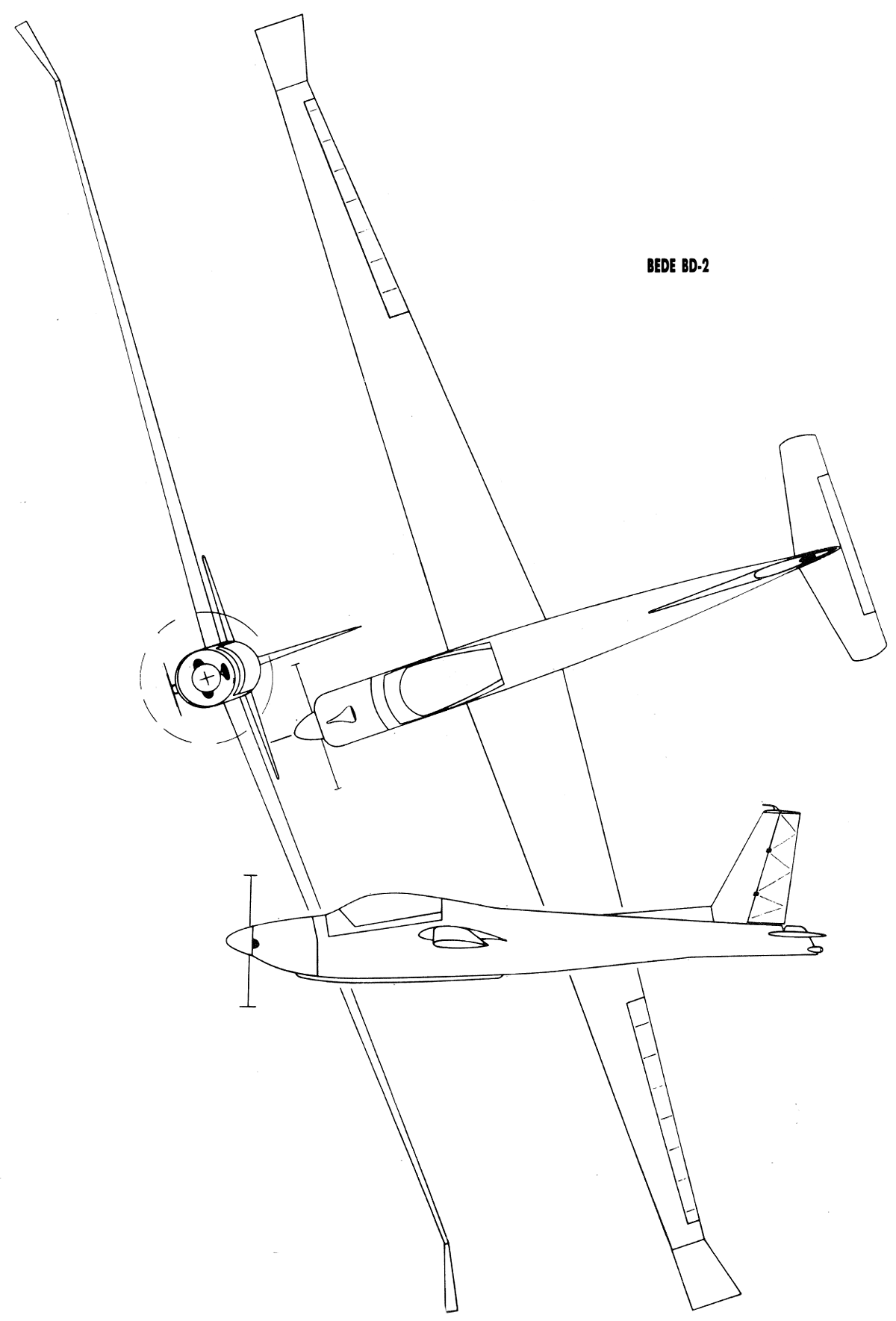 BD-2 Love One |
ArchivoAéreo Editorial Team
A group of aviation researchers and enthusiasts dedicated to documenting and preserving global aeronautical history. All articles are reviewed to ensure historical accuracy.
Sources & Accuracy
The information presented in this technical sheet has been compiled from declassified flight manuals, historical archives, and specialized literature. While we strive for maximum accuracy, some performance data may vary depending on the specific variant or operational conditions.