Be-200
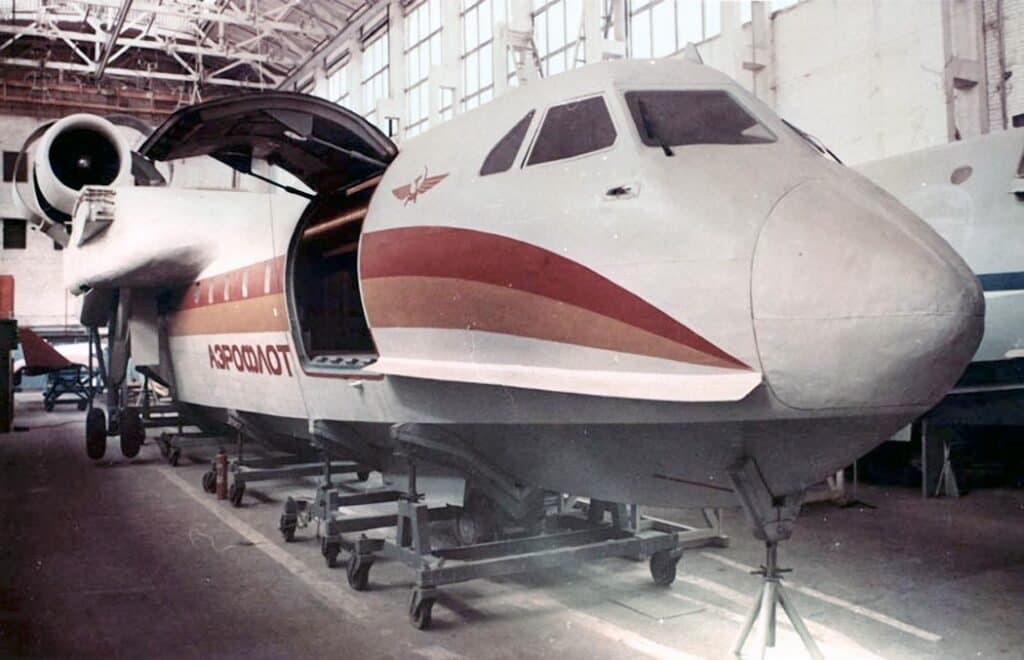
In late September 1998, an event of great significance, though not widely publicized, occurred in Irkutsk. From the factory airfield of the Irkutsk Aviation Production Association, the Be-200 amphibious aircraft took to the skies for the first time. This machine, designed by the Taganrog Aviation Scientific-Technical Complex named after G.M. Beriev and built in Irkutsk, was destined to open a new page in the development of seaplanes.
Origins and Development of the Be-200
Historically, TANTK Beriev’s main customer from its early days was the military. As a result, aircraft created in Taganrog more often bore stars on their fuselages than civil “Aeroflot” registration. Although work on various civil machine projects was constantly underway at the design bureau, the overwhelming majority of them remained on paper.
During the Soviet era, defense projects always took precedence, and the Taganrog Design Bureau played a significant role in their implementation. However, much changed with the advent of concepts like “perestroika,” “new thinking,” and, of course, “conversion” in the country. During this period in Taganrog, intensive work was underway on the A-40 “Albatros” anti-submarine amphibious aircraft, which first flew in December 1986.
It was not surprising that, alongside the main anti-submarine and search-and-rescue variants of the A-40, its possible civil modifications were also considered. However, an analysis showed that civil customers’ demand for such a large amphibian would be insignificant. Therefore, parallel to the A-40, work began on a civil multi-purpose amphibious aircraft, the A-100, with a takeoff weight of 21-22 tons.
The A-100 was intended for fighting forest fires, passenger and cargo-mail transportation, search and rescue operations, patrolling the 200-mile economic zone, and fishery and ice reconnaissance at sea. The new amphibious aircraft was a monoplane with a high-mounted straight wing and two underwing floats. The prospective turboprop engines TV7-117S, with a takeoff power of 2500 hp each, and low-noise six-bladed SV-34 propellers developed for the new regional passenger aircraft Il-114, were chosen as the powerplant for the A-100. Many of the amphibian’s units and systems were also unified with the Il-114, and the “hundred” project was approved by relevant interested departments.
However, the well-known saying, “the best is the enemy of the good,” came into play. In its main firefighting variant, the A-100 turned out to be very similar to the famous Canadian CL-215 amphibious aircraft, which first flew back in 1967. Creating a new aircraft with characteristics similar to a machine that first flew in 1967 was clearly impractical.
Therefore, the Chief Designer of TANTK Beriev, A.K. Konstantinov, considering further ways of working on this topic, decided to create a machine with a takeoff weight of up to 40 tons and a water tank capacity of 12-13 tons. The Ministry of Civil Aviation and the State Forestry Committee also liked this idea. Work on the new firefighting aircraft project led Konstantinov to the idea of creating a multi-purpose amphibious aircraft, not just a specialized one.
He adopted an aerohydrodynamic scheme similar to the A-40, which had already undergone flight tests and shown excellent characteristics, but at approximately 0.8 scale. Its aerodynamic quality was almost as good as land-based aircraft of a similar class. The technical proposal for this machine was agreed upon with the Minister of Aviation Industry, A.S. Systsov, and also with the Ministry of Civil Aviation. This is how the idea and scheme of the multi-purpose amphibious aircraft A-200, later designated Be-200, came about.
G.S. Panatov, who succeeded A.K. Konstantinov as head of TANTK Beriev, decided to realize the Be-200 in metal, using the experience gained from designing and building the A-40. By 1990, the preliminary design of the A-200 (Be-200) amphibious aircraft for fighting forest fires, equipped with two modified D-436T turbofan engines, was ready. Its creation was legalized by a Resolution of the USSR Council of Ministers on December 8, 1990.
Between 1991 and 1995, it was planned to build four prototype machines at the Irkutsk Aviation Production Association (IAPO), and from 1996, to launch series production there. The same Resolution stipulated the creation of passenger, cargo, and special variants based on the firefighting amphibian, with TANTK Beriev becoming the lead organization for ensuring a unified technical policy in seaplane construction. Information about the new project was first presented to wide aviation circles at the Le Bourget Air Show in 1991.
As noted, the “two-hundred” was intended to be a multi-purpose machine. After the mock-up commission in 1991, design work proceeded alongside project redesign. The APU, pressurized cabin, reinforced floor, and location/size of entry doors were all redesigned. However, engineers faced the problem of what to do with the enormous water tanks occupying the central part of the cargo cabin.
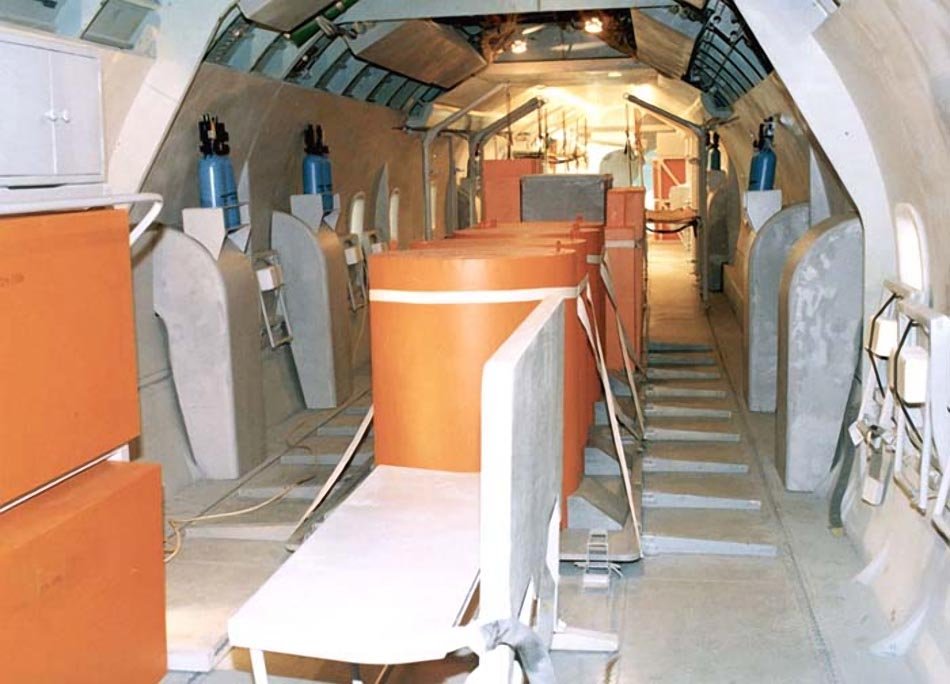
A simple yet elegant solution was found: all components of the special firefighting system were placed under the cabin floor. The cabin itself, for the first time in domestic seaplane construction practice, was made pressurized along the entire length of the hull. Similar to the A-40, the Be-200’s wings received advanced high-lift devices for takeoff and landing. An automatic flap extension system was implemented, deploying them to the takeoff position during the run, but only at high speeds when spray height significantly decreases.
The aircraft’s airframe was primarily made of high-corrosion-resistant aluminum alloys. Parts such as the nose and tail sections of the wing, rudders, ailerons, flaps, spoilers, tail sections of the fin and stabilizer, hydro-flaps, and floats extensively used various composite materials. Specifically for the Be-200, the Ukrainian ZMKB “Progress” quickly developed, and OJSC “Motor Sich” built, a special “marine” corrosion-resistant modification of the promising, highly economical D-436 engine – the D-436TP. This success was aided by Zaporozhye’s engine builders’ more than 40 years of experience operating AI-20D engines on Be-12 amphibious aircraft.
The new amphibian was to be equipped with modern avionics, ensuring navigation and flight control in all weather conditions, at any time of year or day. The “ARIA-200” flight and navigation complex planned for installation on the Be-200 was a joint development by the Russian Research Institute of Aviation Equipment and the American firm Allied Signal Aerospace, meeting ICAO Category III requirements. It was capable of providing navigation and flight control in complex meteorological conditions, as well as automatic analysis, monitoring, and recording of on-board systems during flight and on the ground.
All information for the two-pilot crew was displayed on six liquid crystal color multi-function electronic indicators on the instrument panel. Conventional instruments were used only as backups in case of possible electronic failures. Much attention was paid by the Be-200’s creators to ensuring high maneuverability and flight performance, vitally necessary for a firefighting aircraft. Therefore, the “two-hundred” became the first TANTK machine to receive the three-channel fly-by-wire control system EDSU-200, developed by the Moscow scientific and production complex “Avionika,” and the cockpit was equipped with “fighter-style” control sticks instead of traditional yokes.
Taganrog designers also faced a whole complex of structural problems when creating the special firefighting equipment system for the Be-200. Tests of large-scale dynamically similar seaplane models, full-scale seaplanes, and amphibious aircraft showed that the greatest loads on the hull bottoms, angular pitch oscillations, vertical movements of the center of mass, and vertical overloads at the center of mass occur during planing on the water surface in the speed range of 0.6 to 0.85 of takeoff speed.
However, by ensuring water collection at speeds of 0.9 to 0.95 of takeoff speed, the amphibious aircraft avoids the zone of greatest loads. This reduces fuel consumption, preserves engine and structural life, and shortens water collection time. These arguments contributed to the decision to develop a special firefighting equipment system for the Be-200 capable of taking on water at planing speeds in the range of 0.9 to 0.95 of takeoff speed.
This system was created, and its testing was conducted on a specially converted Be-12P-200 (RA-00046) amphibious aircraft, serving as a flying laboratory. Aircraft modernization work was led by General Designer G.S. Panatov and his first deputy A.V. Yavkin, with Yu.G. Duritsyn becoming the lead designer. In addition to the water collection and discharge system for the new amphibian, firefighting techniques and tactics for forest fires were also perfected on the Be-12P-200.
Rigorous Testing and Global Recognition
After the collapse of the USSR, the Be-200 project was not cancelled; moreover, the need for such an amphibian was confirmed by a Resolution of the Government of the Russian Federation on July 17, 1992. However, problems with budget financing simultaneously began, and as a consequence, with finding a serial production plant for building the machine and manufacturing numerous necessary components. As G.S. Panatov aptly noted: “at that time everyone was counting money, because no one had any.”
In addition to Irkutsk, the new amphibian was offered for production at aviation factories in Kyiv, Kharkiv, and Omsk, but only IAPO showed cautious interest. After a detailed familiarization with the developing machine and its production technology, IAPO’s management decided to accept the Be-200 for production. The then general director of IAPO, G.N. Gorbunov, played a decisive role in this. He was the first to believe in the Be-200 and, weighing all the pros and cons, firmly declared: “We will make the Taganrog amphibian!”
No less significant a role in the fate of the Be-200 was played by V.A. Boguslayev, General Director of Zaporozhye’s OJSC “Motor Sich,” which built the D-436TP engines, and also met TANTK halfway on financial matters. Since direct attraction of foreign investments into “defense” enterprises was very difficult, it was decided to create a closed joint-stock company, “BETAIR,” for the production and sales of the Be-200.
In addition to TANTK, IAPO, the Swiss financial group ILTA Trade Finances SA, and the Ukrainian Industrial and Investment Bank became members. V.A. Kobzev became the General Director of BETAIR CJSC. Construction of the first flight Be-200 (factory No. 7682000002), in a firefighting variant, began in 1992 at IAPO. To accelerate series production, it was decided to build prototype machines using serial technology. As planned, the experimental series included two flight specimens and two specimens for static and fatigue tests.
The specimens for static (No. 7682000001, “product SI”) and fatigue (No. 7682000004, “product RI”) tests were delivered from Irkutsk to Taganrog aboard an An-124 aircraft in March 1995 and August 1997, respectively. Flight tests of the Be-200 were planned to begin in 1995, but the general crisis of the domestic economy, which affected the economic situation of TANTK and IAPO, allowed the aircraft to be prepared for its first flight only by the autumn of 1998.
Test pilot K.V. Babich was appointed the lead pilot for the Be-200. N.N. Demonov became the lead test engineer, and V.E. Zaruba the first aircraft mechanic. During the test period, a flight engineer, whose workstation was equipped in the cargo cabin, was part of the crew. The first flight Be-200 was rolled out of the assembly shop on September 11, 1996. Specialists from TANTK (headed by Be-200 Chief Designer A.V. Yavkin) and IAPO prepared the aircraft for its first flight around the clock, in three shifts.
During preparation, an incident occurred with a main landing gear tire explosion. Therefore, within two days, all tires on all landing gear were replaced. Despite the constant rush, the methodological council proceeded normally, and the aircraft received “clearance” for its first flight. It should be noted that taking off from the Irkutsk factory airfield has its peculiarities. The thing is, after the well-known An-124 “Ruslan” aircraft disaster, taking off towards residential areas was prohibited.
But on the day of the first flight, the weather was good with no wind; the wind picked up after takeoff, but in the “right” direction. The aircraft was first lifted into the air on September 24, 1998, from the IAPO airfield at 16:50 (Irkutsk time), by a crew consisting of commander K.V. Babich, co-pilot V.P. Dubensky, and flight engineer A.N. Ternovoy. The first flight lasted 27 minutes, during which the Be-200 was accompanied by a Be-12P.
Since the Be-200’s landing speed is comparable to the Be-12’s stall speed, the escort aircraft had to fly over the runway in an S-shaped trajectory to capture the “200’s” landing. Practically the entire factory came out to watch the first flight. From Taganrog, in addition to a large group of specialists who helped prepare the machine for its first flight, General Designer G.S. Panatov of TANTK flew to Irkutsk. On behalf of the Government of the Russian Federation, Prime Minister E.M. Primakov congratulated the TANTK and IAPO teams by telegram on the new aircraft’s first flight.
On September 29, the machine made its second flight, lasting an hour and a half. A third flight was planned for September 30, but the weather deteriorated, with wet snow, and the flight was canceled, although the ready aircraft was already at the starting line. After this, tests were interrupted, and the Be-200 was rolled into the workshop for painting and scheduled maintenance. Flights resumed on October 15, and on October 17, the official presentation of the aircraft took place. On this day, the machine performed two demonstration flights for invited guests and journalists.
In the spring of 1999, the Be-200 was ferried to Taganrog for further testing. The flight on April 27, along the Irkutsk-Novosibirsk-Ufa-Taganrog route, was performed by the crew of commander K.V. Babich, co-pilot G.G. Kalyuzhny, and navigator M.G. Andreev. This was the Be-200’s 19th flight, and by this point, the amphibian had logged 26.5 hours. The aircraft received registration RA-21511.
In May, the machine’s flight tests continued, including the first water drops on the factory airfield runway. On June 5, the Be-200 performed a joint flight with the Be-12P-200 for aerial photo and video shooting. On June 9, the aircraft (with exhibition number 368) flew to Paris to participate in the 43rd International Aerospace Show “Paris Air Show Le Bourget 99.” En route to Paris (and back), an intermediate landing was made at Košice airport in Slovakia. The Be-200 was piloted at the show by the crew of K.V. Babich, G.G. Kalyuzhny, and M.G. Andreev.
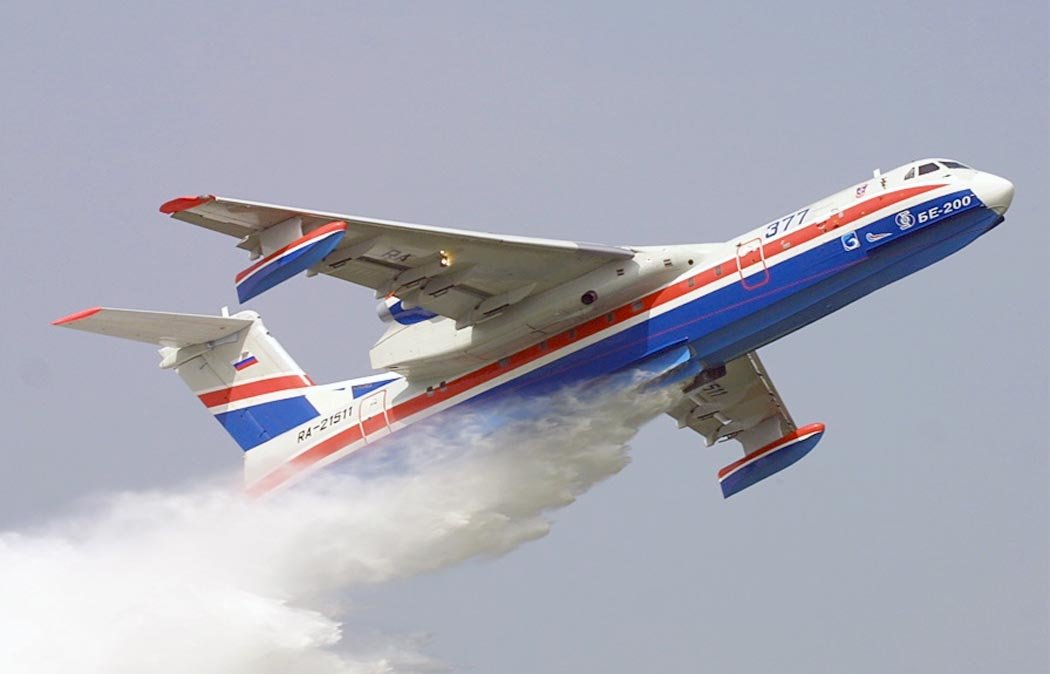
The aircraft was successful at the show with both specialists and visitors. It performed one training and two demonstration flights with the drop of 6 tons of water on June 11, 13, and 16. A small anecdote was associated with the water drop: when ground services at Le Bourget in Paris were asked for such a quantity of water to refuel the aircraft, the French were very surprised, but with true Gallic humor, offered wine instead, as it would cost the same, and they had no special vehicles for refueling either liquid in such quantities. The Be-200 returned to Taganrog on June 22, where it began preparations for water tests.
On July 7, the Be-200 was launched onto the water for the first time to check the hull’s watertightness. The new amphibian’s first “acquaintance” with the water element revealed two unpleasant points. First, the machine clearly suffered from a persistent tendency to list to the right. Second, due to hull leakage, quite a lot of water seeped into the boat. It turned out that the underwing floats had insufficient displacement, were installed on short pylons, and the right float, moreover, due to a leaky drain hole, filled with water to half its volume.
To avoid disrupting the test program, it was decided to extend the pylons and replace the “native” floats with those removed from a Be-12 amphibious aircraft. Incidentally, these “time-tested” floats performed excellently thereafter. The hull leakage was also eliminated. After modifications, seaworthiness tests continued, and on August 6 and 7, the first high-speed runs were performed, at speeds up to 0.8 of takeoff speed.
Although everyone wanted to lift the machine from the water before the MAKS-99 exhibition in Zhukovsky, General Designer G.S. Panatov made the reasonable decision not to rush. Water tests continued after the aircraft returned from Zhukovsky on August 23. On September 8, 1999, the Be-200 was demonstrated to the Minister of Emergency Situations of Russia, S.K. Shoigu, who visited TANTK with a group of specialists from his ministry. The Minister familiarized himself with the progress of Be-200 flight tests and held a meeting on the implementation and subsequent operation of the Be-200ChS amphibious aircraft by the relevant services of the Russian Ministry of Emergency Situations. A decision was made to create a center for training hydroaviation specialists at TANTK, where flight and technical crews for seaplanes would be trained.
The Be-200 performed a flight with a water drop on a simulated fire. It was not without the almost inevitable “general’s effect” in such cases: due to a minor failure, the main landing gear did not retract. However, this did not affect the performance of the flight or the impression made on the guests. On September 9, high-speed runs on water were again performed at almost takeoff speed. According to crew commander K.V. Babich, the machine performed excellently and was ready to take off immediately.
However, the first flight from water was postponed to the next day, September 10, 1999. The aircraft was launched at around noon, but due to strong wind and rough water in the bay, the flight was postponed to the afternoon. After lunch, the weather improved somewhat, and at 17:49 (Moscow time), the multi-purpose amphibious aircraft Be-200 made its first flight from the waters of Taganrog Bay. The aircraft was piloted by a crew consisting of commander test pilot K.V. Babich, co-pilot test pilot G.G. Kalyuzhny, test navigator M.G. Andreev, and test flight operator P.A. Lyashkov.
Flights from water continued on September 13, and on September 25, test pilot N.N. Okhotnikov was taken out as co-pilot. By the end of October 1999, the amphibian had completed about 80 test flights. In the following year, 2000, factory and certification flight tests continued, occasionally interrupted for various demonstrations.
On March 15, 2000, the aircraft participated in a demonstration of Russian aviation equipment for firefighting to the leadership of the Russian Ministry of Emergency Situations, headed by First Deputy Minister Yu.L. Vorobyov, and representatives of potential foreign customers from Israel, Greece, Switzerland, and France. The event itself took place in Taganrog on the territory of the factory airfield and hydro-base.
A demonstration of water collection in planing mode and its discharge onto a simulated fire was conducted by Be-200 (commander – K.V. Babich) and Be-12P-200 (commander – V.V. Okhotnikov) amphibians. In addition to TANTK aircraft, aircraft and helicopters from the Ministry of Emergency Situations participated in the demonstration, showing water drops from an Il-76TD equipped with the VAP-2 aerial drop device, and water collection by Mi-8MTV-1 helicopters with the WSU-5 water-dropping device and Mi-26T with the WSU-15.
In September 2000, the Be-200 participated in the Third International Exhibition “Hydroaviasalon-2000,” undoubtedly becoming its “star.” In Gelendzhik, the general public was finally able to see the amphibian’s flights from the water. During the exhibition, on September 8 and 9, 2000, the Be-200 set 24 world records in classes C-2 (seaplanes) and C-3 (amphibious aircraft), for time to climb 3000, 6000, and 9000 meters without payload and with commercial loads of 1000, 2000, and 5000 kg. The record results were recorded by FAI representative T.A. Polozova, sports commissioner of the Russian NAC named after V.P. Chkalov.
On November 8, 2000, in Rostov-on-Don, at the airfield of JSC “Rostvertol,” the Taganrog amphibians A-40, Be-200, and Be-12P-200 were demonstrated to Russian President V.V. Putin among other aviation equipment. By the end of 2000, the Be-200 had completed 153 flights, over 50 water landings, including water intake and subsequent discharge.
In 2001, certification tests continued. Flight tests during the Be-200’s certification were conducted by TANTK Beriev test pilots K.V. Babich, V.L. Fortushnov, N.P. Kuleshov, GosNII GA test pilot R.T. Yesayan, and LII M.M. Gromov test pilots A.I. Kostyuk and Yu.P. Sheffer. Additionally, in July, test pilot A.N. Kvochur flew the Be-200 for a special stall program.
In August 2001, the creators of the Be-200 reached an important milestone: a limited category type certificate was obtained for the machine. Now the amphibian could be used for firefighting and pilot training could begin. Finally, the Be-200 transitioned from an experimental aircraft to a marketable product. By this point, the aircraft had completed 223 flights totaling 213 hours as part of the certification tests.
The type certificate was formally presented to the General Designer during MAKS-2001 in Zhukovsky on August 15, 2001. At the opening of the exhibition, Russian President V.V. Putin and Defense Minister S.B. Ivanov inspected the Be-200, showing interest in the new aircraft and its potential applications. During demonstration flights at MAKS, the Be-200 spectacularly discharged water colored in the Russian flag’s hues. The aircraft returned from Zhukovsky on August 20, and on August 21-22, William Rice, chief pilot and vice-president of the American airline “Liberty Airlines,” made familiarization flights from both land and water.
On September 20, the Be-200, among other aviation equipment, participated in a demonstration for Deputy Prime Minister of Russia I.I. Klebanov, General Director of Rosaviakosmos Yu.N. Koptev, Commander of the North Caucasus Military District G.N. Troshev, and Governor of Rostov Oblast V.F. Chub, held at the factory airfield.
On October 23, 2001, in Taganrog, the multi-purpose amphibious aircraft Be-200 was modestly and business-like welcomed home after successfully participating in the LIMA’01 International Maritime and Aerospace Exhibition in Malaysia and the KADE’01 Korean Aerospace and Defense Exhibition in South Korea. The total route length of the entire flight was 22,391 km with landings in 14 cities across 8 countries. The Be-200 undertook such a long-distance flight for the first time.
The amphibian’s major Asian tour began on October 3, when the aircraft, piloted by a crew consisting of commander K.V. Babich, co-pilot N.P. Kuleshov, navigator M.G. Andreev, and flight operator V.E. Zaruba, lifted off the concrete and headed east. Its path lay through Turkmenistan to the United Arab Emirates, then through India and Burma to Malaysia, where the LIMA-2001 exhibition opened a few days later at Langkawi Island airport.
The decision to demonstrate the Be-200 specifically in Malaysia was no accident. LIMA is one of the most important military exhibitions in the Asia-Pacific region, home to the largest number of current real buyers and potential customers of Russian aviation technology, including India, China, Malaysia, the Philippines, Vietnam, and Singapore. Furthermore, the greatest interest in the new amphibious aircraft is shown by Southeast Asian states. Additionally, at this exhibition, the Be-200 could be shown “in all its glory,” i.e., on water, as LIMA was originally conceived not only as a venue for showcasing aerospace technology but also warships.
During the inspection of the maritime section of the exhibition by Malaysian Prime Minister M. Mahamad, the Be-200 brilliantly demonstrated water collection during planing with subsequent discharge next to the parade formation of participating ships. The Taganrog amphibian became one of the “stars” at LIMA-2001, and its demonstration flights with water drops aroused keen interest from both specialists and ordinary visitors. During the exhibition, business negotiations were held with official delegations from the Philippines, Indonesia, Singapore, and Thailand.
The Minister of Internal Affairs of Malaysia, whose department is responsible for forest fire protection, paid special attention to the TANTK stand and the new amphibian. The Minister’s subordinates, pilots of the fire protection aviation unit who directly fly on fire extinguishing missions, also familiarized themselves with the Be-200 in detail. The Deputy Commander of the Malaysian Air Force, on the other hand, was interested in the prospects of using the patrol-rescue and transport modifications of the Be-200.
The days spent on Langkawi passed quickly, and on October 12, the Be-200, taking on board an additional technical crew, continued its journey to the Far East. Vietnam and China remained under the amphibian’s wing, and ahead lay the capital of the Republic of Korea – Seoul. In Seoul, the aircraft participated in the KADE’01 Aerospace and Defense Exhibition, held from October 14 to 19, performing demonstration flights in the Korean sky with no less brilliance and success than in Malaysia.
During the Korean exhibition, fruitful negotiations were held with representatives of the Maritime Police and the Ministry of Forestry. It should be noted that in this country, TANTK had already established business relations with the well-known firm LG, its aviation division, which actively promotes the Be-200 in the country’s market in its firefighting and patrol variants. On October 20, after flying over China, the Yellow Sea, and the Gobi Desert, the Be-200 finally crossed the Russian border.
Next, Irkutsk, Novosibirsk, Ufa, and then the machine returned to its native Taganrog, completing its almost round-the-world flight. This tour served as a good test for the new aircraft, its engines, systems, and finally, for its crew, who spent almost 50 hours in the air.
The Be-200’s long-distance tours were not limited to Southeast Asia alone. On May 8, 2002, the Be-200 flew from Taganrog to Berlin to participate in the ILA-2002 International Aerospace Show. The very next day, the Taganrog amphibian demonstrated its “signature” act in the Berlin sky – discharging water colored in the hues of the Russian flag.
During ILA-2002, a memorandum of cooperation for studying the market of the Be-200 amphibious aircraft was signed between the Irkutsk Aviation Production Association and the European aerospace and defense concern EADS. This particularly included a joint study of the Be-200 amphibian market volume, preparation of proposals for its international certification, and the possibility of creating an after-sales service system for the aircraft in foreign countries. Additionally, negotiations were held with representatives of “Rolls-Royce” regarding the prospects of installing this company’s engines on the Be-200 amphibious aircraft.
Upon completion of the exhibition, the Be-200 performed demonstration flights in France and Greece, within the framework of previously concluded agreements between the Ministry of Emergency Situations of the Russian Federation and the corresponding departments of France and Greece. On May 13, the Be-200 amphibious aircraft flew from Berlin to France, to Marseille-Marignane airfield, where specialists from the Civil Defense Directorate familiarized themselves with it. The Be-200’s demonstration, at the request of the French side, included a display of water collection in planing mode, its discharge onto simulated fire zones, as well as loading and unloading of standard equipment and gear of French civil defense units onto the aircraft.
After the French part of the Be-200’s European expedition, the amphibian flew to Greece, where, on May 17, at the Elefsis Air Force Base, a suburb of Athens, the aircraft was presented. Following this, demonstration flights from water with extinguishing a simulated fire took place, during which Greek pilots were on board the amphibious aircraft. In total, the Be-200 flew over Europe for more than 7600 km, performing 15 demonstration flights from land and 8 flights from water. The aircraft was piloted during this expedition, which was essentially operational testing, by a crew consisting of commander K.V. Babich, co-pilot N.P. Kuleshov, and navigator M.G. Andreev.
Another proof of the Taganrog amphibian’s reliability and its ability to work in the most challenging conditions was a series of test flights conducted in August 2002 in Armenia. The purpose of these tests was to determine the flight characteristics and evaluate the performance of the aircraft’s equipment in extreme high-altitude and high-temperature conditions. In Armenia, the Be-200 took off and landed at the Gyumri land airfield (1580 m above sea level) and the high-altitude Lake Sevan (1950 m above sea level).
At Sevan, water collection and discharge were performed, as well as single-engine takeoffs. It should be noted that such flights for an amphibious aircraft of this class were performed for the first time in world practice. During the tests (total flight time was about 25 hours), the amphibious aircraft was based at Erebuni airfield. It was piloted by a crew consisting of commander K.V. Babich, co-pilot (State Civil Aviation Research Institute expert pilot) R.T. Yesayan, navigator M.G. Andreev, and flight engineers S.A. Gundich and A.A. Kovalev. By the end of August 2002, the first Be-200 had spent over 700 hours in the air.
In September 2002, during the Fourth International Exhibition and Scientific Conference on Hydroaviation “Hydroaviasalon-2002,” the Be-200 improved its achievements from two years prior in the same C-2 and C-3 classes. In one of the record flights on September 6, Deputy Commander-in-Chief of the Russian Air Force for Armaments D.M. Morozov participated as co-pilot of the amphibian. However, the “star” of this hydroaviation show was not this machine, but the second flight-ready Be-200, which arrived in Gelendzhik literally on the eve of the exhibition’s opening.
Versatility and Future of the Amphibian
In addition to the basic variant, a number of different Be-200 modifications have been developed. The transport Be-200T can be used in both cargo and cargo-passenger configurations (for 19 passengers). The cargo cabin is equipped with roller tracks and a loading hoist, ensuring loading and unloading without special airfield equipment. The aircraft is adapted for transporting LD3, LD3-46, ABK-1, ABK-5, AK-6, PA-1, PA-5, R8 containers or pallets.
The passenger Be-210 will be able to carry 72 passengers (with a seat pitch of 750 mm). In more comfortable cabin configurations, the number of passengers decreases, and an administrative (VIP) variant also exists. The aircraft’s interior is designed by the British firm AIM Aviation. At the customer’s request, other specialized Be-200 variants, optimized for specific tasks, can be created. The aircraft can also be equipped with foreign-made engines. Specifically, the Be-200RR variant with Rolls-Royce Deutschland’s BR-715 engines is being developed.
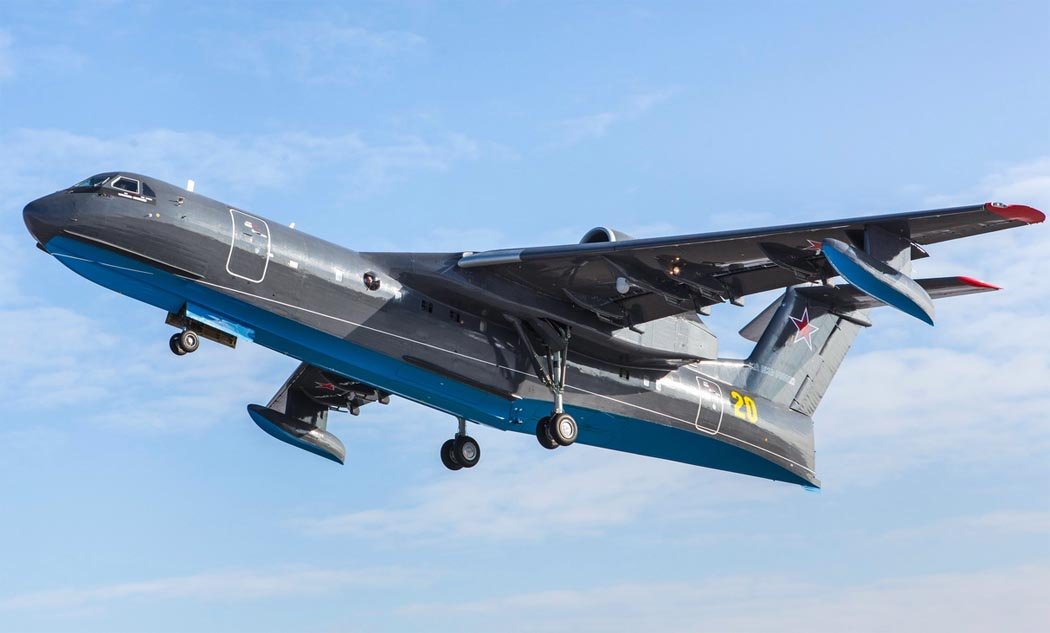
Although the Be-200 was originally designed and created primarily for civilian purposes, it is perfectly capable of serving TANTK’s traditional “main customer.” The “two-hundred” can “don a military uniform,” primarily as a patrol aircraft. The first such variant of the Be-200 amphibious aircraft for solving tasks in the exclusive 200-mile economic zone was developed by TANTK in 1996.
The Be-200P patrol aircraft could perform tasks such as searching for ships and vessels in a given area, classifying them and determining their coordinates, conducting visual reconnaissance of fishing gear, documenting violations of established maritime fishing order, landing inspection teams on violating vessels without calling border ships, and, if necessary, engaging state border violators. Additionally, the amphibian was capable of environmental monitoring, detecting water surface pollution, meteorological conditions, and radiation situations, as well as conducting ice reconnaissance, participating in oil spill cleanups, transporting personnel and cargo, and parachuting small groups of paratroopers.
The aircraft’s flight and navigation complex would allow for automatic flight along a predefined route, as well as determining the position, course, and speed of surface targets. On board, radar equipment complexes “Strizh” and reconnaissance equipment would also be placed, along with additional radio communication means, including a powerful acoustic loudspeaker system and automatic data transmission equipment to other aircraft and ground (ship) command posts. Containers with reconnaissance equipment, such as thermal imaging, searchlights, rescue containers, or armament, could be suspended on underwing hardpoints.
To increase the range and duration of the Be-200P’s flight, fuel capacity was increased by removing some of the basic variant’s equipment (water tanks, water refueling and drainage systems, etc.). The number of crew members could vary depending on the task performed (maximum 9 people, including two pilots). For long patrol flights, the possibility of accommodating a relief crew in a rest compartment was envisaged.
The Be-200P could perform all tasks at any time of year and day, in simple and complex meteorological conditions across all geographical latitudes, including the Arctic, basing both at airfields with a runway length of at least 1800 m and at equipped coastal sites. The manufacture of the Be-200P would practically boil down to installing special equipment on the basic aircraft and minor changes to the hull and wing structure. Therefore, patrol amphibians could be built on the same assembly line as the basic Be-200s. A further development of this project was the Be-200PS patrol search-and-rescue amphibious aircraft.
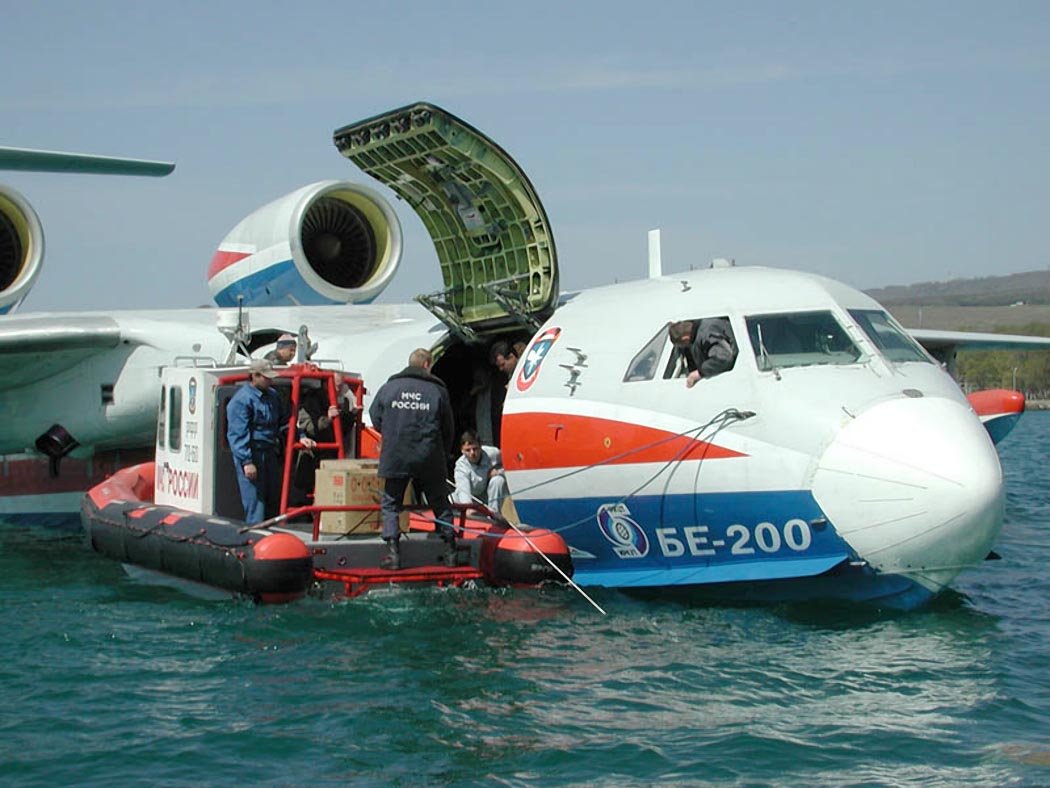
This variant features improved electronic patrol and search equipment complexes, as well as search and rescue gear (thermal imaging systems, search radar, observation recording equipment, communication system with the coast guard, on-board self-propelled watercraft, rescue equipment). The Be-200PS crew consists of two pilots, two observers, a flight mechanic, and two rescuers. In the future, the creation of a special anti-submarine variant of the Be-200 is also not excluded.
In February of this year, another important event occurred in the history of the Be-200. The amphibian finally acquired its own name. This was preceded by a year-long competition involving both Taganrog residents and their colleagues from Irkutsk. Over 300 proposals for naming the Be-200 were received, from which the competition commission chose a name that deviated somewhat from the traditional “bird” series – “Altair.” “Altair” is a first-magnitude navigation star in the constellation Aquila, four stars of this constellation by their arrangement resemble an aircraft. Let’s hope this star brings good fortune to the Be-200.
Technical Specifications
| Modification | Be-200 |
| Wingspan, m | 32.70 |
| Aircraft length, m | 32.05 |
| Aircraft height, m | 8.90 |
| Wing area, m2 | 117.44 |
| Empty weight | 25340 kg |
| Maximum takeoff weight | 37900 kg |
| Engine type | 2 Turbofan Progress D-436TР |
| Maximum thrust | 2 x 7500 kgf |
| Cruise thrust | 2 x 1500 kgf |
| Maximum cruise speed, km/h | 710 |
| Economical speed, km/h | 600 |
| Practical range, km | 3600 |
| Range with maximum payload, km | 1400 |
| Service ceiling, m | 8000 |
| Crew, crew members | 2 |
| Payload | Cargo variant: 8000 kg of cargo or 9 LD-1 and -2 containers, AKS. Cargo-passenger variant: 3000 kg of cargo and up to 19 passengers. Search and rescue variant: up to 50 crew members of the rescue team or up to 30 injured on stretchers. Firefighting variant: 12000 kg of water. |
Image and diagram gallery of the Be-200
 Be-200 |
 Be-200 |
 Be-200 |
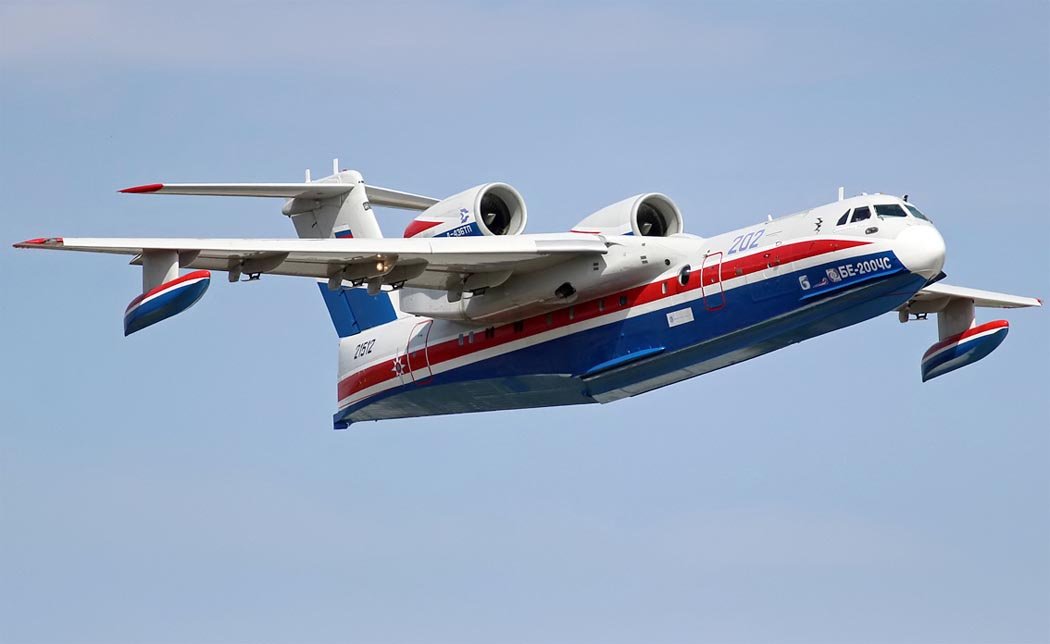 Be-200 |
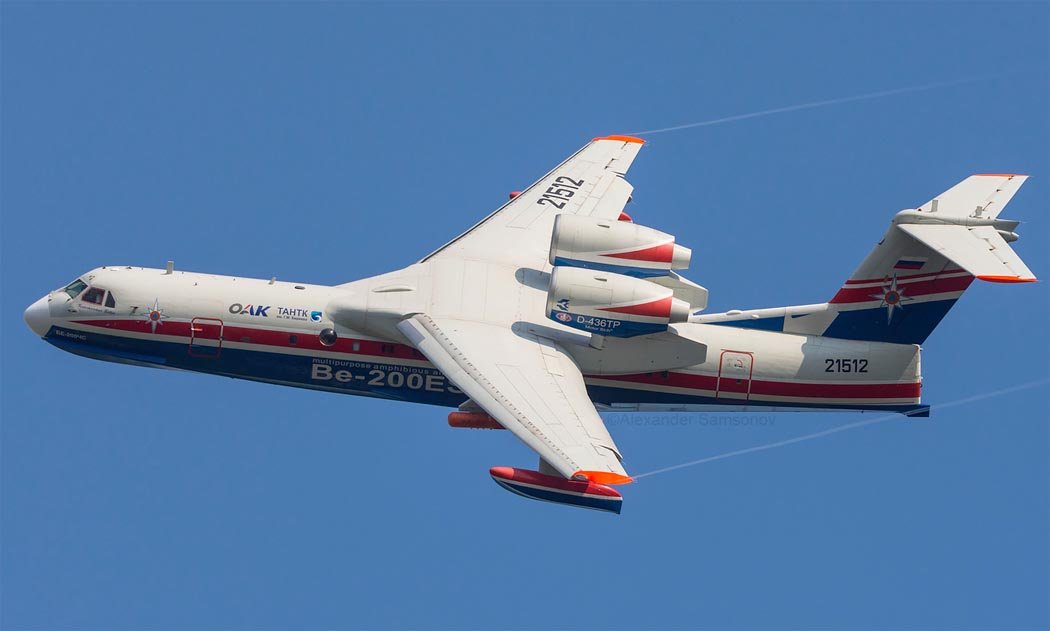 Be-200 |
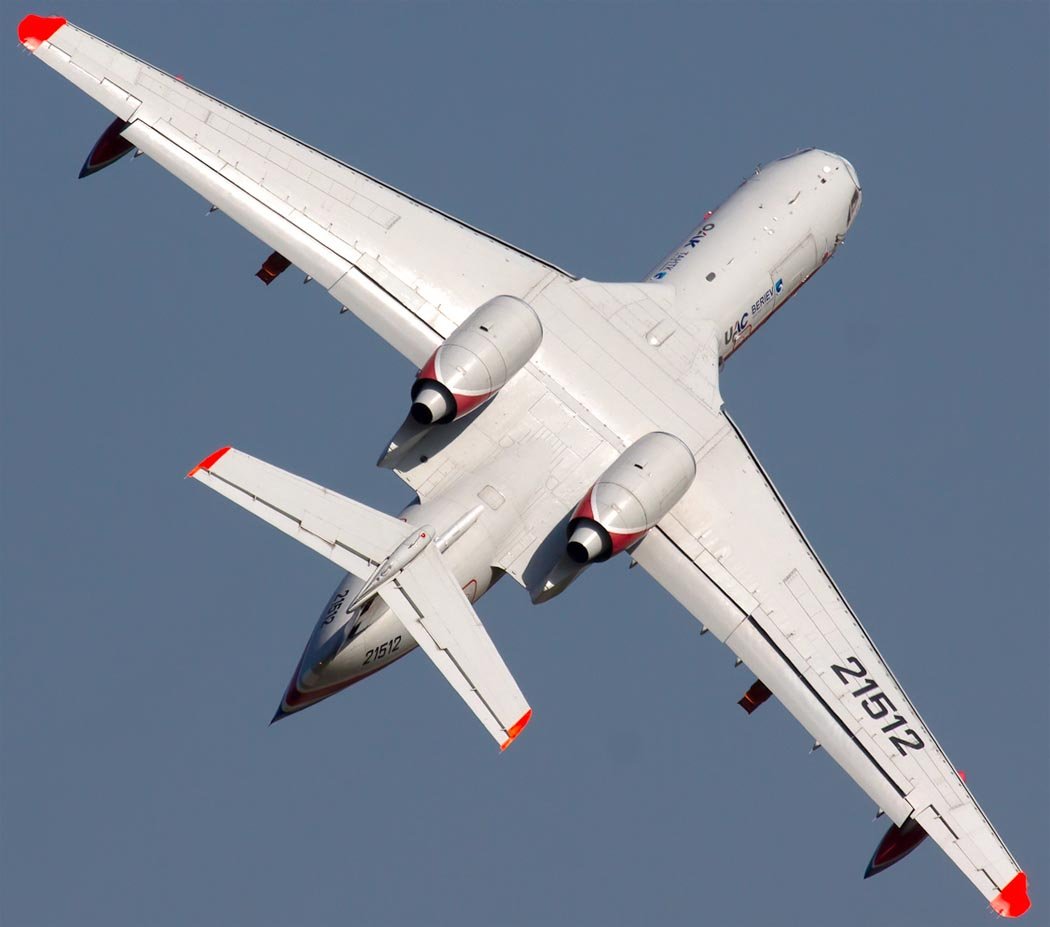 Be-200 |
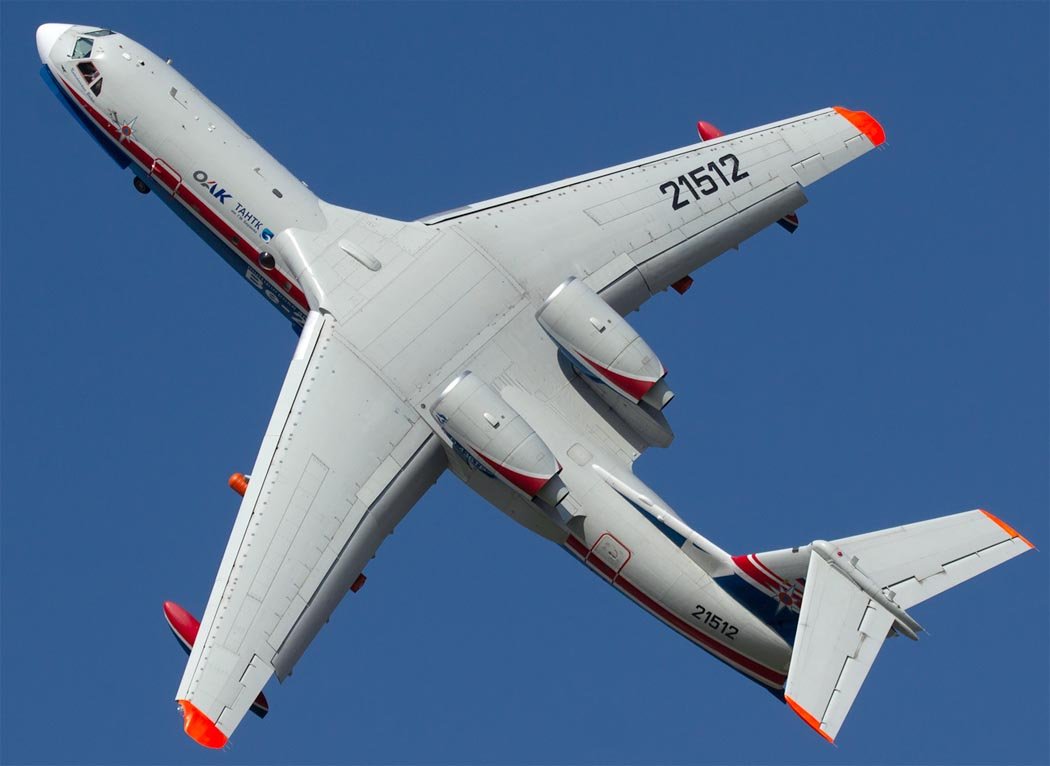 Be-200 |
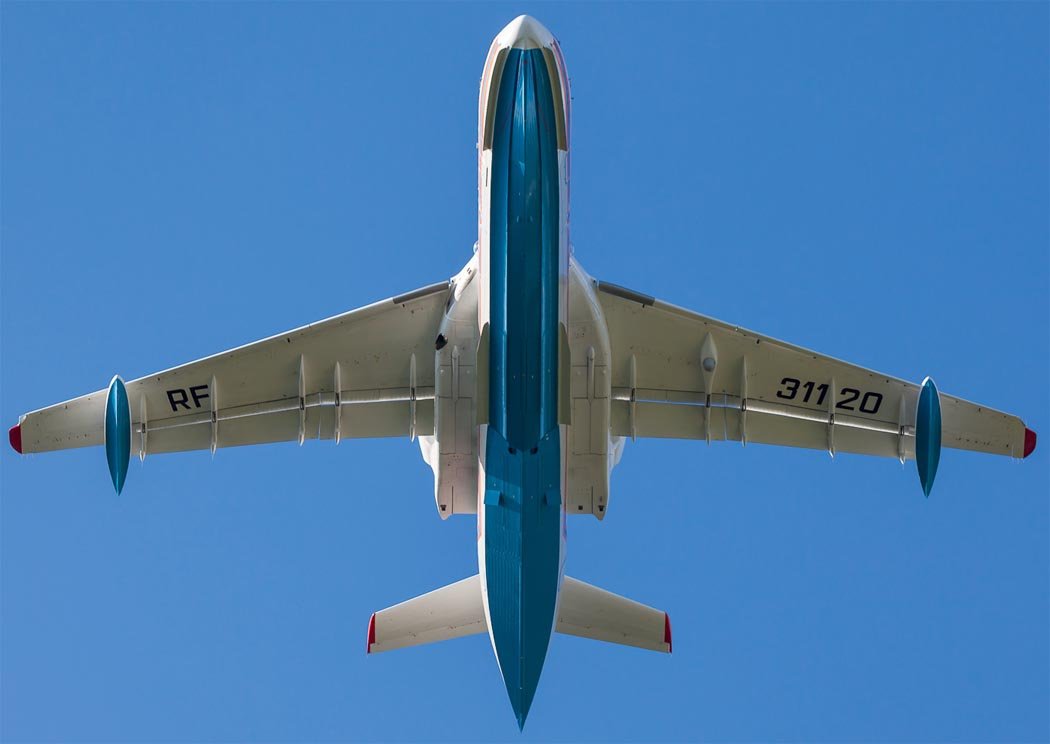 Be-200 |
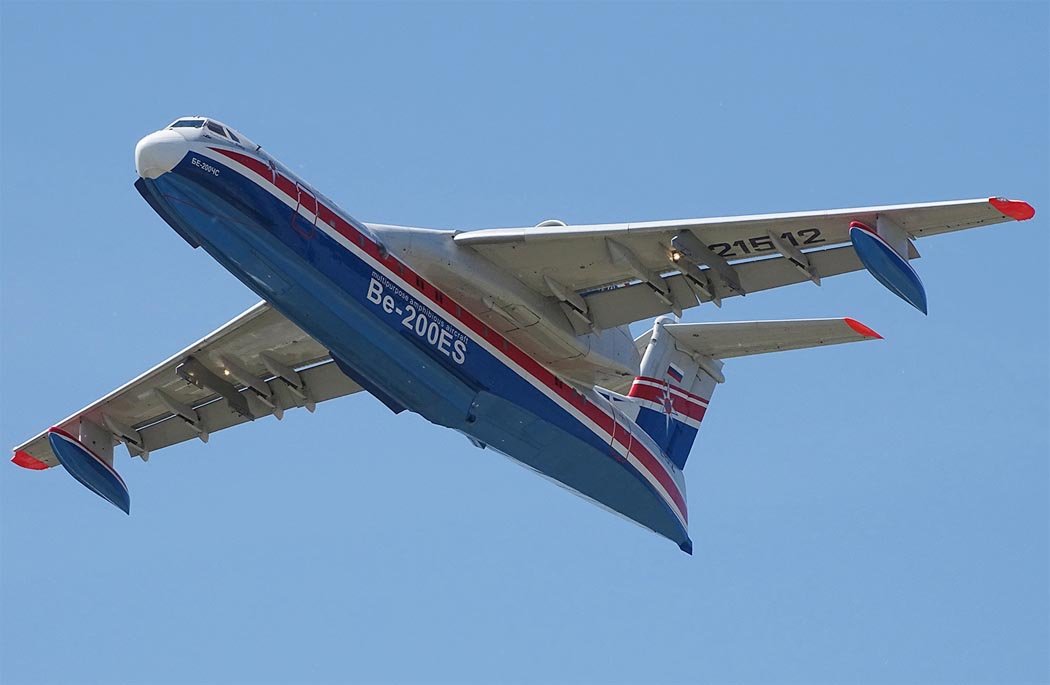 Be-200 |
 Be-200 |
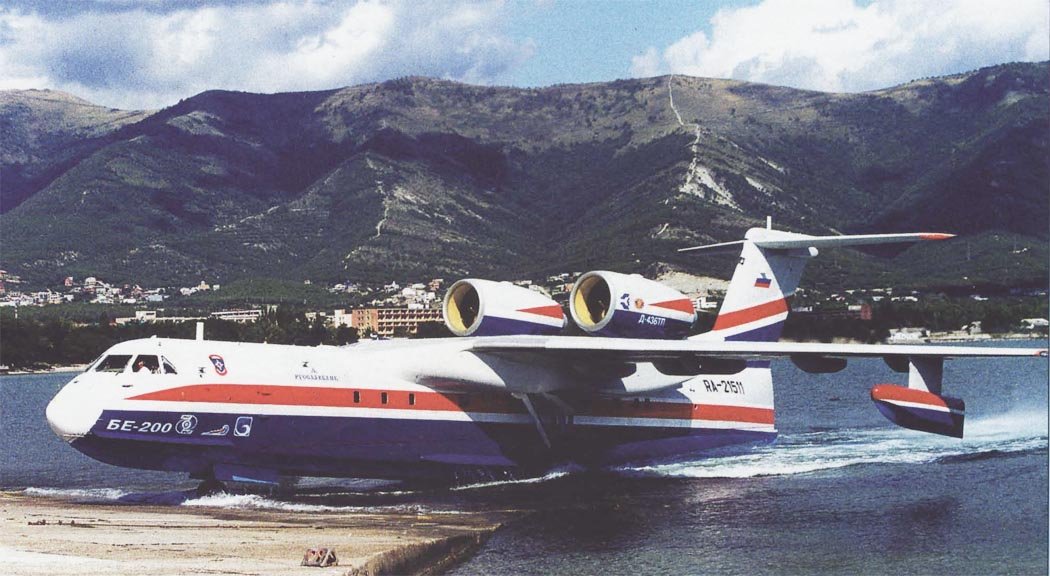 Be-200 |
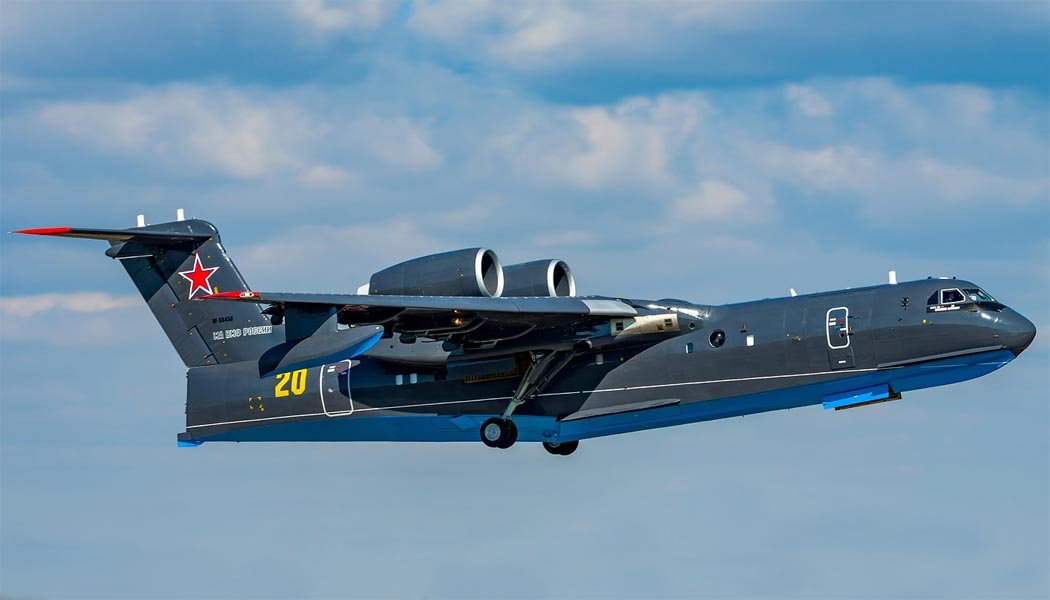 Be-200 |
 Be-200 |
 Be-200 |
 Be-200 |
 Be-200 |
 Be-200 |
 Be-200 |
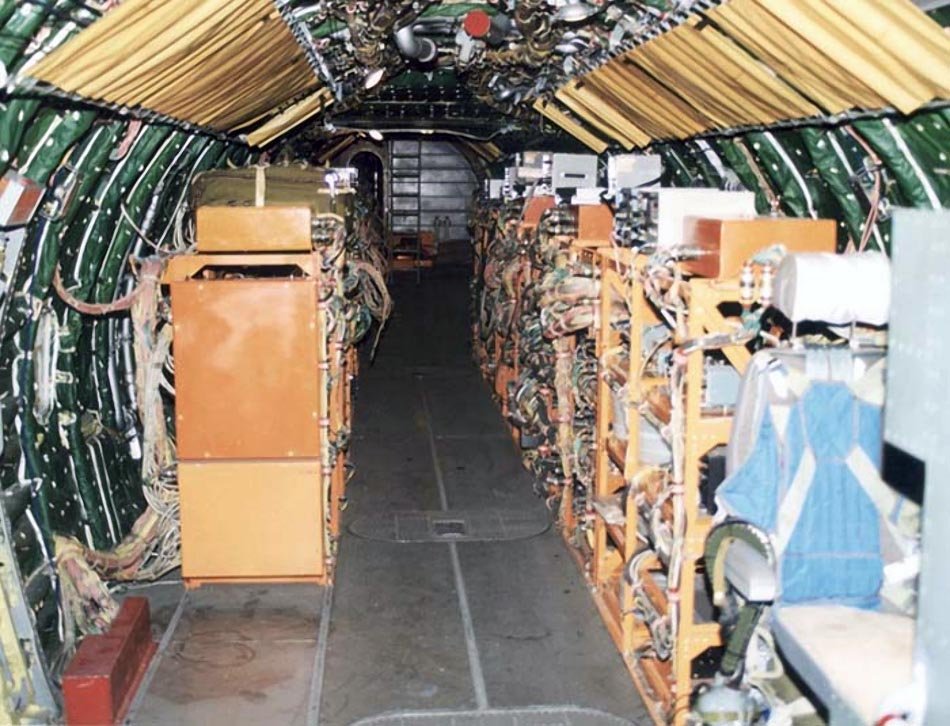 Be-200 |
 Be-200 |
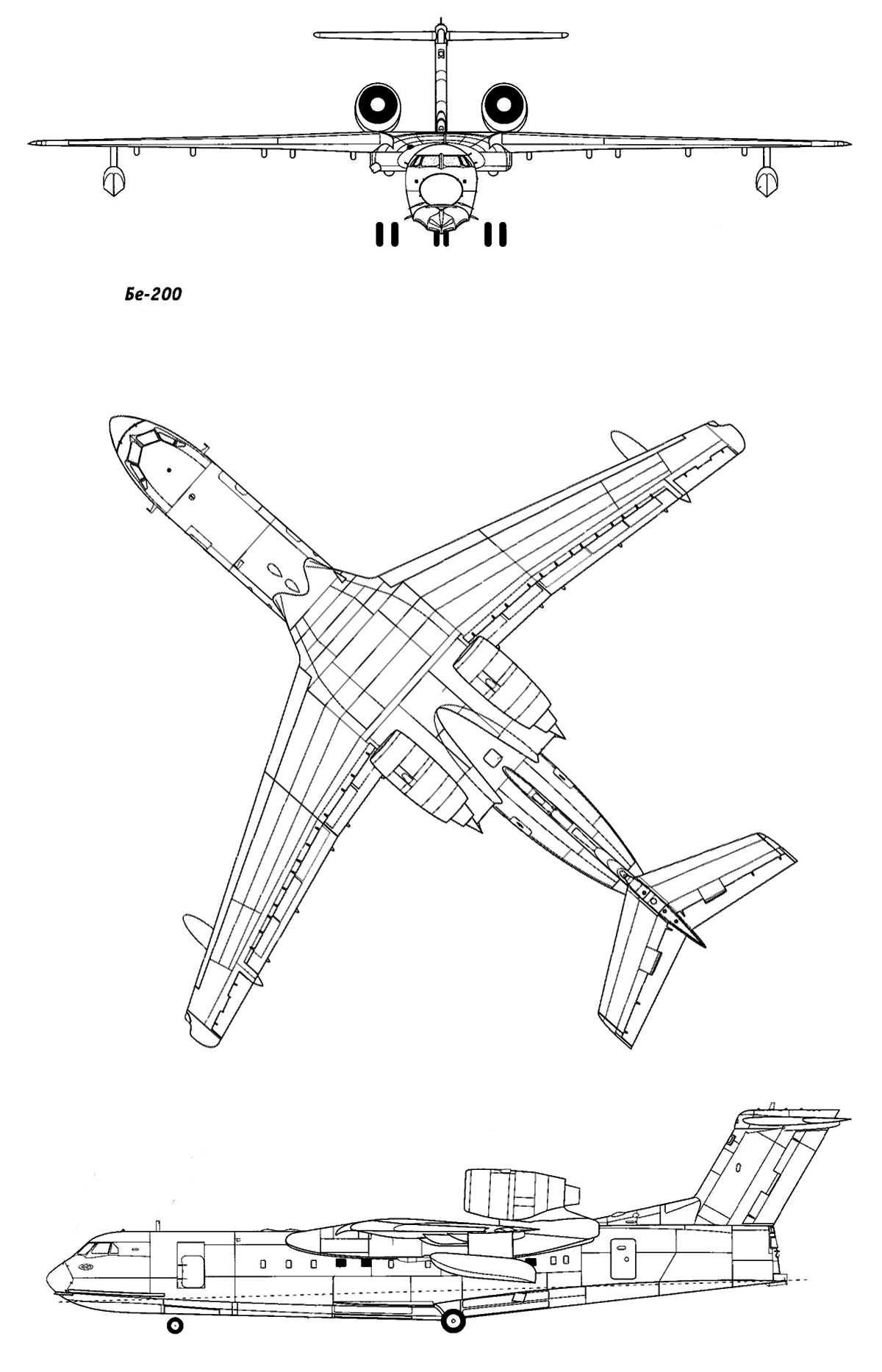 Be-200 |
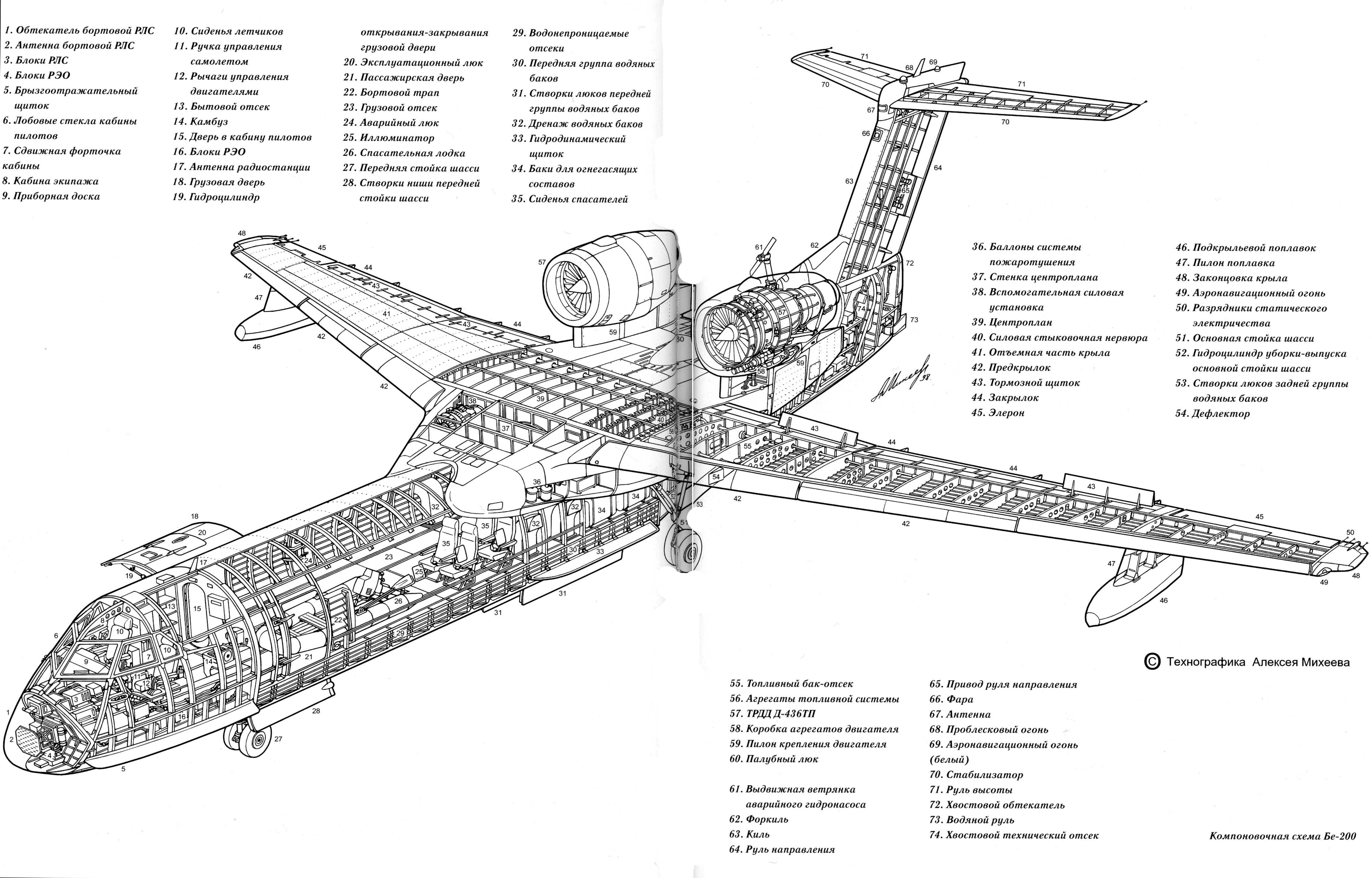 Be-200 |
ArchivoAéreo Editorial Team
A group of aviation researchers and enthusiasts dedicated to documenting and preserving global aeronautical history. All articles are reviewed to ensure historical accuracy.
Sources & Accuracy
The information presented in this technical sheet has been compiled from declassified flight manuals, historical archives, and specialized literature. While we strive for maximum accuracy, some performance data may vary depending on the specific variant or operational conditions.