Beaufighter Mk.VIF
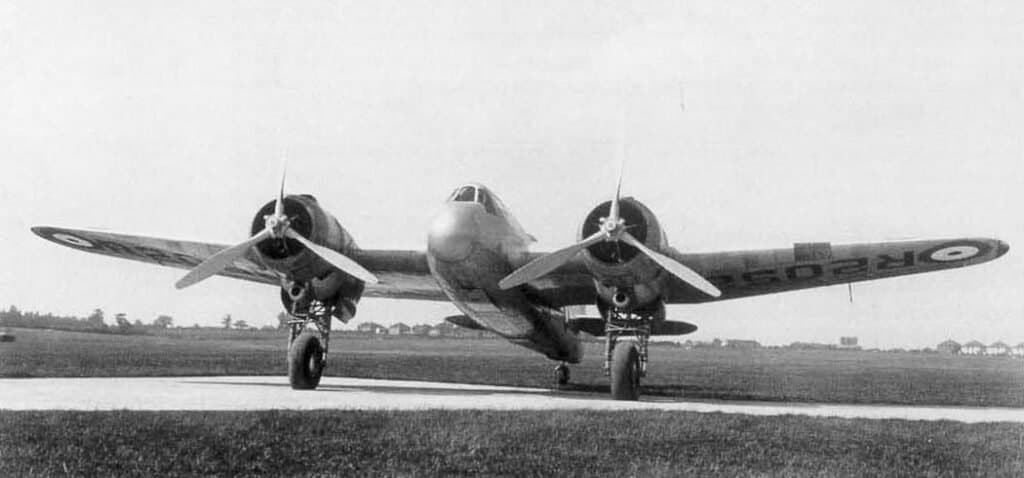
The first radar suitable for installation on a fighter was created in England in 1939 and tested on the Bristol Blenheim aircraft. The II Mk.IV radar was a rather bulky structure weighing 270 kg and required a separate crew member for maintenance. Of all types of Royal Air Force aircraft, the Beaufighter was best suited for equipping with these devices.
On September 8, 1940, the first fighters with a “magic mirror,” as pilots nicknamed the radar, entered the 600th Air Defense Squadron for operational trials. From November, “radar-equipped” Beaufighters began to be mass-produced. The first successful interception of an airborne enemy using airborne radar occurred on the night of November 19-20.
During a combat patrol, radio operator Sergeant Philipson reported to pilot Lieutenant Cunningham that an airborne target had been detected five kilometers to the north. The pilot changed course and, passing through a continuous bank of clouds, approached the object observed on the radar screen. Soon the aircraft became visible to the naked eye. Cunningham identified it as a twin-engine Ju.88 bomber.
Remaining undetected, he approached the enemy from behind and, from a distance of 180 m, fired a volley from all guns. In the morning, the wreckage of the Junkers was found near the town of Wittering. By May 1941, John Cunningham, with his new radio operator Sergeant Raunley, had achieved 8 more victories. This ace, nicknamed “the cat-eyed pilot,” had a total of 19 aircraft destroyed in night combat by the end of the war, most of them shot down in a Beaufighter.
Early Night Fighting Innovations
The “magic mirror” revolutionized night air combat tactics. As the number of radar-equipped fighters in British aviation grew, so did the losses among German night bombers. If Spitfires and Hurricanes defended the country from daytime raids during the “Battle of Britain,” Beaufighters subsequently taught the Germans that they could not bomb with impunity at night.
By the spring of 1941, six air defense squadrons were equipped with Beaufighters. The 604th Squadron, commanded by John Cunningham, operated most successfully among them. By June 1, 1941, his crews had shot down 60 enemy aircraft. Beaufighter squadrons recruited pilots of the highest caliber. To become a night fighter pilot, a candidate had to have at least 600 flight hours, with a minimum of 30 hours under instrument flight conditions, and have completed 40 night landings.
Nevertheless, accidents and crashes were not uncommon. The Beaufighter was unforgiving in control, lacking sufficient lateral and directional stability. To eliminate these deficiencies, starting with the Beaufighter Mk.VI modification, the aircraft’s stabilizers were set at a dihedral angle of 12 degrees. In general, flight incidents accounted for most casualties among night interceptors. It was almost impossible to shoot down an attacking fighter in the darkness. Therefore, their actual combat losses were negligible.
Thanks to their long range, Beaufighters were used to escort night bombers on their raids to the continent. For these missions, the aircraft were equipped with Serrate anti-radar devices, which reacted to the radars of German night fighters. In the summer of 1943, the first aerial battles occurred between Beaufighters and Me-110s equipped with “Lichtenstein” airborne radars. On the night of September 7-8, crews of the 141st Squadron shot down 13 Messerschmitts over Holland, losing 3 aircraft.
Evolution of the Beaufighter
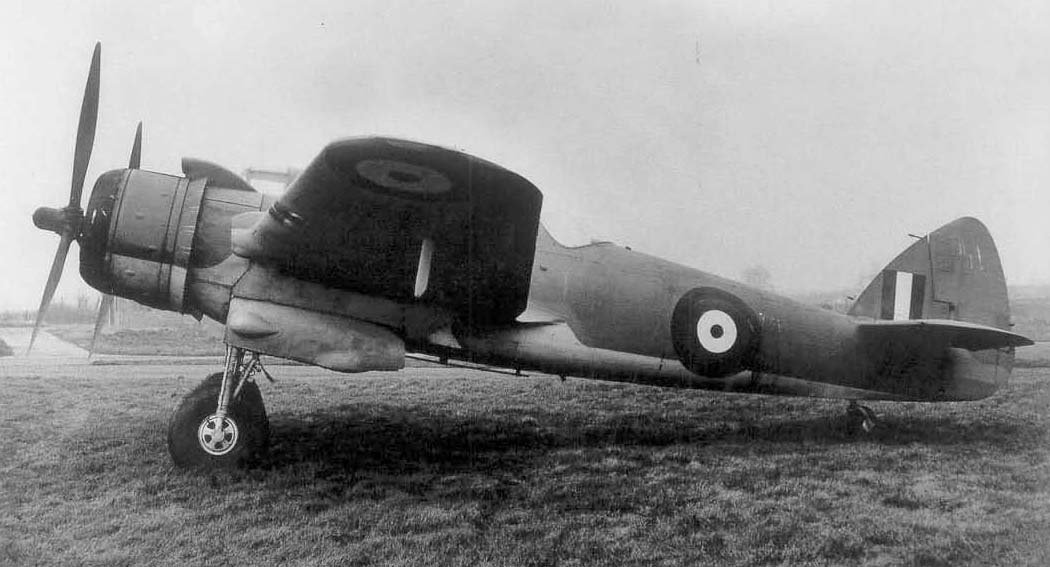
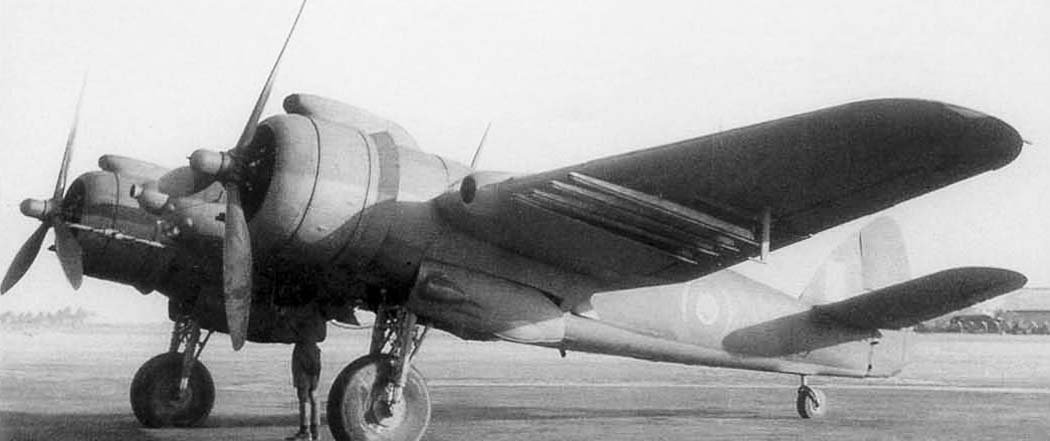
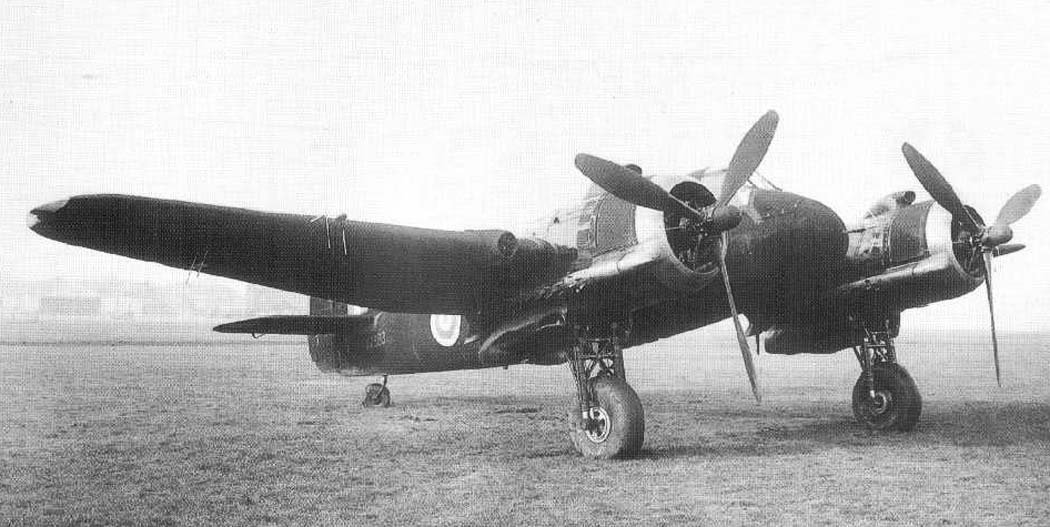
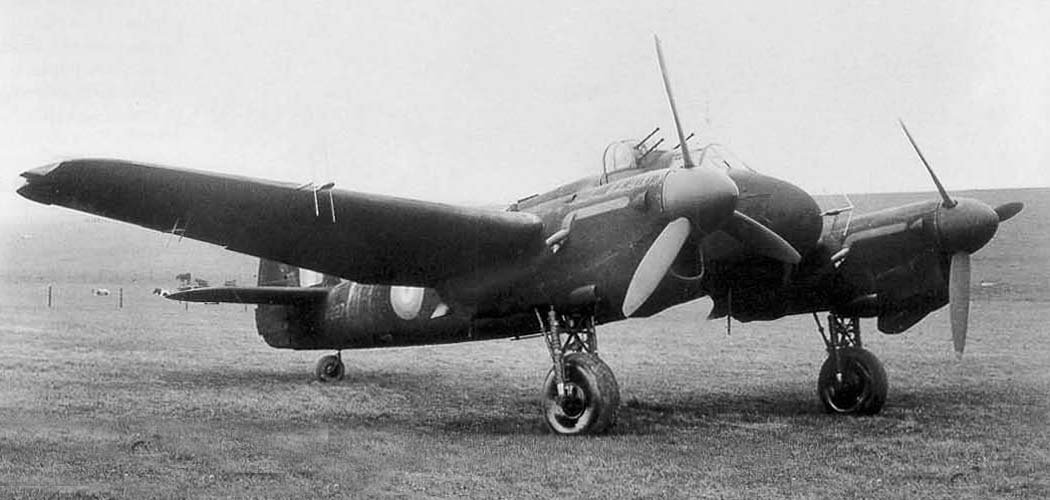
In October 1941, production began on the next modification, the Beaufighter Mk.VIF (Mk.III, IV, and V were not built in series). In addition to the aforementioned increase in stabilizer dihedral, the aircraft featured Hercules Mk.VI engines. The power of these engines was increased, which correspondingly boosted the aircraft’s maximum speed. In December, the “sixes” were fitted with a new AI Mk.VIII radar with a parabolic antenna, requiring a change in the shape of the fuselage’s nose cone. This machine marked the end of the Beaufighter night fighter development path. In 1943, they began to be gradually replaced by the more aerodynamic and faster Mosquito.
The last Beaufighter Mk.VIFs were transferred from air defense squadrons to training units in August 1944. Beaufighter service in naval aviation continued much longer. However, these were somewhat different machines. In 1940, the UK Coastal Command demanded the creation of a special Beaufighter version for coastal zone patrolling and air cover for maritime convoys. This led to the Mk.IC modification, equipped with additional fuel tanks in the wing consoles but without wing machine guns. From November 1940, the aircraft was mass-produced in large quantities.
By the end of 1941, production of Bristol Hercules VII engines, with a power of 1670 hp, was established, which allowed them to equip the new Beaufighter Mk.VI modification. With the new engines, the Beaufighter’s maximum speed increased to 535 km/h at an altitude of 4750 m, and its cruising speed was 391 km/h. Some changes were made to the airframe design, the most notable of which was the installation of a 7.69-mm Vickers K machine gun in the observer’s cockpit for rear hemisphere defense.
The blister over the rear cockpit was enlarged and strengthened to accommodate the weapon. Bomb racks were installed on the aircraft, and the horizontal tail received a 12-degree dihedral angle. Additional fuel tanks (189 liters in the right wing weapons bay and 90 liters in the left) provided the Beaufighter Mk.VIC with a range of 2910 km, compared to 2380 km for the Mk.VIF. The letters “F” and “C” continued to be used in aircraft modification designations depending on their purpose.
On the one hand, “Beau” fighters operated at high altitudes, where additional speed was an important factor for them, especially after they began to be equipped with centimeter-band AI Mk.VI or Mk.VII radars in “thimble” fairings in the nose. On the other hand, Coastal Command “Beaufighters” flew “at deck level,” attacking enemy ships from heights of no more than 150 m, often much less. Given this specificity, Bristol created a low-altitude Hercules XVII engine based on the Hercules VI, which improved the aircraft’s flight characteristics when flying near the ground/water.
USAAF Beaufighter Operations
Four night fighter squadrons of the 12th Air Force USAAF — the 414th, 415th, 416th, and 417th — were equipped with “Beaufighter Mk.VI” in the summer of 1943. Of these, the 414th and 415th squadrons were again deployed in 1944, and the 416th received several “Mosquitoes” before the end of the war, but most night sorties in the Mediterranean Theater were carried out by Americans in “Beaufighters.”
During March and April 1943, over a hundred Beaufighter Mk.VIFs were transferred to the USAAF. These aircraft were equipped with AI Mk.VII/VIII radars under a “thimble” fairing. The training of night fighter pilots took place in the UK within RAF units equipped with Beaufighters, with most Americans only receiving basic training in the USA. The Beaufighter had been previously tested in the USA, but few future crews had the opportunity to familiarize themselves with this aircraft there.
In the spring of 1943, the main personnel of all four USAAF night fighter squadrons were sent from Britain to Algeria. There, on May 10, the 414th Squadron, based at La Sénia, was the first to achieve combat-ready status. Two days later, it was joined by the 415th Squadron, based at the same airfield. The 416th Squadron’s base became Algiers airfield, while the 417th found refuge in Tafaraoui. Both units began combat operations on August 8.
Like many British pilots before them, some Americans considered the “Beau” a “problematic” aircraft. Accustomed to machines with tricycle landing gear, especially the P-70 night fighter on which most of them trained in the USA, some pilots experienced difficulties with the “Beaufighter,” which had a tendency to swing during takeoff. As a result, quite a few machines crashed. Other pilots loved the “Beau,” appreciating its robust construction.
The night fighter crews of the 12th Air Force were somewhat late to the theater – the combat zone moved further and further away from them, forcing units to constantly change their locations (they ended the war in Italy) – so the list of Beaufighter night victories for the USAAF is rather modest. All four squadrons achieved thirty-two confirmed victories, distributed as follows: 414th Squadron – eight, 415th – eleven, 416th – four, and 417th – nine.
The first Beaufighter victim was an He 115, shot down by the crew of Captain Nathaniel Lindsay and Flight Officer Austin Petty of the 415th Squadron on July 24, 1943. The last victory was a Ju 290, destroyed on December 28, 1944, by the crew of 1st Lieutenant Malcolm Campbell and 2nd Lieutenant Robert McCullen of the 417th Squadron. Many enemy aircraft were recorded as “damaged” or “probably damaged,” but this is characteristic of night interception – many projectiles are fired at a target with unknown results.
In conclusion, the use of the Beaufighter by the USAAF was not as successful as it could have been. However, it is worth noting that most of the aircraft transferred to the Americans by the RAF had already served for a considerable time, and the condition of the airfields where the night fighter squadrons were based was far from ideal.
Technical Specifications
| Modification | Beaufighter Mk.VI |
| Wingspan, m | 17.62 |
| Length, m | 12.60 |
| Height, m | 4.83 |
| Wing area, m2 | 46.80 |
| Empty weight | 6750 |
| Maximum takeoff weight | 9800 |
| Engine type | 2 Piston engine Hercules VI |
| Power, hp | 2 x 1650 |
| Maximum speed, km/h | 536 |
| Cruising speed, km/h | 460 |
| Practical range, km | 2380 |
| Maximum rate of climb, m/min | 630 |
| Practical ceiling, m | 8100 |
| Crew, crew members | 2 |
| Armament | four 20-mm cannons and 6 fixed forward-firing 7.7-mm machine guns, one 7.7-mm Vickers K swivel machine gun in the upper fuselage; |
Image and diagram gallery of the Beaufighter Mk.VIF
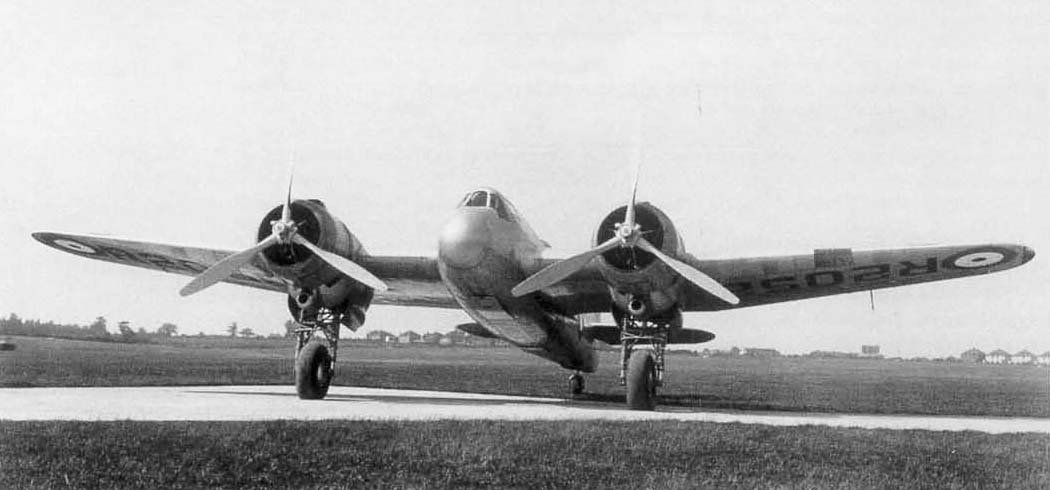 Beaufighter Mk.VIF |
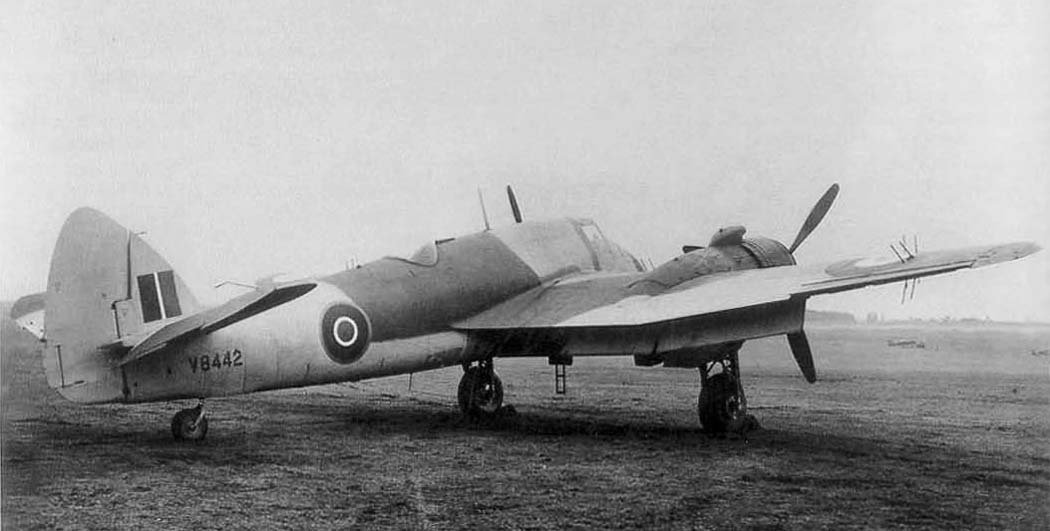 Beaufighter Mk.VIF |
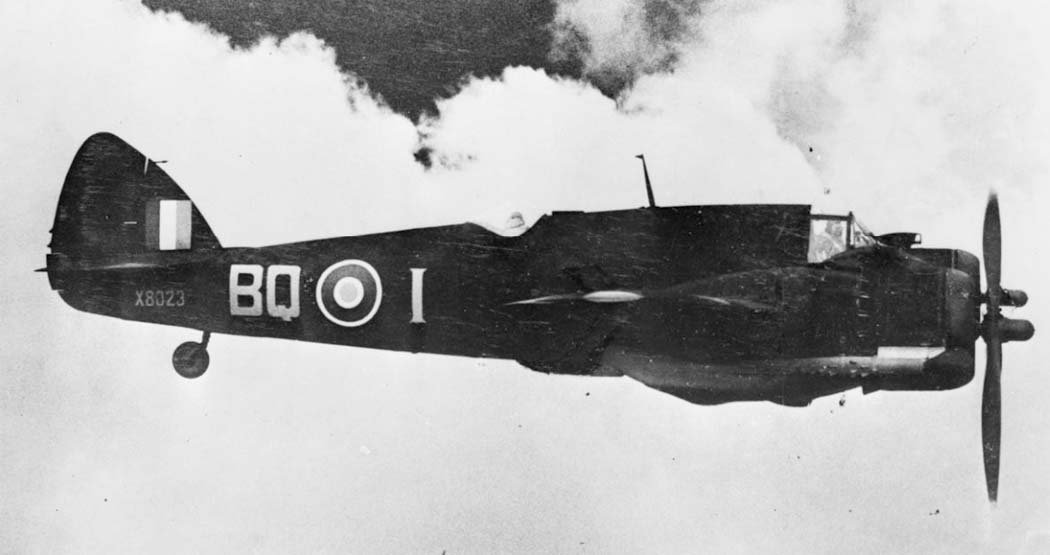 Beaufighter Mk.VIF |
 Beaufighter Mk.VIF |
 Beaufighter Mk.VIF |
 Beaufighter Mk.VIF |
 Beaufighter Mk.VIF |
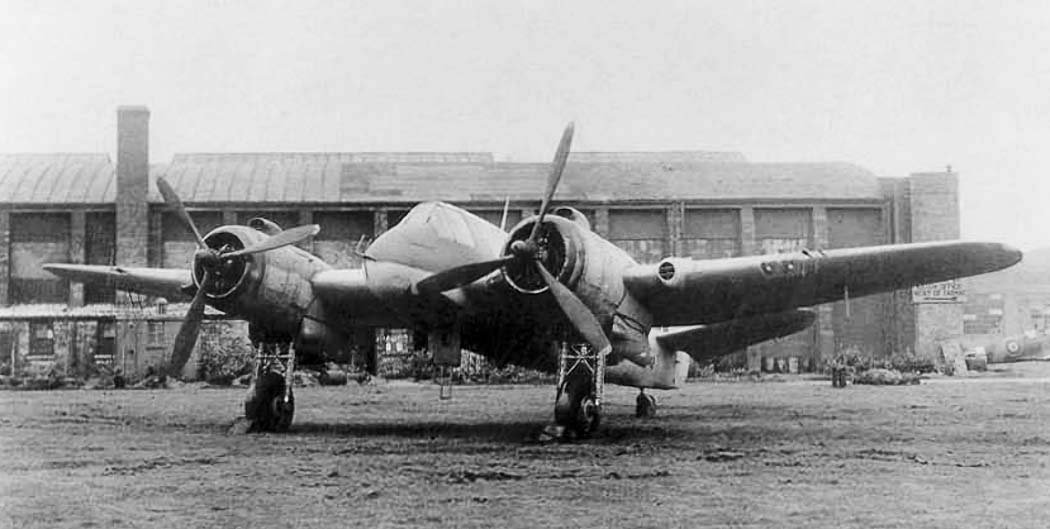 Beaufighter Mk.VIF |
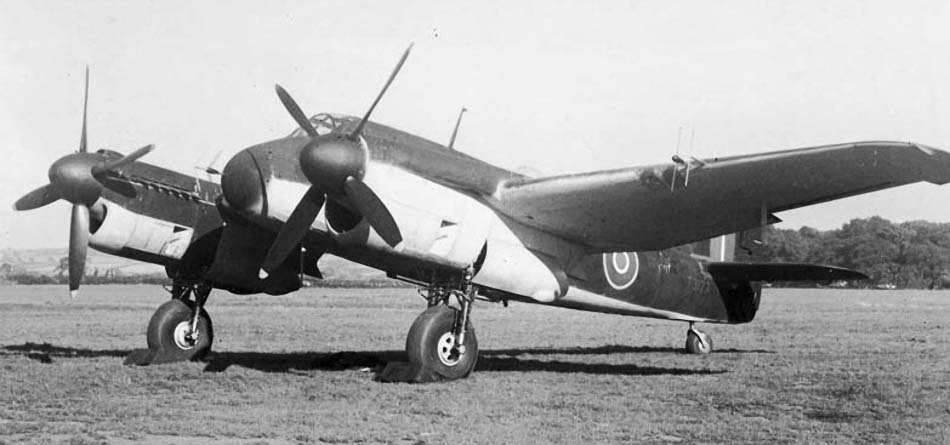 Beaufighter Mk.VIF |
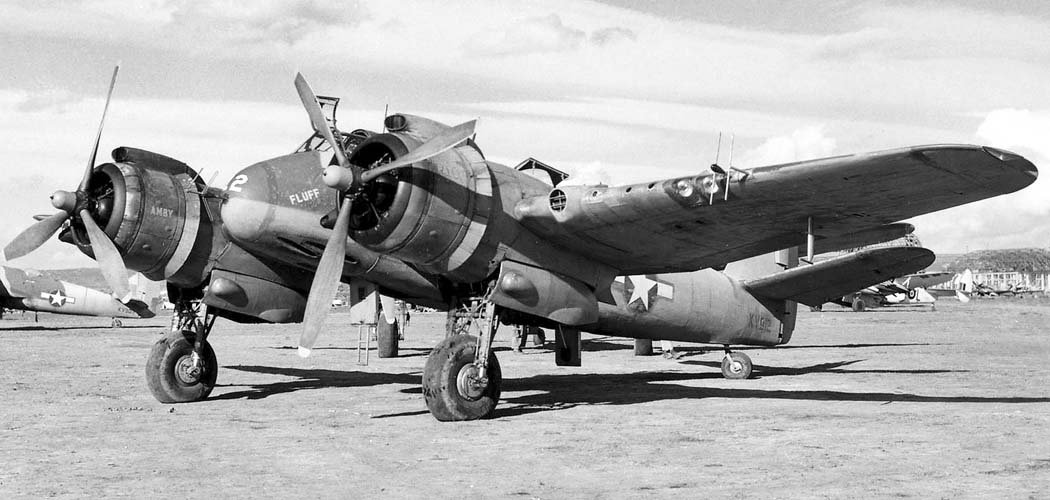 Beaufighter Mk.VIF |
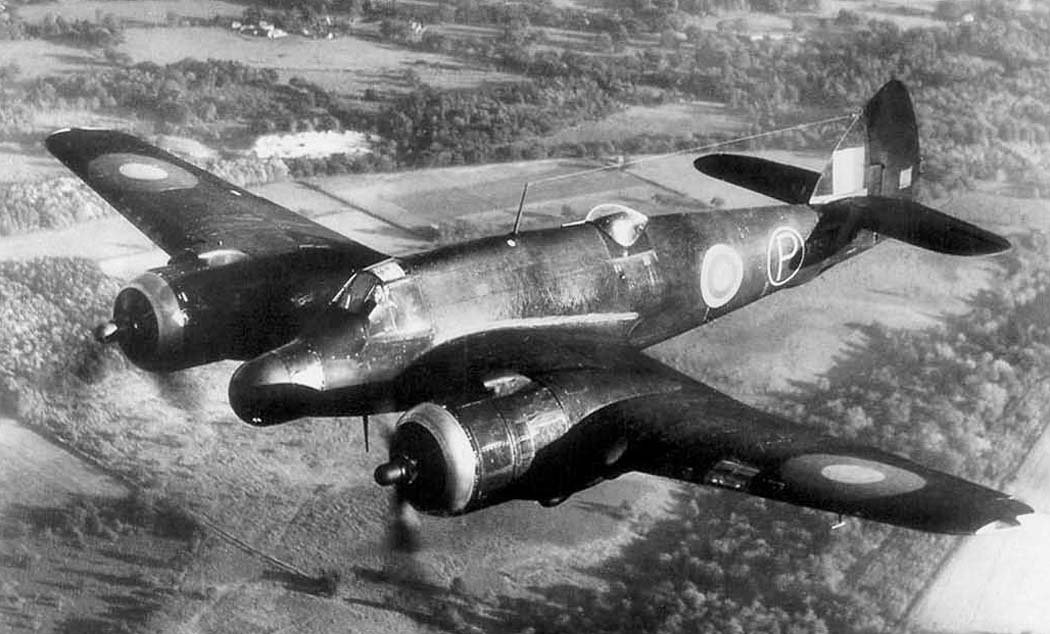 Beaufighter Mk.VIF |
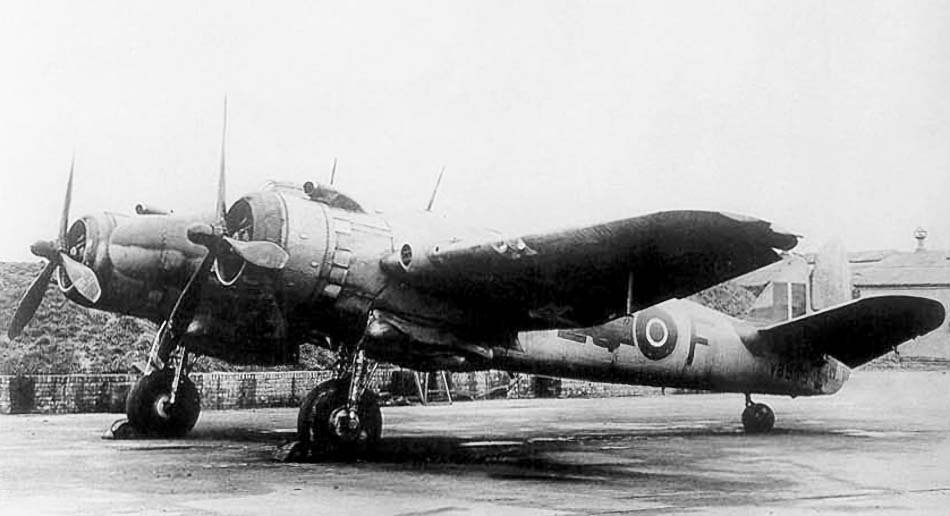 Beaufighter Mk.VIF |
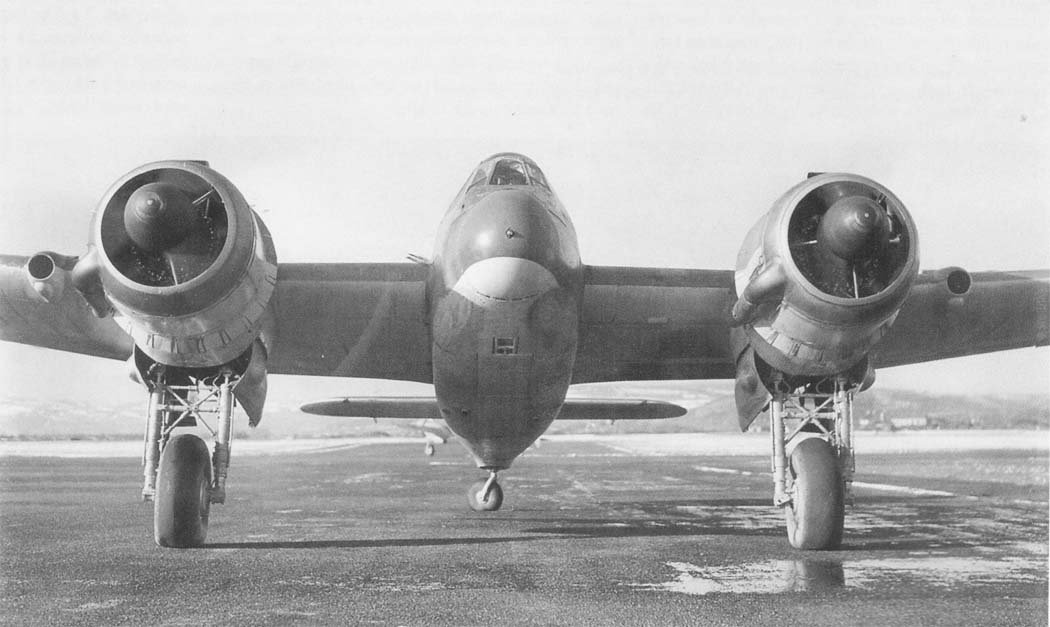 Beaufighter Mk.VIF |
 Beaufighter Mk.VIF |
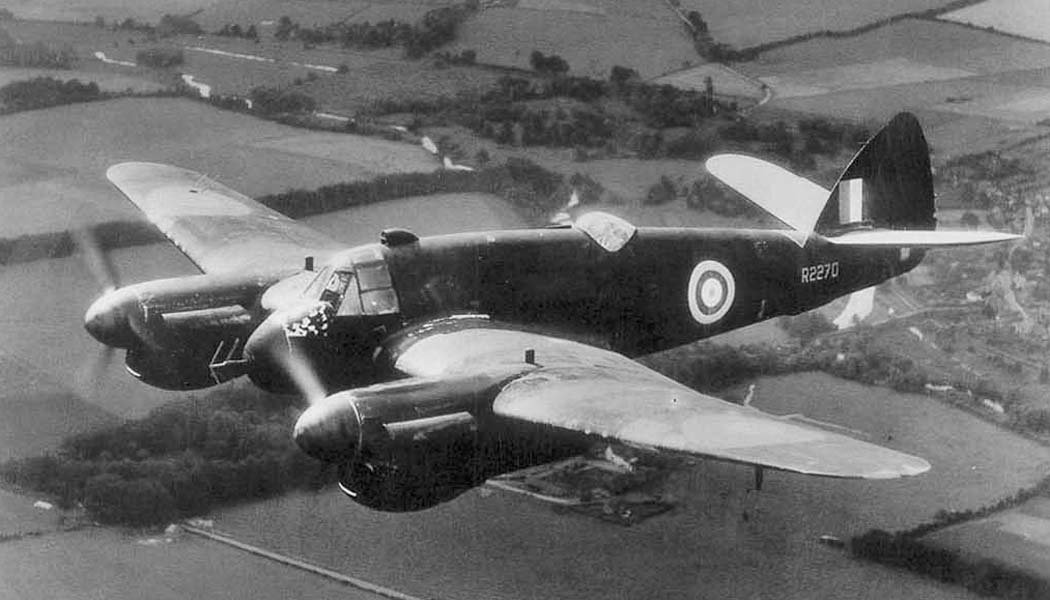 Beaufighter Mk.VIF |
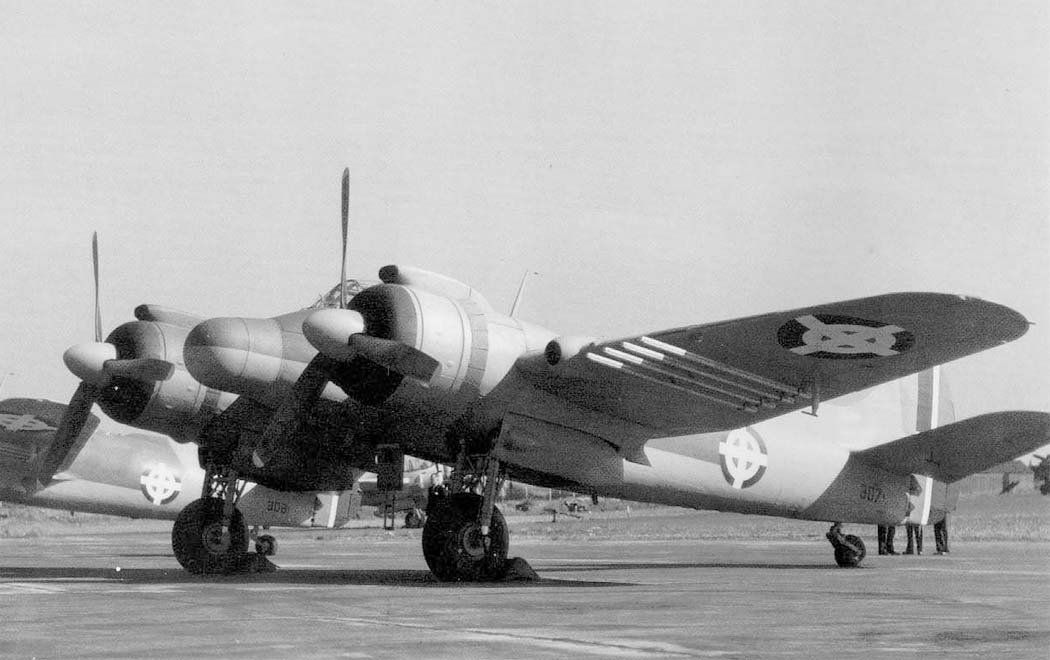 Beaufighter Mk.VIF |
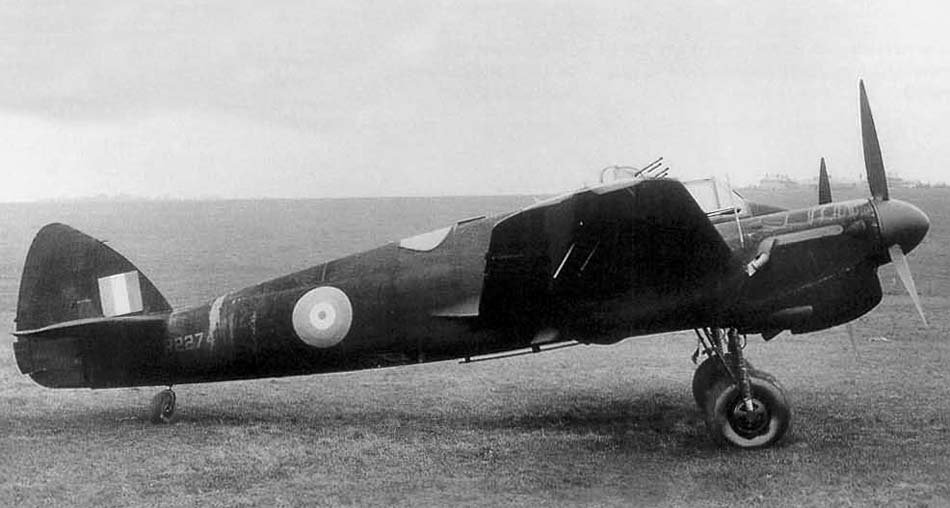 Beaufighter Mk.VIF |
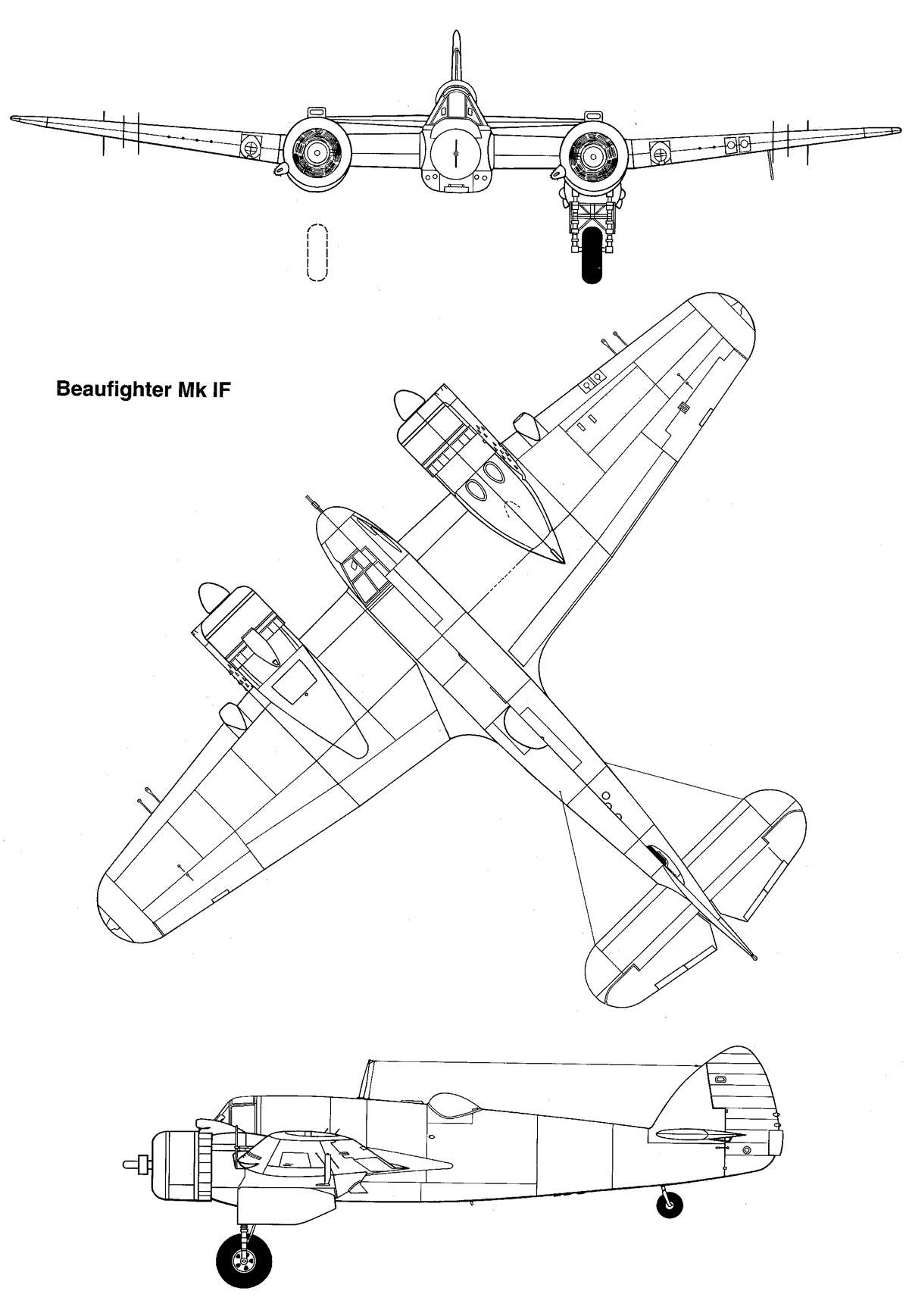 Beaufighter Mk.VIF |
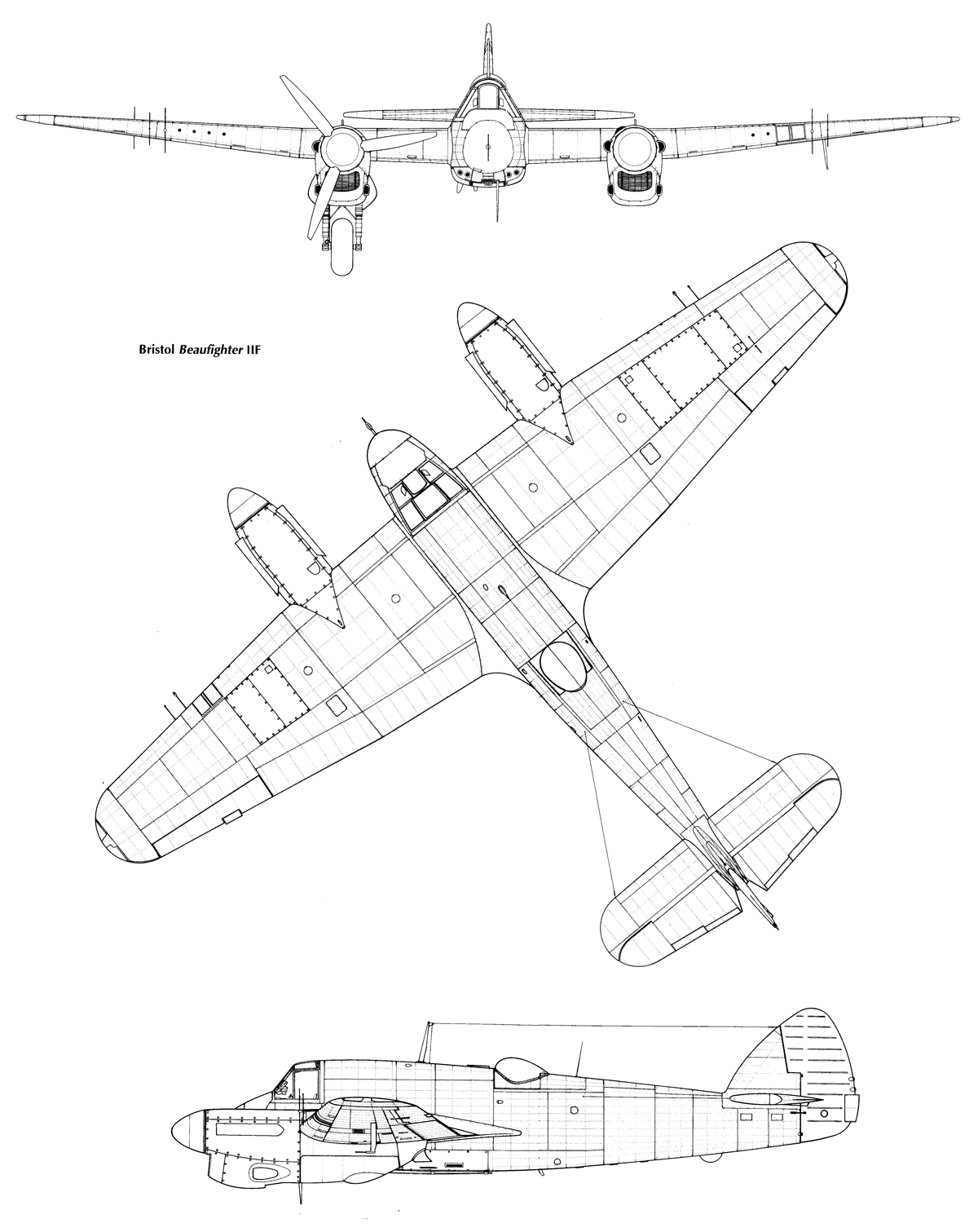 Beaufighter Mk.VIF |
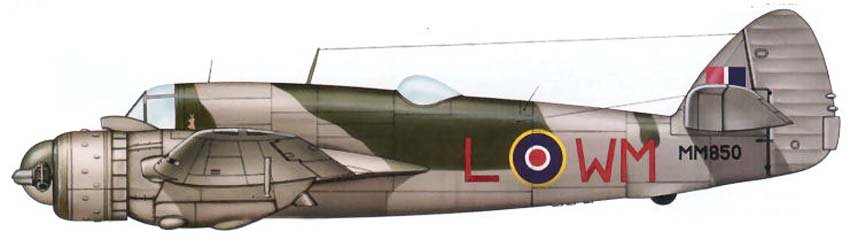 Beaufighter Mk.VIF |
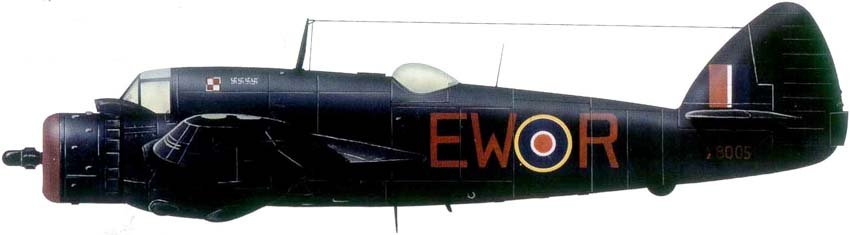 Beaufighter Mk.VIF |
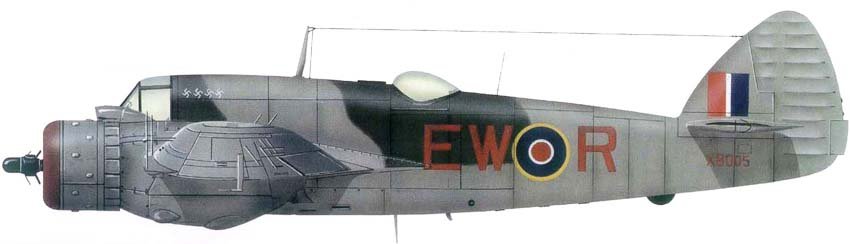 Beaufighter Mk.VIF |
ArchivoAéreo Editorial Team
A group of aviation researchers and enthusiasts dedicated to documenting and preserving global aeronautical history. All articles are reviewed to ensure historical accuracy.
Sources & Accuracy
The information presented in this technical sheet has been compiled from declassified flight manuals, historical archives, and specialized literature. While we strive for maximum accuracy, some performance data may vary depending on the specific variant or operational conditions.