Beech 300 Super King Air
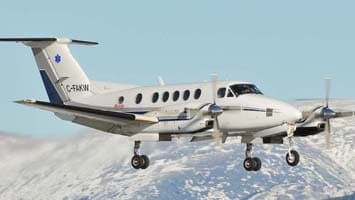
The Beech Model 300 Super King Air, developed as an improved variant of the Model 200 Super King Air, was designed starting in August 1980. It first flew in October 1981, with deliveries commencing in spring 1984.
Design Innovations and Features
The Model 300 featured several minor changes aimed at enhancing its performance. These included a forward extension of the inner wing’s leading edge, new aerodynamic fairings for the exhaust ducts, and reduced-area air intakes for its power plant, consisting of two PT6A-60A turboprop engines.
Variants and Military Adoption
In the late 1980s, the Model 300LW Super King Air was developed, a lighter variant with a maximum takeoff weight of 5670 kg. By October 1991, it became the sole production model, though this variant was later discontinued as well.
The Model 300LW was the only military variant of the Model 300. It was specifically ordered by Morocco to serve as a VIP transport aircraft.
Technical Specifications
| Modification | Model 300 |
| Wingspan, m | 16.61 |
| Aircraft length, m | 13.34 |
| Aircraft height, m | 4.57 |
| Wing area, m2 | 28.15 |
| Empty weight | 4008 |
| Maximum takeoff weight | 6350 |
| Fuel, l | 2040 |
| Engine type | 2 Turboprops Pratt Whitney Aircraft Canada PT6A-60A |
| Power, hp | 2 x 1050 |
| Maximum speed, km/h | 510 |
| Cruising speed, km/h | 482 |
| Economical speed, km/h | 450 |
| Practical range, km | 3261 |
| Maximum rate of climb, m/min | 866 |
| Practical ceiling, m | 10670 |
| Crew, crew members | 1 |
| Payload | up to 15 passengers or 907 kg of cargo |
Image and diagram gallery of the Beech 300 Super King Air
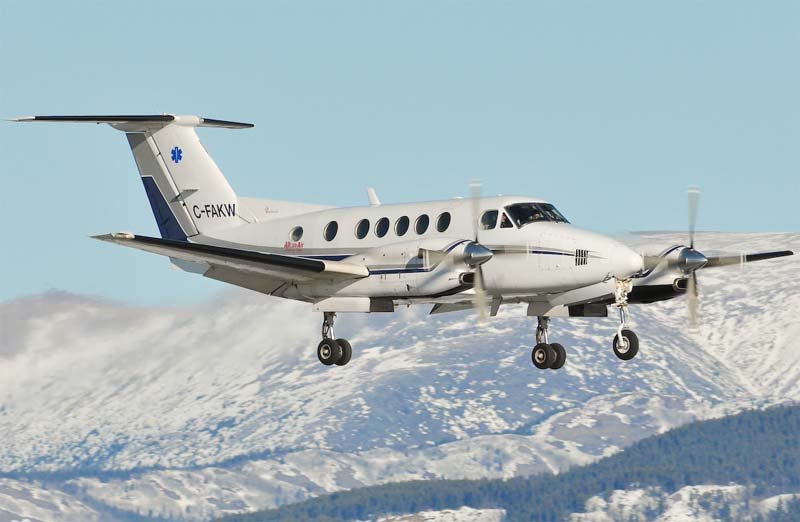 Beech 300 Super King Air |
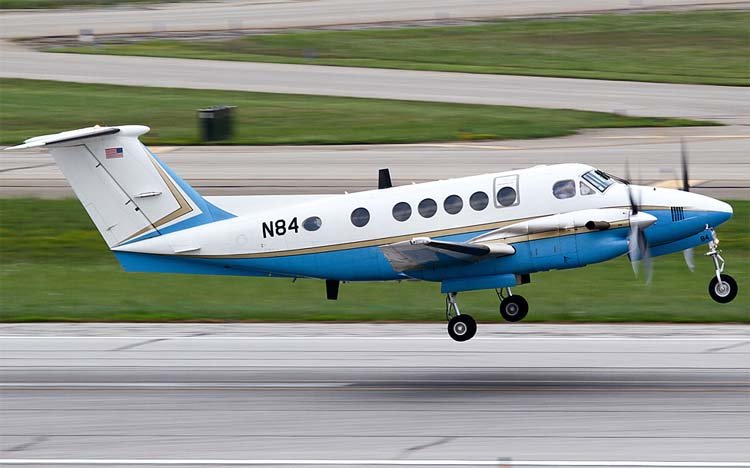 Beech 300 Super King Air |
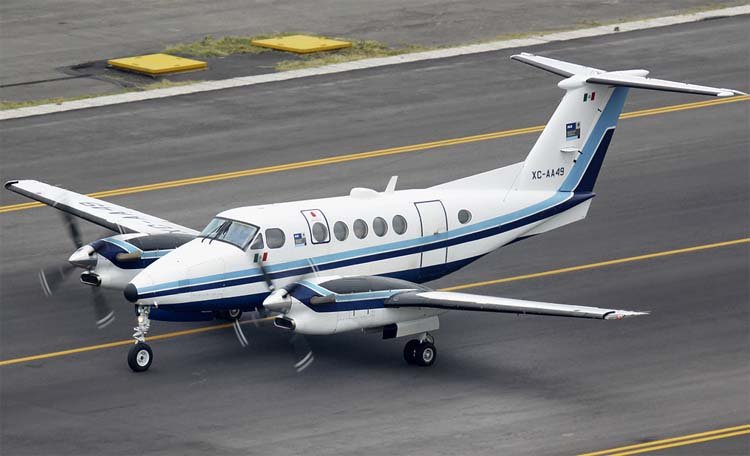 Beech 300 Super King Air |
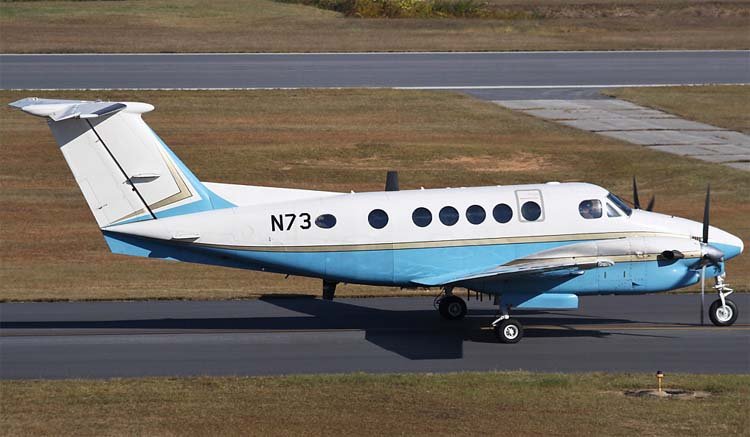 Beech 300 Super King Air |
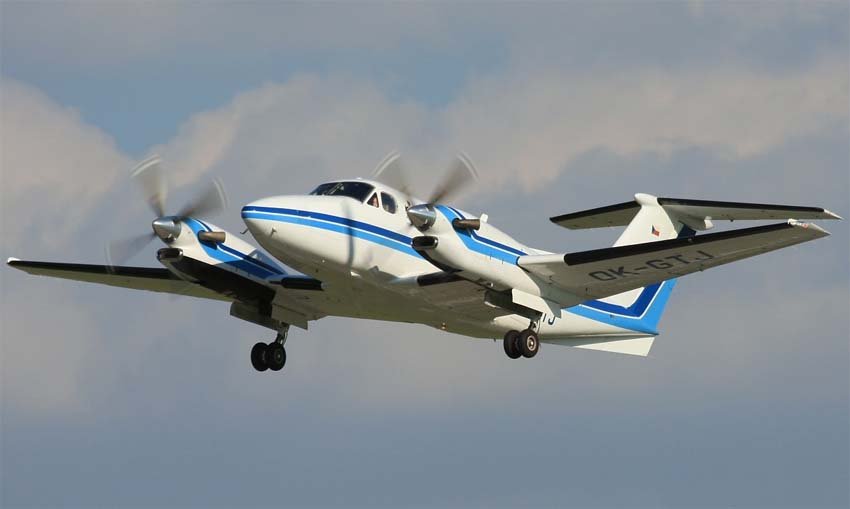 Beech 300 Super King Air |
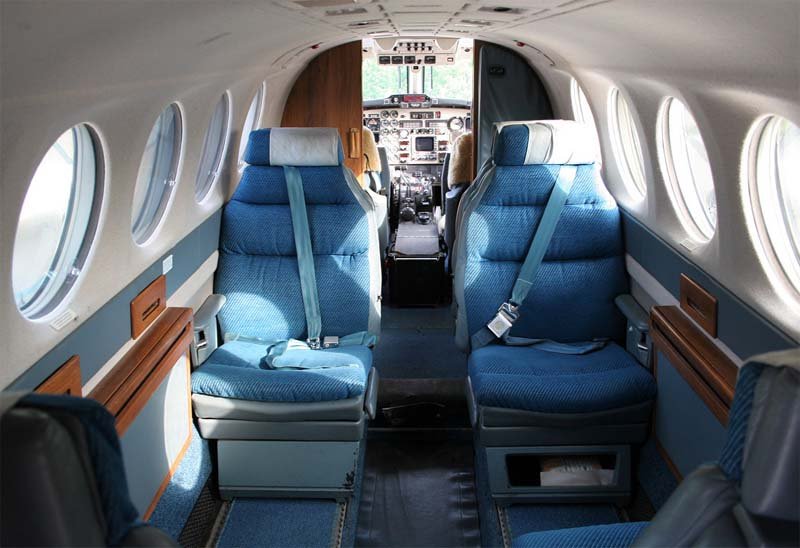 Beech 300 Super King Air |
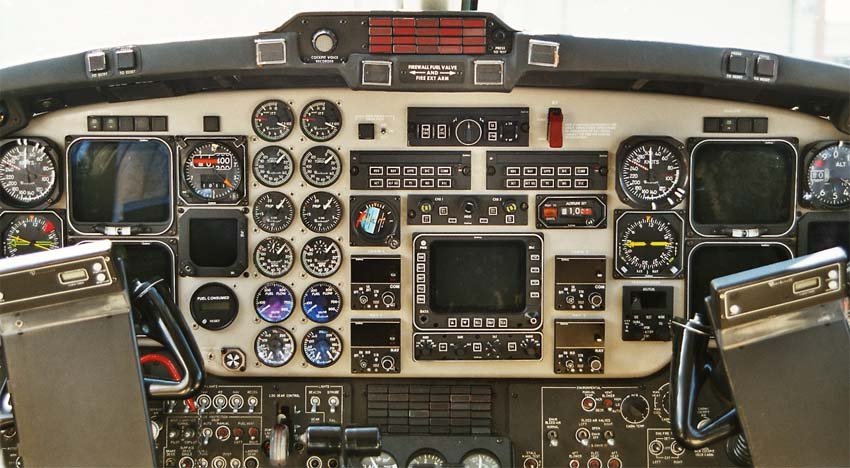 Beech 300 Super King Air |
ArchivoAéreo Editorial Team
A group of aviation researchers and enthusiasts dedicated to documenting and preserving global aeronautical history. All articles are reviewed to ensure historical accuracy.
Sources & Accuracy
The information presented in this technical sheet has been compiled from declassified flight manuals, historical archives, and specialized literature. While we strive for maximum accuracy, some performance data may vary depending on the specific variant or operational conditions.