Bell Model 30
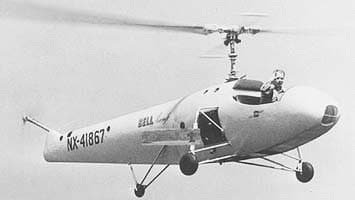
During World War II, Bell developed and built three experimental Bell Model 30 helicopters. The first prototype made its maiden free flight on June 26, 1943, following several tethered flights between December 1942 and January 1943. Unfortunately, the aircraft crashed during this initial free flight.
Initial Design of the Bell Model 30
Its design featured an enclosed fuselage, fixed tailwheel landing gear, and an open cockpit located in the nose. The power plant was housed inside the fuselage behind the cockpit. The two-bladed main rotor was controlled by a gyroscopic stabilizing device (a weighted bar), which became a distinctive feature of Bell helicopter designs. A two-bladed tail rotor was mounted on a tapering tubular boom behind the cockpit.
Evolution of the Prototypes
The second Model 30 incorporated several refinements, including a semi-monocoque type fuselage and an improved tail rotor. The most significant change was an enclosed two-person cockpit, rather than a single-person design, featuring automobile-style doors.
The third Model 30, which first flew on April 25, 1945, featured a four-wheel landing gear, a cylindrical tail boom, an open single-seat cockpit (later enclosed with a teardrop canopy), and improved equipment. Based on these experimental helicopters, the serial production Bell Model 47 helicopters were developed and mass-produced.
Technical Specifications
| Modification | Bell 30 Ship 2 |
| Main rotor diameter, m | 10.06 |
| Length, m | 8.22 |
| Height, m | 2.59 |
| Empty weight | 518 |
| Engine type | 1 Piston engine Franklin 6AC |
| Power, kW | 1 x 119 |
| Maximum speed, km/h | 16 9 |
| Crew, crew members | 1 |
| Payload | 1 passenger |
Image and diagram gallery of the Bell Model 30
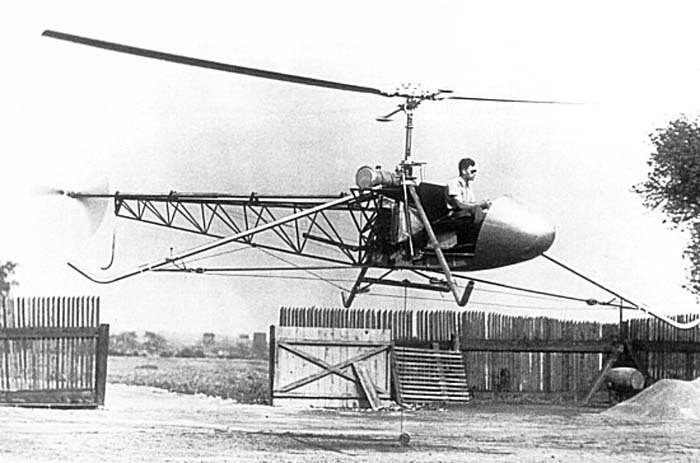 Bell 30 |
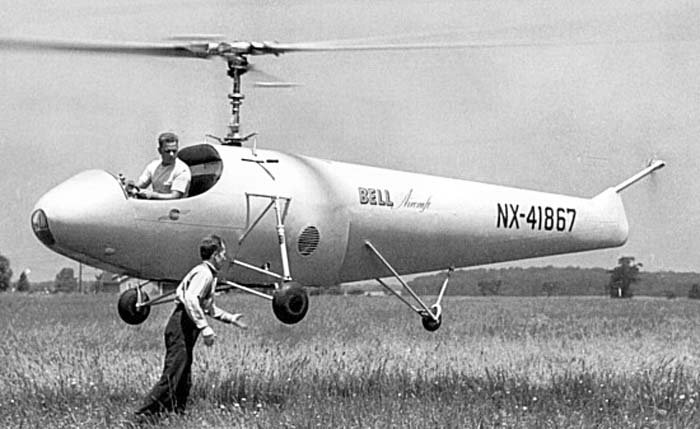 Bell 30 |
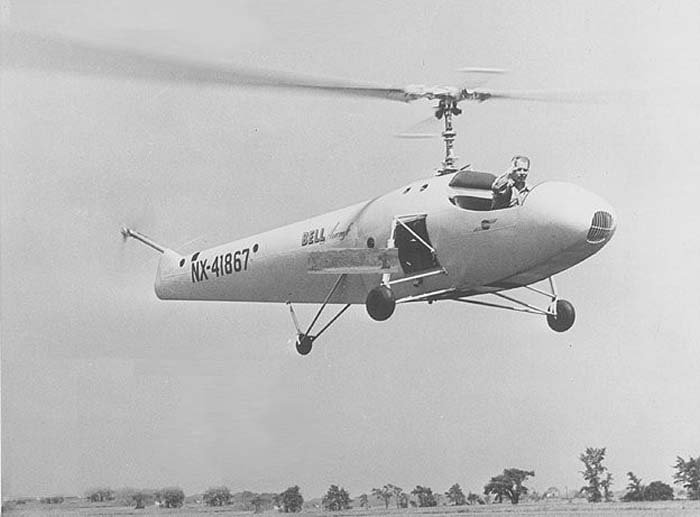 Bell 30 |
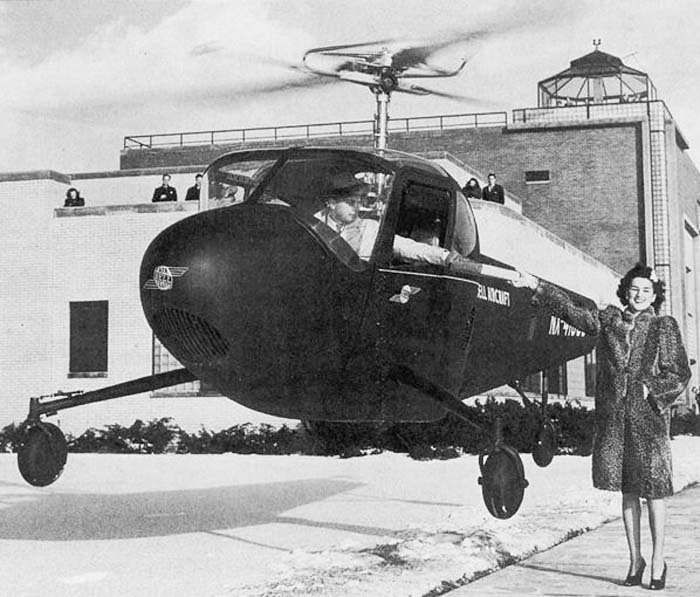 Bell 30 |
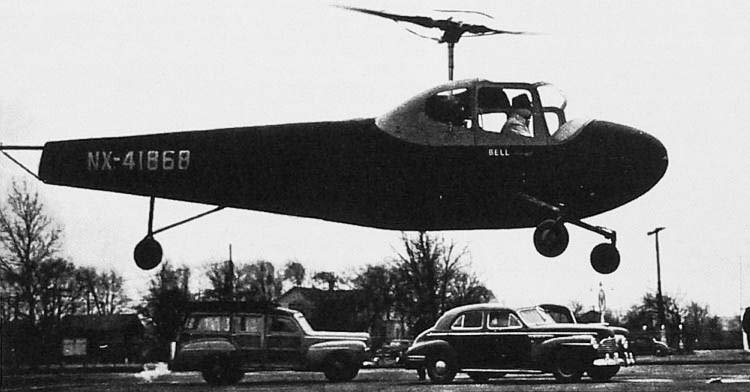 Bell 30 |
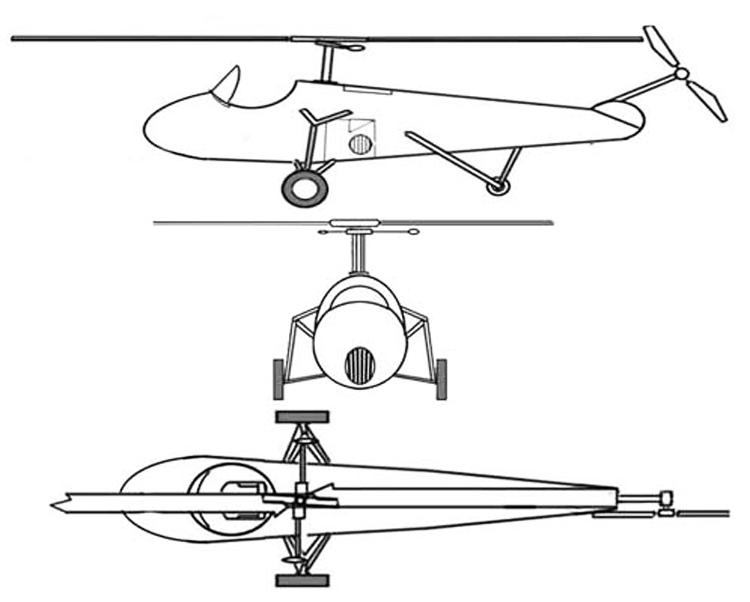 Bell 30 |
ArchivoAéreo Editorial Team
A group of aviation researchers and enthusiasts dedicated to documenting and preserving global aeronautical history. All articles are reviewed to ensure historical accuracy.
Sources & Accuracy
The information presented in this technical sheet has been compiled from declassified flight manuals, historical archives, and specialized literature. While we strive for maximum accuracy, some performance data may vary depending on the specific variant or operational conditions.