Bellanca 28-70/90
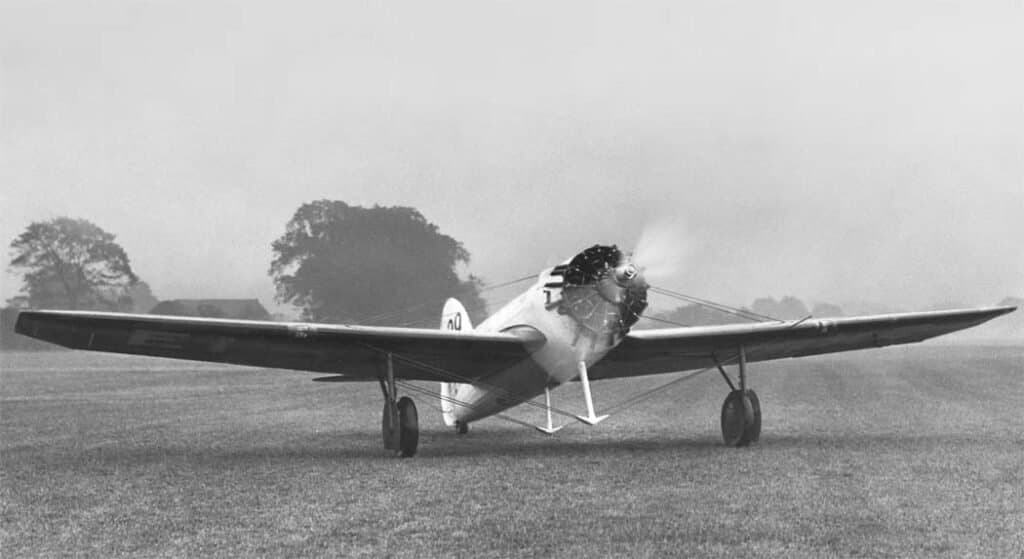
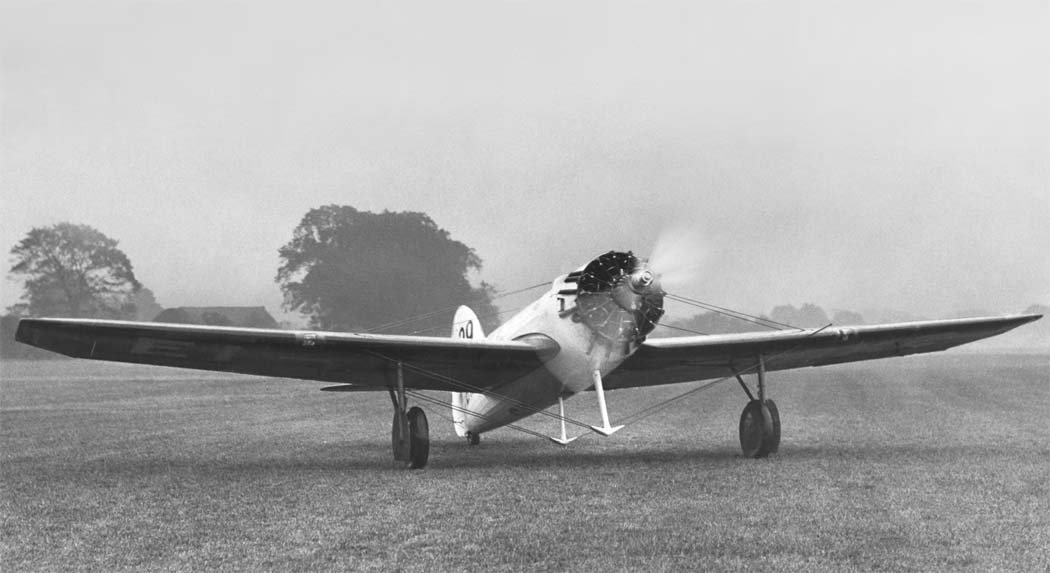
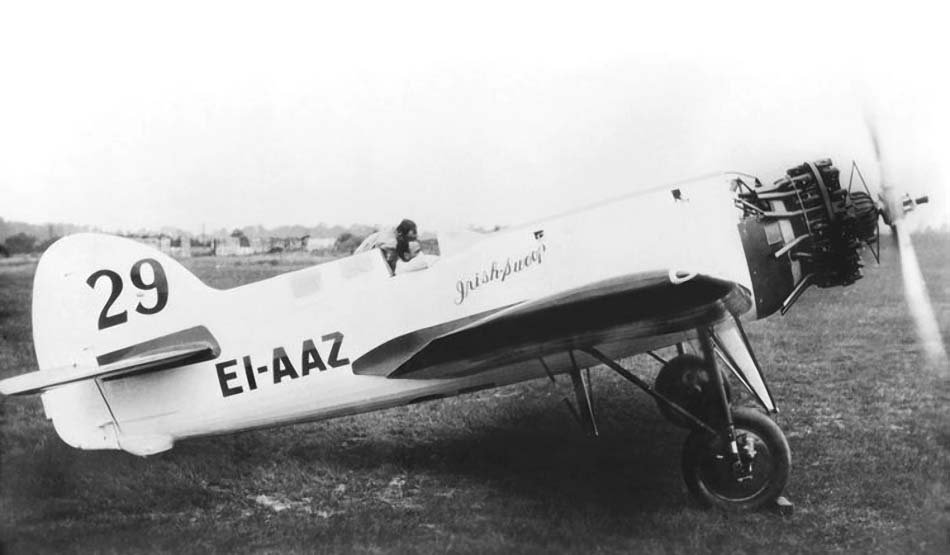
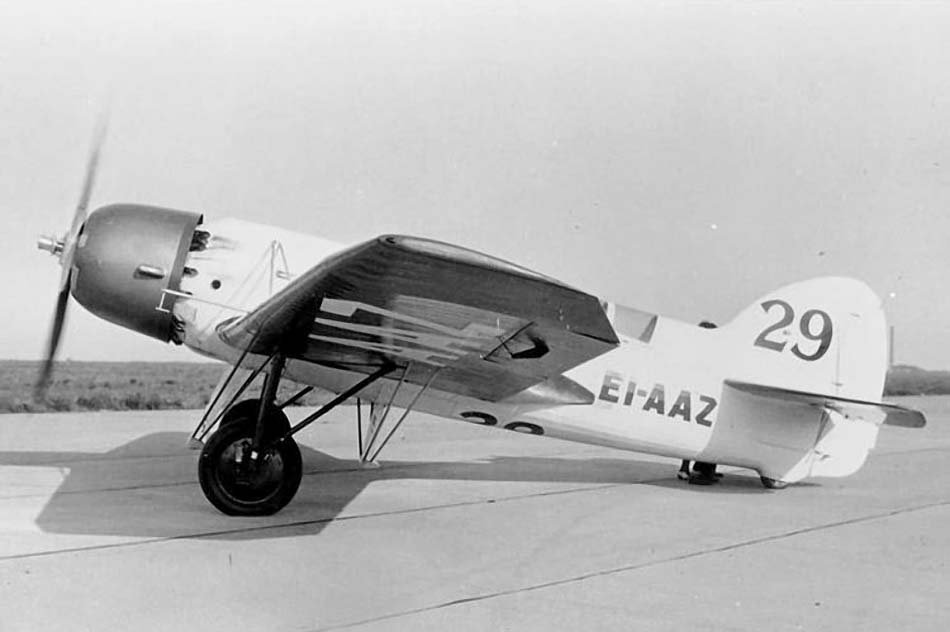
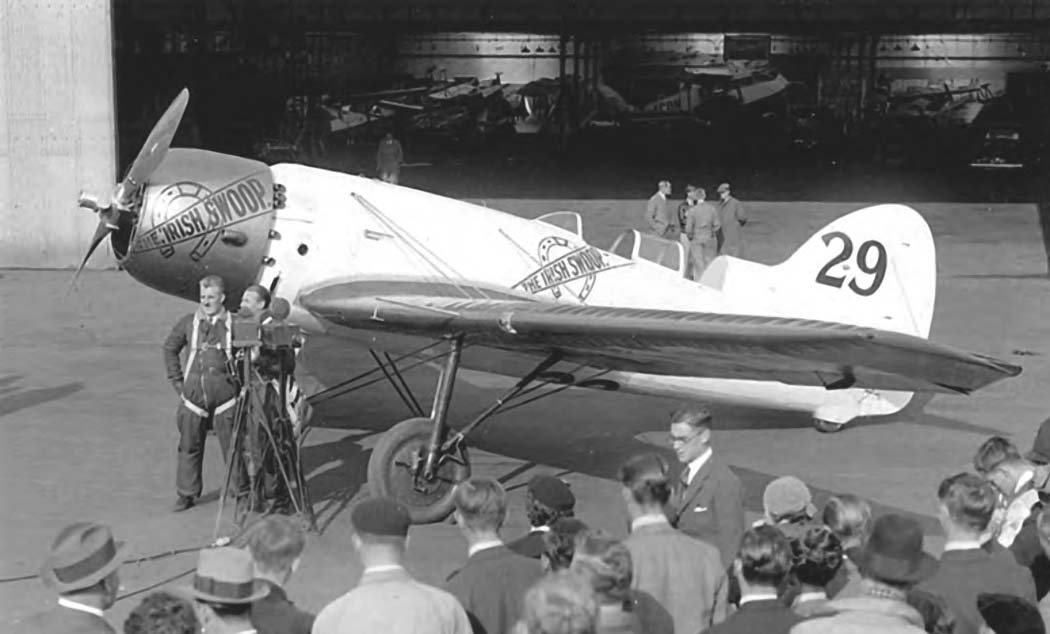
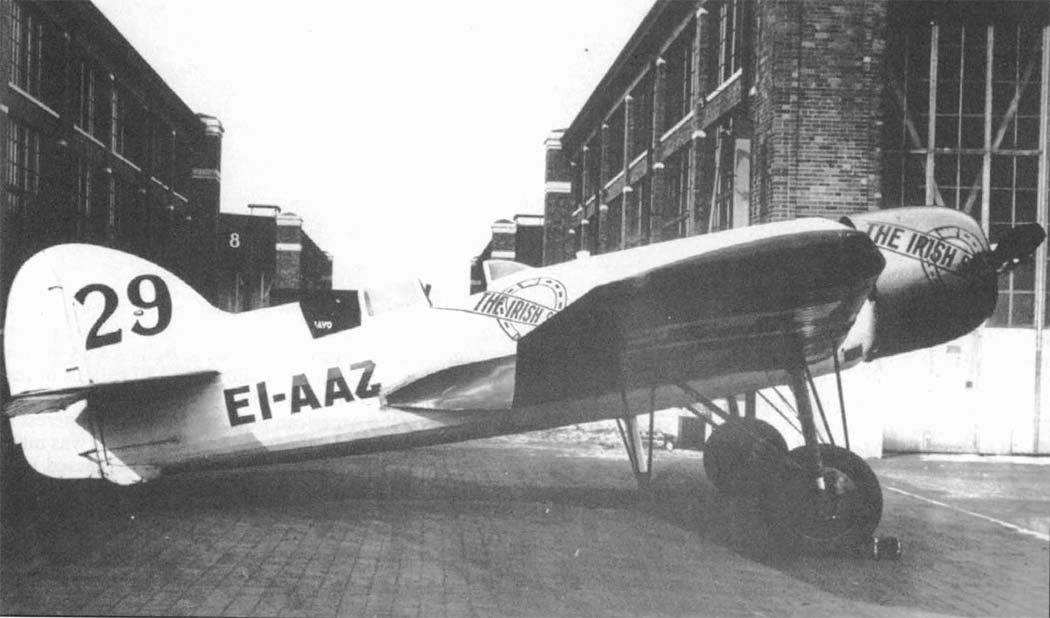
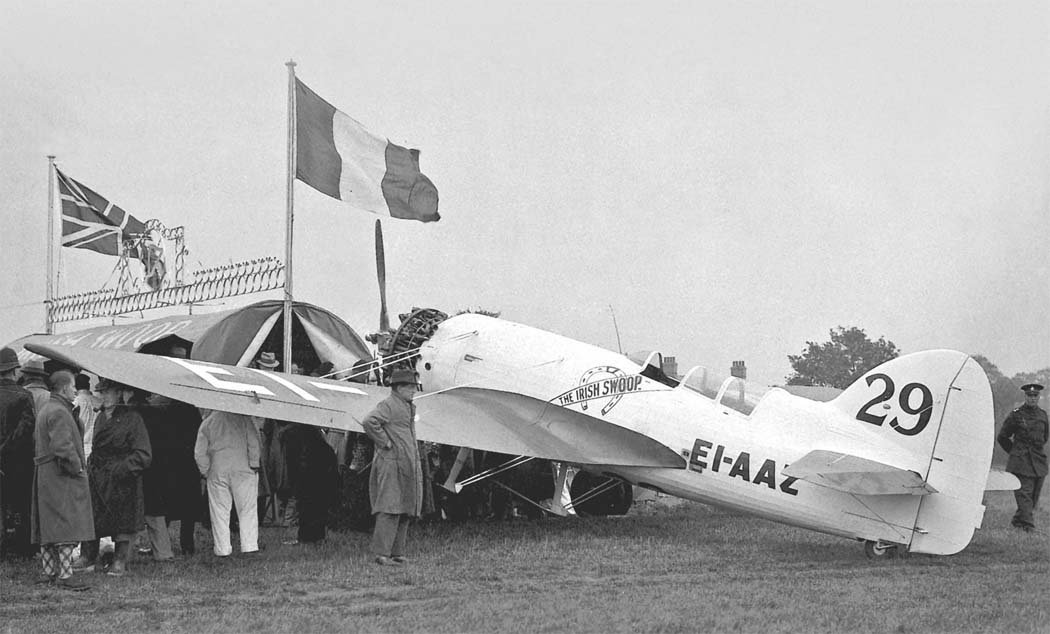
The American racing aircraft Bellanca 28-70 was designed and built by Irish engineer James Fitzmaurice specifically for the 1934 MacRobertson Race—a high-speed flight from England to Australia. The aircraft, christened “Irish Swoop,” arrived in England by sea precisely on time for the competition.
However, Fitzmaurice had to withdraw his creation from the race as new rules limited fuel loading, and the designer did not dare to release the aircraft without proper testing. Despite undergoing a full range of technical work upon arrival, the Bellanca was not allowed to start the race.
Design and Technical Features
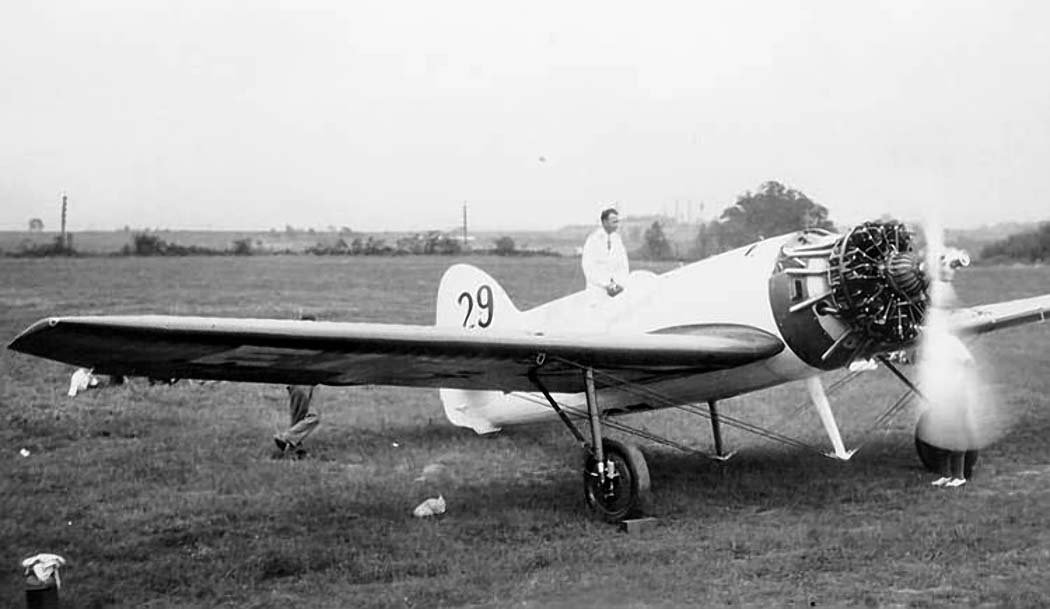
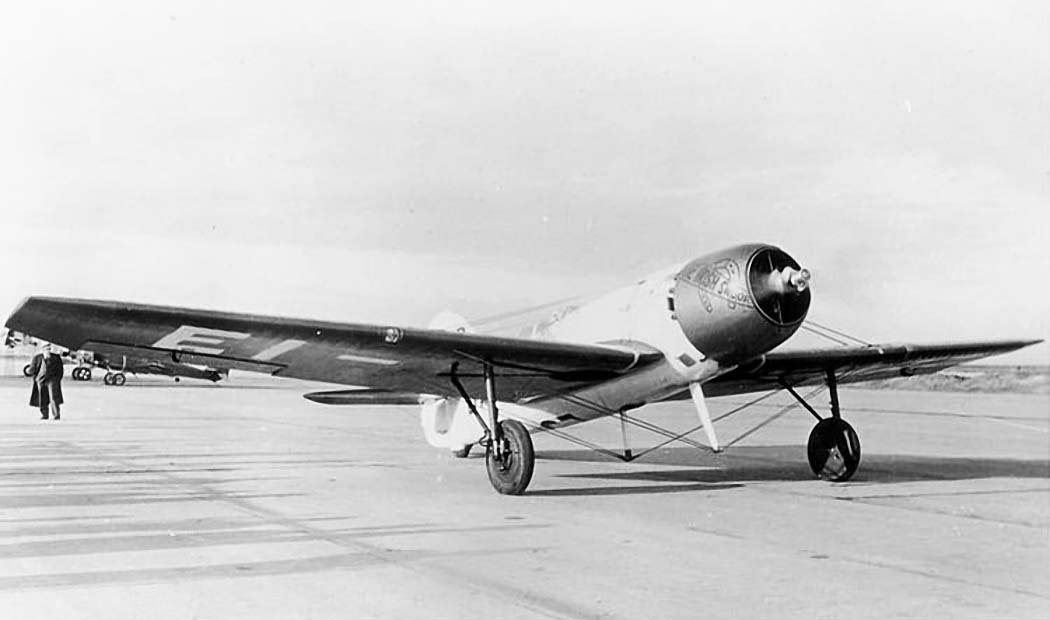
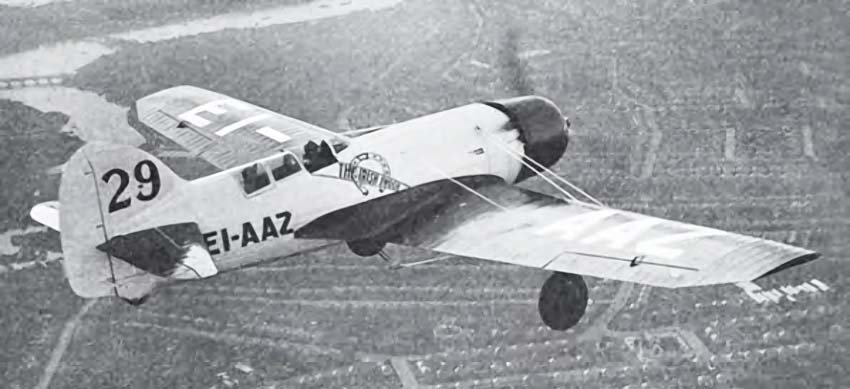
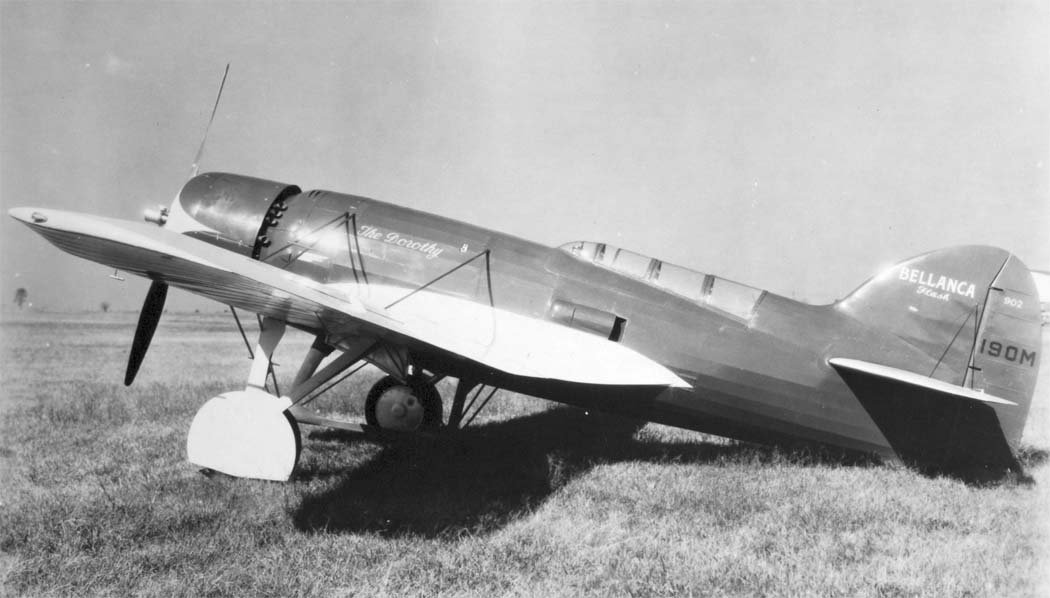
The aircraft was an all-metal low-wing monoplane with a two-seat cockpit for pilot and navigator, positioned closer to the tail. The 28-70 model was equipped with a 700 hp Pratt & Whitney R-1535 radial engine. A large fuel tank occupied the space between the engine and the cockpit.
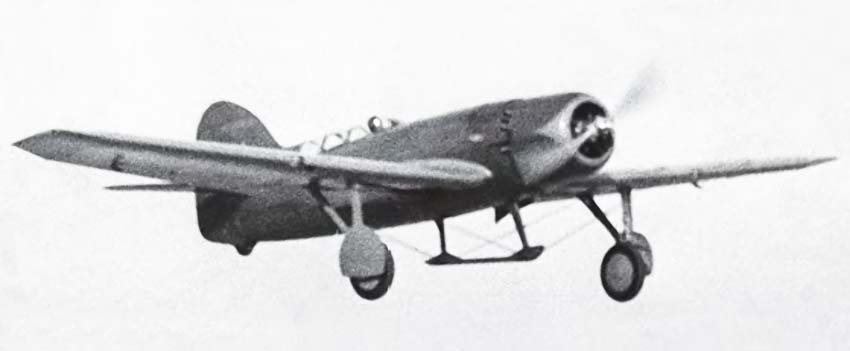
The main landing gear struts, along with the wheels, retracted into the wing consoles and were covered by fairings, while the tail wheel was non-retractable. The first flight of the Bellanca 28-70, with registration code EI-AAZ and number “29”, took place on September 1, 1934. Time was pressing—the race start was scheduled for October 20, and the aircraft was urgently sent to England.
Testing and Evolution
Subsequently, the aircraft was sent to the USA, where a full testing cycle was completed during 1935. The “Bellanca’s” performance was impressive, achieving a maximum speed of 442 km/h and a flight range of 4023 km. Despite one test flight ending in a forced landing, the Bellanca 28-70 received a good evaluation. Higher speed capabilities were achieved after installing a more powerful Pratt & Whitney R-1830 engine, but by then, ultra-long range was no longer needed.
In 1936, the aircraft was severely damaged during a landing and subsequently underwent modernization, installing a 900 hp Pratt & Whitney Twin Wasp engine. The machine received the designation Bellanca 28-90 and a new name, “Dorothy.” In this configuration, the aircraft was used for transatlantic speed record attempts.
Service in the Spanish Civil War
In 1937, pilot James Mollison ferried the updated aircraft to Madrid, where it was immediately purchased by the Republican government, which was actively collecting samples of any relatively modern aviation technology for use in the Civil War. There is information that the “Dorothy” was lost during a reconnaissance mission, but there are no facts confirming this.
Technical Specifications
| Modification | 29-70 |
| Wingspan, m | 14.08 |
| Length, m | 8.08 |
| Wing area, m2 | 25.90 |
| Normal takeoff weight, kg | 3787 |
| Engine type | 1 Piston engine Pratt & Whitney R-1535 Twin Wasp Junior |
| Power, hp | 1 x 700 |
| Maximum speed, km/h | 442 |
| Cruising speed, km/h | 405 |
| Practical range, km | 4023 |
| Rate of climb, m/min | 852 |
| Service ceiling, m | 9300 |
| Crew | 2 crew |
| Armament | None |
Image and diagram gallery of the Bellanca 28-70/90
 Bellanca 28-70(90) |
 Bellanca 28-70(90) |
 Bellanca 28-70(90) |
 Bellanca 28-70(90) |
 Bellanca 28-70(90) |
 Bellanca 28-70(90) |
 Bellanca 28-70(90) |
 Bellanca 28-70(90) |
 Bellanca 28-70(90) |
 Bellanca 28-70(90) |
 Bellanca 28-70(90) |
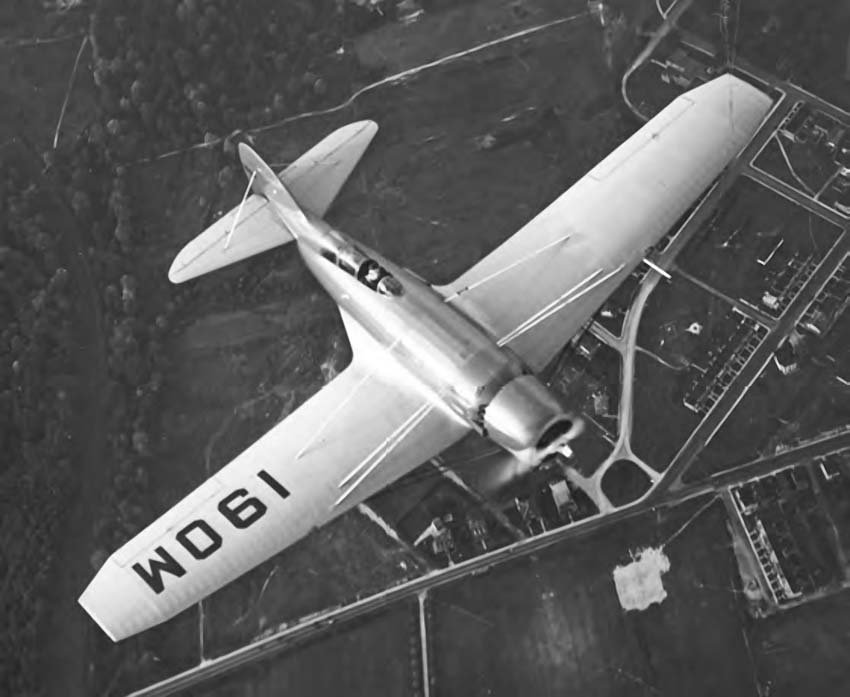 Bellanca 28-70(90) |
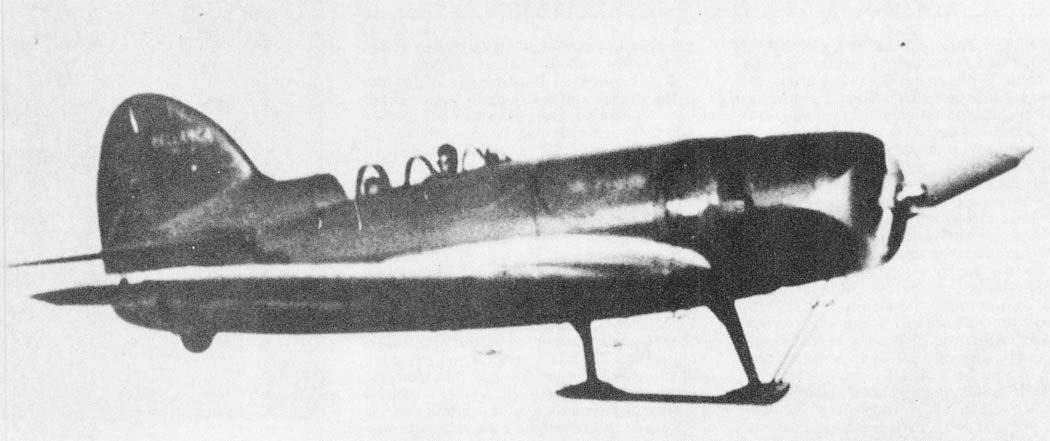 Bellanca 28-70(90) |
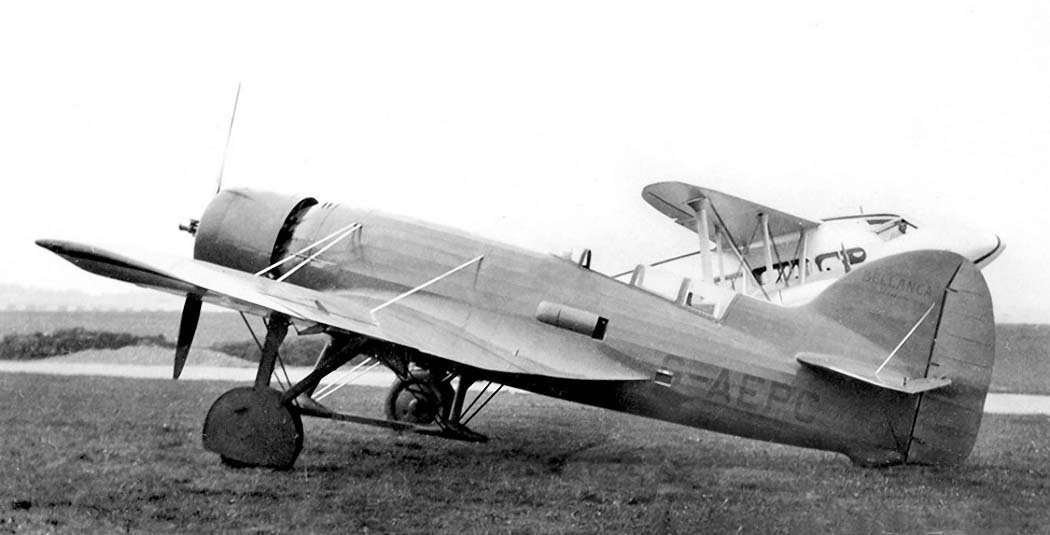 Bellanca 28-70(90) |
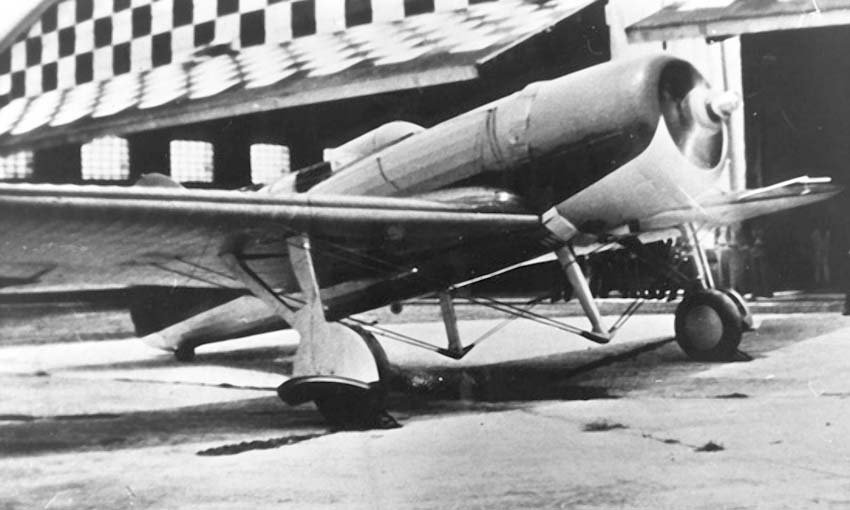 Bellanca 28-70(90) |
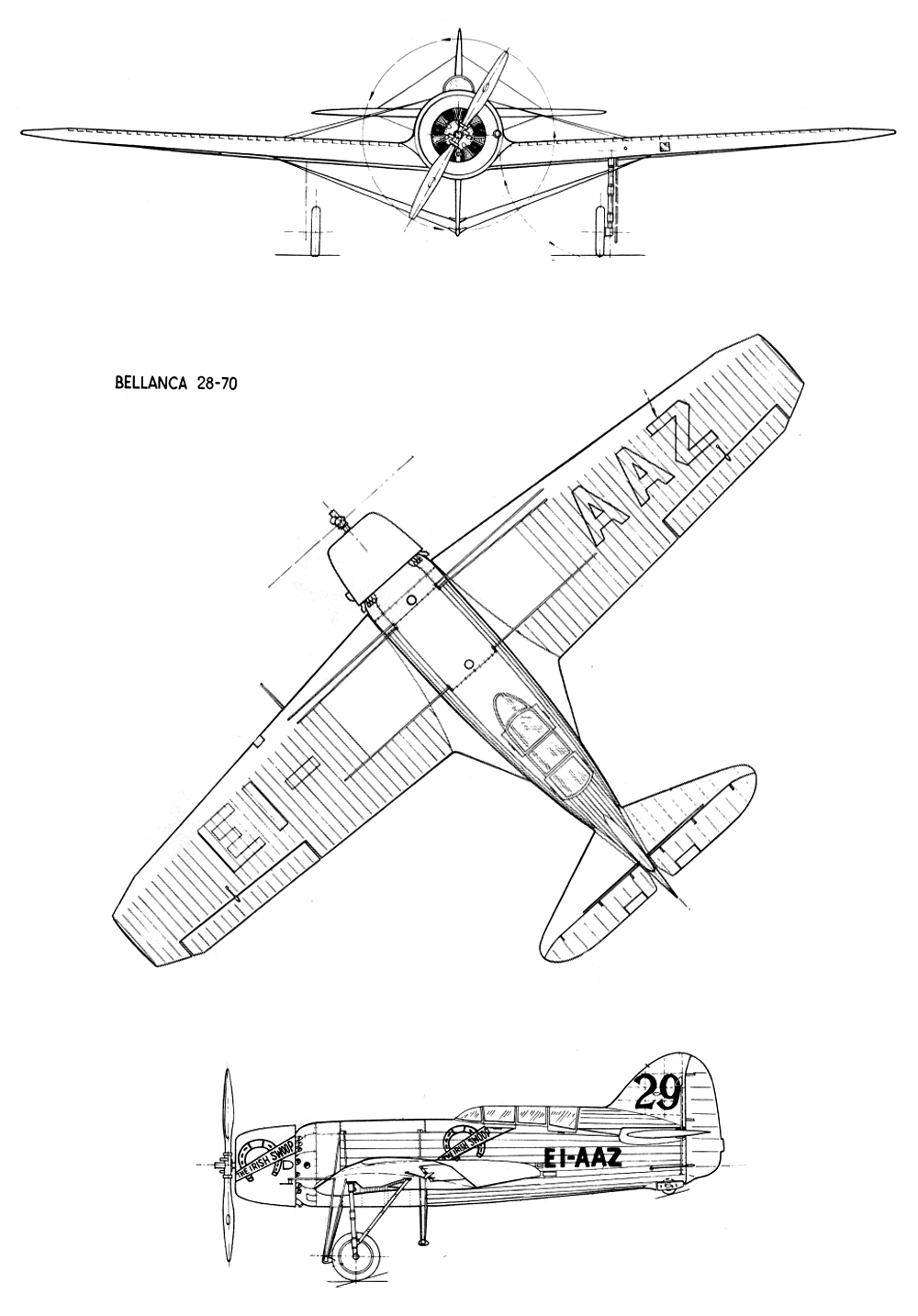 Bellanca 28-70(90) |
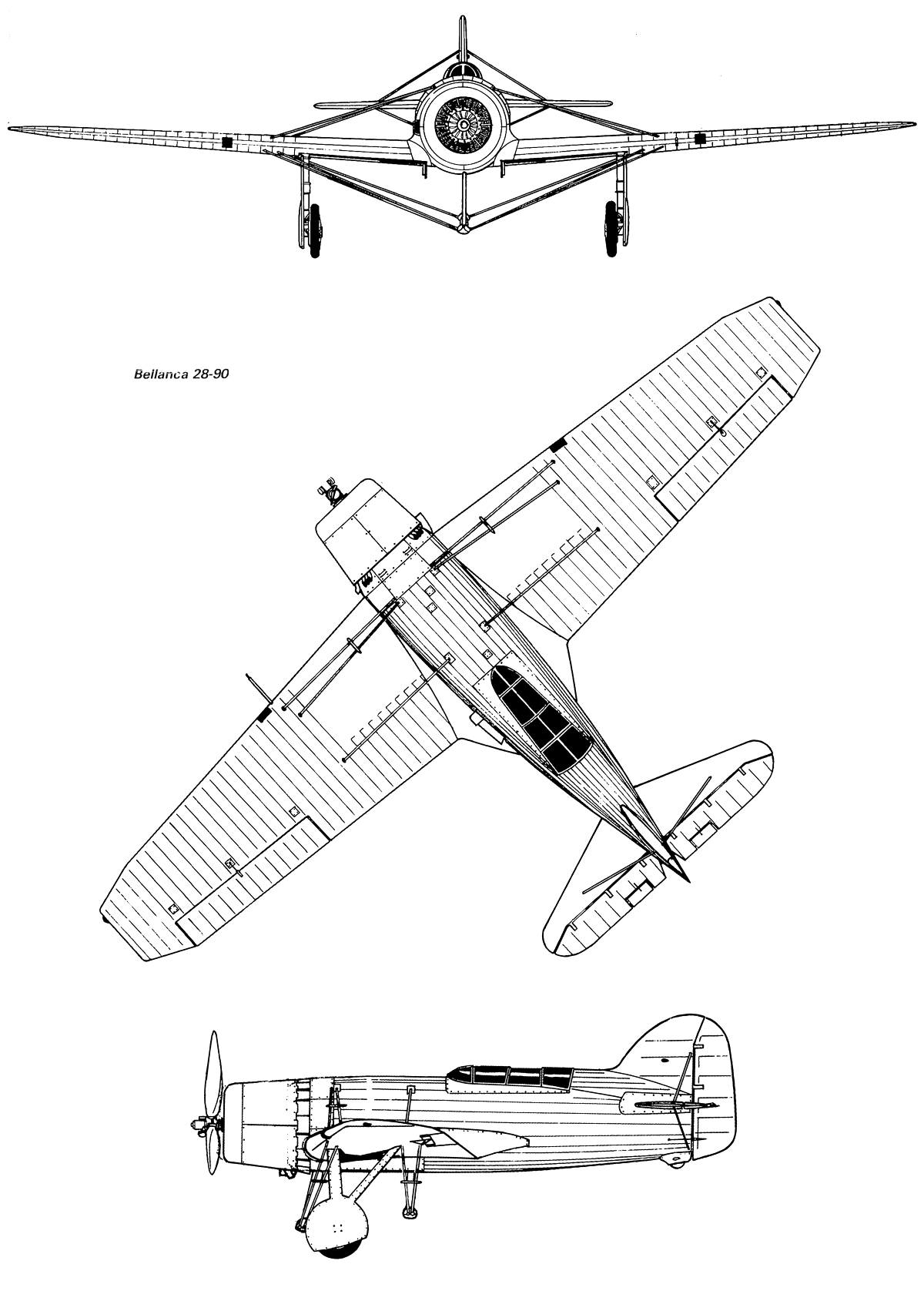 Bellanca 28-70(90) |
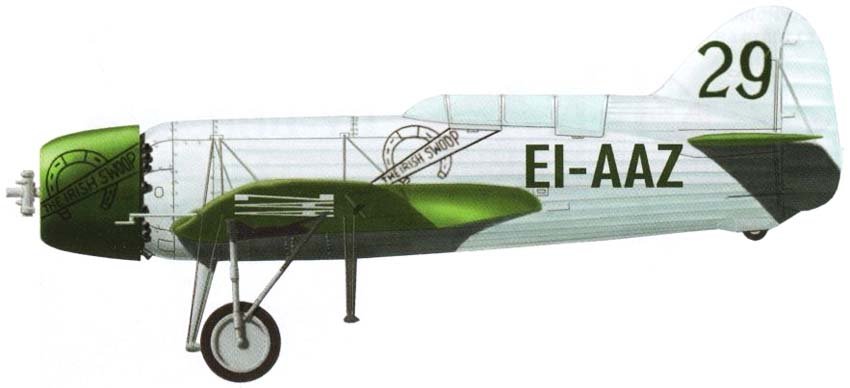 Bellanca 28-70(90) |
ArchivoAéreo Editorial Team
A group of aviation researchers and enthusiasts dedicated to documenting and preserving global aeronautical history. All articles are reviewed to ensure historical accuracy.
Sources & Accuracy
The information presented in this technical sheet has been compiled from declassified flight manuals, historical archives, and specialized literature. While we strive for maximum accuracy, some performance data may vary depending on the specific variant or operational conditions.