Bellanca K
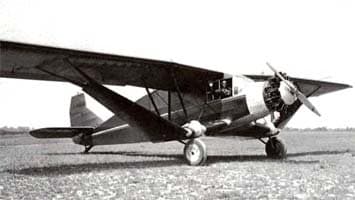
In the late 1920s, aviation records were being broken very quickly. The Italian ace pilot Cesare Sabelli set out to break one of these records. In 1928, he commissioned the American company Bellanca Aircraft Corporation to develop an aircraft capable of flying non-stop from New York to Rome.
Development and Characteristics of the Bellanca K
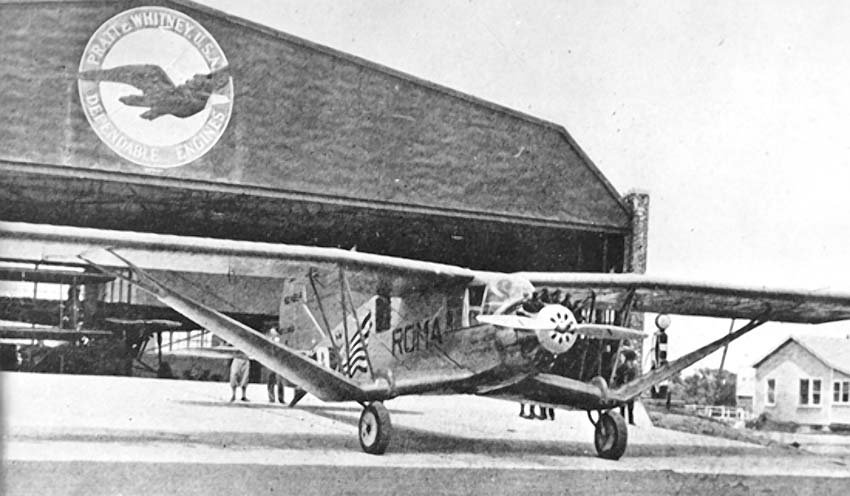
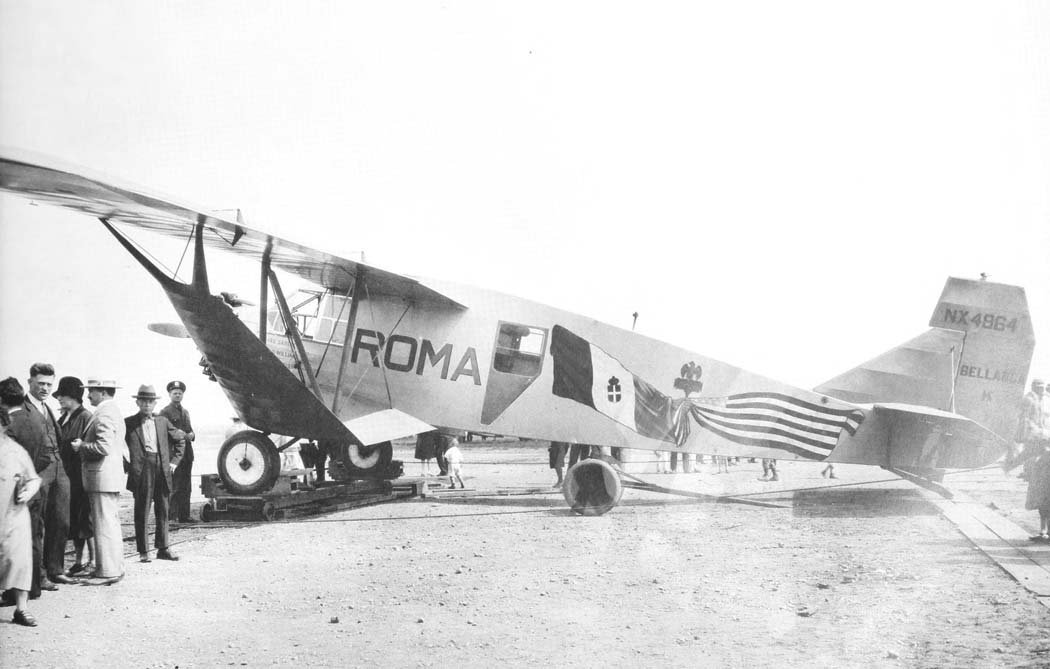
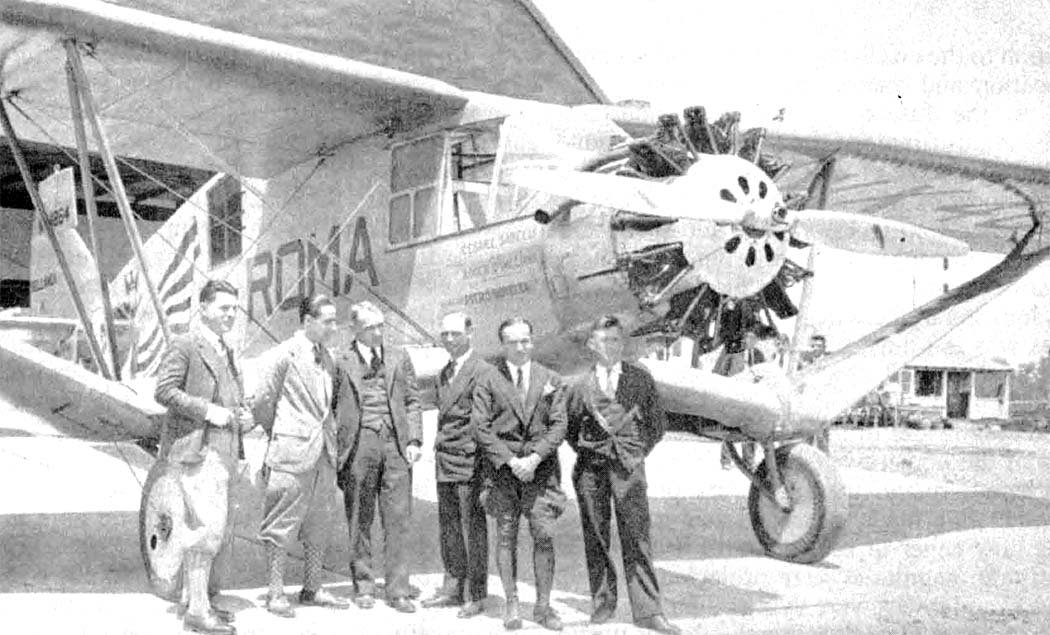
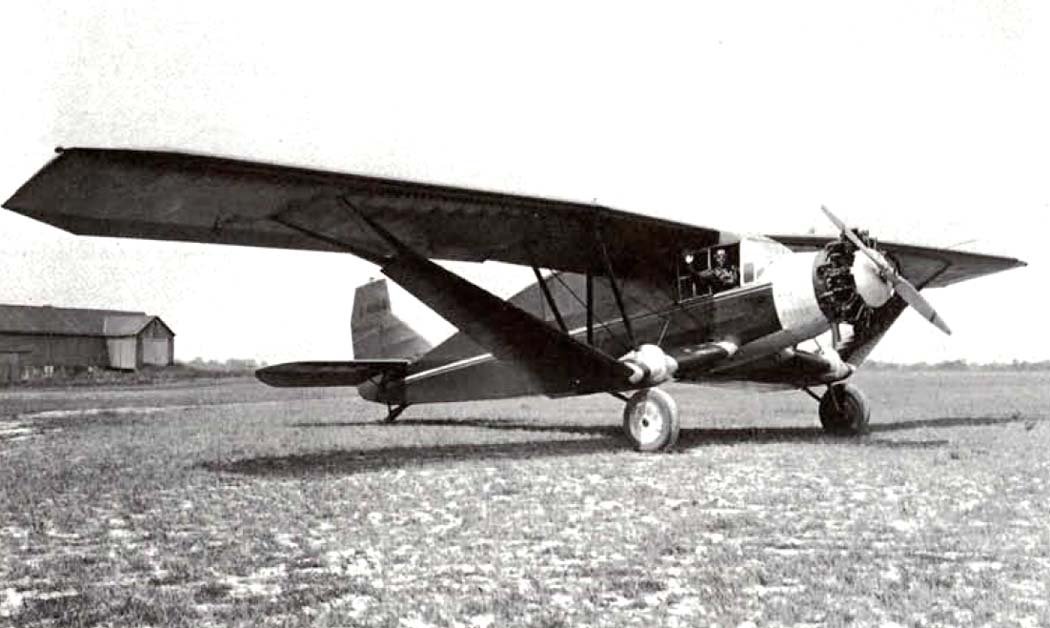
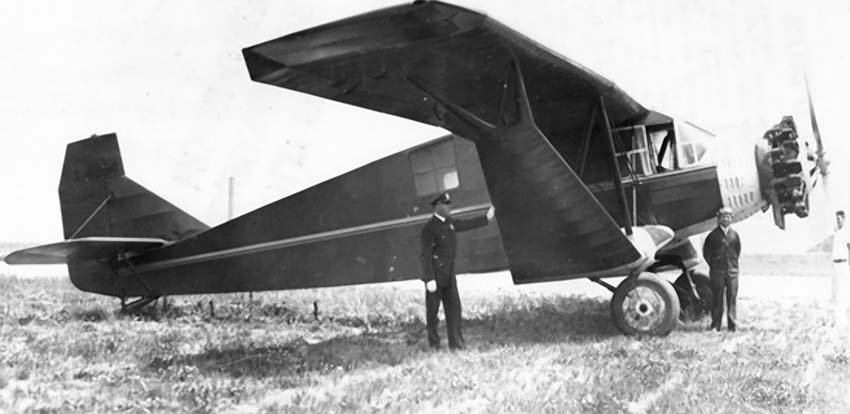
As a result, in the same year, the Bellanca K aircraft (s/n. 117, registration NX4864), named “Roma,” was built. It was a biplane with clean aerodynamic forms, a closed cockpit, and an unusual technical solution: the upper wing struts were used as lower lifting surfaces.
A 500-horsepower Pratt & Whitney Hornet engine was used as the power plant. This configuration allowed for advanced aerodynamics for its time, optimized for long-distance flights and stability in adverse conditions.
The “Roma” and the Atlantic Challenge
Sabelli did not manage to carry out the flight, but the designers’ work was not in vain; they used the new technical solution in the design of their next transport aircraft, the Bellanca Aircruiser. It was only four years later that the Bellanca K was remembered again. Pilots Thor Solberg and Carl Peterson decided to make a transatlantic flight to Norway in it.
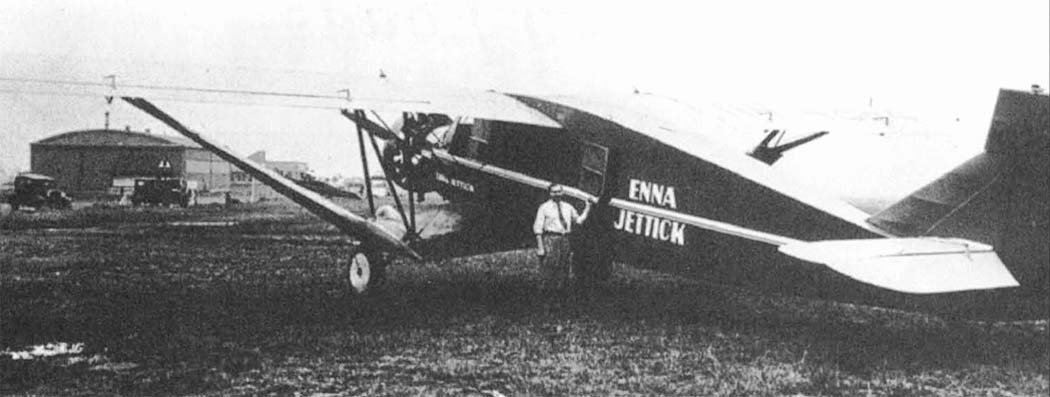
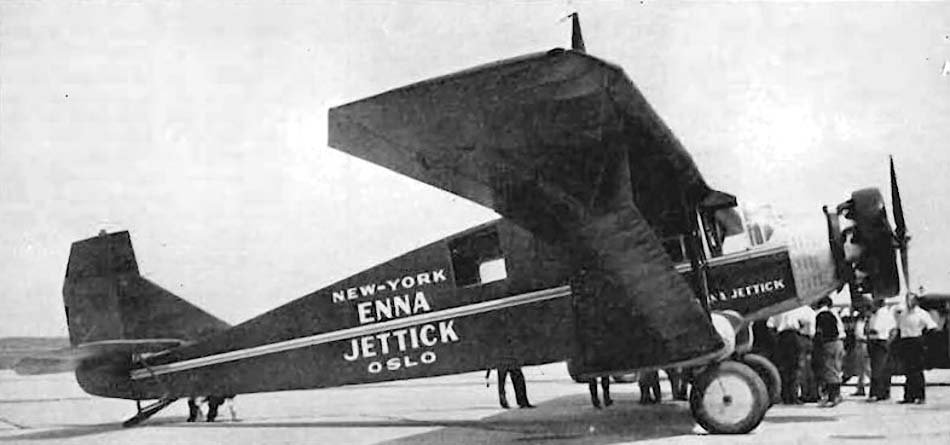
The Erma Jettick Shoe Company acted as the flight sponsor, so the aircraft was given the new name “Erma Jettick”. This new expedition sought to continue the tradition of breaking records and demonstrating the growing capabilities of aviation.
On August 23, 1932, the Bellanca K took off from New York at 5:45 AM. Before the transatlantic flight, the pilots planned to refuel at an airfield on the island of Newfoundland. However, poor visibility due to a storm and fog led to a crash during landing. The aircraft fell into coastal waters, and Solberg and Peterson suffered only minor injuries.
Technical Specifications
| Modification | Bellanca K |
| Wingspan, m | 19.66 |
| Length, m | 11. 91 |
| Maximum takeoff weight | 3628 |
| Engine type | 1 Piston engine Pratt & Whitney Hornet |
| Power, hp | 1 x 500 |
| Maximum speed, km/h | 225 |
| Cruising speed, km/h | 185 |
| Practical range, km | 8850 |
| Crew | 2 |
Image and diagram gallery of the Bellanca K
 Bellanca K |
 Bellanca K |
 Bellanca K |
 Bellanca K |
 Bellanca K |
 Bellanca K |
 Bellanca K |
ArchivoAéreo Editorial Team
A group of aviation researchers and enthusiasts dedicated to documenting and preserving global aeronautical history. All articles are reviewed to ensure historical accuracy.
Sources & Accuracy
The information presented in this technical sheet has been compiled from declassified flight manuals, historical archives, and specialized literature. While we strive for maximum accuracy, some performance data may vary depending on the specific variant or operational conditions.