Bellanca XSE
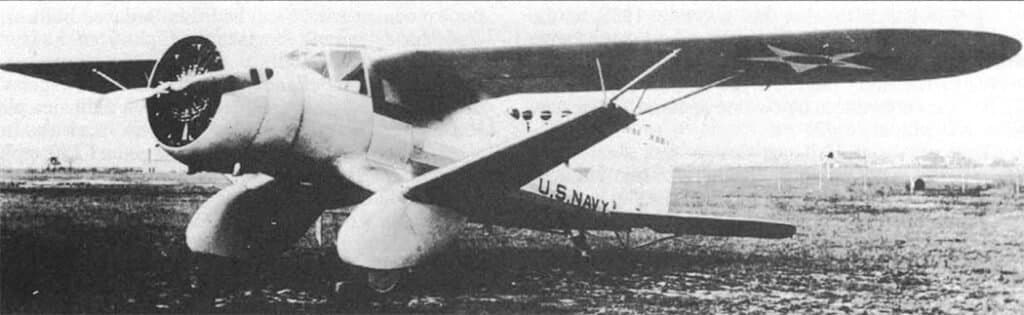
In 1931, the U.S. Navy signed a contract with Bellanca Aircraft Corp. for the construction of a deck-based, long-range reconnaissance aircraft. That same year, the aircraft’s design project was developed, based on the Bellanca P-200 Airbus transport aircraft.
Initial Development and the XSE-1
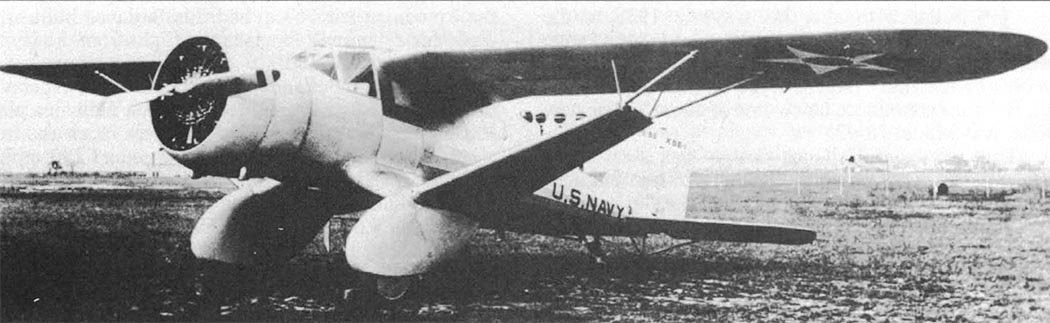
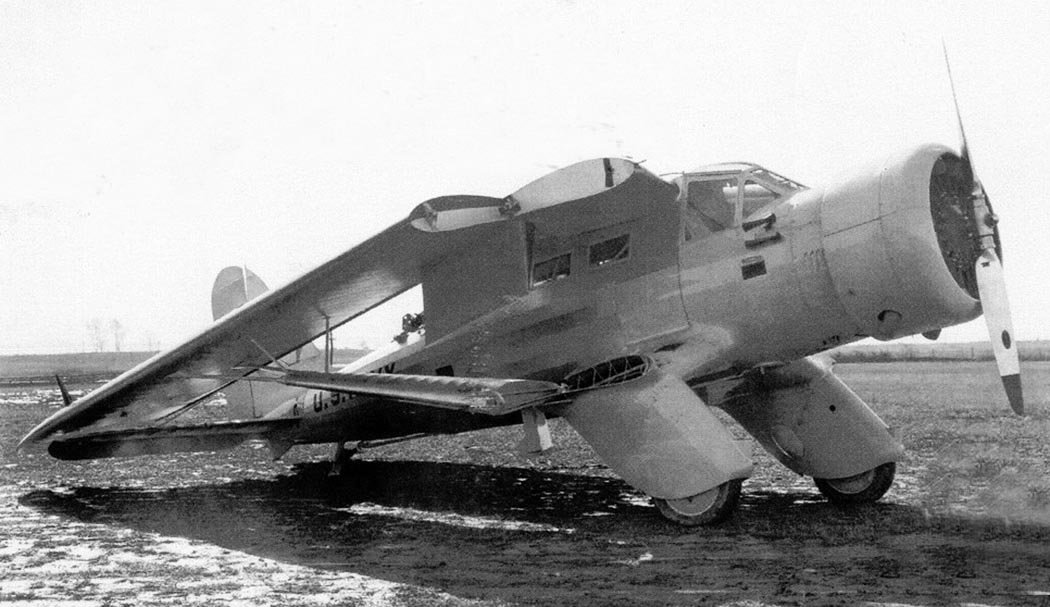
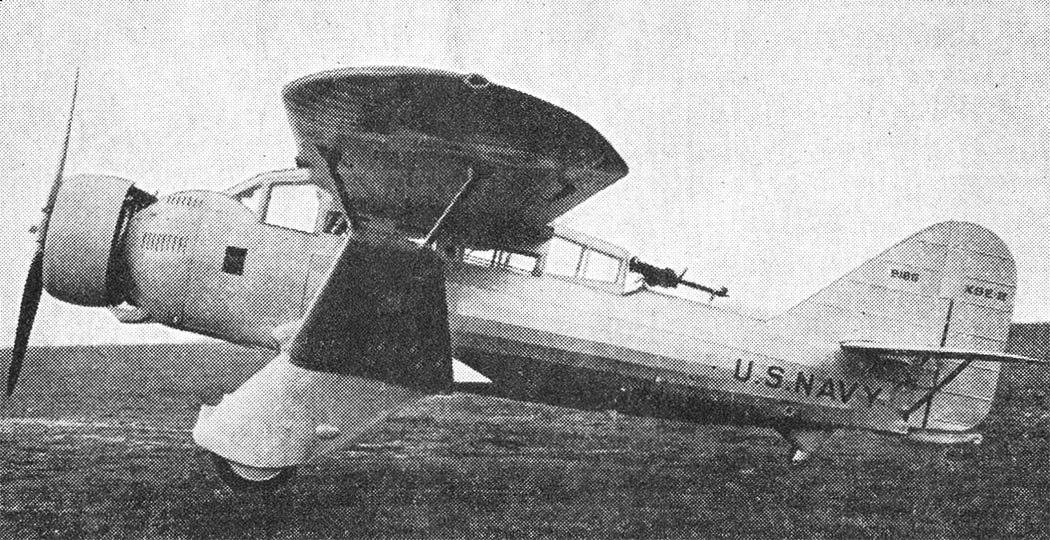
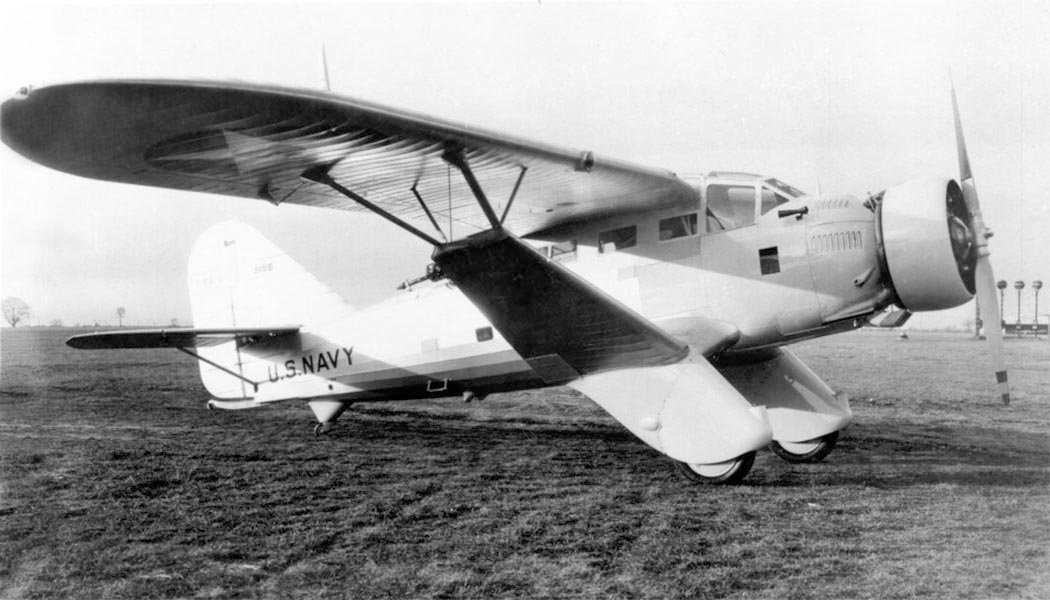
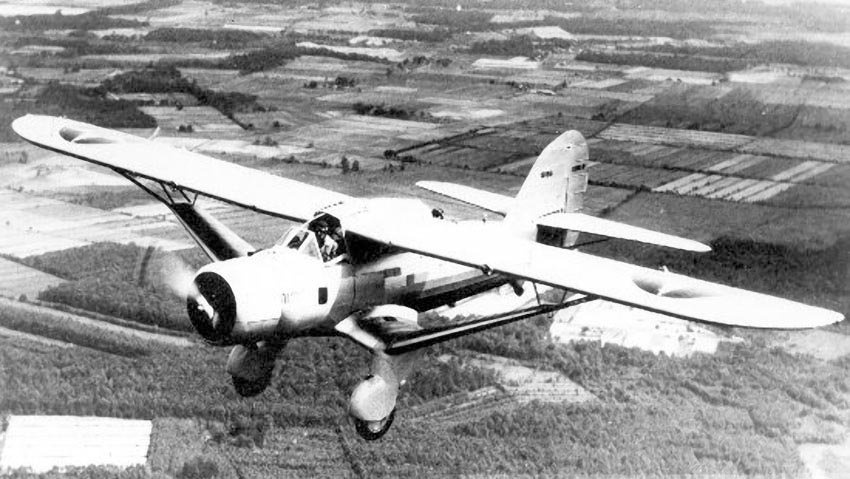
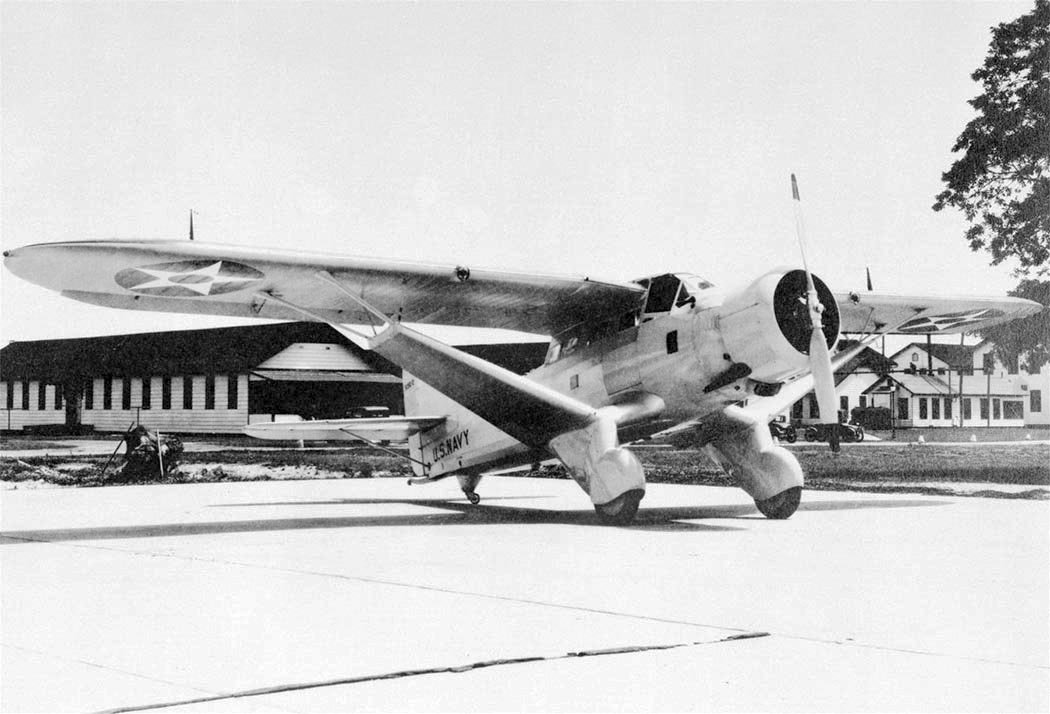
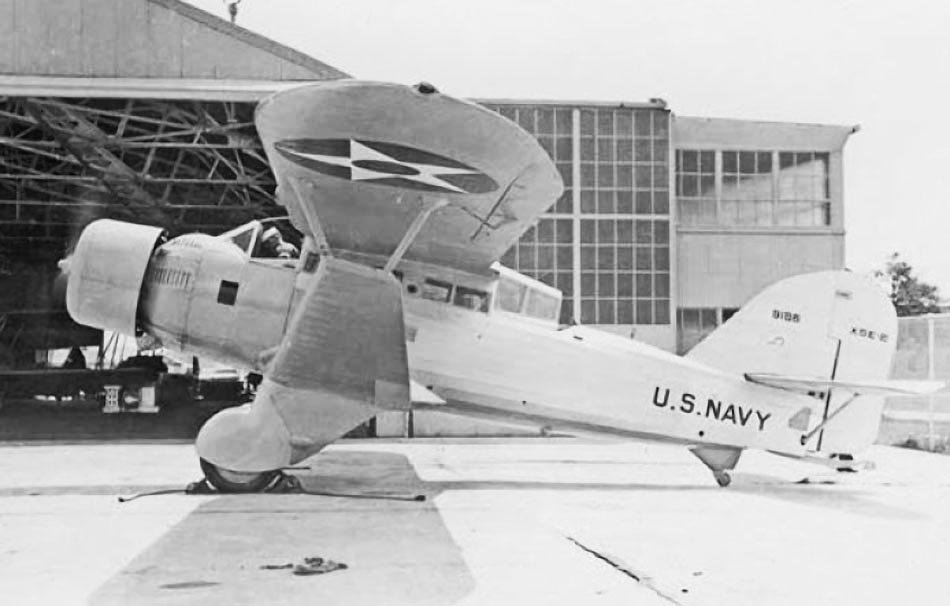
Testing of the XSE-1 prototype began in December 1931. This was a three-seater, strut-braced high-wing monoplane, equipped with a single 650 hp Wright R-1820F Cyclone engine. Its armament consisted of two forward 7.62mm Browning machine guns and one identical gun installed in the rear cockpit on a movable turret. Unfortunately, the prototype was destroyed during its initial test flights.
The Improved XSE-2 Prototype
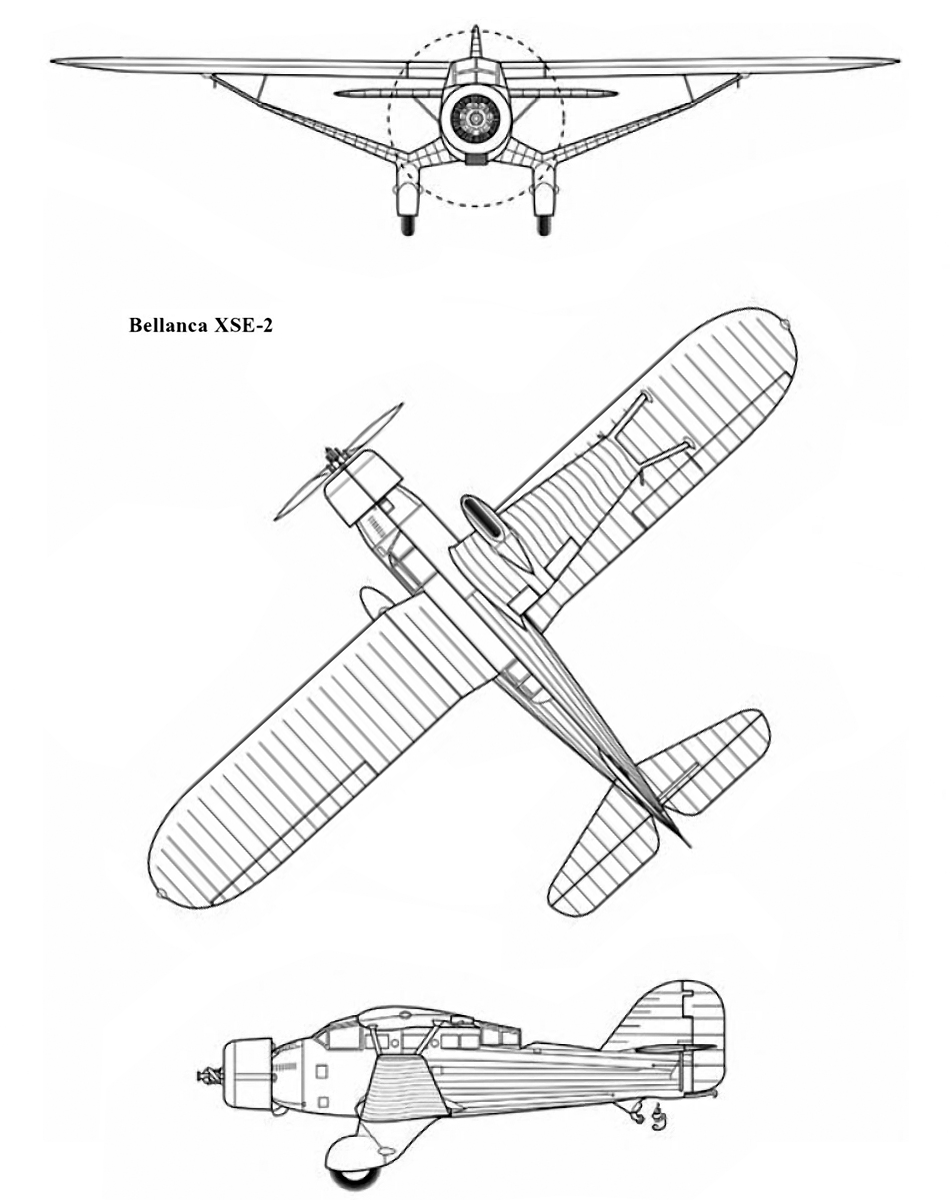
The second prototype, the XSE-2, was not completed until 1934. It featured a fourteen-cylinder Wright R-1510-98 Twin Whirlwind engine of the same power, a new tail section, and a reinforced arresting hook.
During factory tests, the aircraft demonstrated promising flight performance. However, by this time, the military had changed its plans, becoming more interested in reconnaissance-bomber aircraft, which ultimately led to the project’s cancellation.
Technical Specifications
| Modification | XSE-2 |
| Wingspan, m | 15.16 |
| Length, m | 9.04 |
| Wing area, m2 | 38.18 |
| Empty weight | 1619 |
| Maximum takeoff weight | 2741 |
| Engine type | 1 Piston engine Wright R-1510-98 Twin Whirlwind |
| Power, hp | 1 x 650 |
| Maximum speed, km/h | 278 |
| Cruising speed, km/h | 225 |
| Practical range, km | 2345 |
| Practical ceiling, m | 5730 |
| Crew | 3 crew |
| Armament | two forward 7.62-mm Browning machine guns, one 7.62-mm machine gun on a turret in the observer’s cockpit |
Image and diagram gallery of the Bellanca XSE
 SE |
 SE |
 SE |
 SE |
 SE |
 SE |
 SE |
 SE |
ArchivoAéreo Editorial Team
A group of aviation researchers and enthusiasts dedicated to documenting and preserving global aeronautical history. All articles are reviewed to ensure historical accuracy.
Sources & Accuracy
The information presented in this technical sheet has been compiled from declassified flight manuals, historical archives, and specialized literature. While we strive for maximum accuracy, some performance data may vary depending on the specific variant or operational conditions.