Benoist XV
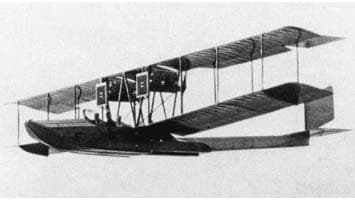
Origin and Development
After creating the Benoist XIV flying boat, designer Thomas Wesley Benoist moved on to other projects. In early 1914, Benoist began developing an aircraft for a transatlantic flight, aiming for the prize offered by the Daily Mail newspaper.
Features of the Benoist XV
The Benoist XV flying boat, also known as the Benoist Type C, made its first flight in late 1915. It was a six-seater, four-strut biplane, equipped with two 100 hp Roberts engines.
Wartime Challenges and Proposals
During the First World War, the transatlantic flight could not take place. Benoist attempted to offer the machine to the British as an anti-submarine aircraft; however, they preferred Glenn Curtiss’s products.
Technical Specifications
| Modification | Benoist XV |
| Wingspan, m | 19.81 |
| Aircraft length, m | 11.84 |
| Wing area, m2 | 61.32 |
| Empty weight | 1814 |
| Maximum takeoff weight | 2676 |
| Engine type | 2 Piston engines Roberts |
| Power, hp | 2 x 100 |
| Maximum speed, km/h | 128 |
| Cruising speed, km/h | 105 |
| Practical range, km | 482 |
| Crew, crew members | 1 |
| Payload | 5 passengers |
Image and diagram gallery of the Benoist XV
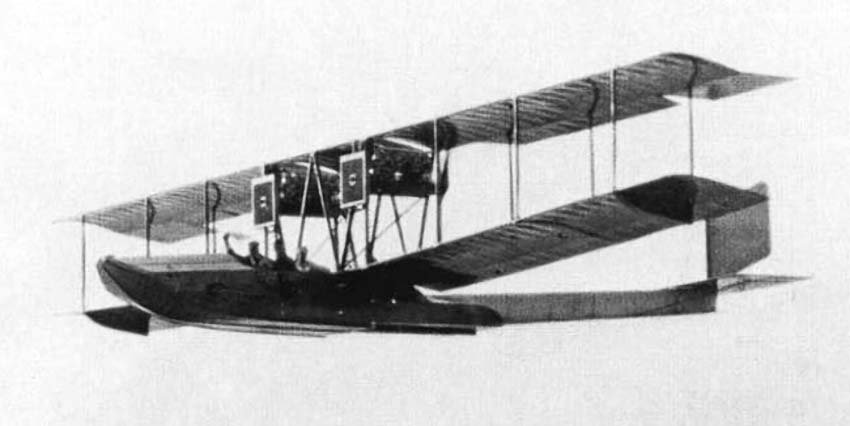 Benoist XV |
 Benoist XV |
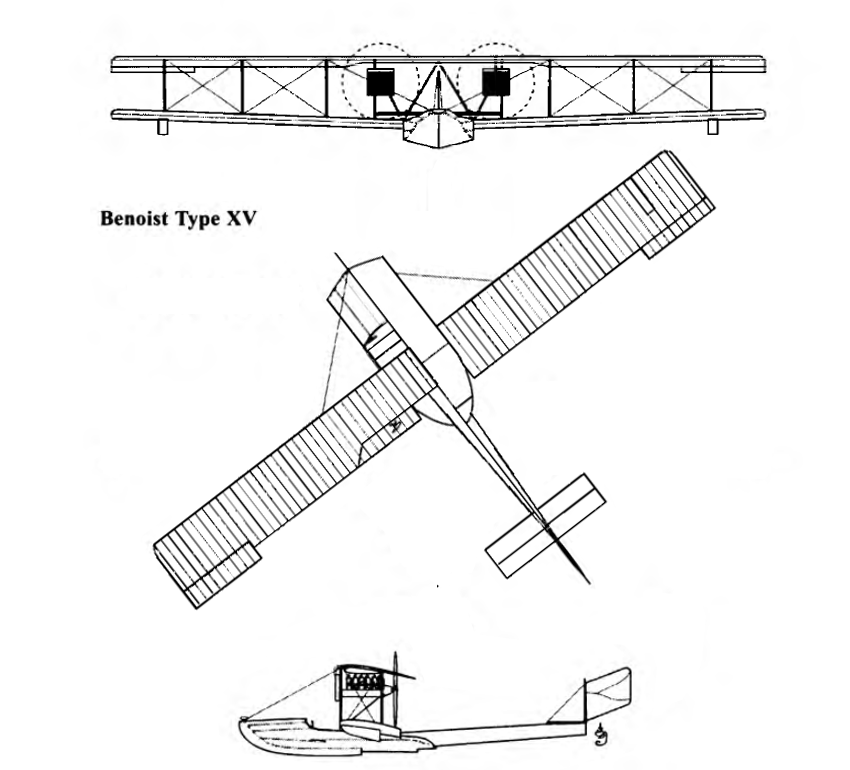 Benoist XV |
ArchivoAéreo Editorial Team
A group of aviation researchers and enthusiasts dedicated to documenting and preserving global aeronautical history. All articles are reviewed to ensure historical accuracy.
Sources & Accuracy
The information presented in this technical sheet has been compiled from declassified flight manuals, historical archives, and specialized literature. While we strive for maximum accuracy, some performance data may vary depending on the specific variant or operational conditions.