Beriev Be-2 (KOR-1)
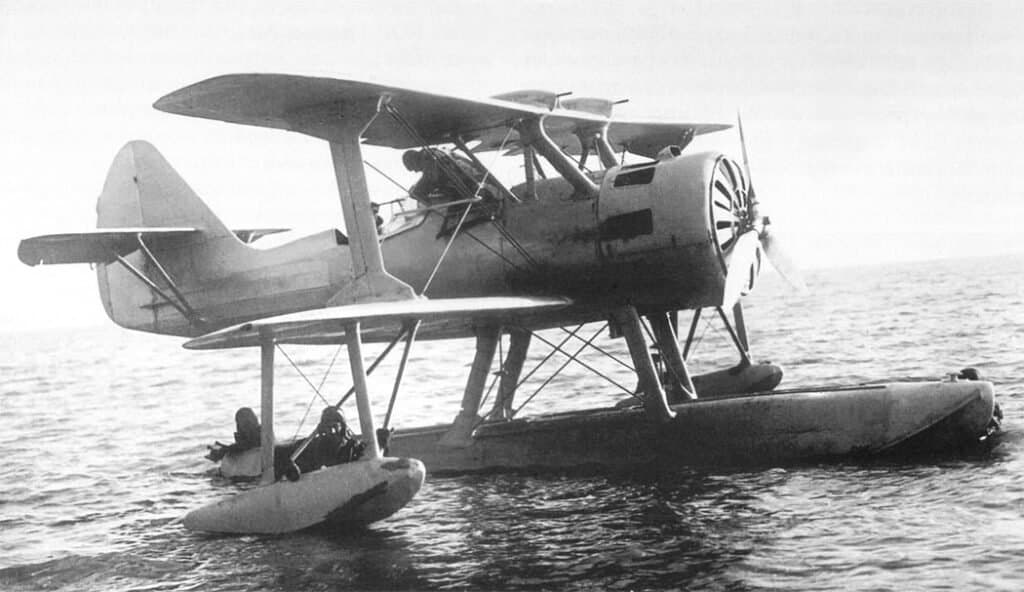
The KOR-1 is not among the widely known aircraft. This machine could not boast of either its uniqueness or its outstanding flight performance characteristics. It was built in a small series and remained in service for a short time. Nevertheless, the KOR-1 became the first Soviet seaplane specifically designed for launch from a ship’s catapult.
It fully justified the well-known expression about the “thorny path of a pioneer” and the equally known saying about the “first pancake.” It was a difficult but necessary stage both in the establishment of the young aircraft designer G.M. Beriev and his design bureau, and in the development of catapult reconnaissance aircraft for Soviet naval aviation.
Development of the KOR-1
The idea of arming warships with reconnaissance aircraft arose almost from the moment heavier-than-air flying machines appeared. By the end of World War I, battleships and battlecruisers were already equipped with seaplanes that conducted reconnaissance, corrected the fire of main-caliber artillery, and, if necessary, defended their ship against aerial adversaries.
Initially, seaplanes were lowered onto the water by a ship’s crane for takeoff. Later, small inclined platforms appeared, from which floatplanes could take off on special trolleys. However, they occupied a lot of space on board, and takeoff was only possible at full ship speed and against the wind. The solution to the problem was the use of a catapult, allowing takeoff even from a stationary ship.
Worldwide, the heyday of ship-borne catapult aircraft occurred in the 1920s-1930s. In the Soviet Union, the history of such technology began with the purchase of a specially manufactured K-3 pneumatic catapult and 20 HD-55 flying boats from the German company Heinkel. These received the domestic designation KR-1 (ship-borne scout first).
The catapult was installed on the Black Sea battleship “Parízhskaya Kommuna” in 1930 and transferred to the cruiser “Krasny Kavkaz” in 1935. The KR-1s were distributed between the Baltic and Black Sea fleets, where they were assigned to squadrons of battleships and cruisers.
The KR-1 was a wooden biplane with a crew of two. For its time, it had good characteristics, but it could not be considered a suitable machine for arming new ships. With the inevitable increase in takeoff speeds, the K-3 catapult also became unpromising, as it ensured aircraft takeoff at a lifting speed of no more than 90 km/h.
According to the plans of the 2nd Five-Year Plan (1933-37), light cruisers were to be built, whose armament was to include catapult reconnaissance aircraft. The same five-year plan provided for the conversion of mobilized cargo-passenger and cargo ships into aircraft transports-seaplane tenders, the total need for which was estimated at 32 units. To equip new ships and replace the KR-1, it was necessary to create domestic catapults and aircraft for them.
The prospective catapult reconnaissance aircraft was initially named KR-2, but after a short time, its designation was changed to KOR-1. in June 1934, S.V. Ilyushin, head of the TsKB of Experimental Factory No. 39, received the “Tactical and Technical Requirements for a Ship-borne Catapult Aircraft with a Wright-Cyclone F3 Engine (KOR-1 – RCF3),” approved by Ya.I. Alksnis, head of the Workers’ and Peasants’ Red Army Air Force (which included naval aviation).
From Ilyushin, this document went to Brigade No. 5 of the TsKB, which dealt with naval aircraft and was headed by G.M. Beriev. The new assignment was not a complete surprise for Georgiy Mikhailovich. He had just returned from a long overseas business trip, during which he visited the Italian naval base La Spezia, where he familiarized himself with the heavy cruiser “Bolzano” and its aviation armament. Beriev also inspected a small factory in La Spezia, where ship-borne catapults for the Italian Navy were being built. Immediately after Beriev’s arrival, he was seconded to Sevastopol to familiarize himself with the K-3 catapult and the KR-1 seaplane.
Beriev faced the very complex task of creating a machine that met very strict tactical and technical requirements. The seaplane was to have good seaworthiness to land in the open sea, an all-metal frame using domestic corrosion-resistant materials. Due to ship-based conditions, the KOR-1’s wings had to fold, and the aircraft’s width in this position could not exceed 5 m, length 11 m, and height 4 m.
Catapult launch required increased attention to the airframe’s strength and simultaneously limited the takeoff weight. The takeoff speed during catapult launch was determined at 115 km/h, with a maximum acceleration of 4.0 g. The “Requirements” specified the scheme of the new reconnaissance aircraft: “Single-float seaplane or flying boat.”
The KOR-1 was assigned the following tasks: aerial reconnaissance, correction of naval and coastal artillery fire, bombing, and attack with machine-gun fire from a dive. From the catapult, the aircraft was to be used in two variants: “A” – reconnaissance-spotter with small arms, and “B” – dive bomber with a bomb load of 200 kg, carried instead of part of the fuel.
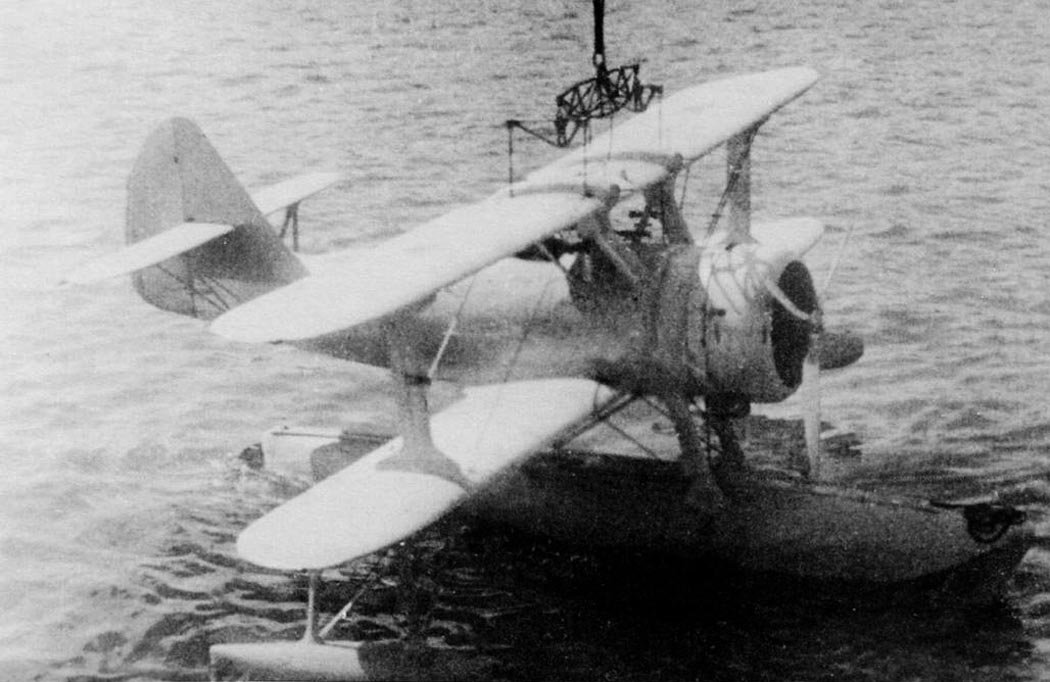
The aircraft’s recovery on board the ship was to be carried out using a so-called “apron” (a tarpaulin lowered overboard and towed behind or alongside the ship; the seaplane landing on the water would taxi onto it, after which it would be on a platform moving at ship’s speed; then the ship’s crane would lift the aircraft from the tarpaulin and place it on deck) and a ship’s crane while underway or only by crane when stationary. The creation of civilian variants of the KOR-1 was not excluded: a high-speed mail plane and a fishing plane for the Arctic.
Beriev received the design assignment for the KOR-1 at a pivotal moment in his life. On August 9, 1934, a government decision was made to establish the Central Design Bureau for Maritime Aircraft Construction (TsKB MS) at Aviation Plant No. 31 in Taganrog, headed by Georgiy Mikhailovich.
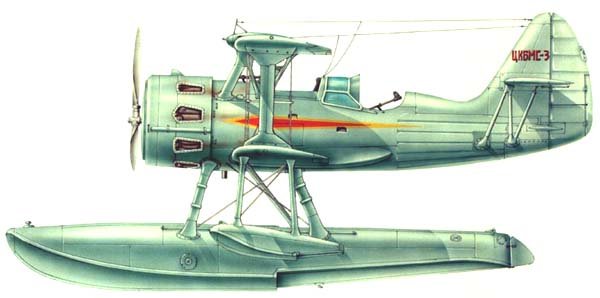
On September 20, GUAP Order No. 56/334 was issued, which, along with several organizational points, outlined the work plan for the new design bureau, including the creation of the KOR-1 ship-borne reconnaissance seaplane with a Wright-Cyclone engine. The machine, which received the internal designation TsKB MS-3, was to be presented for State Trials on October 1, 1935.
During the preparation of the KOR-1 preliminary design, three layout options were considered: single-float, twin-float, or flying boat. After a series of preliminary discussions and agreements, Alksnis approved the KOR-1 preliminary design as a single-float biplane on November 22, 1934. One reason for this decision was the customer’s desire to use the aircraft both from water and from land with wheeled landing gear or skis. Incidentally, designing floatplanes for two landing gear options was quite common practice at the time. A clear example of this is the English Fairey “Swordfish” biplane, which first flew in 1934.
On December 29, 1934, the Council of Labor and Defense finally approved the tactical and technical elements of the Project 26 light cruiser. Its armament included two KOR-1s and a catapult, which was located in the middle part of the ship between the funnels.
The aircraft with folded wings stood on special platforms near the first funnel. KOR-1 takeoff was carried out when the catapult was rotated 60°-120°.
Simultaneously, the NII Military Shipbuilding began developing a catapult for Project 26 cruisers. Then TsKB-19, Leningrad and Nikolaev factories, and NII-45 joined this effort. Several options for accelerating the aircraft trolley were considered: using a piston moved by compressed air or a powder charge, as well as using a powder rocket attached to the trolley. Despite attracting such significant forces, the pace of work immediately began to lag significantly behind schedule, so for the lead ships “Kirov” and “Voroshilov,” catapults had to be ordered from the same Heinkel company.
The design and construction of the experimental KOR-1 also immediately fell behind the approved schedule. This is not surprising, as the main forces of the newly created design bureau were thrown into the testing, refinement, and series production launch of the TsKB MS-1 flying boat – the future MBR-2-M-34. Only on June 11, 1935, was a full-scale model of the aircraft approved, and in December 1935, construction of the experimental machine began.
The KOR-1 was the first aircraft with a metal frame in the practice of TsKB MS. Instead of the American Wright-Cyclone R-1820-F3 engine, a Soviet licensed analog M-25 was installed on it, although this replacement led to some reduction in calculated flight characteristics. The crew consisted of two people. The KOR-1 was armed with three ShKAS machine guns, two of which were in fairings on the center section of the upper wing, and the third in the observer’s cockpit. In addition, the aircraft could carry up to 200 kg of bombs.
On the KOR-1, an attempt was made to use a new engine control linkage – the so-called “push-pull” system. This device was a flexible rod consisting of a cable on which steel balls were fitted tightly together and secured with tips. The rod was placed in a 10-mm tube. The “push-pull” was convenient because it allowed wiring without traditional rollers, bending the tube in any direction. The head of the control brigade, G.A. Lyapustin, decided to use this novelty.
However, it quickly became clear that such a system placed exceptionally high demands on the quality of the surface finish inside the tube and the balls themselves. As a result, the domestic “push-pull” mounted on the aircraft operated with jamming and play. As one of G.M. Beriev’s associates, Ya.S. Katuraev, recalled, due to Georgiy Mikhailovich’s absence, G.A. Lyapustin’s indecisiveness, and the workshop technologist, he himself had to make the decision to replace the “push-pull” with conventional cable linkage. Drawings, parts, and assembly were done in two days. The new “old” system worked flawlessly.
Testing and Deficiencies
Factory flight tests of the KOR-1 began on September 4, 1936, in Taganrog, when test pilot P.A. Noman first took it into the air. Subsequently, flight observers Togobitsky, Kozelsky, and Ksenofontov participated in the test flights. According to the pilot’s assessment, the aircraft was stable in all flight modes, and when using the elevator trim, the loads on the control stick remained insignificant. On the water, the KOR-1 taxied straight ahead steadily, and maneuverability during turns was satisfactory. Reaching the step and takeoff run were normal. At the same time, Noman noted the machine’s sensitivity to rudder and aileron deflections.
Factory tests revealed insufficient stability of the KOR-1 on water in crosswinds due to the small volume of the underwing floats. This drawback was most clearly demonstrated on November 6, 1936. After landing in 0.6 m waves and 7-9 m/s wind, when the engine was shut off, the aircraft became broadside to the wind and unexpectedly settled onto its right wing. The underwing float completely submerged, along with the wingtip. It was impossible to return the KOR-1 to an even keel, even after Noman and flight observer Ksenofontov climbed onto the left wingtip. After this incident, the volume of the underwing floats was increased, but turns and engine shutdown on the water were not recommended in winds exceeding 7-8 m/s and waves over 0.5 m.
The aircraft was tested with two ground-adjustable pitch propellers: a metal two-blade propeller from the MBR-5 seaplane and a three-blade duralumin propeller. A very serious drawback was associated with the operation of the propeller-engine group – poor engine cooling and, consequently, elevated oil temperature. In their reports, Noman and the flight observers also noted tail unit vibration, and the pilot’s cockpit visor and the observer’s sliding cockpit visor were criticized.
Factory tests of the experimental KOR-1 continued until November 22, 1936, after which it was sent to the workshop for modifications and the installation of land-based landing gear. Noman also conducted tests of this variant. On December 7, taxiing began, and a week later, the KOR-1 took off from land for the first time, accumulating 13 hours 05 minutes of flight time on wheels and skis until April 13, 1937. In addition to determining the aircraft’s flight data and testing the landing gear, the operation of armament and equipment was checked, as well as the possibility of using the KOR-1 as a land reconnaissance aircraft and dive bomber.
During these flights, tail unit vibration was again detected. To see everything with his own eyes, on January 3, 1937, Beriev himself took the place of the observer in the aircraft. During the flight, Noman performed 8 turns and 7 “loop-the-loops.” After landing, Georgiy Mikhailovich gave instructions to reinforce the tail section with bracing wires and to install additional struts under the stabilizer.
The wheeled landing gear performed well. “During all flight tests of the landing gear and tail skid, conducted in difficult conditions, such as landings with skis on ice, the landing gear and tail skid showed great endurance and good pneumatic shock absorption. After 45 landings with an average flight weight of 2200 kg, no defects were found. The landing gear and tail skid are fully suitable for operation,” the test report noted.
The capabilities of the KOR-1 as a dive bomber were also favorably assessed: “The diving mode is stable. Recovery from the dive is normal. In a steep glide, the aircraft is easy to aim at the target, but the moment of entry into the dive is difficult to determine, as the target is obscured by the lower wing.”
At the end of 1936, a project for the KOR-1 as a land-based attack aircraft with reinforced armament was developed. Additional 4 ShKAS machine guns were placed in special streamlined containers designed by engineer A. Savelev, suspended on standard bomb racks under the lower wing. There was also a project to convert the naval reconnaissance aircraft into a “wave-controlled boat driver aircraft” (i.e., radio-controlled). However, neither of these variants was ever realized in metal.
On May 25, 1937, the KOR-1 was transferred to the Aviation Scientific Test Institute of the Naval Forces (NII MS RKKA) in Sevastopol for State Trials. It was flown by test pilot military engineer 3rd rank S.A. Korovitsky, who a year earlier had already been involved with another Beriev aircraft, the MBR-2-M-34. It should be noted that it was not possible to determine the KOR-1’s ability to take off from a ship, as the Soviet Naval Forces only had the K-3 catapult, which was unable to accelerate the aircraft to the required takeoff speed of 120 km/h.
During the State Trials, which lasted until August 9, a host of shortcomings were identified in the KOR-1. For example, the military considered that takeoff and landing with waves above 0.3 m and wind at 6 m/s were dangerous. The M-25 engine overheated when operating at maximum power, and although the factory No. 31 brigade constantly worked on its adjustment and then the engine was replaced, it was not possible to determine maximum and cruising flight speeds at various altitudes, ceiling, and fuel consumption. The placement of some instruments and equipment in the cockpits was deemed unsuccessful. Corrosion of the machine’s structure, arising from water ingress into the aircraft, caused many problems.
The operational qualities of the KOR-1 were rated as unsatisfactory. The impossibility of receiving it aboard a ship while underway and the difficulties of lifting it when stationary were noted. Preparation for sortie and post-flight maintenance of the aircraft on the ship had not been thought through. During tests, folding and unfolding the wings in the shore hangar took 40 minutes instead of the required 10 minutes on the catapult. Due to the aircraft’s saturation with technology that was quite complex for its time, the question arose about the authorized strength of the ship’s aviation combat unit. As noted in the report, its composition must necessarily include a radio technician, an electrical engineer, an instrument technician, and an armorer.
Overall, the conclusion of the NII MS RKKA can hardly be described as anything but damning.
“Conclusion:
The aircraft is unsuitable for use on ships in the open sea due to poor seaworthiness and short range. It is complex in piloting technique during takeoff and landing and will require the selection of highly qualified pilots, which contradicts the requirements of NKO order No. 0033 and excludes its use in night conditions.
The propeller-engine group is not refined.
It does not meet the main points of the tactical and technical requirements.
According to its flight and technical data, it is outdated compared to similar foreign aircraft.
Based on the reasons listed, the aircraft cannot be accepted for service and is subject to return to Plant No. 31.”
Upon returning to Taganrog, further modifications of the KOR-1 began, involving TsAGI specialists. First, the floats were addressed. The installation angle of the central float was changed by 3°, it was moved forward by 140 mm, and its struts were shortened by 120 mm. The underwing floats were increased in volume from 180 to 274 liters, and their struts were lengthened by 100 mm. To improve engine cooling, additional holes were first drilled in the front discs of the Watter cowl and the air channels around the cylinders were widened. However, this did not yield the desired result, and then the aircraft was equipped with a NACA cowl.
The effectiveness of the modifications was evaluated in October 1937, when water tests of the aircraft were conducted at the hydro-base of Plant No. 31. It was found that up to a wind speed of 3-4 m/s and a wave height of up to 0.3 m, the KOR-1 did not exhibit high-frequency longitudinal oscillations during takeoff and landing. In winds of 7-8 m/s and wave heights of 0.5-0.6 m, takeoff and landing were also quite satisfactory, with longitudinal oscillations observed only at the end of the run.
On April 19, 1938, the KOR-1 in its naval variant was transferred for military trials, which took place in Taganrog and Sevastopol. They concluded on June 20 and showed that, although some defects had been eliminated (in particular, the engine operated in a normal thermal regime), the aircraft still did not meet all the requirements for a shipborne reconnaissance aircraft.
After replacing the floats with wheeled landing gear, military trials of the land variant of the KOR-1 were conducted from July 14 to 23. The same Korovitsky flew it, who generally gave a positive review but noted the machine’s unsatisfactory spin characteristics. Because of this, performing aerobatics on the KOR-1 was forbidden until appropriate modifications were carried out.
The protracted testing and refinement of the KOR-1, along with its rapid obsolescence, led to a lukewarm attitude from the RKKA Naval Forces command towards the new reconnaissance aircraft. The aircraft did not live up to the hopes placed upon it. Moreover, the new heavy warships scheduled for construction as part of the program to create a large naval and ocean-going fleet in the Soviet Union required a completely different catapult seaplane.
It is therefore not surprising that the head of the RKKA Naval Forces, Fleet Flagman 1st Rank Viktorov, and the member of the RKKA Naval Forces Military Council, Corps Commissar Ilyin, sent a memorandum to the People’s Commissar of Aviation Industry, M.M. Kaganovich, stating: “The KOR-1 naval aircraft built at Plant No. 31 yielded unsatisfactory results in tests. This situation is complicated by the fact that import orders for catapults have been placed for this aircraft.
Therefore, I request an order to the director of Plant No. 31 to ensure that the basic data are preserved during the refinement of the KOR-1 aircraft or the construction of a new aircraft.
I request an order for the development of technical specifications (TTZ) for a new, improved type of ship-borne aircraft that meets all modern requirements for naval aircraft, and for raising the question with the Government of including a new aircraft in the 1938 experimental construction plan.”
The assignment to develop the prospective KOR-2 catapult reconnaissance aircraft appeared already at the end of 1938. But the KOR-1 was nevertheless accepted into service as a transitional machine. The main motive for this decision was the military’s desire to gain experience in operating a catapult aircraft and to train personnel for the aviation combat units of cruisers.
Despite accepting the KOR-1 into service, the military continued to express complaints about its shortcomings – primarily its short range and unsatisfactory seaworthiness. The commander of naval aviation, Lieutenant General S.F. Zhavoronkov, in 1940, frankly called the KOR-1 a bad aircraft in a report “On the Design and Construction of Naval Aviation.” Not only reproaches and complaints from the customer rained down on Beriev’s head, but also the wrath of the People’s Commissariat’s leadership, which could have led to the most drastic “organizational conclusions.” Georgiy Mikhailovich avoided this topic in his memoirs, but in 1939, aircraft designer A.S. Moskalev witnessed Kaganovich reprimanding Beriev over the KOR-1. Kaganovich ended his “educational” conversation by saying: “Well, enough, Beriev, I see you know all the cases! So explain to me – why does your plane fly badly, and the sailors complain about you?”
However, the experience gained in creating the “bad” KOR-1 allowed Beriev and the entire TsKB MS team to develop a truly successful KOR-2 shipborne reconnaissance aircraft in the shortest possible time.
Production and Wartime Service
The KOR-1 was built in a small series at Plant No. 31 from 1937-40. The enterprise at that time had a very demanding production program. Large-scale construction of the MBR-2 was underway, and the production of complex seaplanes such as the licensed GST (Consolidated PBY-1) and the domestic MDR-6 was being mastered. Therefore, only 12 catapult reconnaissance aircraft were produced.
The first three production machines, factory numbers 3152, 3153, and 3154, began construction in mid-1937. However, their handover to military acceptance was constantly delayed due to unsatisfactory test results and continuous modifications of the experimental aircraft. Based on discovered documents, it can be concluded that not all prototype modifications were implemented in series production. For example, the underwing floats were installed with increased volume, but the length of the struts of all floats remained consistent with the original experimental machine variant. Aircraft numbers 3152 and 3153 were first flown only in the summer of 1938. During these flights, non-synchronous flap deployment, unsuccessful cowling attachment, and engine control needing refinement were identified.
On October 19, 1938, test pilot S.B. Reidel made the maiden flight of another production KOR-1, serial number 3154. After performing eight flights, he took up factory pilot Gromovinnikov, who landed the aircraft at too high a speed, resulting in the deformation of the front part of the central float. The machine was repaired, but subsequent events showed that the design of this float required reinforcement.
Production KOR-1s were repeatedly modified. For example, in the winter of 1939-40, controllable louvers “of the PS-84 aircraft type” were installed on the front part of the cowling, protecting the engine from overcooling. The handover of the last KOR-1s to military acceptance continued until December 1940, after Plant No. 31 had fully transitioned to the production of LaGG-3 fighters.
During acceptance tests on November 4, 1940, aircraft No. 203107 crashed in the Taganrog area. The machine capsized on landing, but the crew, consisting of pilot M.V. Tsepilov and observer A.N. Bezyugly, were unharmed. The depth at the scene was shallow, and the semi-submerged KOR-1 was raised the very next day. The cause of the accident was the destruction of the central float during the landing run due to its insufficient strength. The aircraft was not restored.
By the end of 1938, a paradoxical situation had emerged: naval aviation had the production KOR-1 catapult reconnaissance aircraft, which had never once launched from a catapult. The reason was the extremely slow pace of creating domestic catapults. There were also problems with foreign supplies.
Negotiations with the Heinkel firm were quite difficult. The Germans tried to achieve testing and delivery of the catapult in Germany. In turn, the shipbuilding department of the RKKA Naval Forces Directorate insisted that “acceptance must necessarily be carried out in the USSR. The most serious reason in this case is the unacceptability of sending abroad the KOR-1 shipborne aircraft, necessary for testing the new sample.”
The firm was only provided with the KOR-1’s characteristics necessary for catapult design: takeoff weight – 2375 kg, takeoff speed – 125 km/h, and maximum acceleration – 4.0 g. Negotiations lasted almost all of 1936, and at the end of the year, the contract was finally signed. One of its clauses specifically stipulated that the final acceptance of the product would be carried out in the USSR. In 1937, Heinkel began designing the K-12 catapult, and the following year delivered two such devices to the Soviet Union.
However, a new problem arose here. Heinkel provided a warranty of 3 months from the moment of shipment of the catapults until their installation on ships, and an additional 9 months of operation. Therefore, the warranties for both K-12s expired on August 1 and November 1, 1939, respectively, but they were only mounted in the spring of 1939. It was necessary to appeal to the German side with a request to extend the warranty until February 1, 1940. The Germans understood our situation and granted the request.
Tests and acceptance of the German catapults took place in April 1939 in Nikolayev. One K-12 was installed on a special barge – a floating test stand – and the second on the cruiser “Voroshilov,” which was being completed at the quay of shipbuilding plant No. 198 named after A. Martí. The purpose of the tests was both to verify the operational characteristics of the K-12 and the catapulting capabilities of the KOR-1. In total, from April 1 to 26, 22 launches were made from the floating stand, half of them with a test dummy and half with the KOR-1. Starting from April 13, another 11 KOR-1 launches were made from the catapult of the cruiser “Voroshilov.” The tests were successful, and the aircraft even took off with suspended bombs several times.
In the same year, comparative tests were conducted on the first samples of domestic catapults N-1 (developed by NII-45 and Nikolaev Plant No. 198) and ZK-1 (TsKB-19 jointly with the Kirov Plant in Leningrad). The first N-1 was mounted on a barge-stand in May, and tests were completed on July 7. The testing of the second N-1 was finished on August 9. The first achieved a maximum takeoff speed of 102.5 km/h, and the second – 111 km/h. On October 2, the first ZK-1 unit was installed on a floating stand at the Leningrad Rowing Port, and from October 8 to 13, five test dummy launches and 11 KOR-1 launches were made from it. Based on the test results, the N-1 catapult, due to its large weight, was recommended for installation on the battleship “Parízhskaya Kommuna,” and the ZK-1 for Project 26-bis cruisers.
The full scope of Project 26 cruisers’ aviation armament was evaluated during the State Trials of the cruiser “Voroshilov,” which concluded in May 1940. From April 1 to 26, 22 catapult launches were performed, 11 of them with the KOR-1. The maximum takeoff speed of the aircraft was 123 km/h. Launch was permitted at a ship speed of up to 24 knots, a headwind speed of no more than 15 m/s, and a pressure in the catapult’s launch cylinder of at least 30 atm.
The tests revealed significant shortcomings in the ship’s aviation armament. The cruiser lacked a gangway for the KOR-1 crew, there was no bomb magazine for aerial bombs, and the reach of the aircraft-boat crane’s jib was insufficient. The K-12 catapult lacked auxiliary platforms for servicing and preparing the aircraft for flight, and there were no systems for refueling it with fuel and oil. This was partly due to different approaches to basing aviation equipment on ships in the Soviet and German fleets. The Germans used ship hangars for storing and preparing aircraft for flights, while in the USSR, the machines were constantly on the catapult itself or next to it on an open platform.
When the second K-12 was installed on the Baltic cruiser “Kirov,” it required additional insulation for winter operation. However, despite all the shortcomings of the German catapult, military test pilots unequivocally spoke in its favor. Therefore, the question was raised about acquiring a license for K-12 production. The Germans did not object, requesting 300,000 marks for the documentation and stipulating that Heinkel would be given an order for at least three catapults, each worth 200,000 marks.
The Soviet side almost agreed to this, but then it turned out that domestic industry simply could not reproduce some parts and assemblies of the catapult. For example, German cables had a calculated tensile strength of 240 kgf/cm², while ours only reached 190 kgf/cm². No one undertook the manufacture of 600 mm diameter high-pressure air cylinders rated for 80 atm. It was necessary to abandon the purchase of the license, forcing the refinement and manufacture of the domestic ZK-1 (chief designer P.I. Bukhvostov).
In the summer-autumn of 1940, State Trials of the lead Project 26-bis cruiser “Maxim Gorky,” equipped with the ZK-1 B catapult, were conducted. They showed that the remarks made regarding the aviation armament of Project 26 cruisers remained largely unaddressed: the absence of platforms, gangways, other necessary fixtures, and insufficient outreach of the aircraft-boat crane’s jib. Nevertheless, ZK-1 type catapults remained on Project 26-bis cruisers.
KOR-1s were distributed among the aviation of the Red Banner Baltic and Black Sea Fleets, whose combat composition included Project 26 and 26-bis cruisers. By June 1941, six KOR-1s were in the Baltic, and five were part of the Black Sea Fleet Air Force. During the war, the aircraft received the new designation Be-2, but it did not manage to become established.
The Baltic KOR-1s were part of the 15th Separate Naval Reconnaissance Aviation Regiment and were based in the Leningrad region at the Oranienbaum and Gory Valdai airfields. Five Black Sea machines (four production and one experimental) were in Sevastopol.
In the Baltic, KOR-1s were occasionally involved in reconnaissance flights in June-August 1941. One seaplane variant made an emergency landing in a forest behind the front line near Vyborg and fell into Finnish hands. By the second half of August 1941, only two KOR-1s were listed in the Baltic Fleet Air Force. The rest were likely written off due to non-combat reasons. The remaining aircraft had land landing gear and were based at Nizino airfield near Leningrad. On August 20, one KOR-1 burned down during a German raid, along with other machines. The surviving aircraft was transferred to the Saransk Naval Aviation School.
The Black Sea KOR-1s also fought for a short time. On September 14, 1941, units of the 11th German Army reached the Perekop and Chongar Isthmuses, creating an immediate threat to Crimea and the Black Sea Fleet’s main base, Sevastopol. On the same day, a special Freydorf aviation group was created within the Black Sea Fleet Air Force to act against enemy troops. It was based at field airfields in the vicinity of the village of Freydorf, from which it took its name.
The material part consisted of whatever was “at hand” at that moment. Among the very motley composition of the group were three KOR-1s that were in serviceable condition at the time. These aircraft, converted from floats to wheels, were part of the 3rd squadron, commanded by Senior Lieutenant K.D. Denisov, and participated in the battles at Perekop, storming the advancing Wehrmacht units.
The effectiveness of the KOR-1 as an attack aircraft proved to be low, primarily due to its low speed and insufficient maneuverability. Losses amounted to two aircraft. One was shot down, another was damaged over the target, but the pilot managed to cross the front line and land in his own territory. The surviving KOR-1 was transferred to the 11th Attack Aviation Regiment of the Black Sea Fleet Air Force, which was armed with no less obsolete I-5 fighters. With the beginning of the defense of Sevastopol, the regiment’s aircraft became part of the 3rd Sevastopol Aviation Group, which remained in the besieged city. The KOR-1’s combat career ended on December 3, 1941, when it was put out of action as a result of a German long-range artillery shelling of Kulikovo Pole airfield.
As we can see, during the war, the KOR-1 was never used for its direct purpose as a shipborne reconnaissance and spotter aircraft. These tasks were taken over by aircraft based on shore. In fact, it could not have been otherwise, since Soviet ships in the Baltic and Black Seas conducted combat operations in areas within the range of enemy coastal aviation. Under these conditions, the slow and lightly armed KOR-1s, launched from cruiser catapults, would not have been able to protect their ship from attacks by bombers and torpedo planes, let alone somehow resist “Messerschmitts.”
It should also be noted that recovering an aircraft that had landed after completing a mission, or simply picking up its pilots from the water, posed a real danger in combat conditions, as this required the ship to stop. It is enough to recall that stopping for twenty minutes to capture the crew of a shot-down German reconnaissance aircraft was one of the reasons for the loss of the leader “Kharkov” with destroyers “Besposhchadny” and “Sposobny” on October 6, 1943. Incidentally, on the Baltic cruisers “Kirov” and “Maxim Gorky” in 1941-42, during emergency repair and restoration work, the catapults were completely removed, and additional anti-aircraft guns were placed in their stead.
After the war, the KOR-2 took the KOR-1’s place on ships. However, its service also proved to be very short-lived, though for entirely different reasons. With the appearance of radar stations and then helicopters on ships, catapult aircraft lost their former significance. In 1947, catapults were removed from all cruisers of the Soviet Navy.
Technical Description of the KOR-1 Seaplane
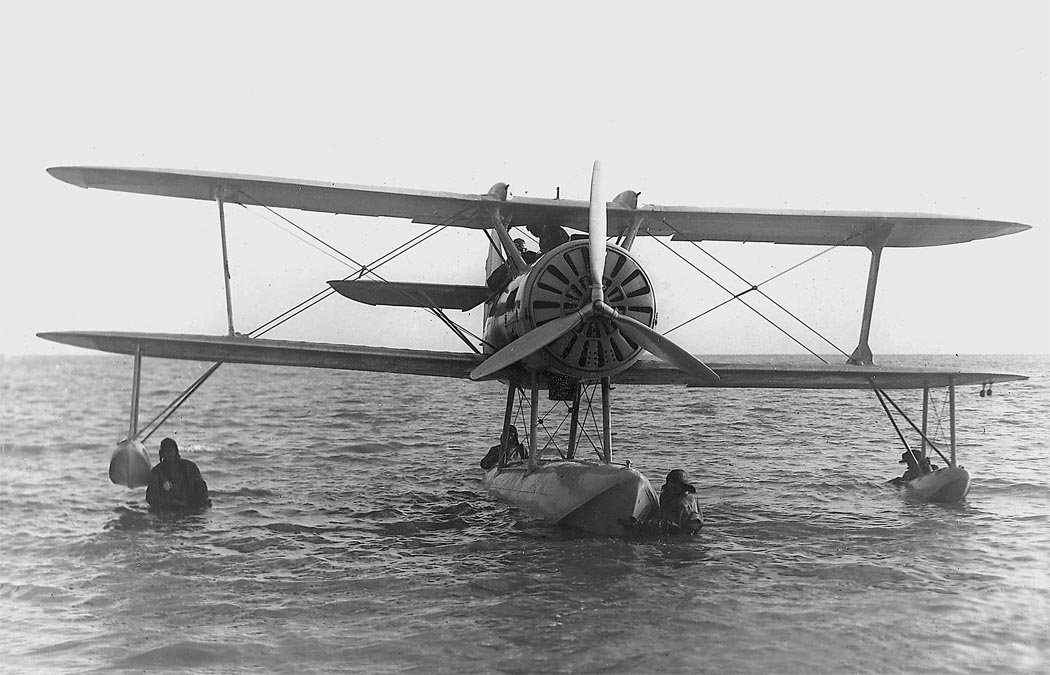
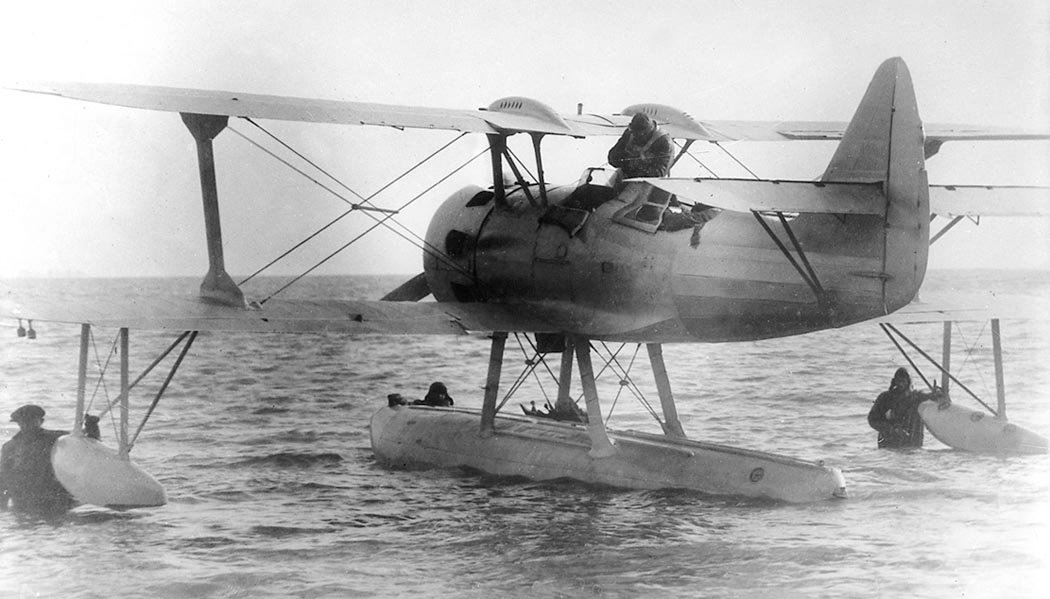
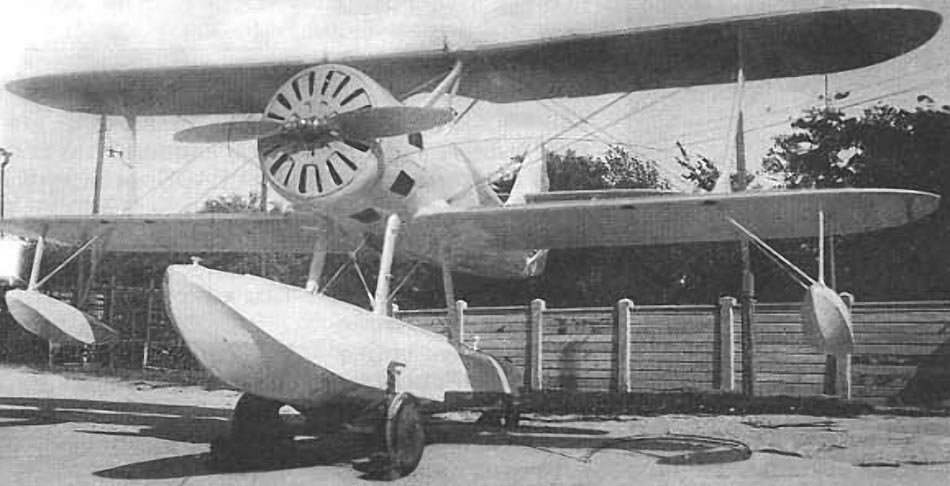
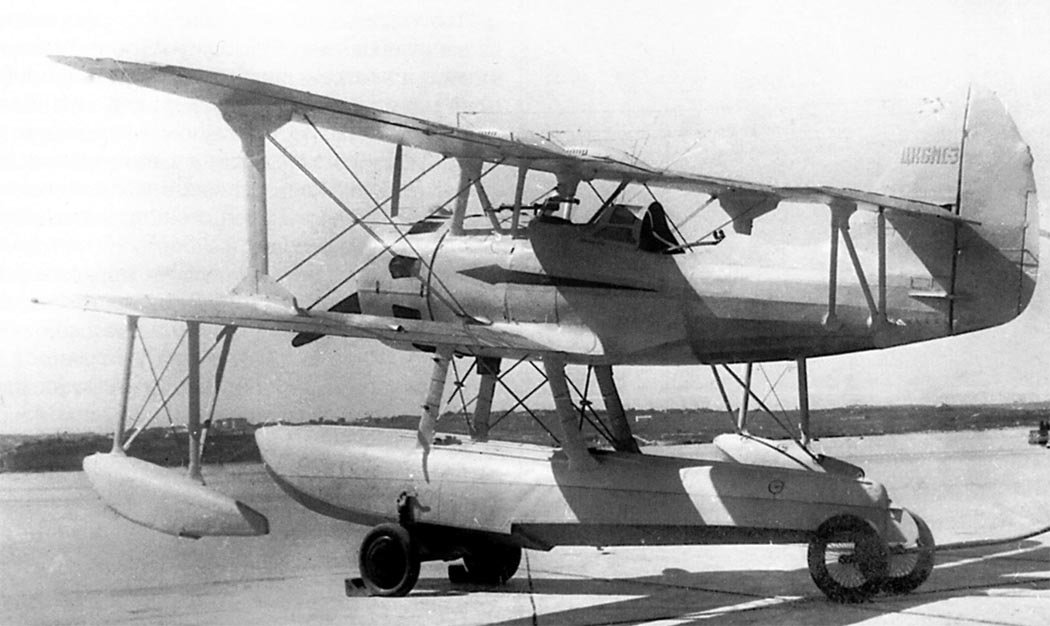
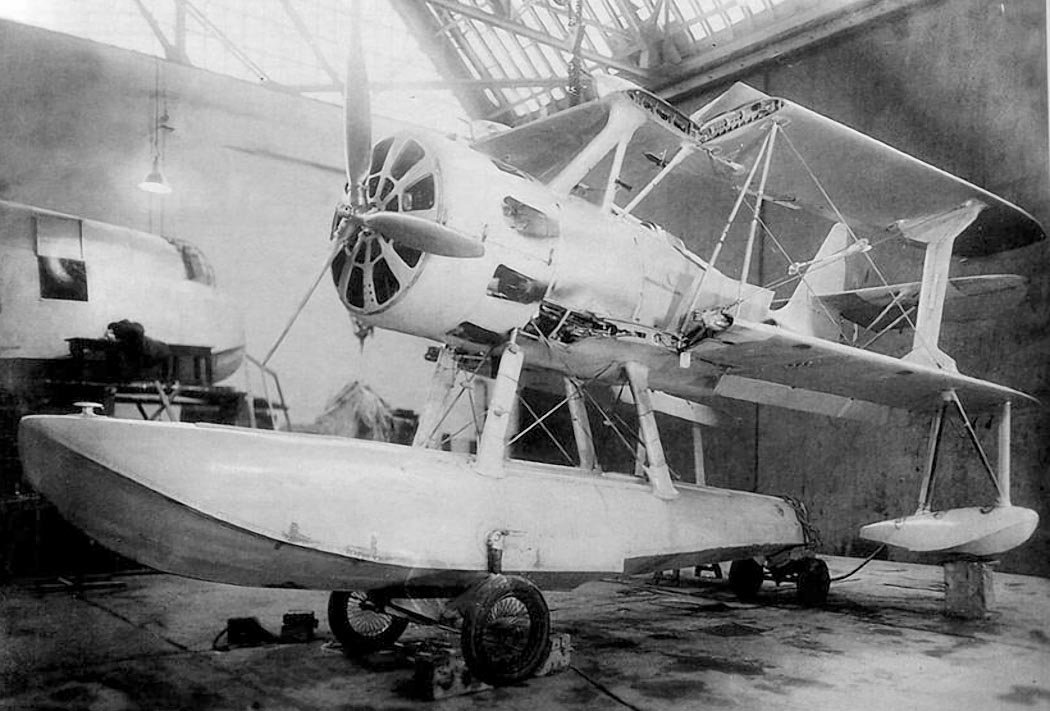
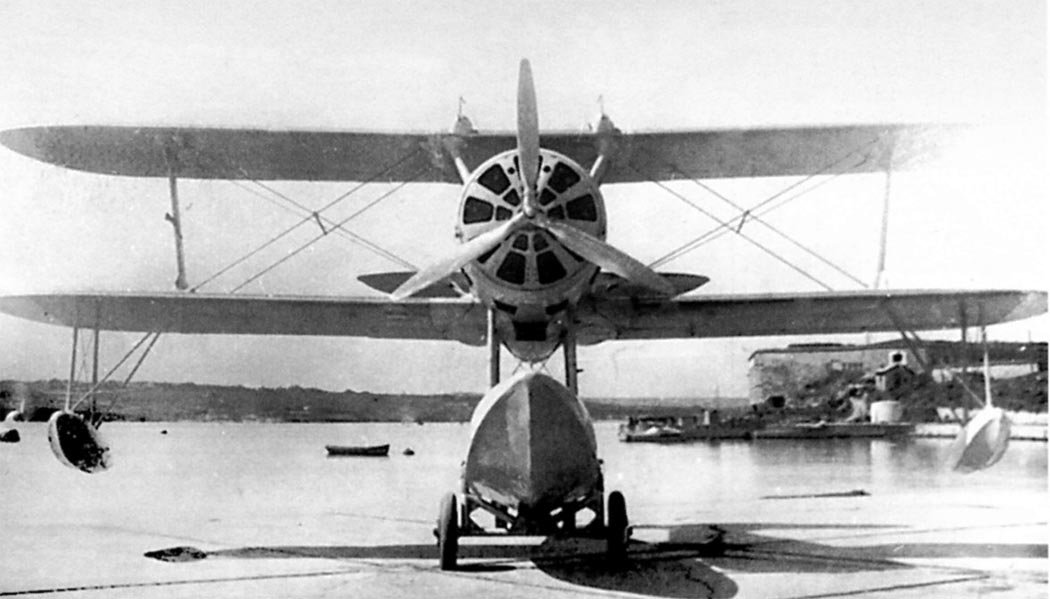
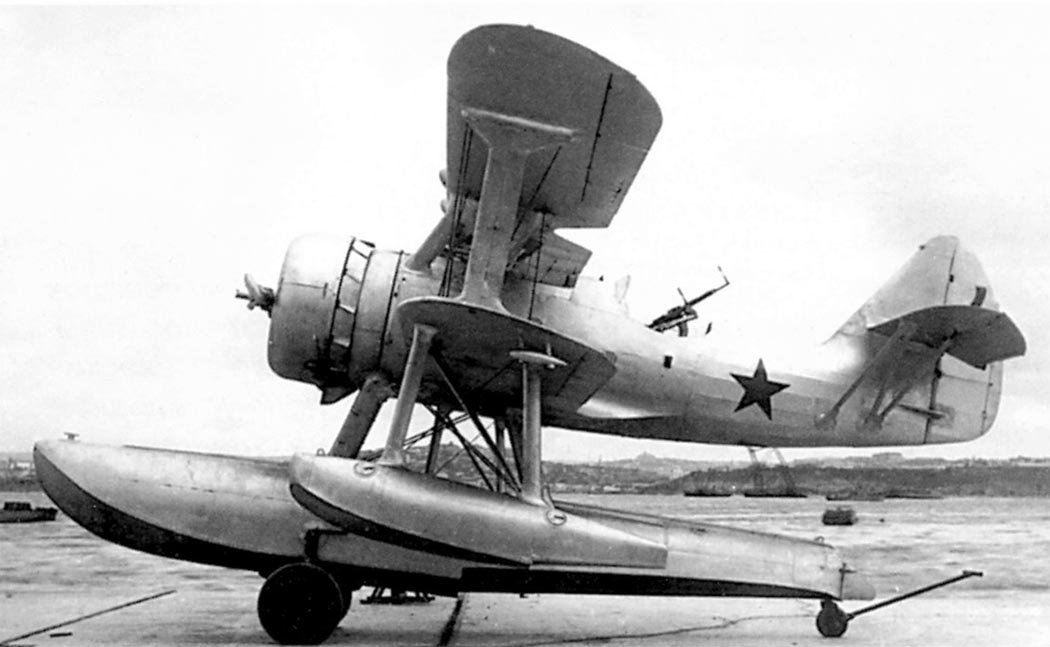
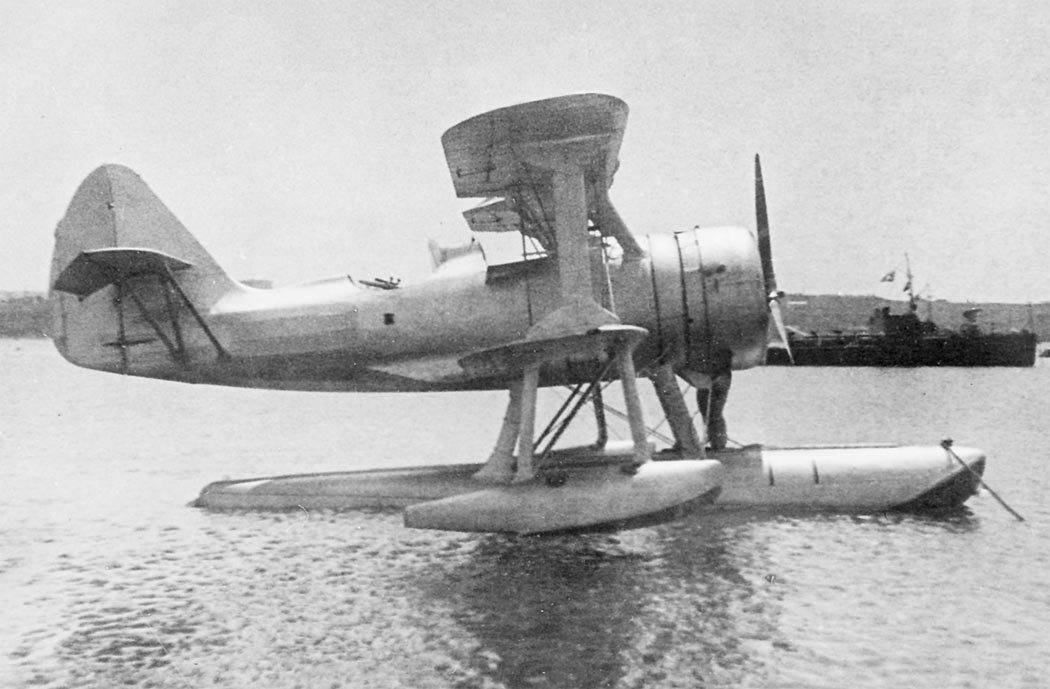
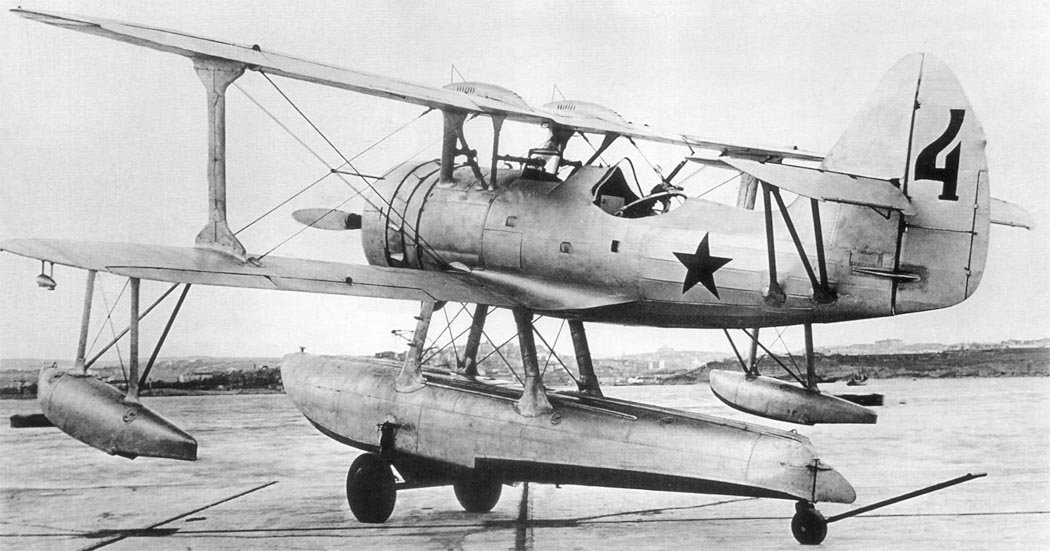
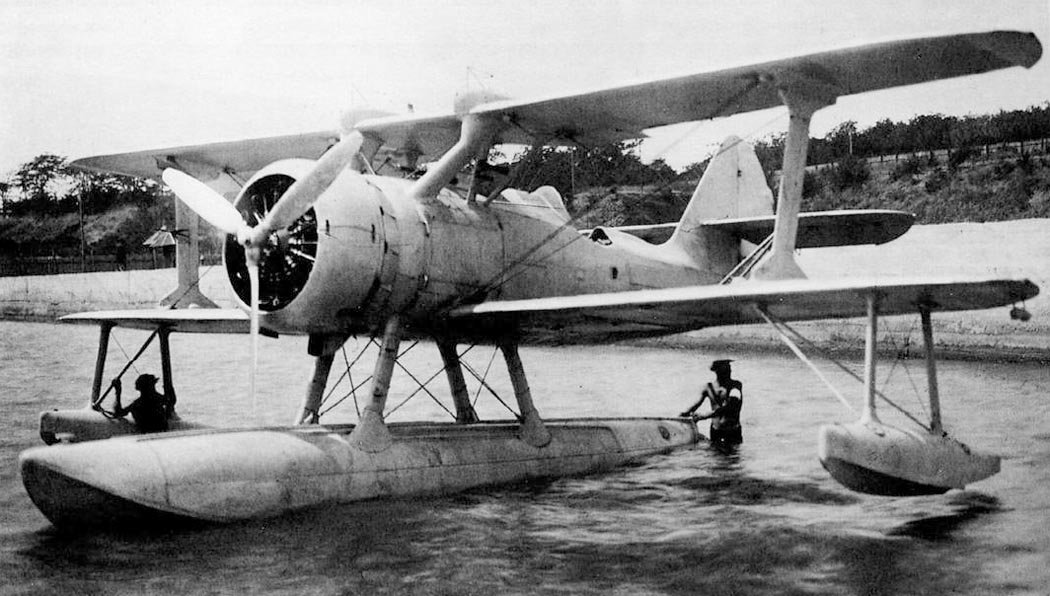
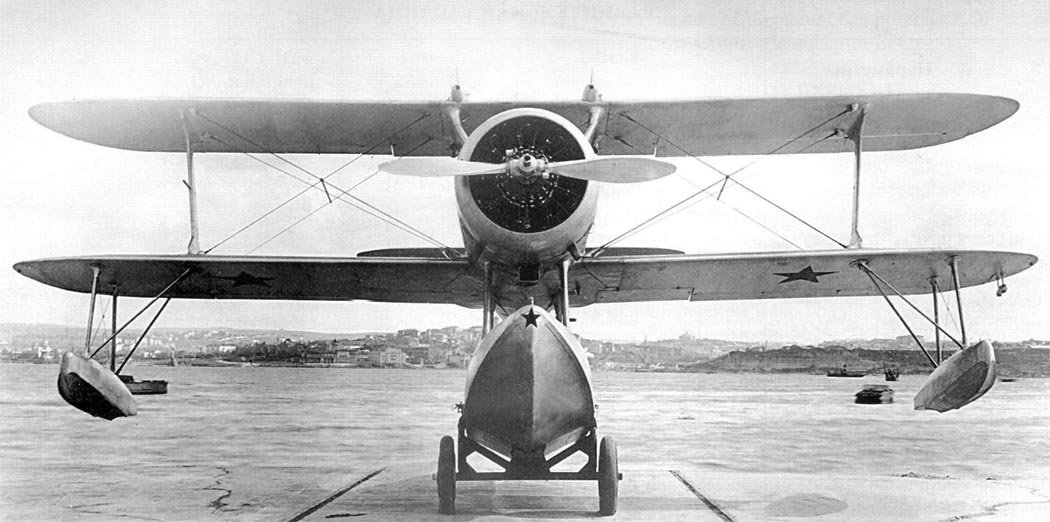
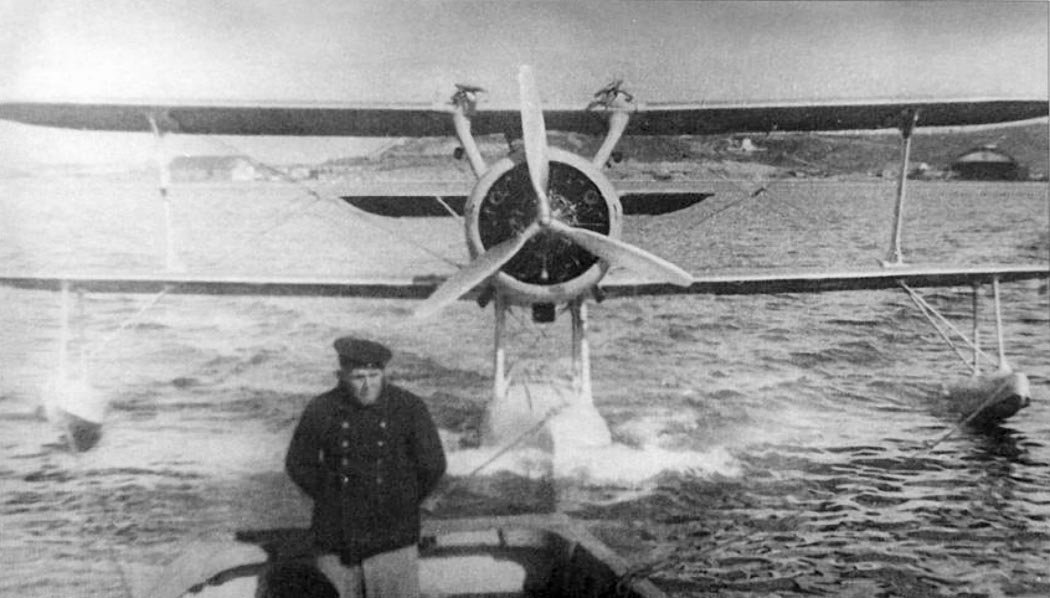
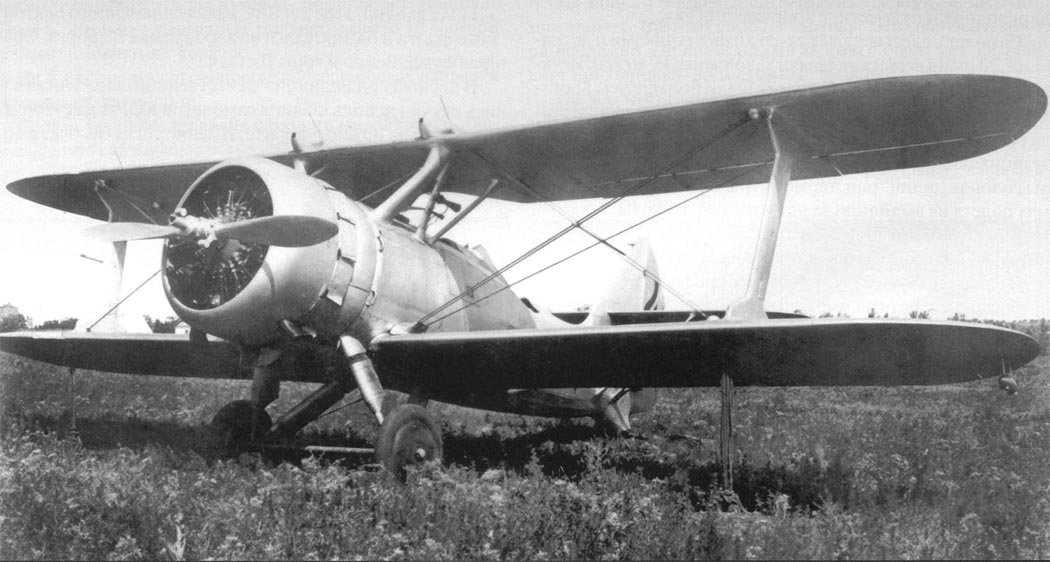
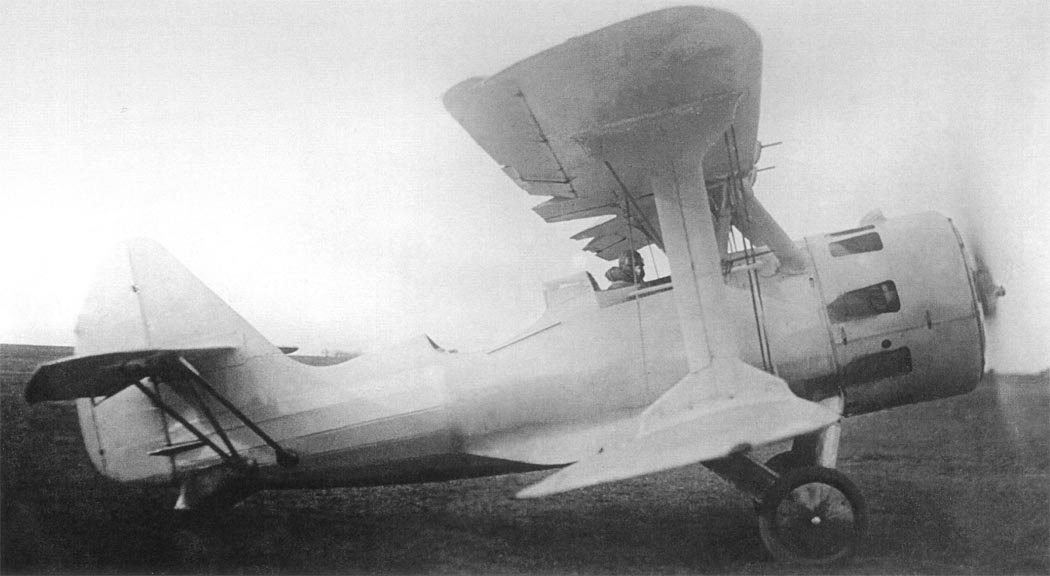
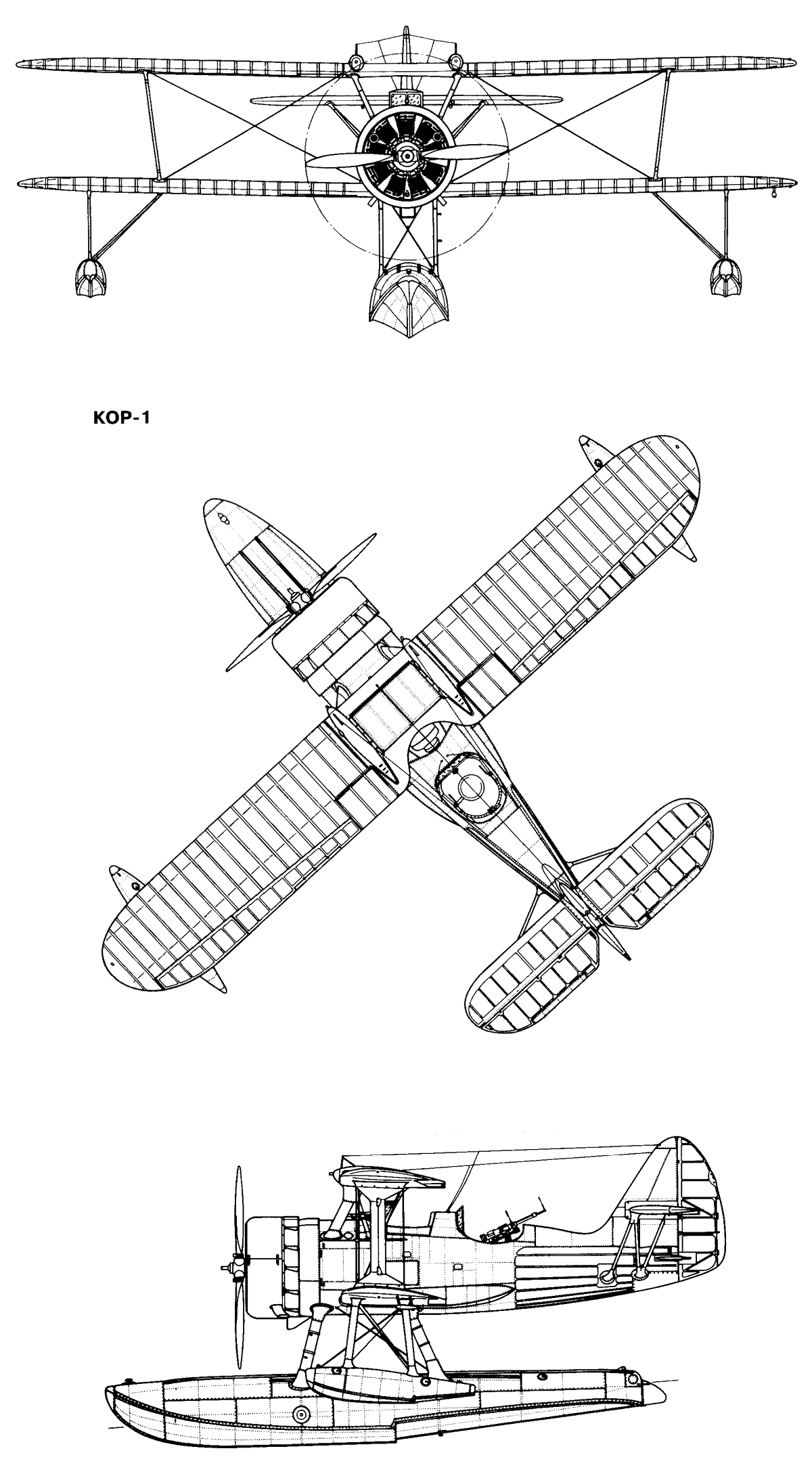
The KOR-1 seaplane is a single-float biplane of mixed construction. It is designed for use as a catapult reconnaissance-spotter and dive bomber. The crew consists of two people: pilot and navigator-observer.
The fuselage is of oval section, with a truss frame welded from chrome-molybdenum tubes. The skin of the nose section is duralumin, and the tail section is fabric. The tail section is reinforced with metal bracing wires.
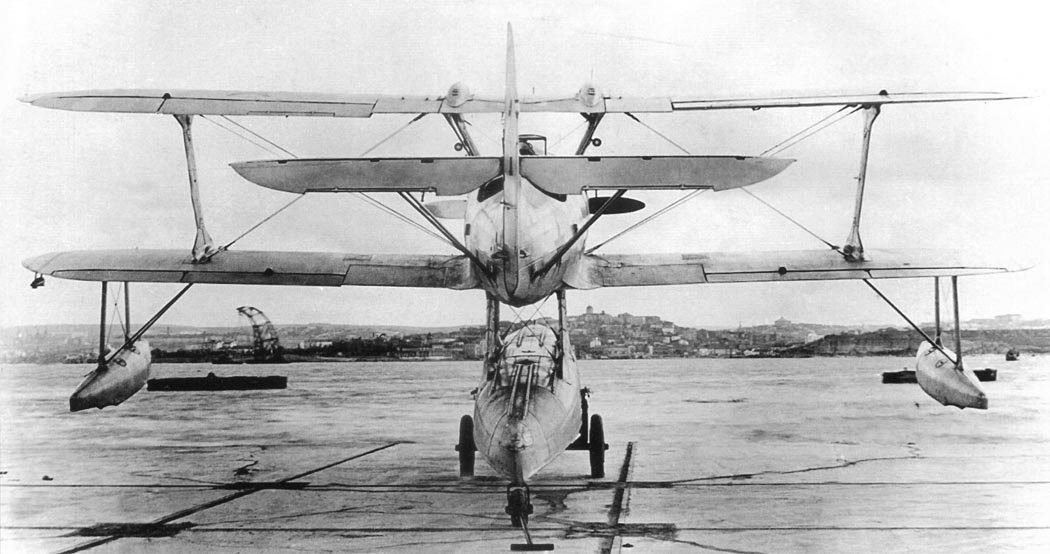
The wings are two-spar. The spars are made of four-sided duralumin tubes. The ribs are duralumin, of truss construction. The skin is fabric. The upper wing consists of a center section and detachable outer panels. The lower wing consists of a center section, which is part of the fuselage, and detachable outer panels. The wings are connected by struts and bracing wires. The right and left wing boxes fold towards the fuselage when parked. Ailerons with trim tabs are located on the upper wing panels, and flaps on the lower ones.
The empennage consists of a stabilizer with a ground-adjustable incidence angle, an elevator with a trim tab, a fin, and a rudder with a servo-compensator. The empennage frame is duralumin, the fin skin and part of the stabilizer are duralumin, and the rest is fabric.
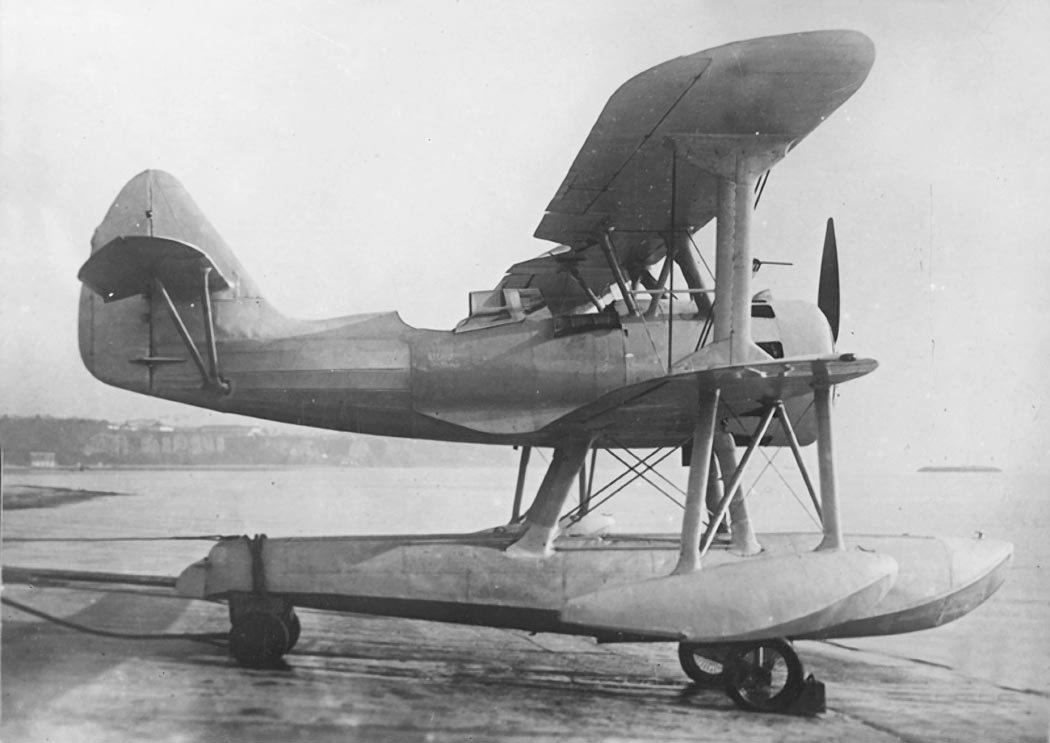
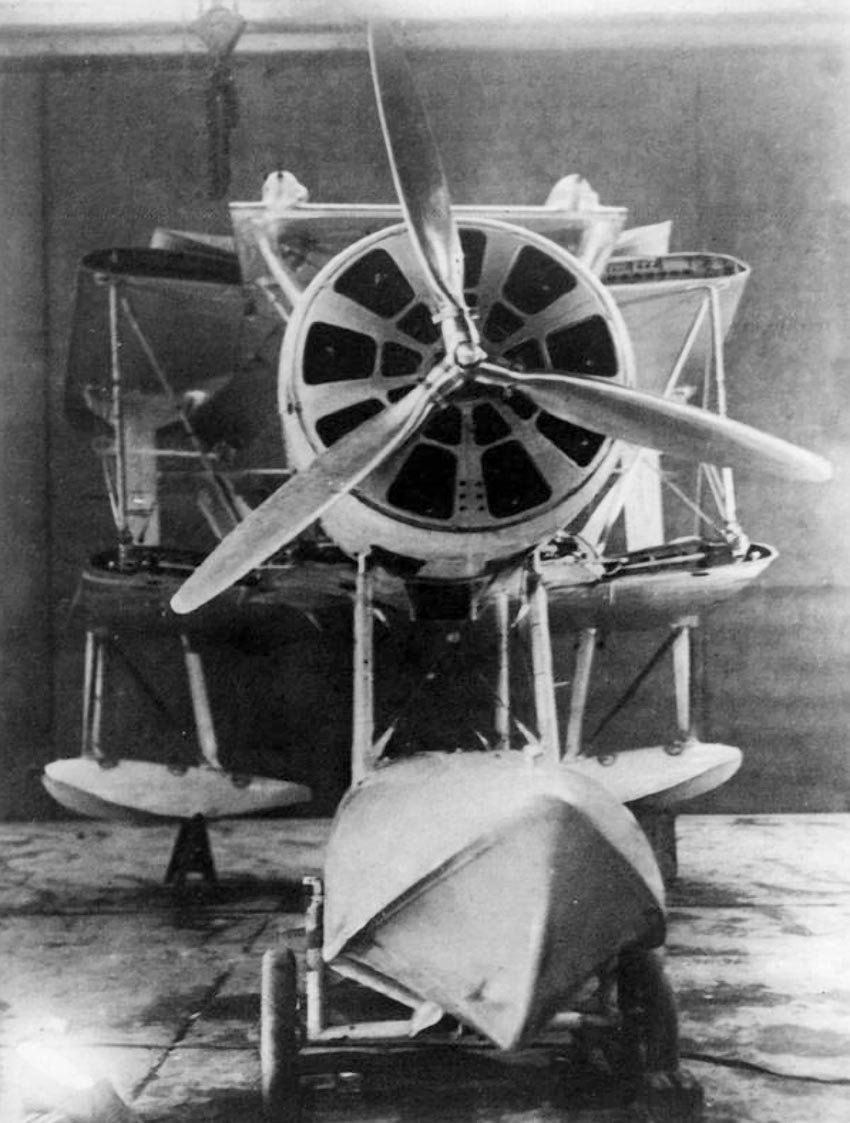
The landing gear for the naval variant includes three single-step duralumin floats: a central one and two underwing ones. The central float is attached by means of four struts. Each underwing float is attached to nodes on the wing panel by means of two struts and a V-shaped brace. The float attachments are reinforced with tension rods. The central float is divided by bulkheads into five watertight compartments. A water rudder is installed in its stern. Each underwing float is divided into three watertight compartments.
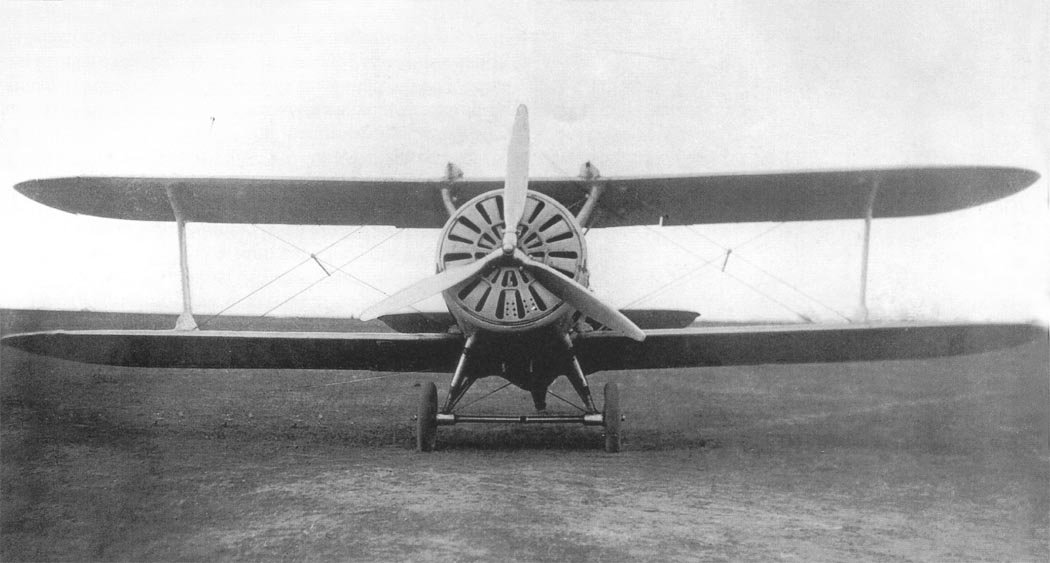
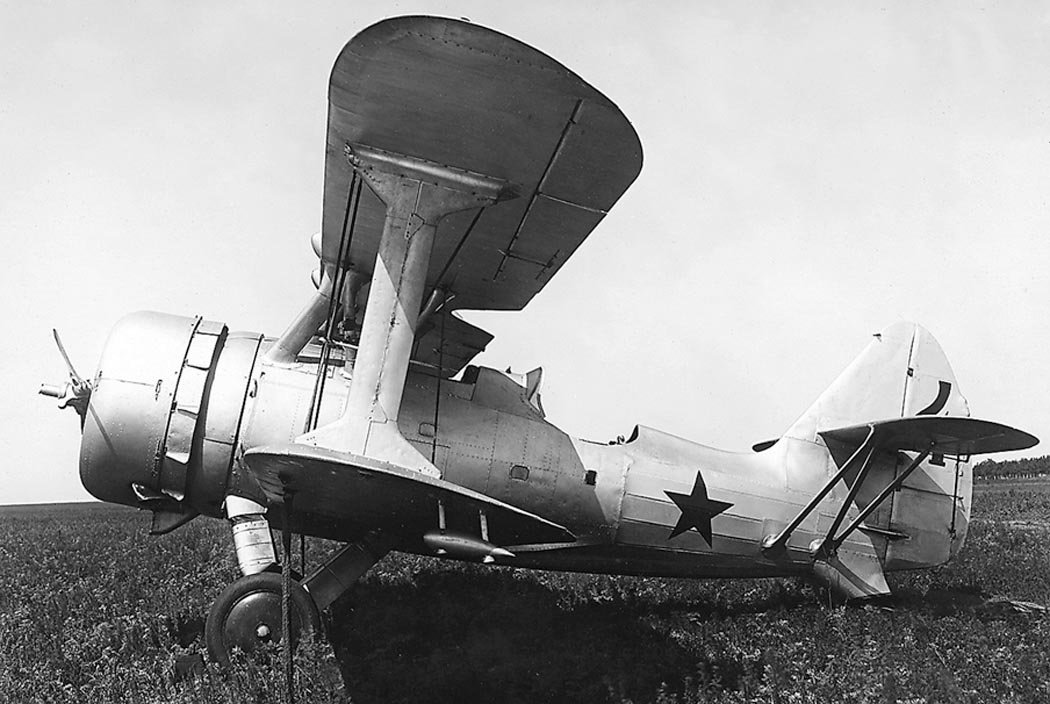
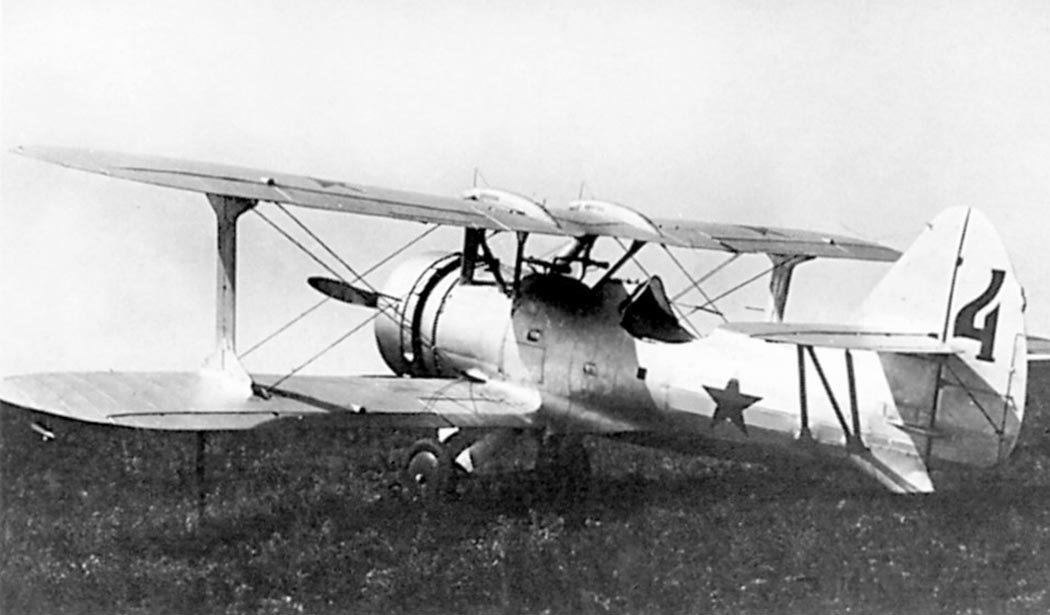
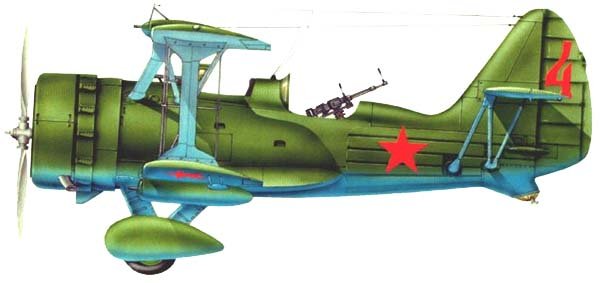
In the land variant, the KOR-1 is equipped with non-retractable wheeled landing gear with a tail skid. The main supports have pneumatic shock absorption and are attached to the same nodes as the central float. The wheels measure 750×125 mm. Standard skis can be installed during winter.
The power plant includes an M-25 air-cooled piston engine with a metal three-blade or two-blade propeller of 2.9 m diameter. The engine is enclosed by a Watter tunnel cowl (on production machines, a NACA cowl). Engine starting is carried out by a combined manual and electric inertial “Eclipse” starter.
The fuel system includes two main tanks of 160 liters each and an additional 75-liter tank installed in the fuselage. A 7-liter tank for engine warm-up is also installed there.
The aircraft has dual controls. The control linkage is mixed: elevator – rigid, rudder – cable, ailerons in the fuselage – rigid, in the wing – cable. The elevator trim tab is deflected from the pilot’s cockpit by a small wheel. The rudder trim tab is unmanageable; its adjustment is made on the ground. Flaps are deployed manually from a special wheel located in the pilot’s cockpit. The water rudder deflects synchronously with the rudder.
The sources of electrical energy are a DSF-500 generator (500 W power) and one “Eclipse” battery (12 V, 120 Ah). The generator is installed at the rear of the engine crankcase. The battery is in the pilot’s cockpit on the left. The network voltage is 12V. The voltage is regulated by the RRK-500 regulatory-distribution box, through which the battery is charged from the generator and electrical energy is distributed throughout the network.
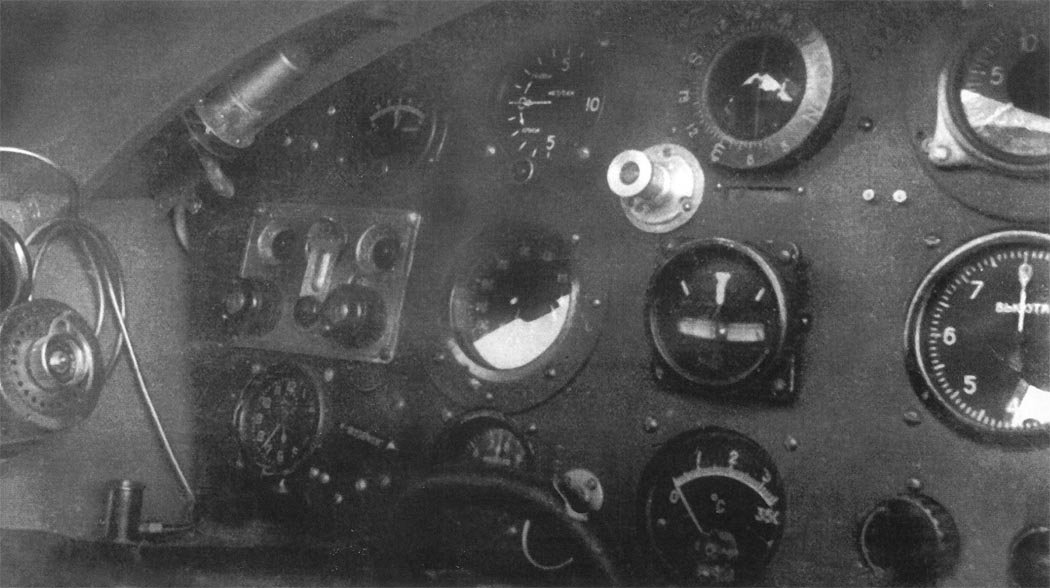
The aircraft is equipped with a standard set of aeronautical equipment and instruments. To warn of reaching critical speed during a dive, the airspeed indicator is connected to a red light that illuminates at speeds above 300 km/h. Instrument panels are installed in both cockpits, with the observer’s cockpit only having aeronautical instruments.
Radio communication equipment includes an RKK (RSRM) transceiver radio station. Its set includes: receiver, transmitter, RUN-10 and RUN-120 transformers, a distribution panel, an antenna ammeter, a telegraph key, and a microphone bag. The transmitter is installed between the cockpits, the receiver on a shelf in the observer’s cockpit.
For photo reconnaissance, the aircraft is equipped with a Potté-1 B (AFA-1 B) camera with a perspective unit, installed in the observer’s cockpit.
The aircraft is equipped with a KPA-1 oxygen system, consisting of two 3-liter cylinders and a reducer, a first-aid kit, a two-liter drinking water tank, bags for board rations and tools. In the observer’s cockpit there is a “Veri” flare gun with a canvas cartridge belt for 21 flares, two PAR-13 parachute rockets, bags for maps and navigator’s tools. For communication between crew members, the cockpits are connected by an intercom system. Rescue equipment includes parachutes and life belts for crew members.
Naval equipment includes a bottom anchor with a 25-meter hemp rope, a grapnel, a sea anchor, and tow lines.
The small arms armament consists of three 7.62 mm ShKAS machine guns. Two of them are installed in fairings on the center section of the upper wing, outside the propeller’s swept area. The angle of installation of the machine guns can be changed on the ground. The pilot fires them, for which a trigger is installed on the aircraft’s control stick. The machine guns are reloaded by two handles protruding from the lower surface of the upper wing’s center section. The ammunition for the wing machine guns (500-round belts per barrel) is located in ammunition boxes housed in the upper wing’s center section. The third ShKAS is installed in the observer’s cockpit on a pivot mount designed by Plant No. 31. The ammunition capacity is 1000 rounds. The installation is not shielded and can be partially covered by a movable visor.
Bombing armament includes two Der-31 beam racks installed on the lower wing panels, capable of carrying up to 200 kg of bombs. The release mechanisms are electrical, controlled by a trigger installed on the aircraft’s control stick in the pilot’s cockpit. Emergency release mechanisms, designed by Plant No. 31, are controlled from both cockpits.
Technical Specifications
| Modification | KOR-1 |
| Wingspan, m | 11.00 |
| Length, m | 8. 88 |
| Height, m | 4.42 |
| Wing area, m2 | 29.32 |
| Empty weight | 1800 |
| Normal takeoff weight | 2486 |
| Maximum takeoff weight | 2626 |
| Engine type | 1 Piston engine M-25 |
| Power, hp | 1 x 700 |
| Speed at sea level | 245 |
| Speed at altitude | 277 |
| Cruising speed, km/h | 252 |
| Practical range, km | 530 |
| Rate of climb, m/min | 250 |
| Practical ceiling, m | 6600 |
| Crew, crew members | 2 |
| Armament: | three 7.62-mm ShKAS machine guns, Bombs up to 200 kg |
Image and diagram gallery of the Beriev Be-2 (KOR-1)
 Be-2 (KOR-1) |
 Be-2 (KOR-1) |
 Be-2 (KOR-1) |
 Be-2 (KOR-1) |
 Be-2 (KOR-1) |
 Be-2 (KOR-1) |
 Be-2 (KOR-1) |
 Be-2 (KOR-1) |
 Be-2 (KOR-1) |
 Be-2 (KOR-1) |
 Be-2 (KOR-1) |
 Be-2 (KOR-1) |
 Be-2 (KOR-1) |
 Be-2 (KOR-1) |
 Be-2 (KOR-1) |
 Be-2 (KOR-1) |
 Be-2 (KOR-1) |
 Be-2 (KOR-1) |
 Be-2 (KOR-1) |
 Be-2 (KOR-1) |
 Be-2 (KOR-1) |
 Be-2 (KOR-1) |
 Be-2 (KOR-1) |
 Be-2 (KOR-1) |
 Be-2 (KOR-1) |
 Be-2 (KOR-1) |
 Be-2 (KOR-1) |
 Be-2 (KOR-1) |
 Be-2 (KOR-1) |
 Be-2 (KOR-1) |
 Be-2 (KOR-1) |
 Be-2 (KOR-1) |
ArchivoAéreo Editorial Team
A group of aviation researchers and enthusiasts dedicated to documenting and preserving global aeronautical history. All articles are reviewed to ensure historical accuracy.
Sources & Accuracy
The information presented in this technical sheet has been compiled from declassified flight manuals, historical archives, and specialized literature. While we strive for maximum accuracy, some performance data may vary depending on the specific variant or operational conditions.