Bernard 14 and 15 Fighters
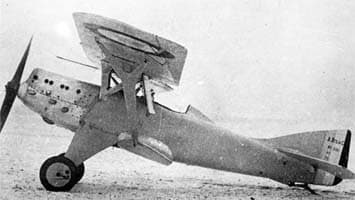
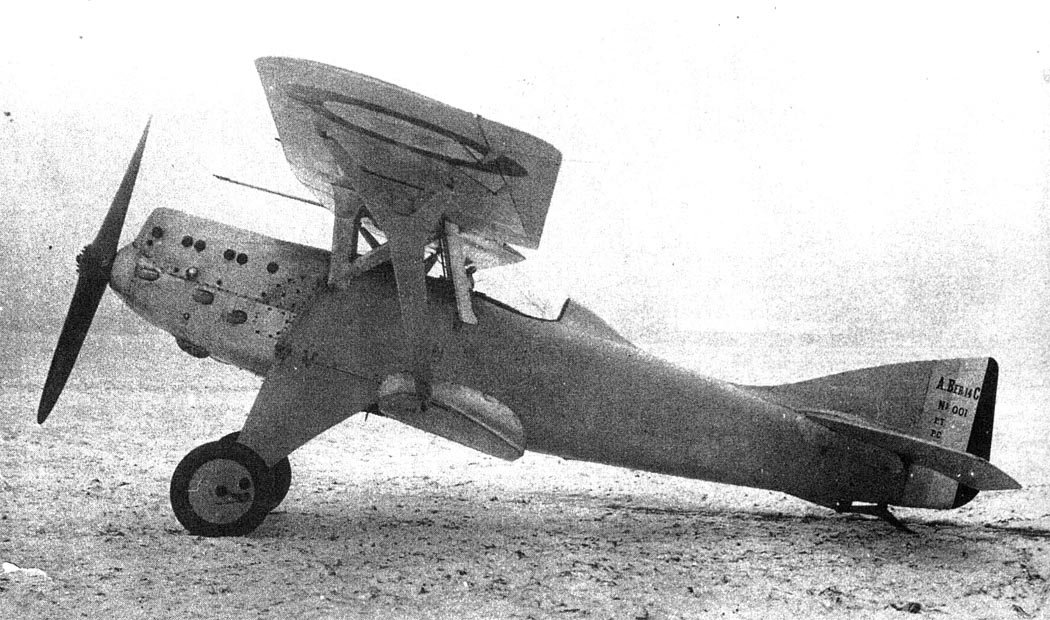
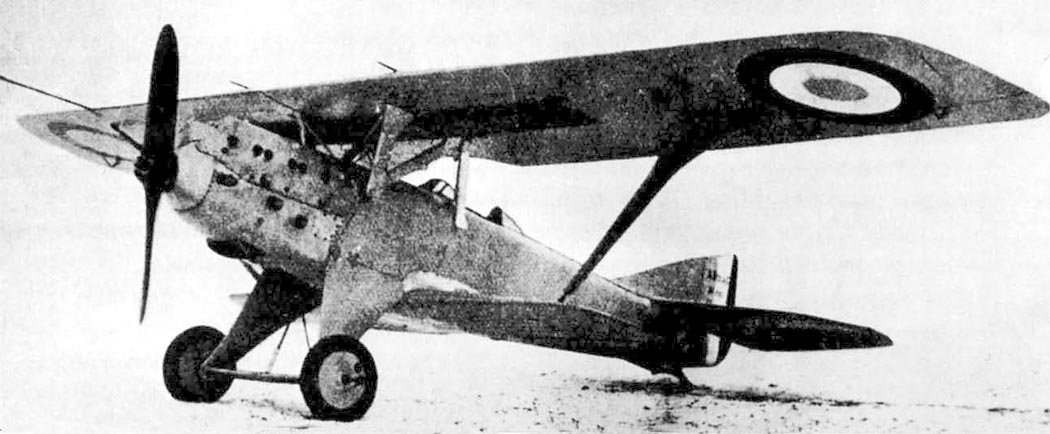
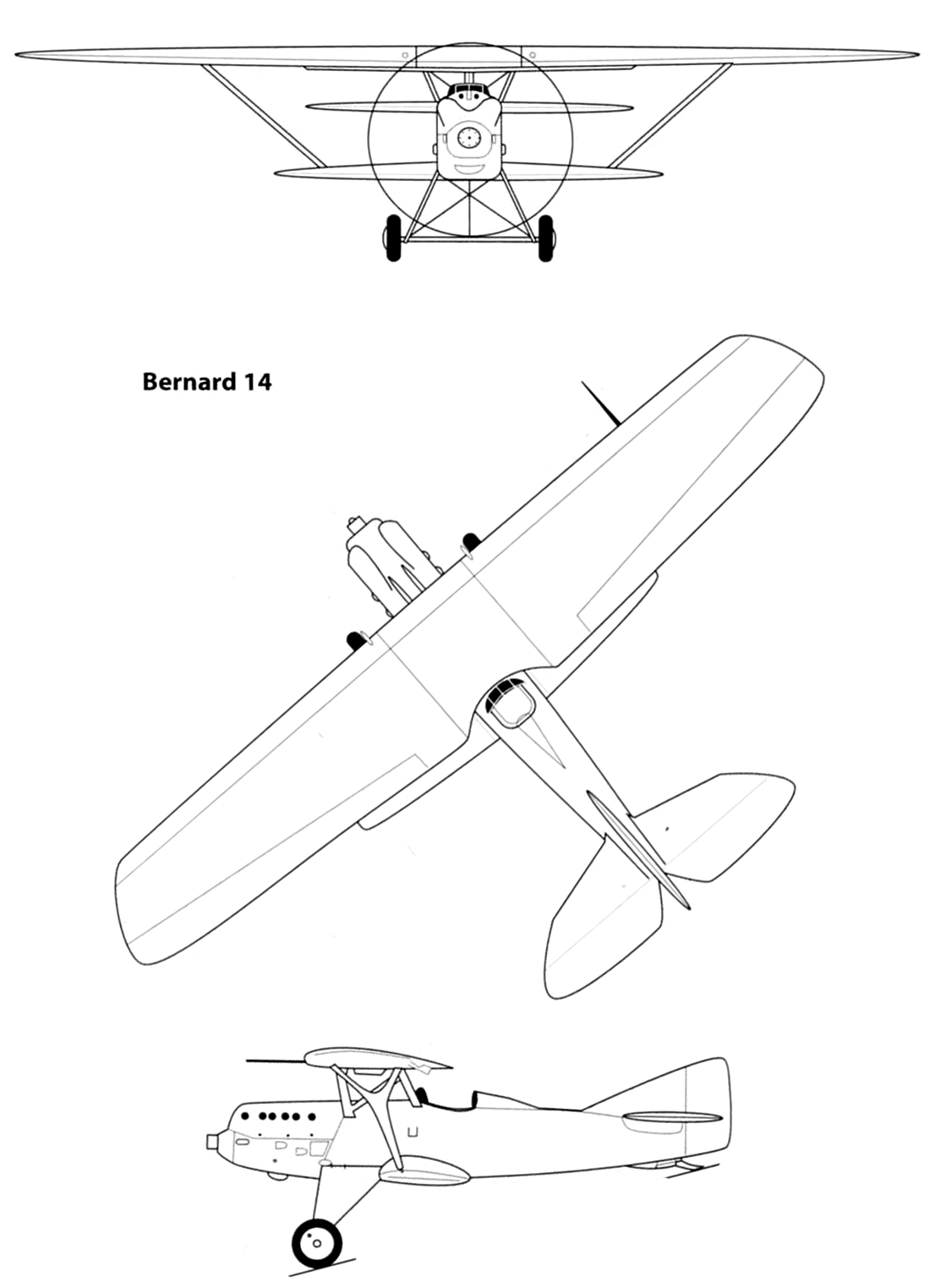
As the military remained skeptical of monoplanes, the Bernard 14 sesquiplane was designed in an attempt to capture the fighter market. This aircraft featured a wooden construction and was powered by a 500 hp Hispano-Suiza 12Hb engine.
For this new fighter, the developers reverted to the standard armament system of French fighters of that era: two 7.7mm Vickers machine guns, mounted in the fuselage nose.
Design and Early Flights
The development of the Bernard 14 proceeded in parallel with work on the Bernard 12. The aircraft made its first flight in late 1925, but tragically crashed in February 1926 due to the failure of its upper wing. Subsequent work on the aircraft was halted.
The Final Legacy: Bernard 15
The sole prototype of the Bernard 15 made its first flight in 1926. It became the last fighter designed by the SIMB company before its closure at the end of 1926.
This sesquiplane largely replicated its predecessor, the Bernard 14, sharing its armament and powerplant. However, the Bernard 15 featured wings of a smaller area. During trials, the Bernard 15 achieved a maximum speed of 270 km/h.
Technical Specifications
| Modification | Bernard 14 |
| Wingspan, m | 12.50 |
| Length, m | 7.40 |
| Height, m | 3.10 |
| Wing area, m2 | 27.00 |
| Empty weight | 1240 |
| Normal takeoff weight | 1800 |
| Engine type | 1 Piston engine Hispano-Suiza 12Hb |
| Power, hp | 1 x 500 |
| Maximum speed, km/h | 230 |
| Cruising speed, km/h | 205 |
| Service ceiling, m | 7800 |
| Crew | 1 |
| Armament | two 7.7-mm Vickers machine guns |
Image and diagram gallery of the Bernard 14 and 15 Fighters
 Bernard |
 Bernard |
 Bernard |
ArchivoAéreo Editorial Team
A group of aviation researchers and enthusiasts dedicated to documenting and preserving global aeronautical history. All articles are reviewed to ensure historical accuracy.
Sources & Accuracy
The information presented in this technical sheet has been compiled from declassified flight manuals, historical archives, and specialized literature. While we strive for maximum accuracy, some performance data may vary depending on the specific variant or operational conditions.