Bernard 192T
Development and Design
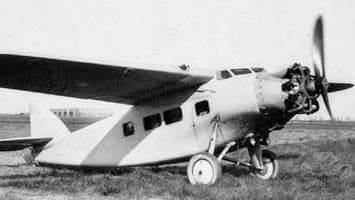
In 1929, building upon the established Bernard 190 aircraft line, the French company Societe des Avions Bernard introduced a new transport aircraft, the Bernard 192T. This ten-seater, high-wing monoplane was constructed primarily of wood.
The Bernard 192T was designed with transport capabilities in mind, aiming to provide efficient passenger or cargo movement. It was powered by a Gnome-Rhone 9Akx Jupiter engine, which delivered a respectable 480 horsepower.
Performance and Limited Production
During its flight tests, the aircraft revealed a significant drawback: a disappointingly low maximum speed of only 200 km/h. This speed was considered inadequate for the evolving demands of air transport at the time.
Consequently, the Bernard 192T was produced only as a single prototype. Its failure to meet expected speed performance ultimately led to the cancellation of further production, marking it as a unique but solitary venture in aviation history.
Technical Specifications
| Modification | Bernard 19 2T |
| Wingspan, m | 17.30 |
| Length, m | 12.58 |
| Height, m | 3.80 |
| Wing area, m2 | 42.90 |
| Empty weight | 1960 |
| Normal takeoff weight | 3400 |
| Engine type | 1 Piston engine Gnome & Rhone 9Akx |
| Power, hp | 1 x 480 |
| Maximum speed, km/h | 200 |
| Cruising speed, km/h | 172 |
| Crew | 2 |
| Payload | up to 8 passengers |
Image and diagram gallery of the Bernard 192T
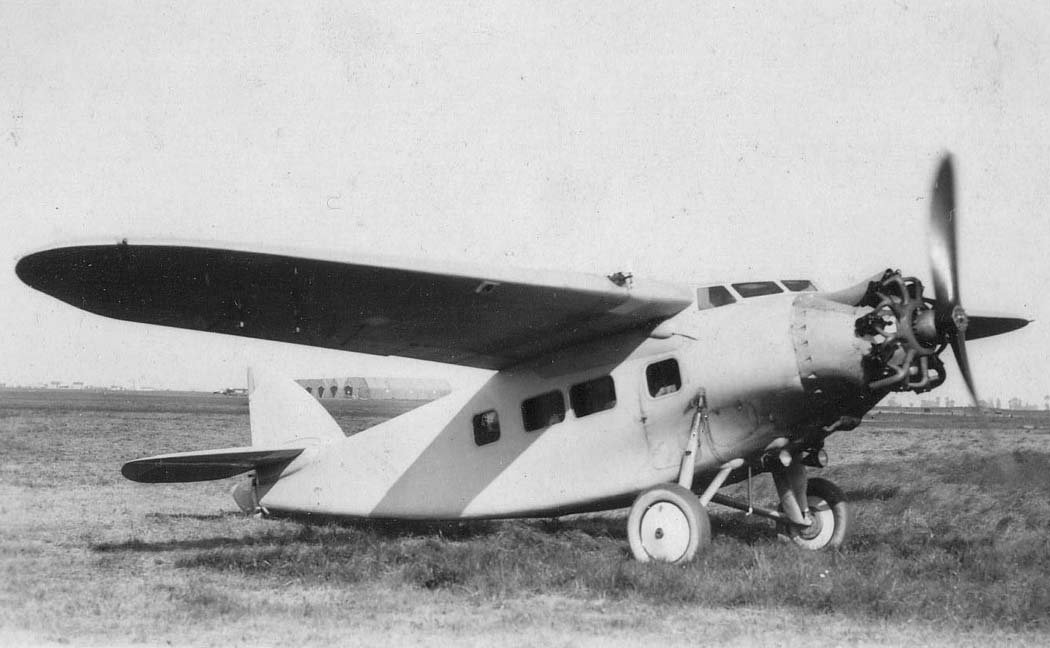 Bernard 192 |
ArchivoAéreo Editorial Team
A group of aviation researchers and enthusiasts dedicated to documenting and preserving global aeronautical history. All articles are reviewed to ensure historical accuracy.
Sources & Accuracy
The information presented in this technical sheet has been compiled from declassified flight manuals, historical archives, and specialized literature. While we strive for maximum accuracy, some performance data may vary depending on the specific variant or operational conditions.