Bernard 260
Initial Development of the Bernard 260
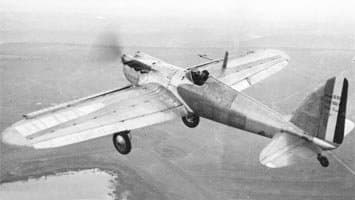
In late 1931, designers at Société des Avions Bernard embarked on the creation of a new fighter aircraft, building upon the Bernard 74. This new project, designated Bernard 260, was ready by early the following year.
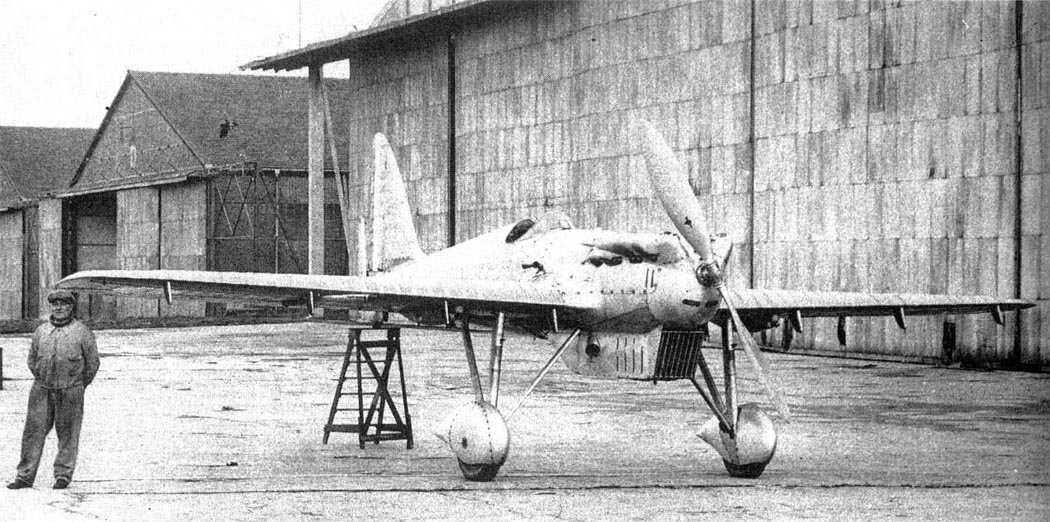
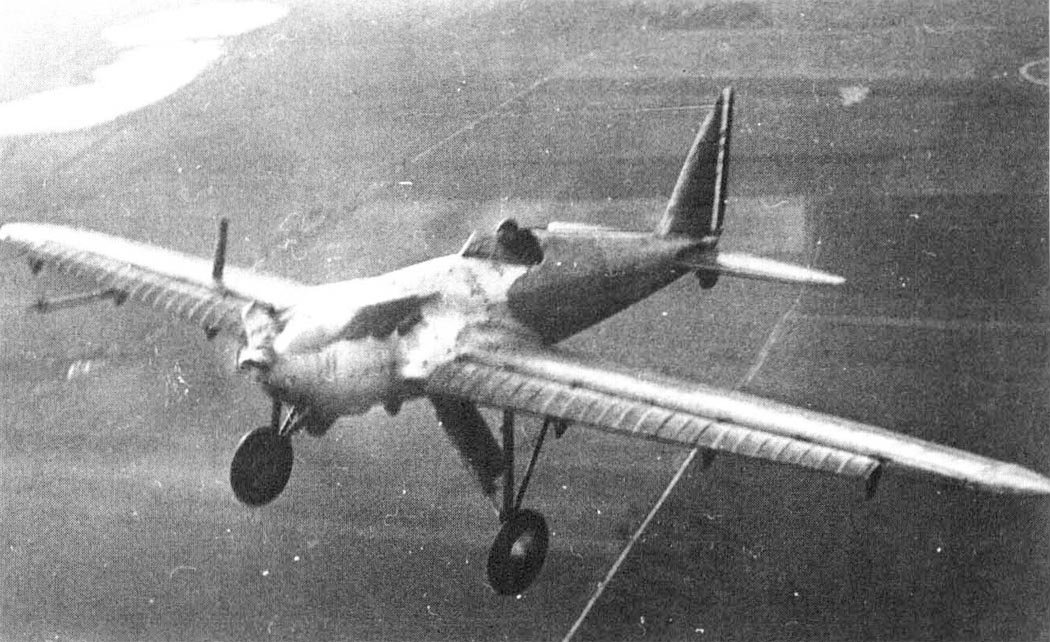
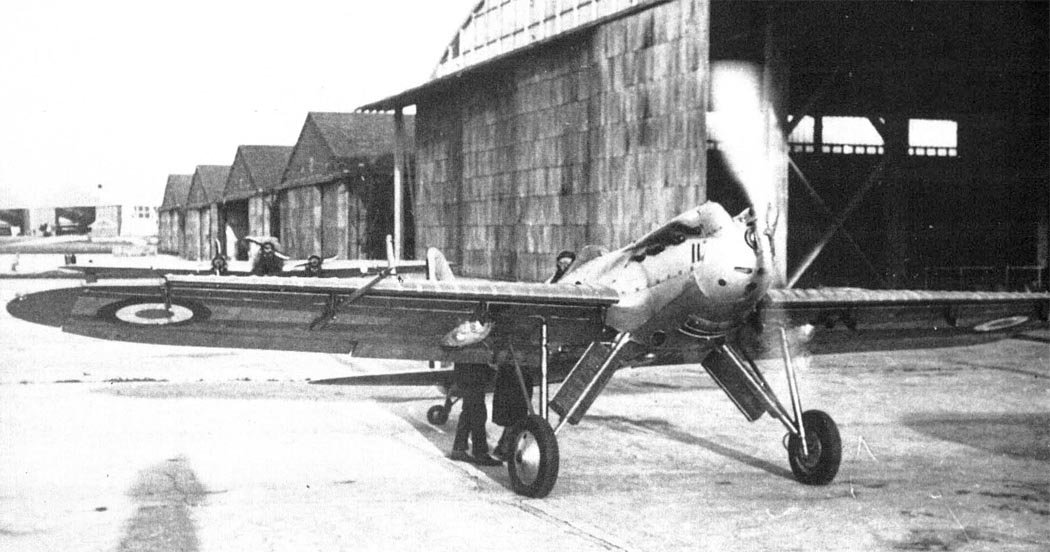
The Bernard 260 was a single-seat, all-metal low-wing monoplane, powered by a 690 hp Hispano-Suiza 12Xbrs engine. Its maiden flight occurred in September 1932, marking the beginning of its evaluation phase.
Competitive Trials for the French Air Force
Almost immediately after its first flight, the aircraft was handed over to the military for competitive trials at the Villacoublay airfield. The Bernard 260 participated in a competition for a light fighter for the French Air Force, competing against about a dozen aircraft from various firms.
Ultimately, the Dewoitine D.500 emerged as the winner of this demanding competition. Despite not being selected, the Bernard 260 proved to be a valuable platform for further research.
Legacy and Adaptation
Subsequently, the Avions Bernard aircraft was utilized in the development work for creating a float fighter. This adaptation aimed to explore new capabilities for French naval aviation, showcasing the versatility of its design.
Technical Specifications
| Modification | Bernard 260 |
| Wingspan, m | 11.30 |
| Length, m | 7.80 |
| Wing area, m2 | 18.20 |
| Empty weight | 1357 |
| Normal takeoff weight | 1800 |
| Engine type | 1 Piston engine Hispano-Suiza 12Xbrs |
| Power, hp | 1 x 690 |
| Maximum speed, km/h | 376 |
| Cruising speed, km/h | 335 |
| Service ceiling, m | 10200 |
| Crew | 1 crew member |
| Armament | Two 7.5-mm Darne machine guns |
Image and diagram gallery of the Bernard 260
 Bernard 260 |
 Bernard 260 |
 Bernard 260 |
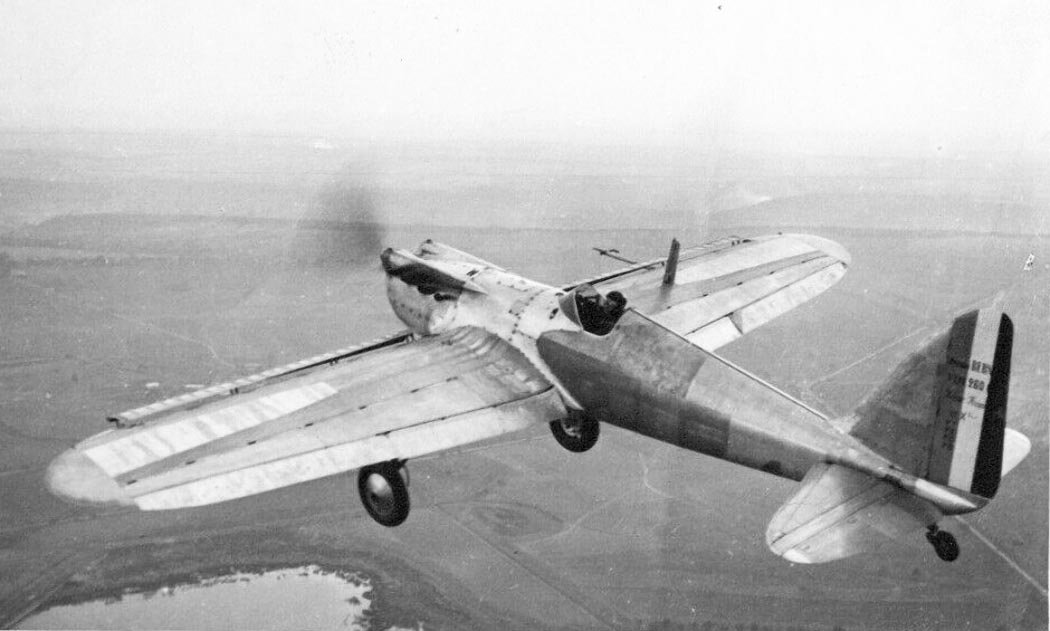 Bernard 260 |
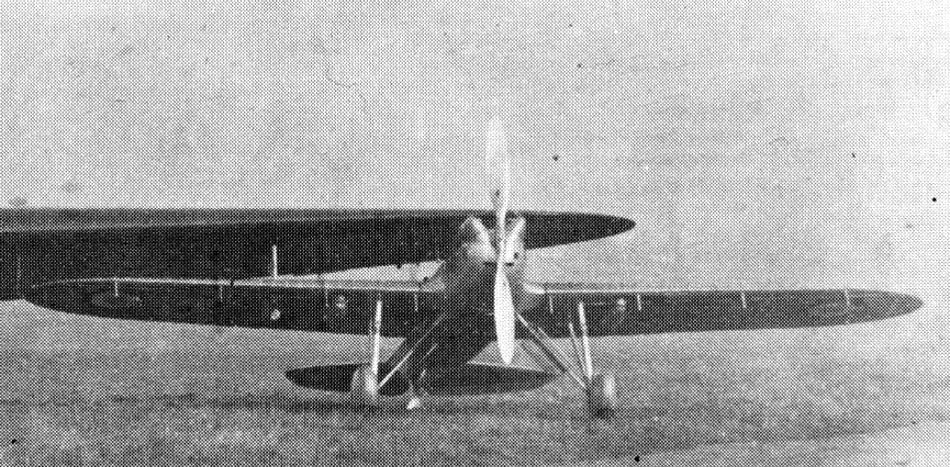 Bernard 260 |
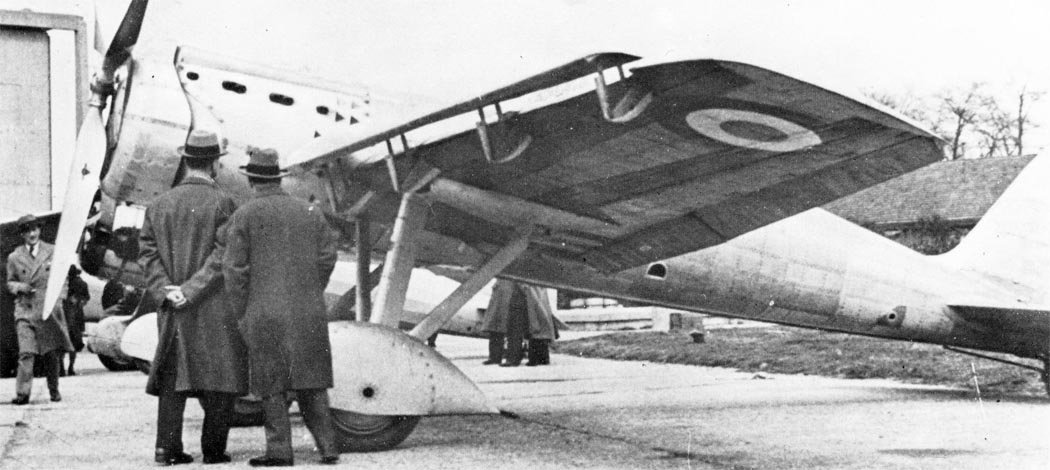 Bernard 260 |
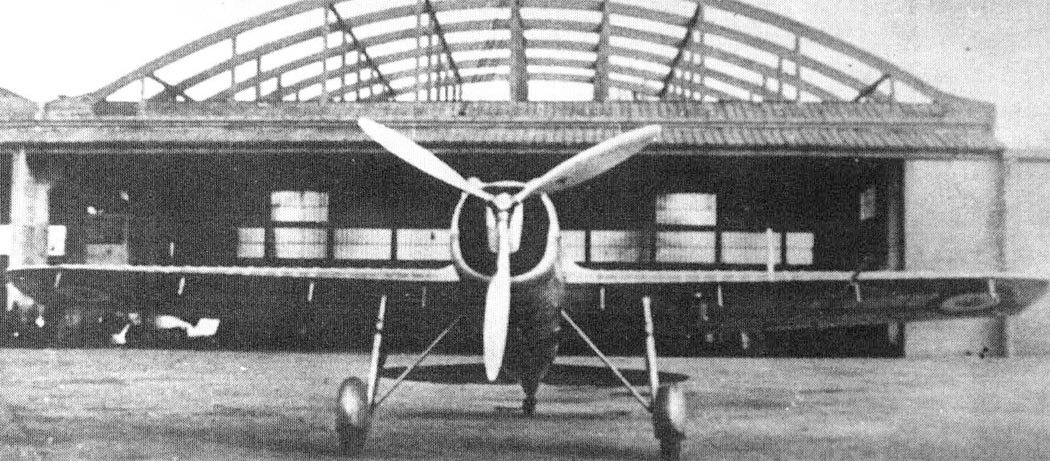 Bernard 260 |
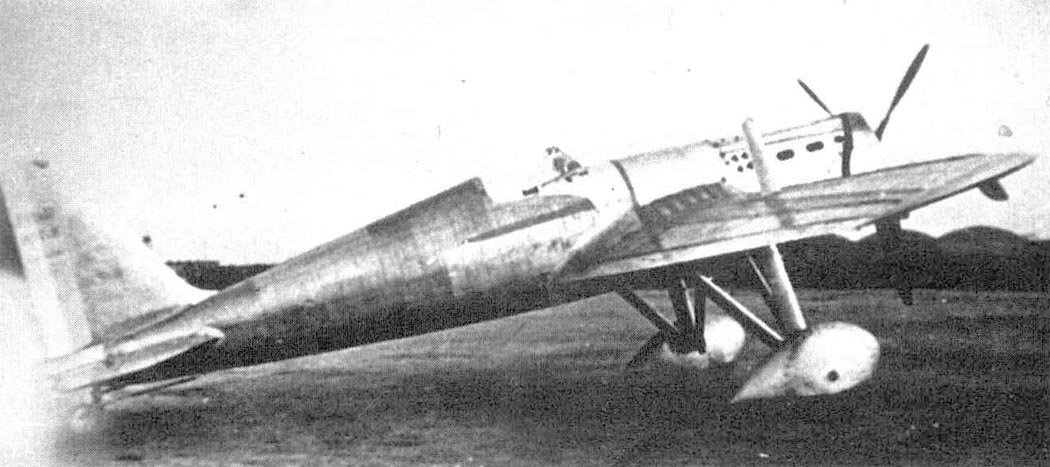 Bernard 260 |
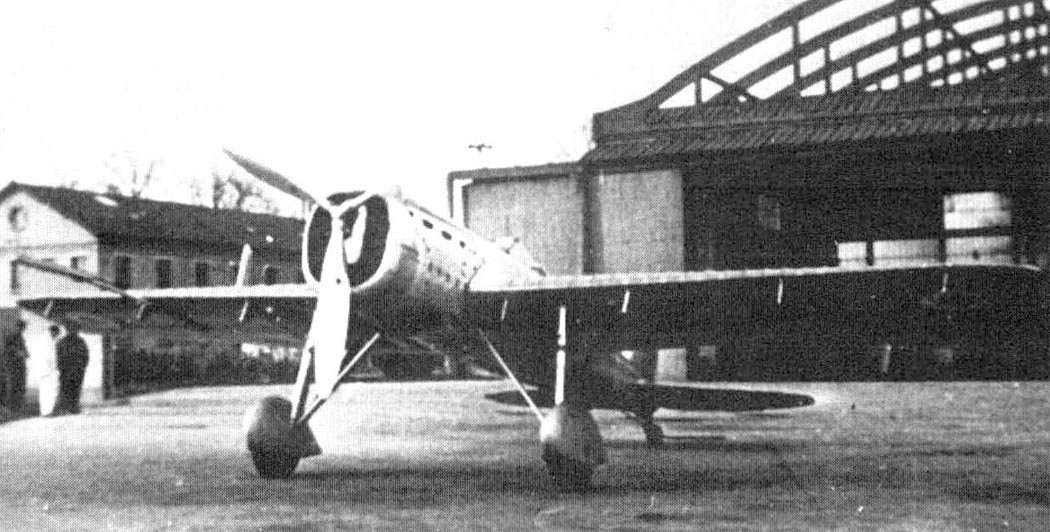 Bernard 260 |
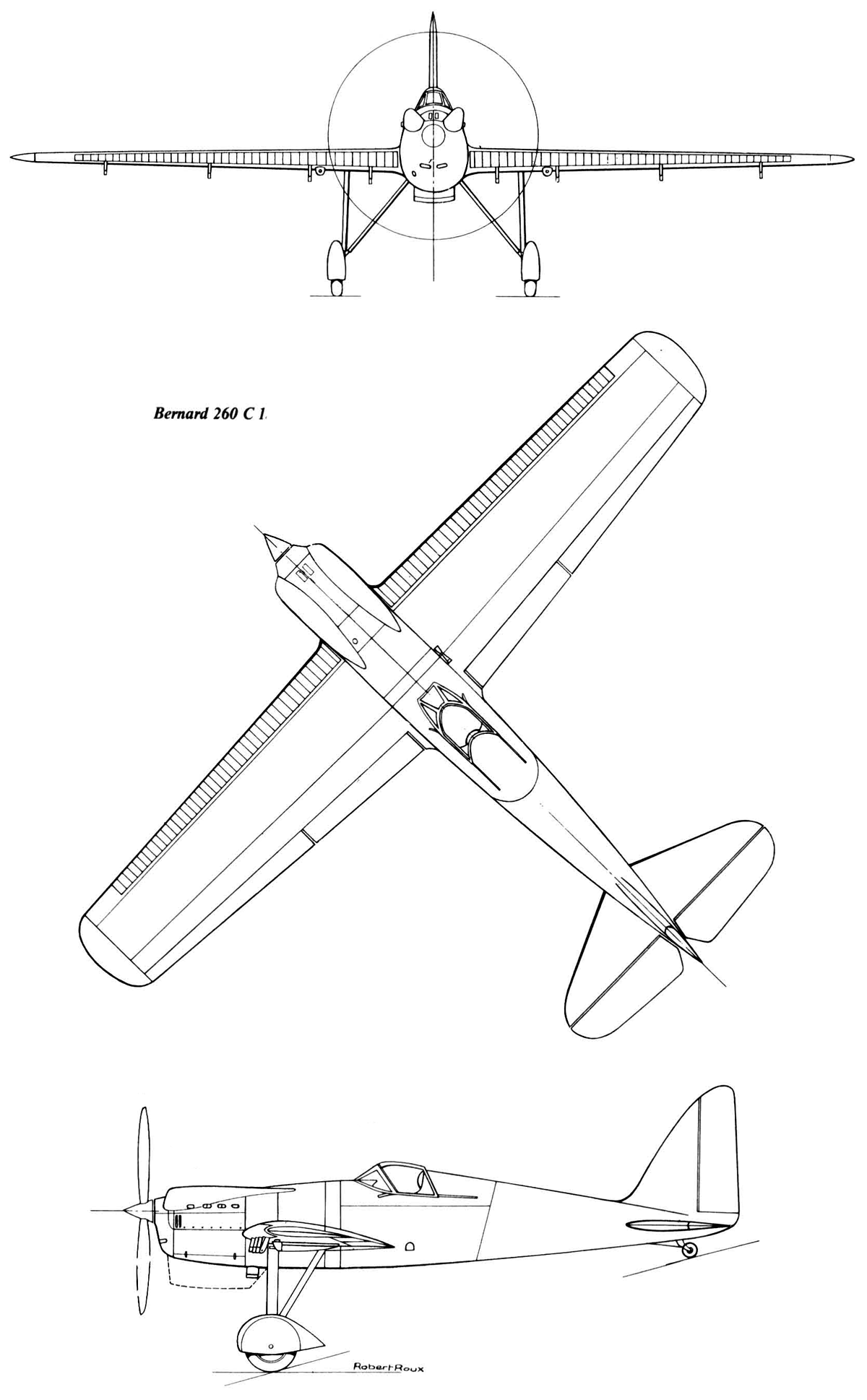 Bernard 260 |
ArchivoAéreo Editorial Team
A group of aviation researchers and enthusiasts dedicated to documenting and preserving global aeronautical history. All articles are reviewed to ensure historical accuracy.
Sources & Accuracy
The information presented in this technical sheet has been compiled from declassified flight manuals, historical archives, and specialized literature. While we strive for maximum accuracy, some performance data may vary depending on the specific variant or operational conditions.