Bernard S-73
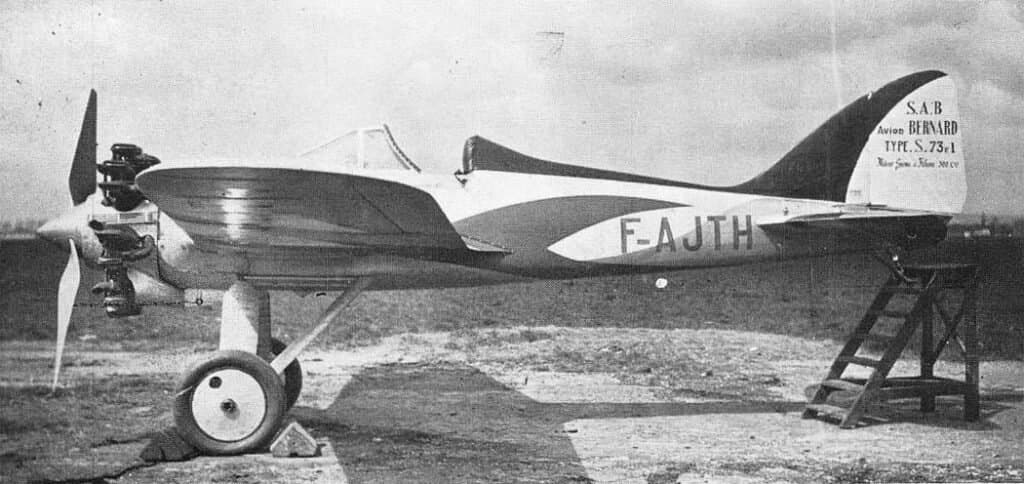
Following the Bernard S-72 aircraft accident near Lyon, the firm’s designers embarked on an attempt to modernize the plane. In late 1930, the S-72 (civil registration F-AJTH) received a seven-cylinder radial 300 hp Gnôme-Rhône K 7 engine and a wooden two-bladed propeller.
The Birth of the S-73 and its Specifications
Repainted in different colors (though still variegated), the S-73 was presented at the XII Air Show in 1930. Before the exhibition, a Levasseur metal propeller was installed. The S-73 featured a wingspan of 9.20 m, a length of 6.72 m, and a height of 2.45 m, with a wing area of 13.45 m².
Ready for Competition
With an empty weight of 774 kg and a normal take-off weight of 1004 kg, powered by its Gnome & Rhone 7Kb engine, the S-73 could achieve a maximum speed of 290 km/h and had a practical range of 450 km. After receiving its airworthiness certificate in June 1931, the aircraft was prepared for the Michelin Cup races. The S-73’s chances were excellent.
An Unexpected Fate
Unfortunately, on June 16, pilot Paillard passed away. As no other pilot was available, testing was halted, and the aircraft was abandoned, bringing a promising aviation project to an untimely end.
Technical Specifications
| Modification | S-73 |
| Wingspan, m | 9.20 |
| Length, m | 6.72 |
| Height, m | 2.45 |
| Wing area, m2 | 13.45 |
| Empty weight | 774 |
| Normal takeoff weight | 1004 |
| Engine type | 1 Piston engine Gnome & Rhone 7Kb |
| Power, hp | 1 x 300 |
| Maximum speed, km/h | 290 |
| Practical range, km | 450 |
| Crew | 1 |
Image and diagram gallery of the Bernard S-73
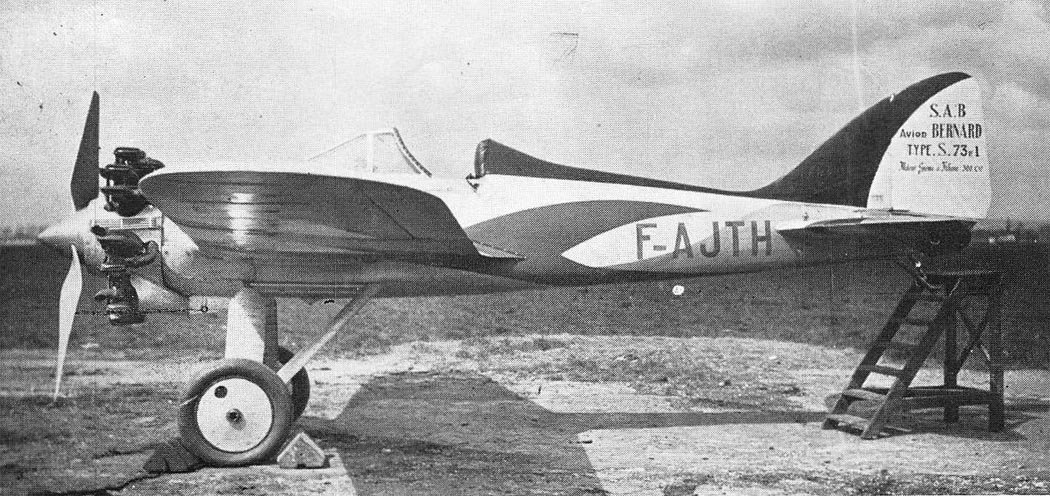 S-73 |
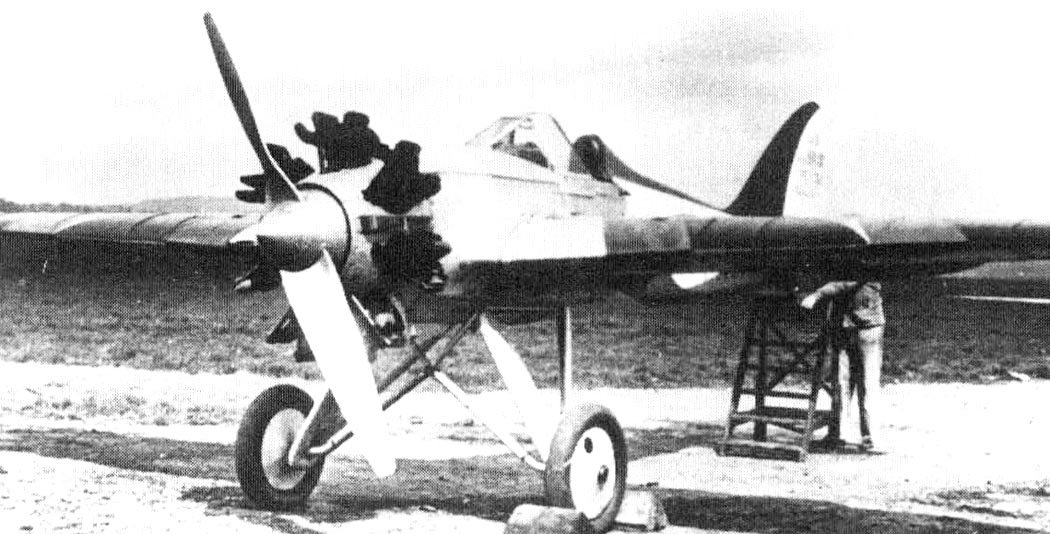 S-73 |
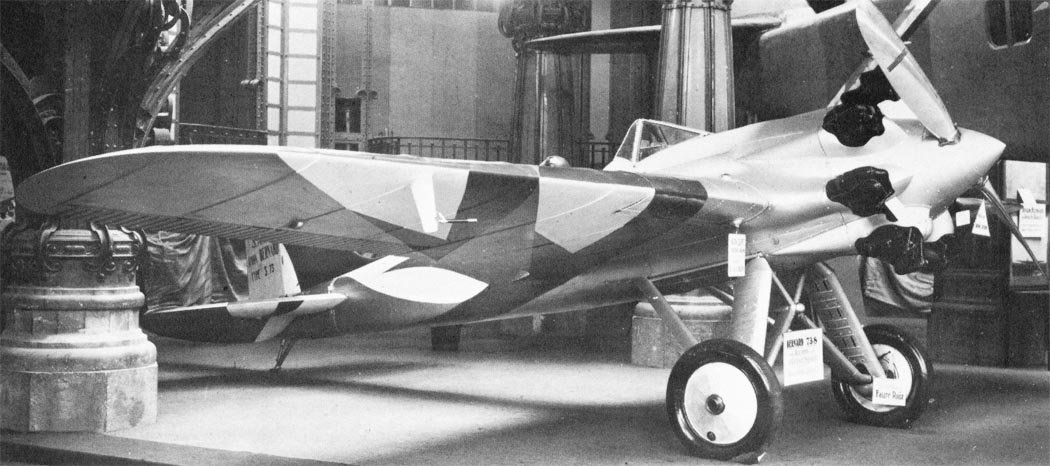 S-73 |
ArchivoAéreo Editorial Team
A group of aviation researchers and enthusiasts dedicated to documenting and preserving global aeronautical history. All articles are reviewed to ensure historical accuracy.
Sources & Accuracy
The information presented in this technical sheet has been compiled from declassified flight manuals, historical archives, and specialized literature. While we strive for maximum accuracy, some performance data may vary depending on the specific variant or operational conditions.