Bf 109X
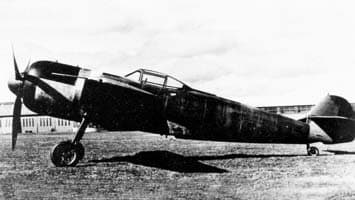
The most mysterious modification of the Bf 109 was the Messerschmitt with a radial engine. In the summer of 1938, the company was tasked with designing a 109 with an air-cooled engine. The purpose of this experiment is unclear: according to one version, an export variant of the aircraft was being prepared (Switzerland is named as a client), according to another, a full-fledged combat aircraft variant was being developed for the as-yet-unfinished BMW 801 or BMW 139. Or perhaps even a competitor or “backup” for the Focke-Wulf Fw 190.
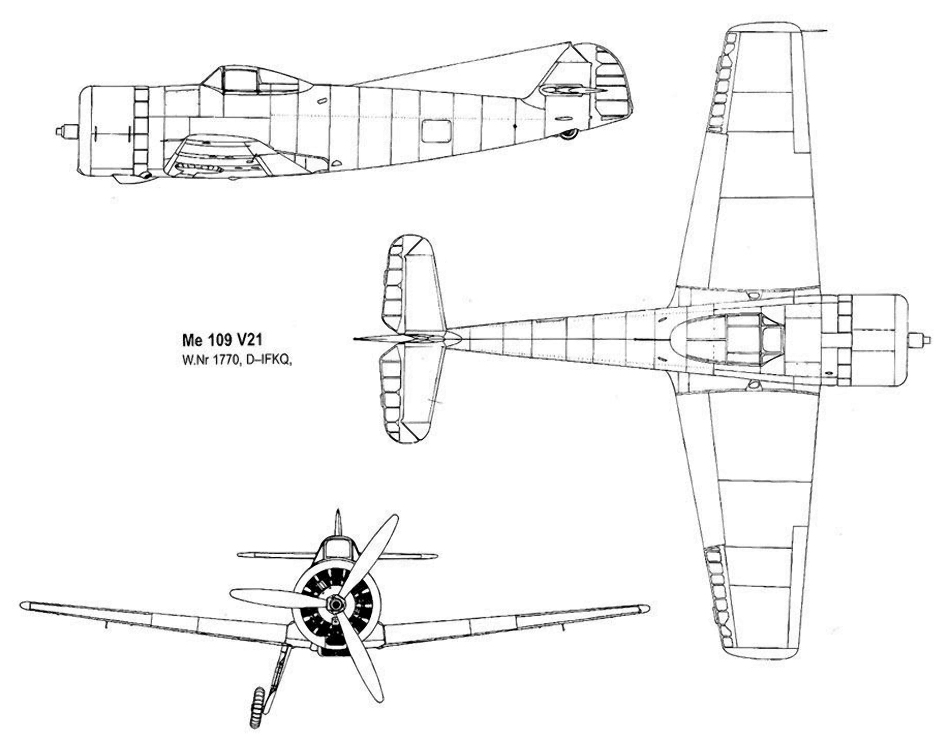
The Bf 109V-21 Prototype with American Engine
On August 18, 1939, the Bf 109V-21 took off with an American Pratt & Whitney R-1830-SC-G Twin Wasp engine. The engine most likely came from a Ju 90 airliner ordered but not delivered to the South Africans. The V-21 (civil registration number D-IFKQ, serial number 1770) was created based on a heavily redesigned Bf 109E-3.
Surprisingly, according to the company test pilot’s reports, the aircraft performed well in the air, with its behavior being similar to the “Emil.” It subsequently flew in the interest of the Third Reich’s research organizations, Deutsche Forschungsanstalt für Segelflug (DFS) and Luftfahrtforschungsanstalt Hermann Göring e.V. (LFA), at least until September 1940.
Development of the Bf 109X with BMW 801
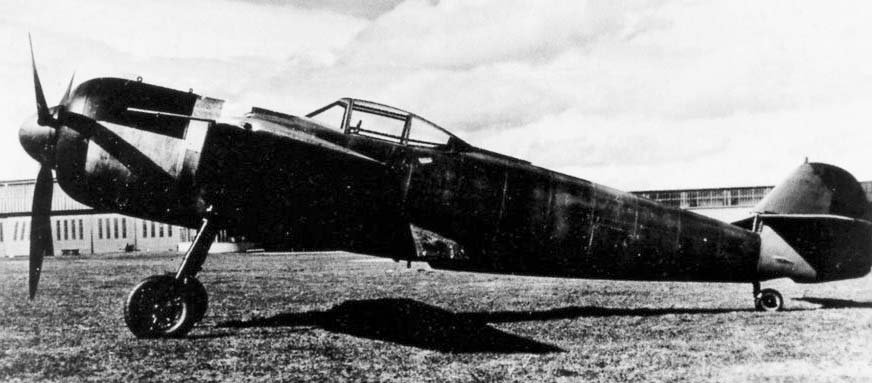
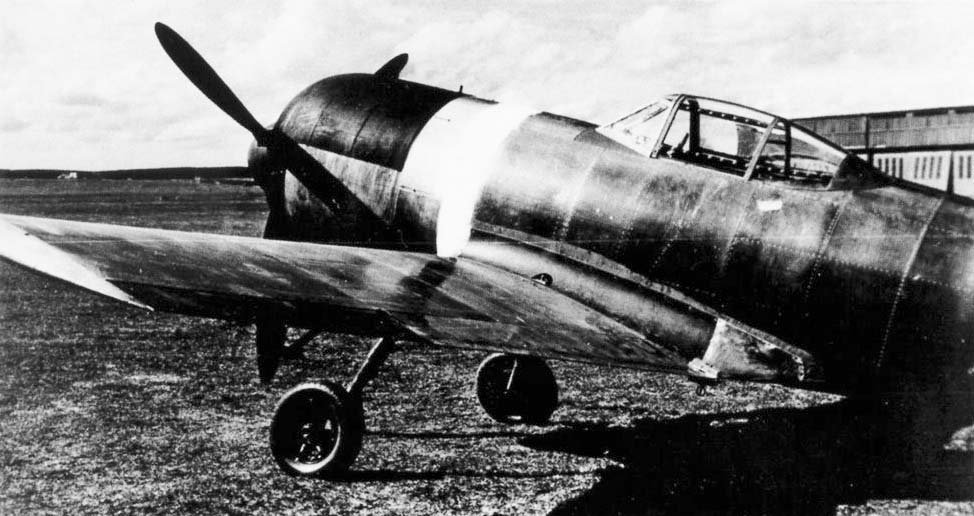
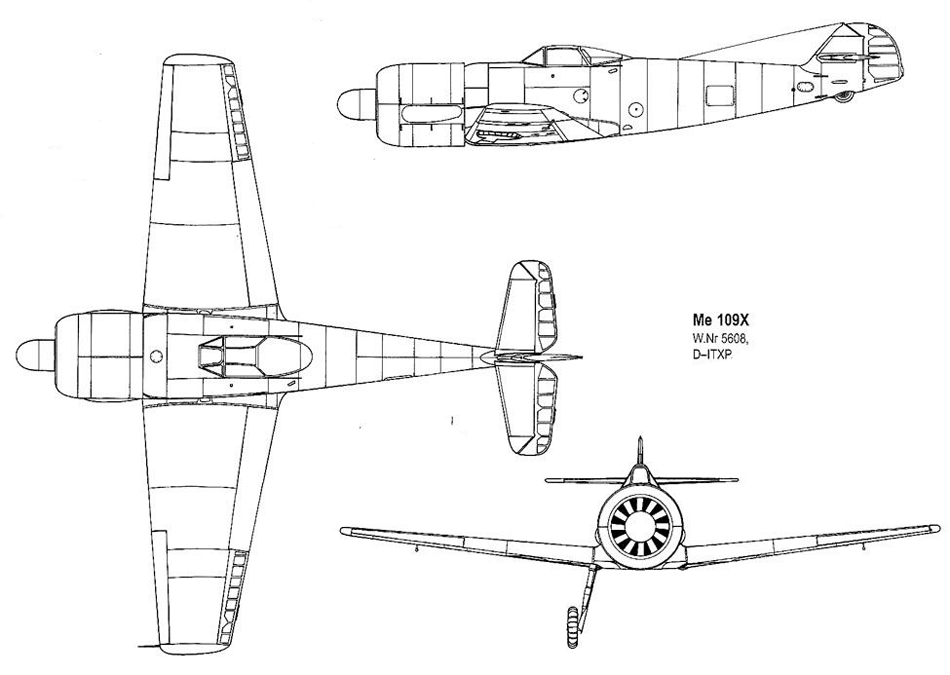
In June 1940, Messerschmitt was supplied with a BMW-801-A/0 engine. Based on another “leaner” modification — the F-1 — a second aircraft for this engine was created, named Bf 109X (serial number 5608, registration D-ITXP).
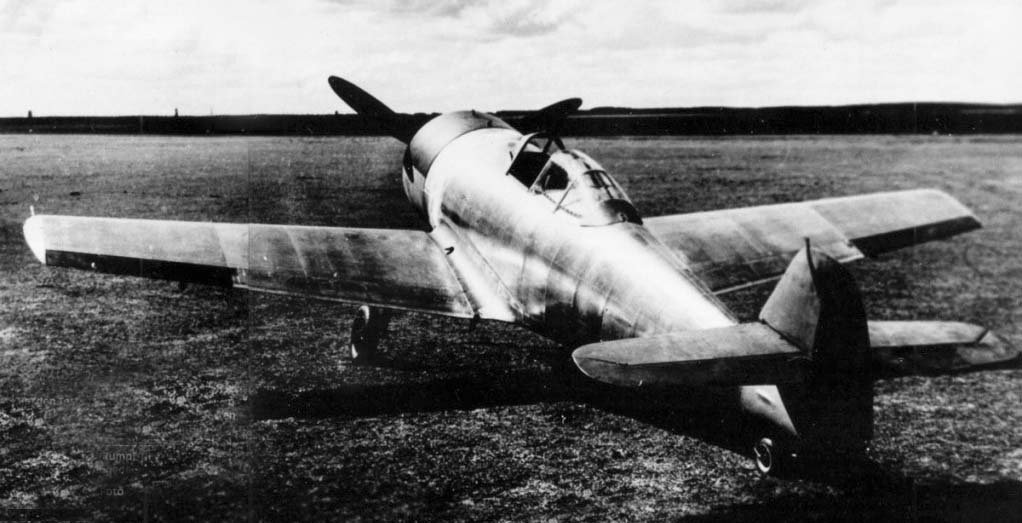
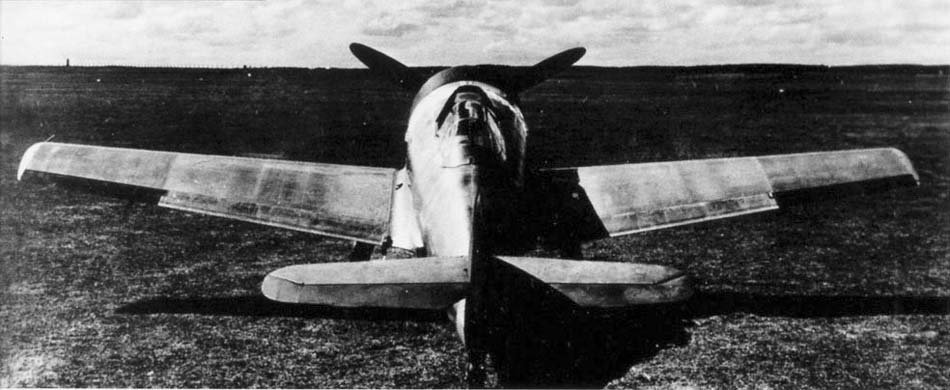
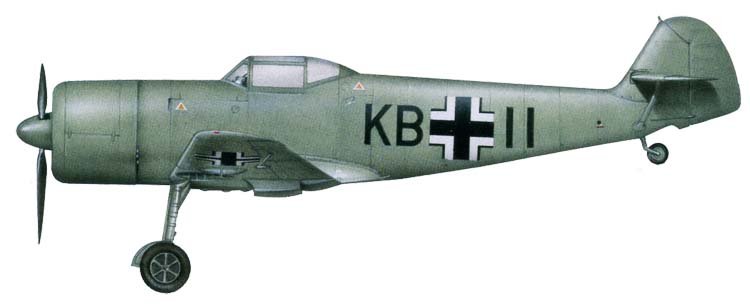
The landing gear had to be modified, slightly increasing its wheelbase and using larger diameter wheels, and the wing was slightly shortened compared to the basic 109F. These two radial-engined aircraft became the only Bf 109s with a bubble canopy. Naturally, the unnecessary water radiators were removed from the wings.
In September of the same year, the 109X made its first flight. Most complaints were directed at the still “raw” engine, and control response also worsened due to the obstruction caused by the large engine. In February 1942, the aircraft was still flying, but the subsequent fate of the Bf 109X is unknown.
Technical Specifications
| Modification | Bf 109X |
| Wingspan, m | 9. 10 |
| Length, m | 8. 55 |
| Height, m | 2.50 |
| Engine type | 1 Piston engine BMW-801-A/0 |
| Power, hp | 1 x 1560 |
| Crew | 1 |
| Armament | one 20-mm MG 151 cannon mounted in the engine’s ‘V’ with 150 rounds, two 7.9-mm MG 17 machine guns with 500 rounds per gun. |
Image and diagram gallery of the Bf 109X
 Bf.109X |
 Bf.109X |
 Bf.109X |
 Bf.109X |
 Bf.109X |
 Bf.109X |
 Bf.109X |
ArchivoAéreo Editorial Team
A group of aviation researchers and enthusiasts dedicated to documenting and preserving global aeronautical history. All articles are reviewed to ensure historical accuracy.
Sources & Accuracy
The information presented in this technical sheet has been compiled from declassified flight manuals, historical archives, and specialized literature. While we strive for maximum accuracy, some performance data may vary depending on the specific variant or operational conditions.