BFW CL.I(III)
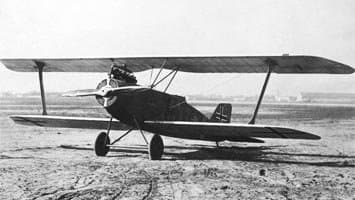
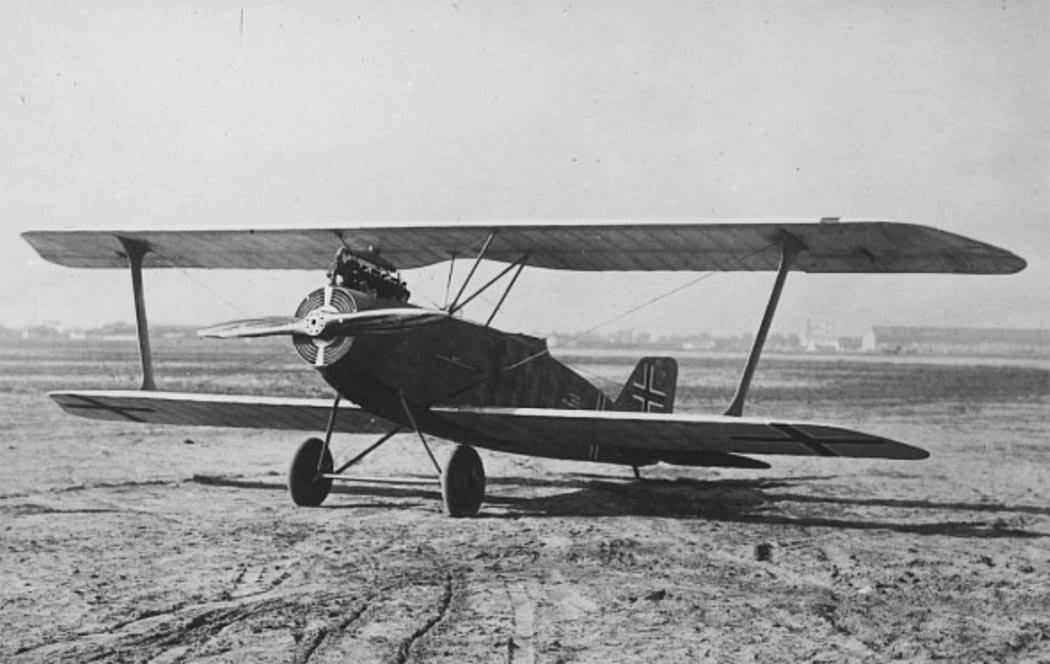
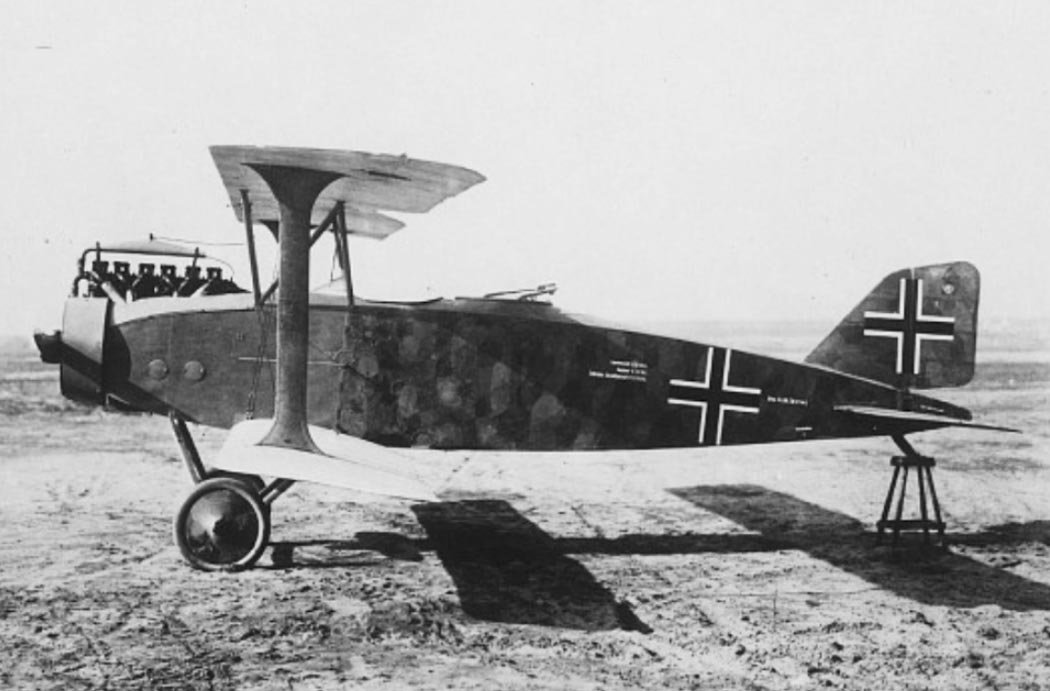
The “Bayerische Flugzeug-Werke AG” (BFW) company was formed in February 1916. It was actually created by “Albatros-Werke GmbH” and incorporated the assets of “Otto-Werke GmbH”. BFW, which had previously produced Halberstadt CL.II aircraft under license, decided at the end of 1917 to develop an aircraft of this category as well.
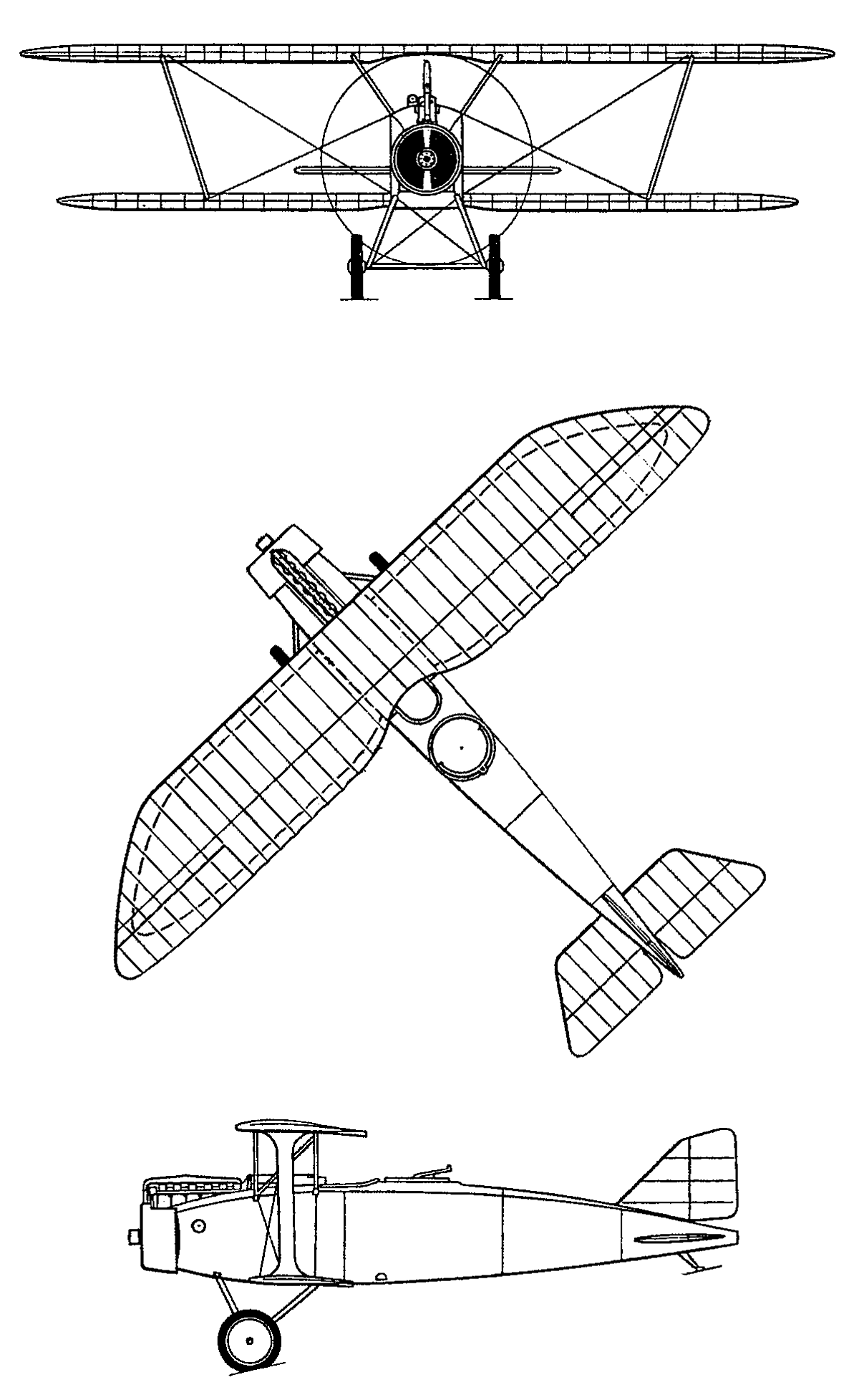
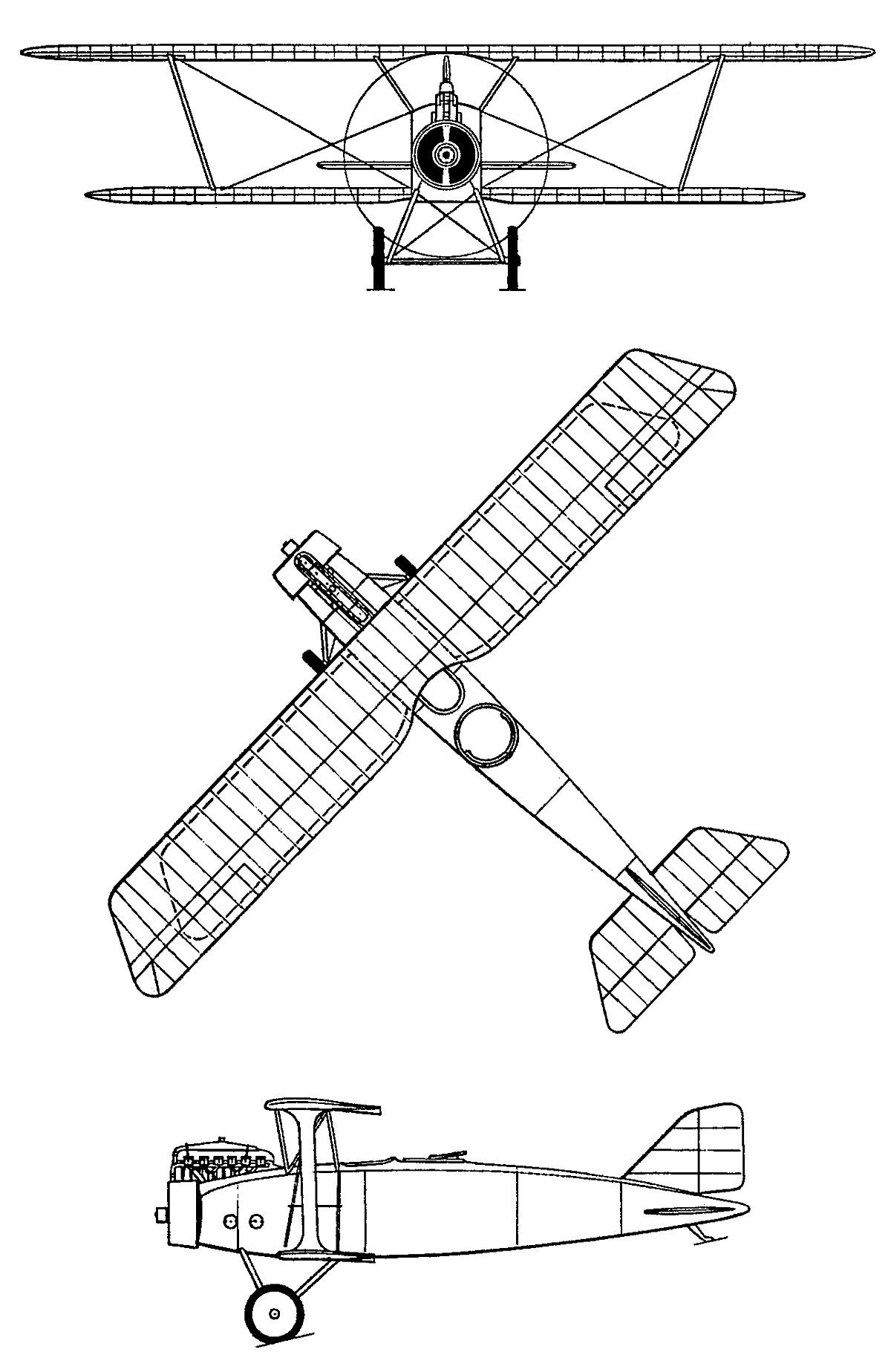
These machines were planned for use as fighter-reconnaissance and attack aircraft. The Halberstadt CL.II was taken as the basis for their design. In total, three modifications were built, differing only slightly from each other.
The BFW CL.I: Design and Early Trials
The CL.I was a single-engine, single-strut biplane with unequal-span wings. A 160-horsepower Mercedes D.III engine was used as the power plant. The aircraft made its first flight in April 1918 and underwent official trials in June of the same year.
However, an official report compared it unfavorably to the Hannover CL.V, after which BFW improved the prototype.
Evolution to CL.II and CL.III Models
The next model, the CL.II, featured a 175 hp MAN Mana.III engine. The original fuselage structure was replaced with a lighter one. Flights for this version began in July 1918.
The third model was the last aircraft in the CL classification. Its distinction from previous models also lay solely in the engine (Benz Bz IV) and wingspan. Its testing only began at the very end of the war but was never completed. In total, 3 prototypes of the BFW CL series aircraft were built (one prototype of each model).
Technical Specifications
| Modification | CL.II |
| Wingspan, m | 11.5 4 |
| Length, m | 7.81 |
| Engine type | 1 Piston engine Benz Bz IV |
| Power, hp | 1 x 200 |
| Crew | 2 crew |
| Armament | one or two 7.92 mm synchronized LMG 08/15 machine guns and a Parabellum machine gun on a turret. |
Image and diagram gallery of the BFW CL.I(III)
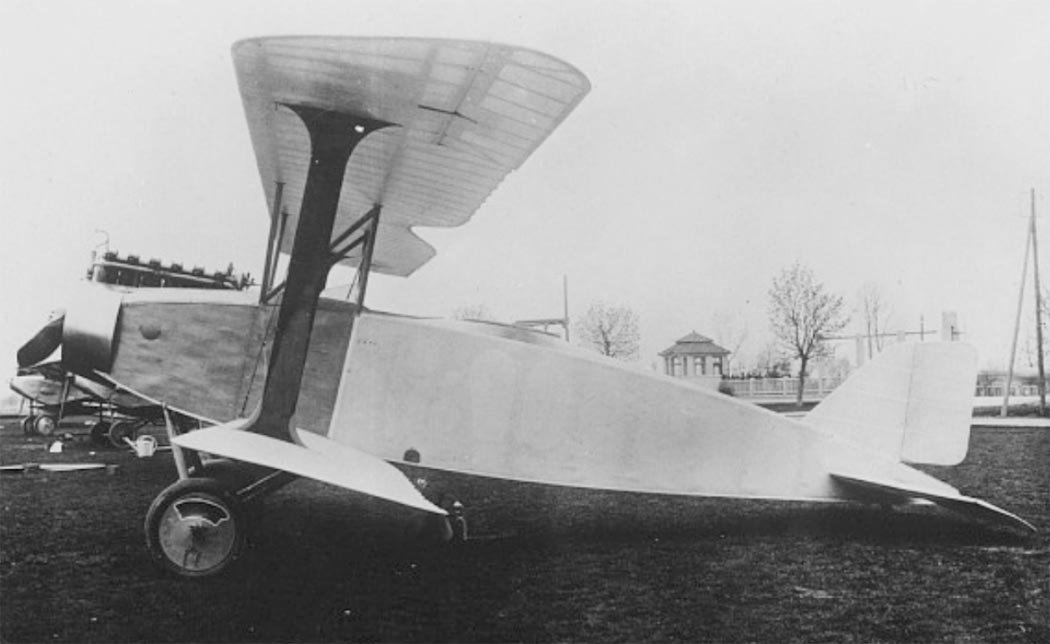 BFW CL.I(III) |
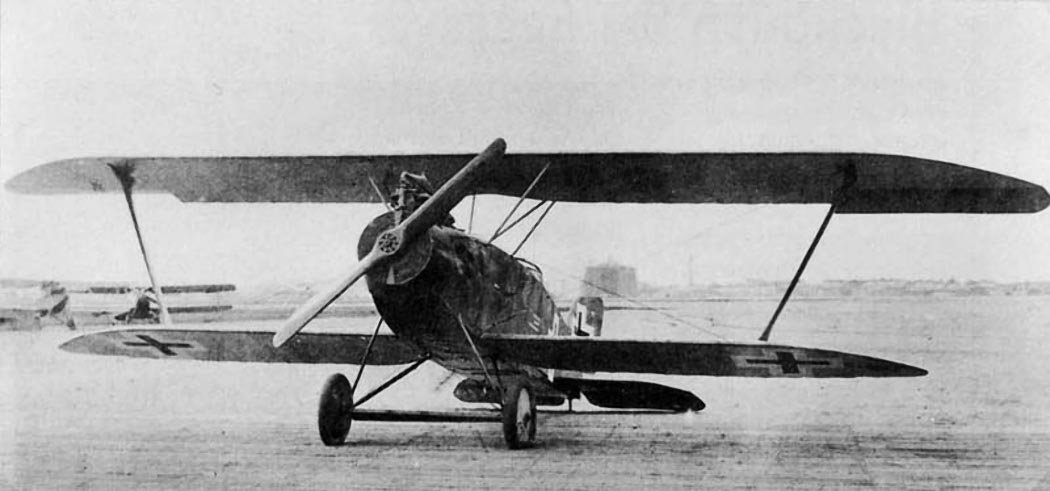 BFW CL.I(III) |
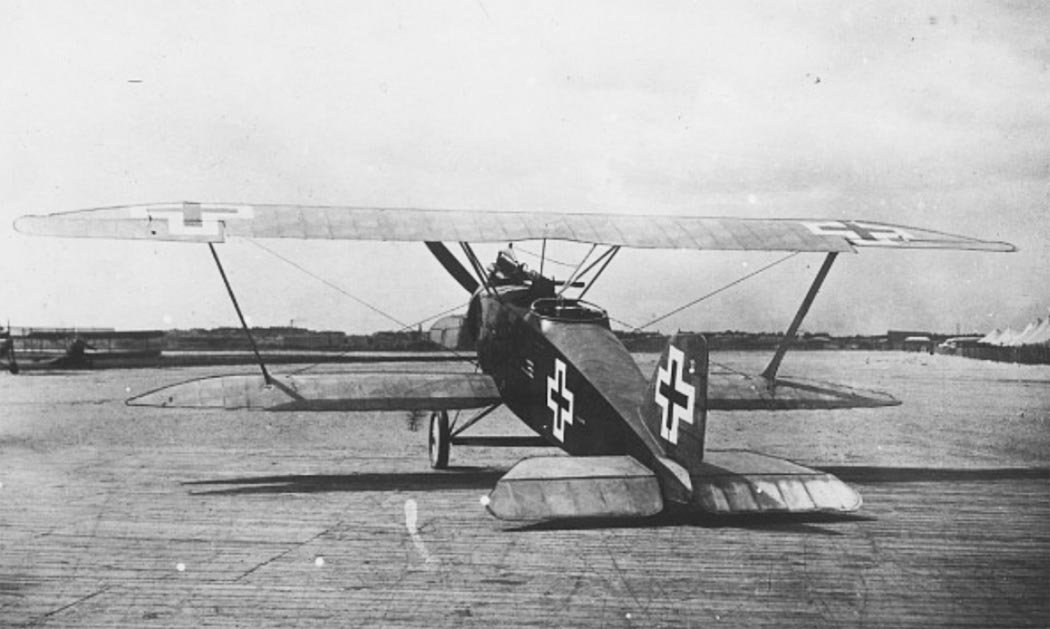 BFW CL.I(III) |
 BFW CL.I(III) |
 BFW CL.I(III) |
 BFW CL.I(III) |
 BFW CL.I(III) |
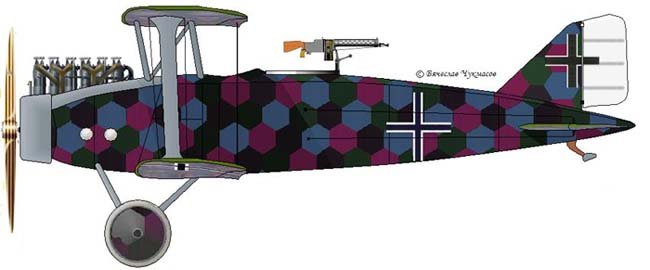 BFW CL.I(III) |
ArchivoAéreo Editorial Team
A group of aviation researchers and enthusiasts dedicated to documenting and preserving global aeronautical history. All articles are reviewed to ensure historical accuracy.
Sources & Accuracy
The information presented in this technical sheet has been compiled from declassified flight manuals, historical archives, and specialized literature. While we strive for maximum accuracy, some performance data may vary depending on the specific variant or operational conditions.