BH-10
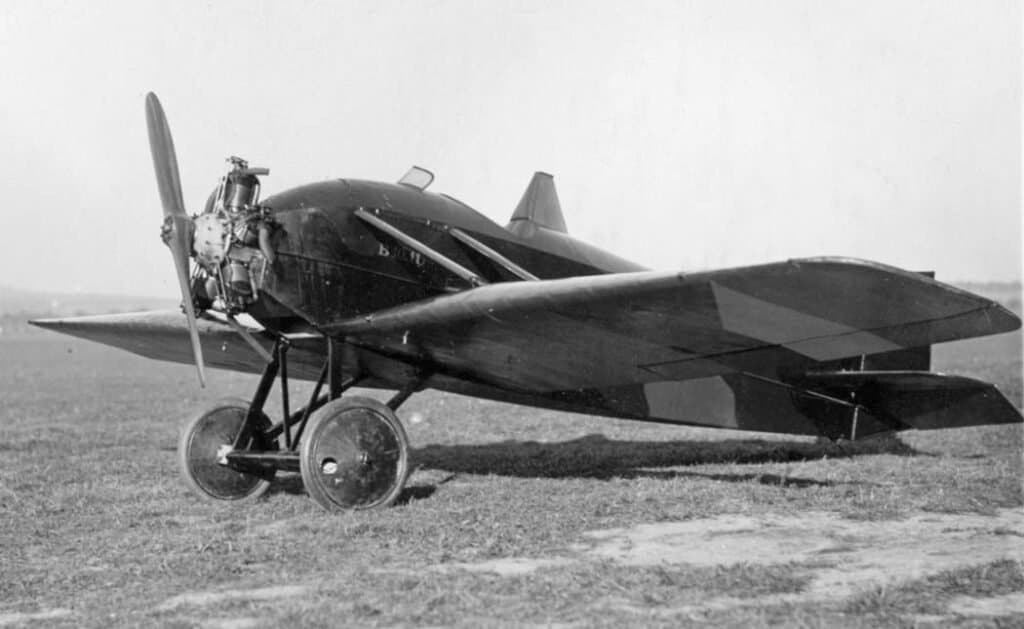
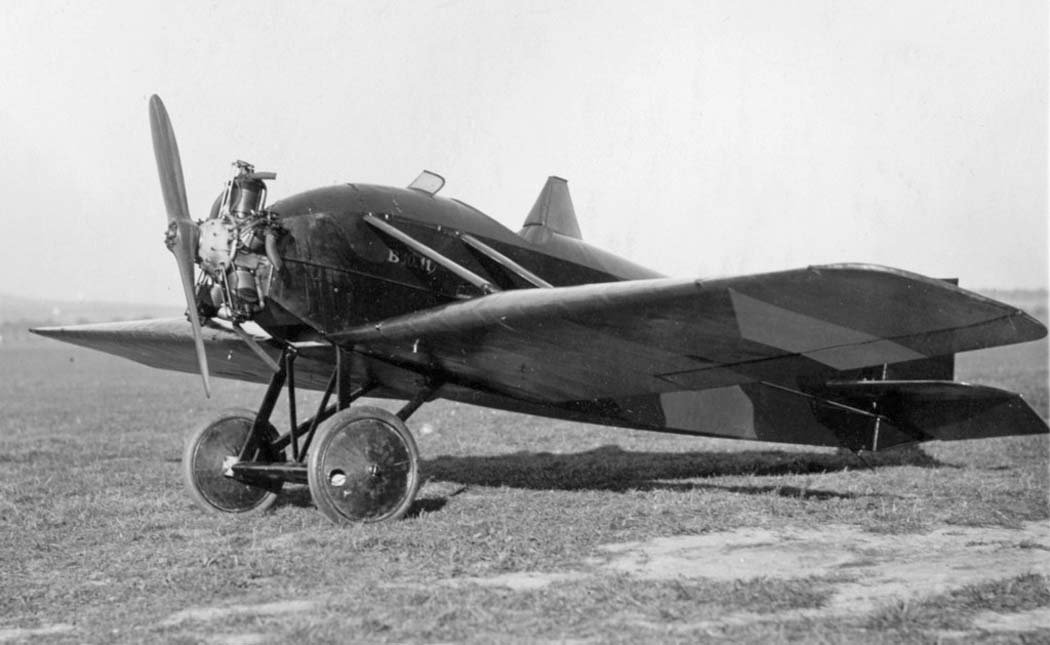
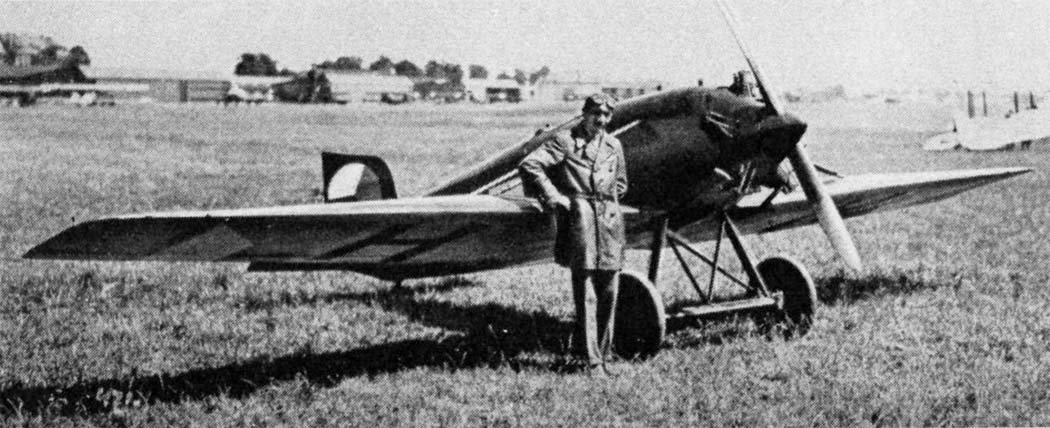
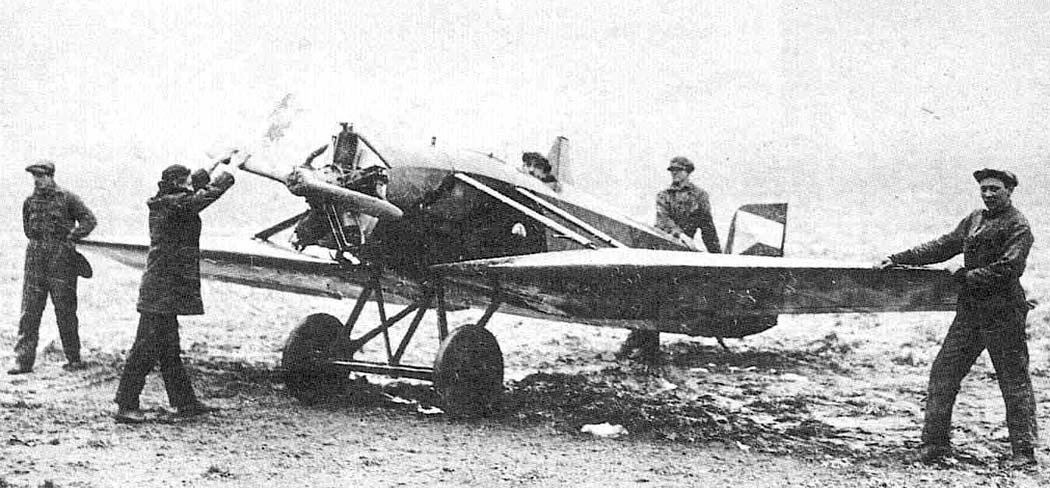
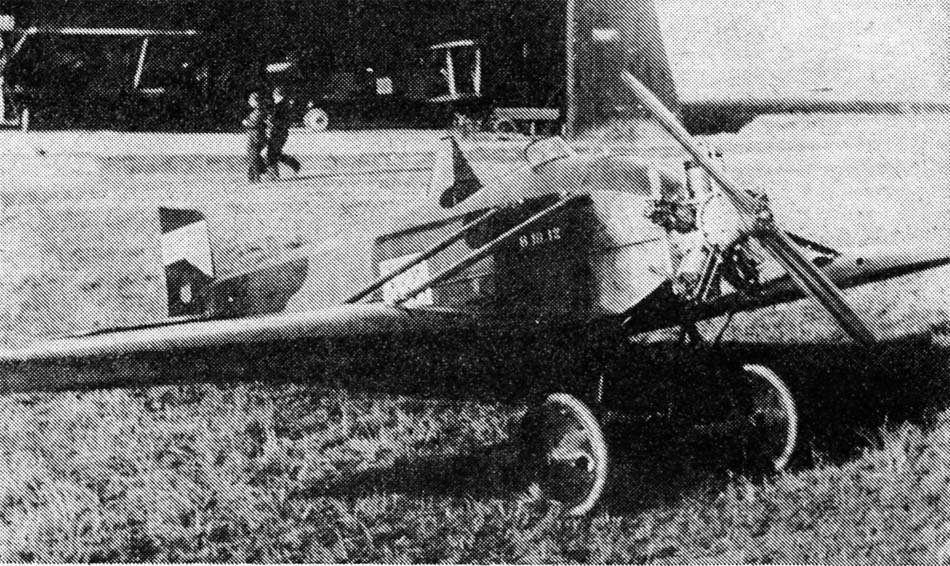
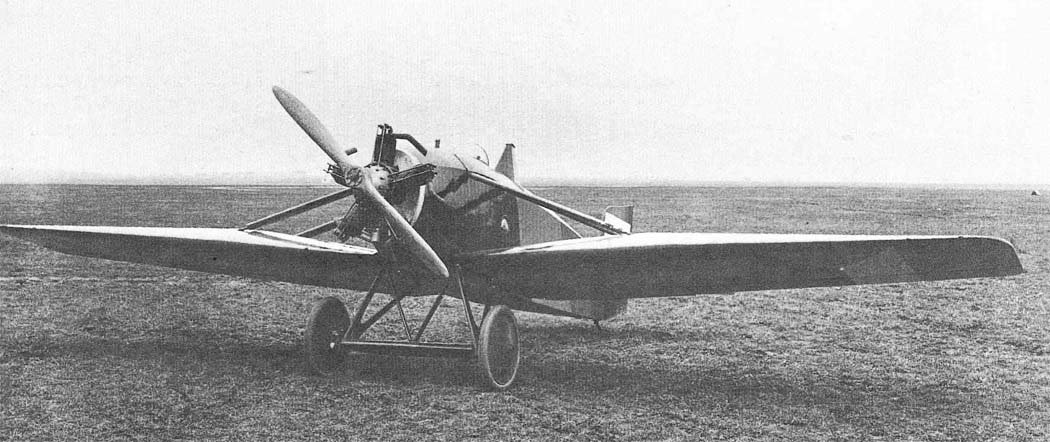
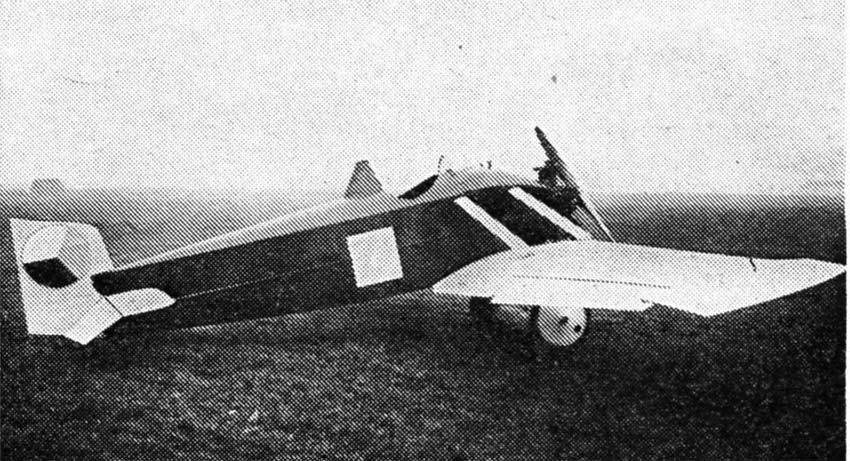
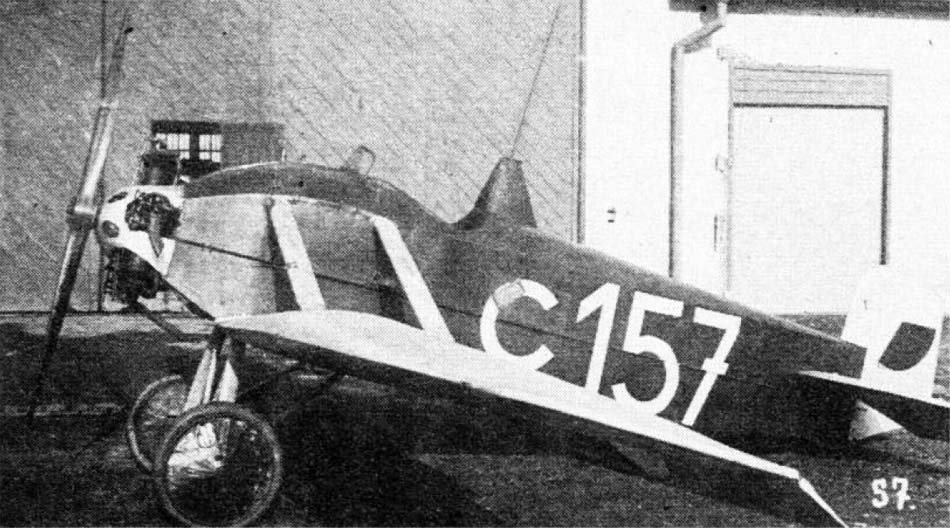
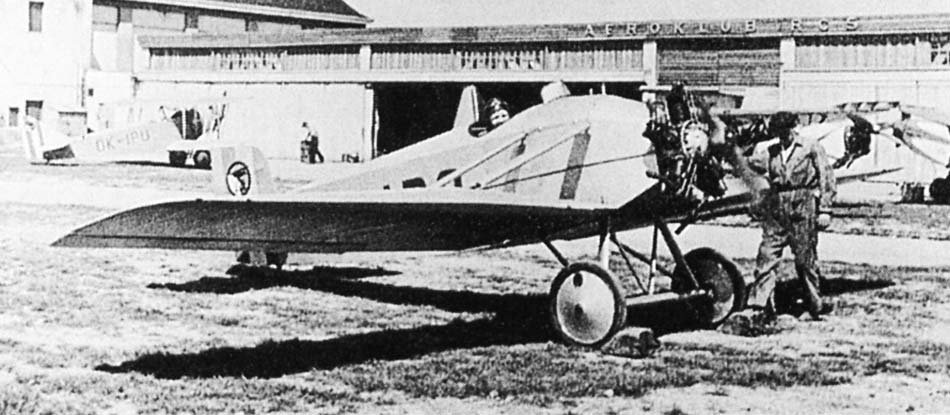
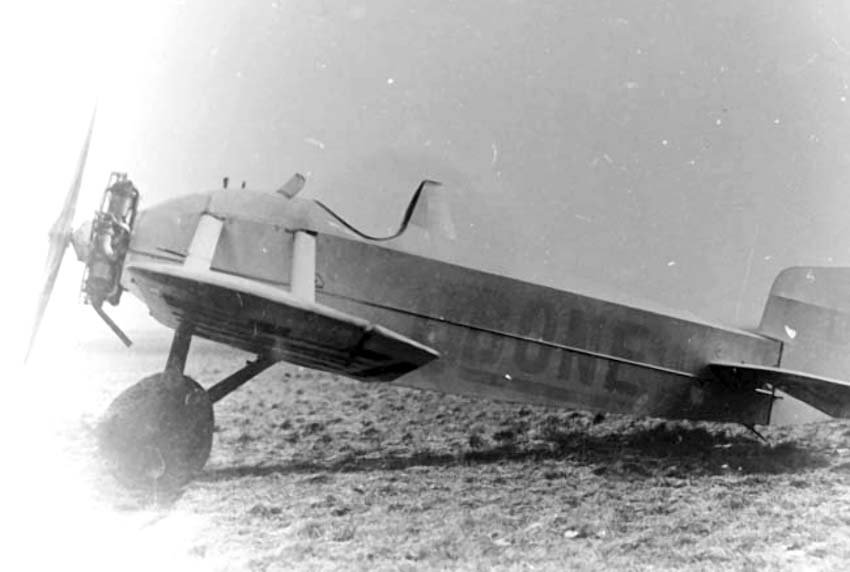
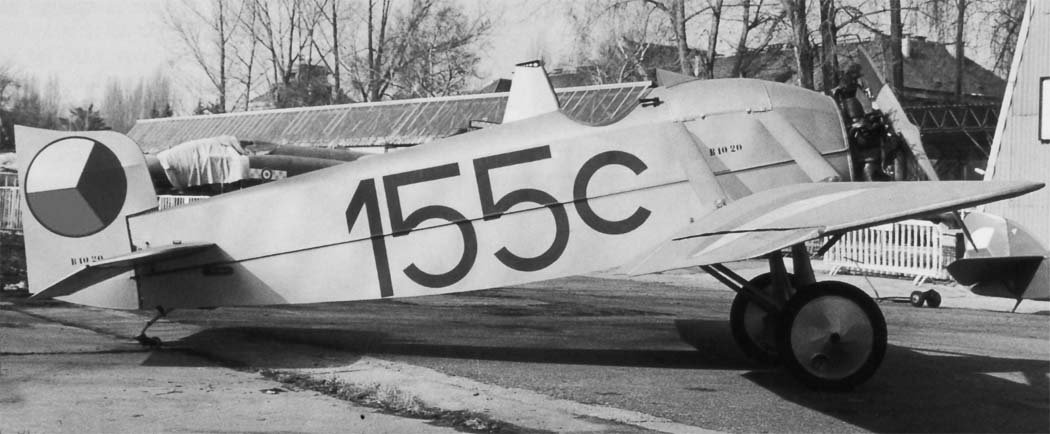
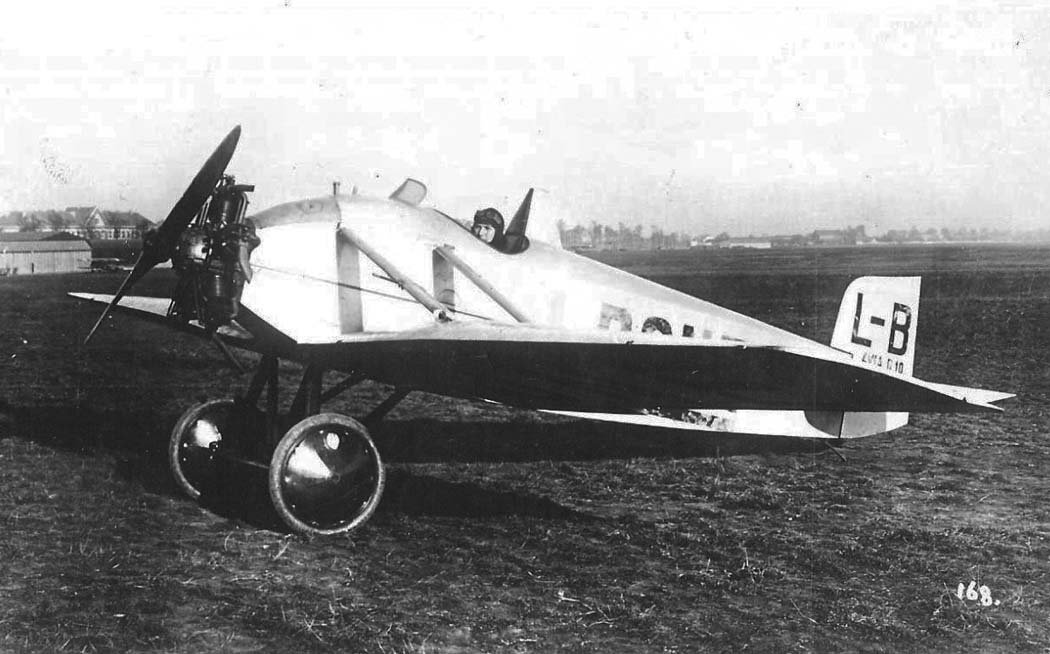
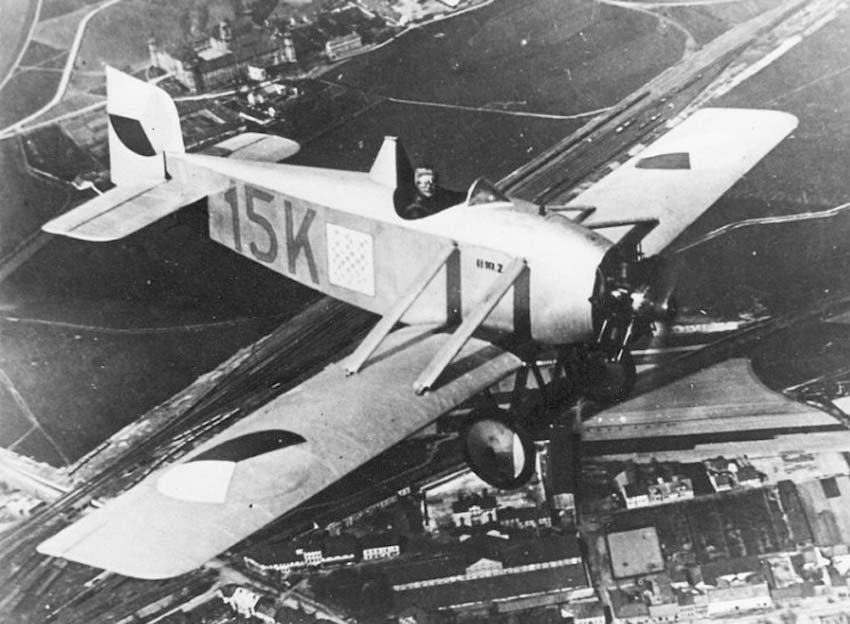
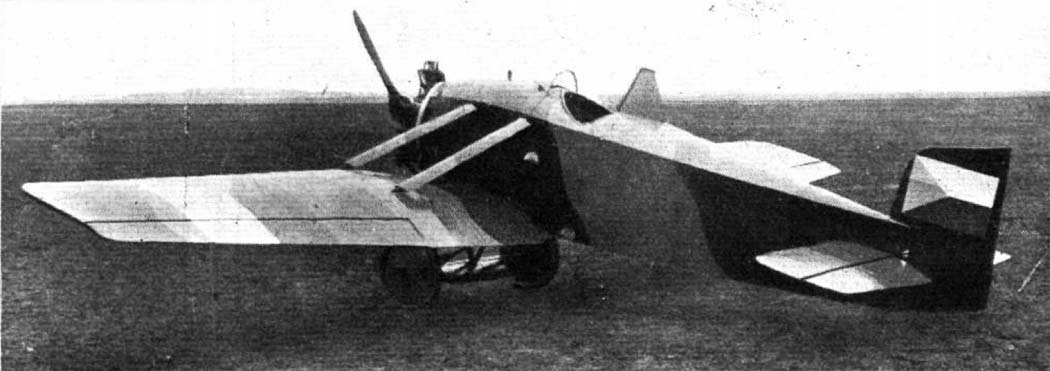
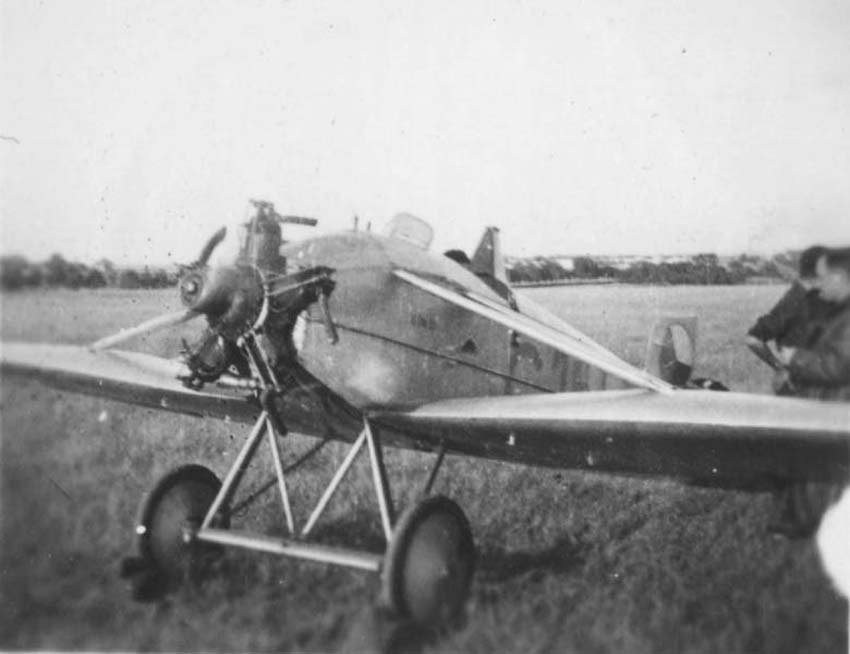
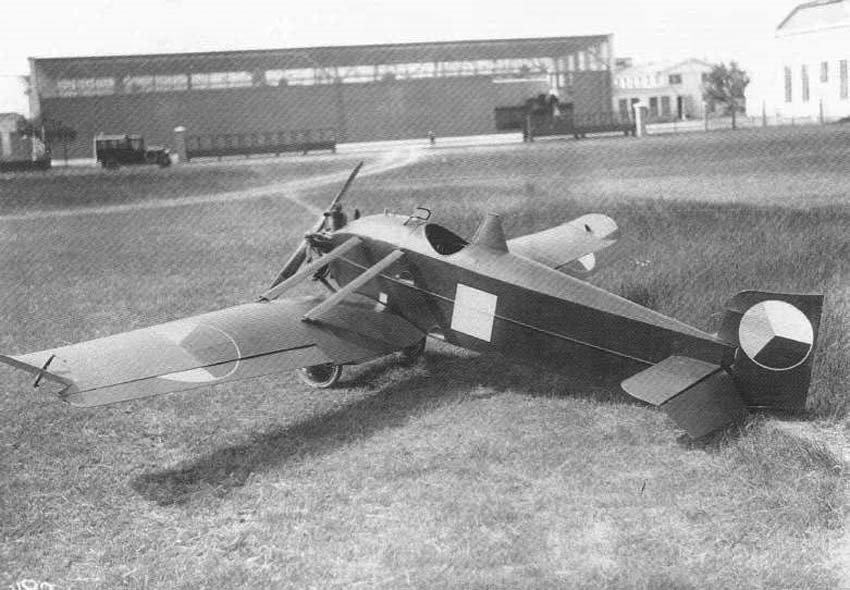
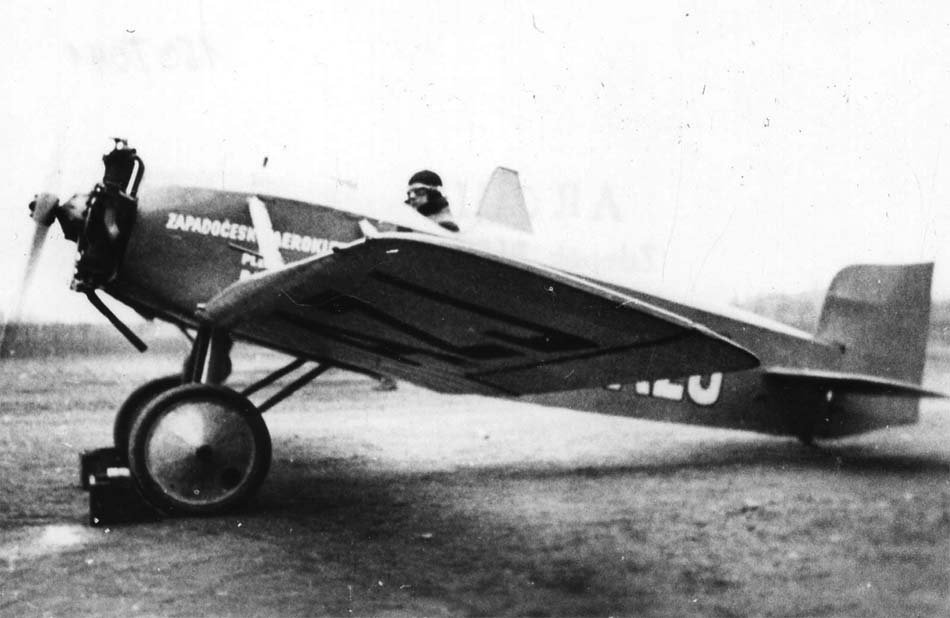
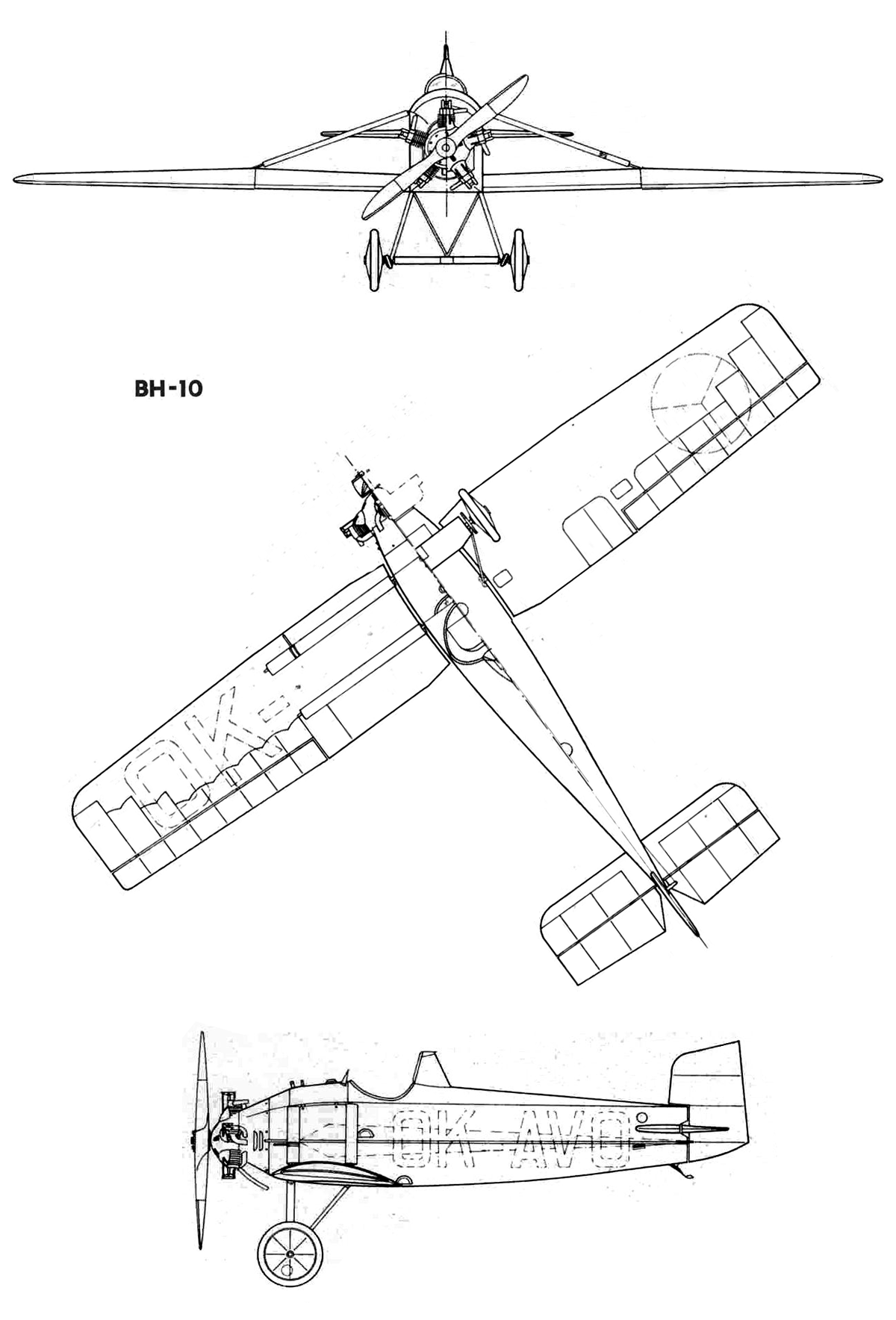
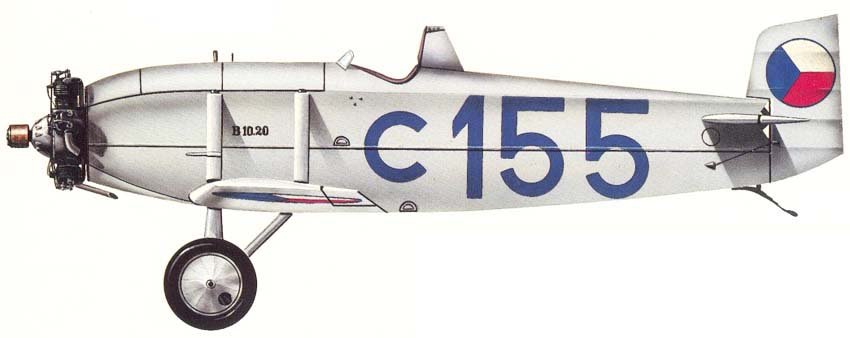
In 1924, the Avia company created the single-seat training aircraft BH-10, based on the BH-9 model. This aircraft was specifically designed for aerobatic performances and advanced training missions.
Origin and Purpose
The prototype’s maiden flight occurred on January 3, 1924, marking the beginning of its production. Its single-seat configuration and agility made it ideal for pilot training in complex maneuvers.
Production and Service
A total of 21 units of this machine were built. Of these, 10 aircraft were supplied to the Czech Air Force, where they were designated B.10, significantly contributing to the nation’s air capabilities.
Technical Specifications
| Modification | BH-10 |
| Wingspan, m | 8.80 |
| Length, m | 5.42 |
| Height, m | 2.54 |
| Wing area, m2 | 9.80 |
| Empty weight | 288 |
| Normal takeoff weight | 414 |
| Engine type | 1 Piston engine Walter NZ-60 |
| Power, hp | 1 x 60 |
| Maximum speed, km/h | 160 |
| Cruising speed, km/h | 130 |
| Practical range, km | 480 |
| Rate of climb, m/min | 200 |
| Service ceiling, m | 4500 |
| Crew | 1 |
Image and diagram gallery of the BH-10
 VN-10 |
 VN-10 |
 VN-10 |
 VN-10 |
 VN-10 |
 VN-10 |
 VN-10 |
 VN-10 |
 VN-10 |
 VN-10 |
 VN-10 |
 VN-10 |
 VN-10 |
 VN-10 |
 VN-10 |
 VN-10 |
 VN-10 |
 VN-10 |
ArchivoAéreo Editorial Team
A group of aviation researchers and enthusiasts dedicated to documenting and preserving global aeronautical history. All articles are reviewed to ensure historical accuracy.
Sources & Accuracy
The information presented in this technical sheet has been compiled from declassified flight manuals, historical archives, and specialized literature. While we strive for maximum accuracy, some performance data may vary depending on the specific variant or operational conditions.