BH-111
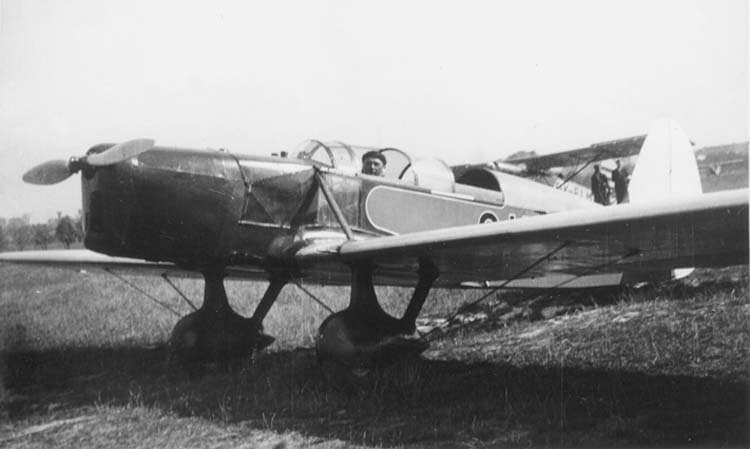
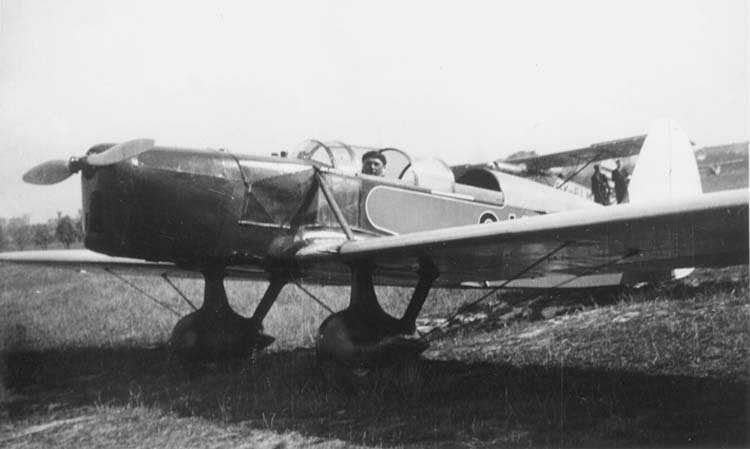
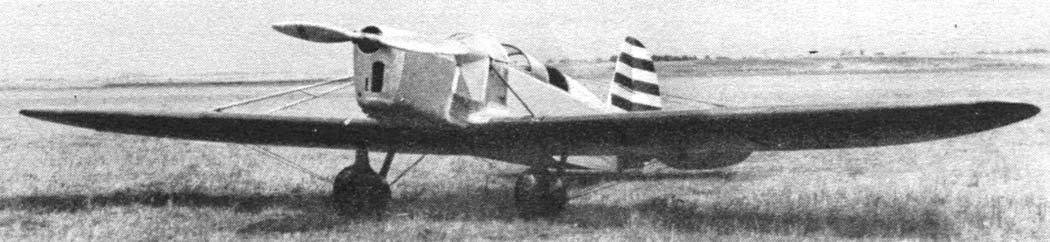
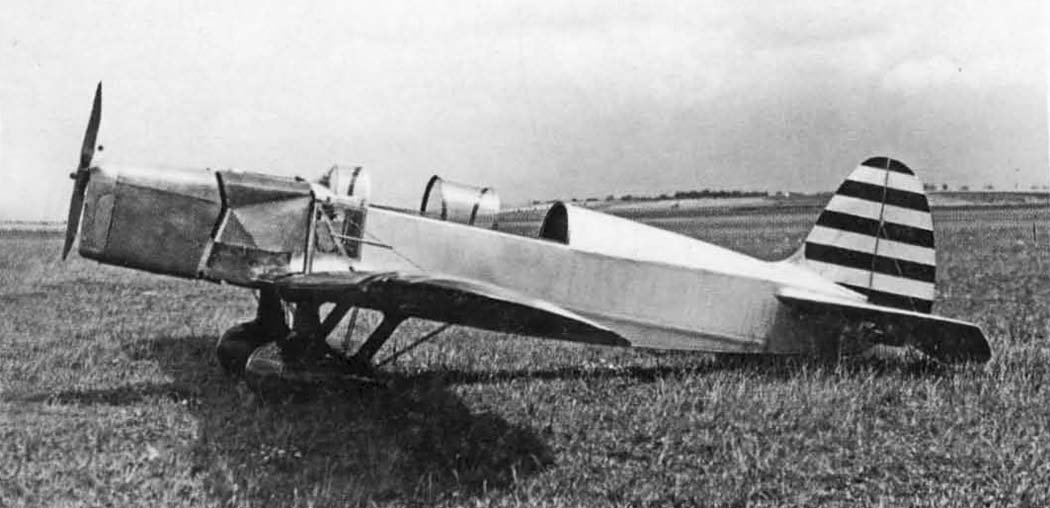
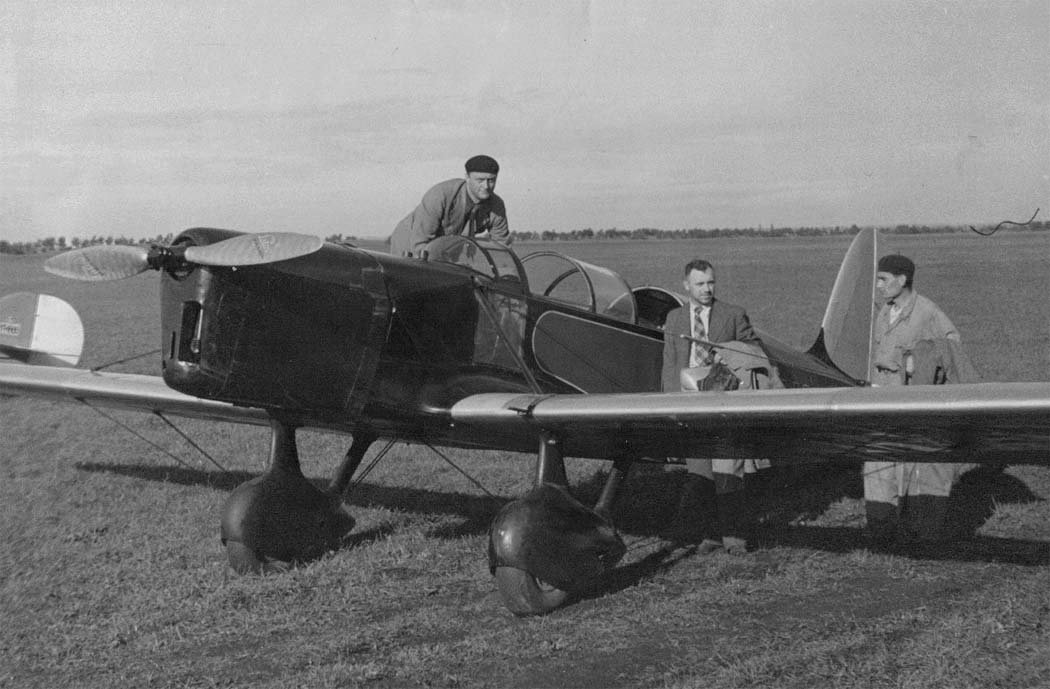
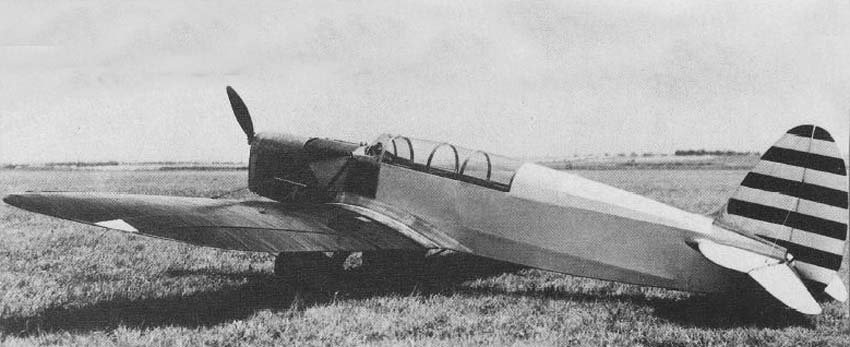
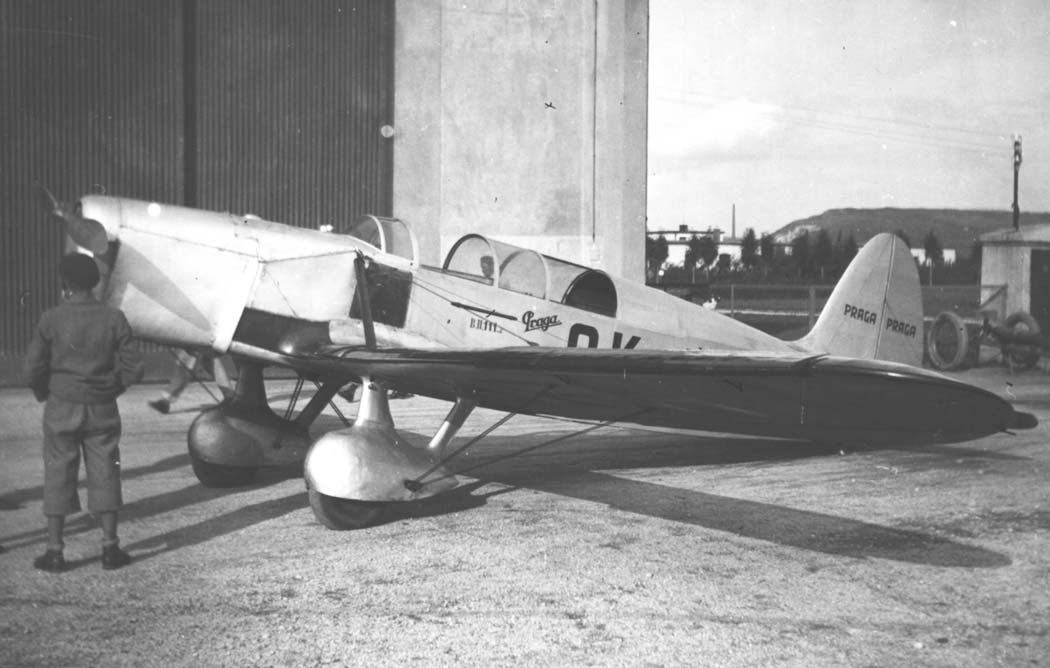
Specifically for the international air race Challenge 1932, designers Pavel Beneš and Miroslav Hajn developed the BH-111 (or E-111) light sport aircraft. This model was a two-seater low-wing monoplane of mixed construction, powered by a 122 hp de Havilland Gipsy III engine.
Design and Development of the BH-111
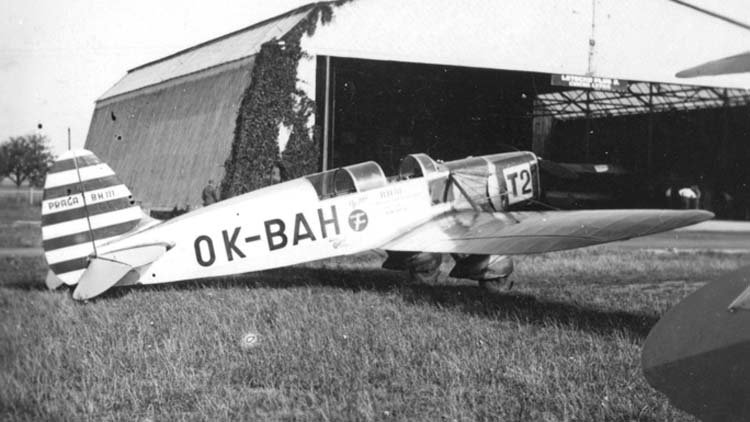
Three examples of the aircraft (OK-BAH, OK-BEH, and OK-BIH) were completed in time for the races. They did not achieve major successes, finishing 16th and 21st among 43 participants; the third aircraft failed to finish the competition.
However, in the overall standings, the BH-111 took 4th place among 17 types of aircraft. After the 1932 race, the aircraft were transferred to civilian aero clubs for continued use.
Competitive Performance
In 1935, two BH-111s participated in competitions in Italy, achieving 5th and 27th places, showcasing their ongoing presence in the air sport domain.
Technical Specifications
| Modification | BH-111 |
| Wingspan, m | 10.50 |
| Length, m | 7.40 |
| Height, m | 2.90 |
| Wing area, m2 | 15.10 |
| Empty weight | 470 |
| Maximum takeoff weight | 770 |
| Engine type | 1 Piston engine de Havilland Gipsy III |
| Power, hp | 1 x 122 |
| Maximum speed, km/h | 230 |
| Cruising speed, km/h | 200 |
| Service ceiling, m | 4500 |
| Crew | 2 |
Image and diagram gallery of the BH-111
 BH-111 |
 BH-111 |
 BH-111 |
 BH-111 |
 BH-111 |
 BH-111 |
 BH-111 |
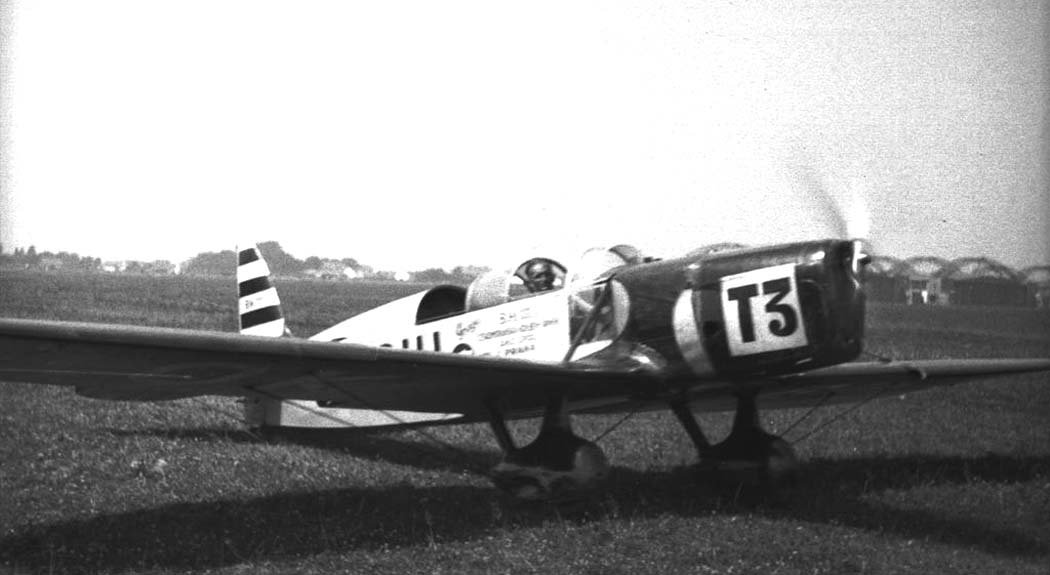 BH-111 |
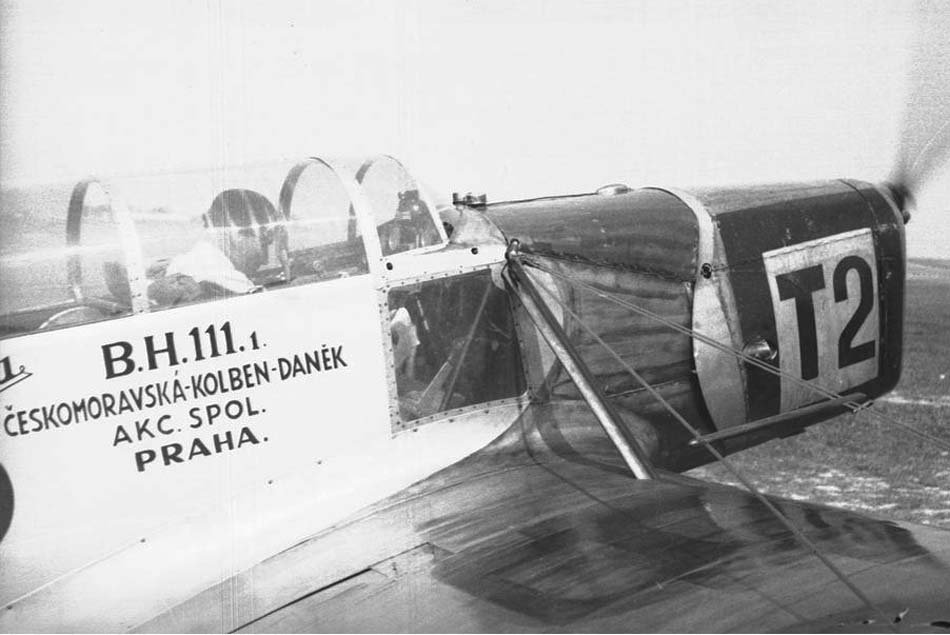 BH-111 |
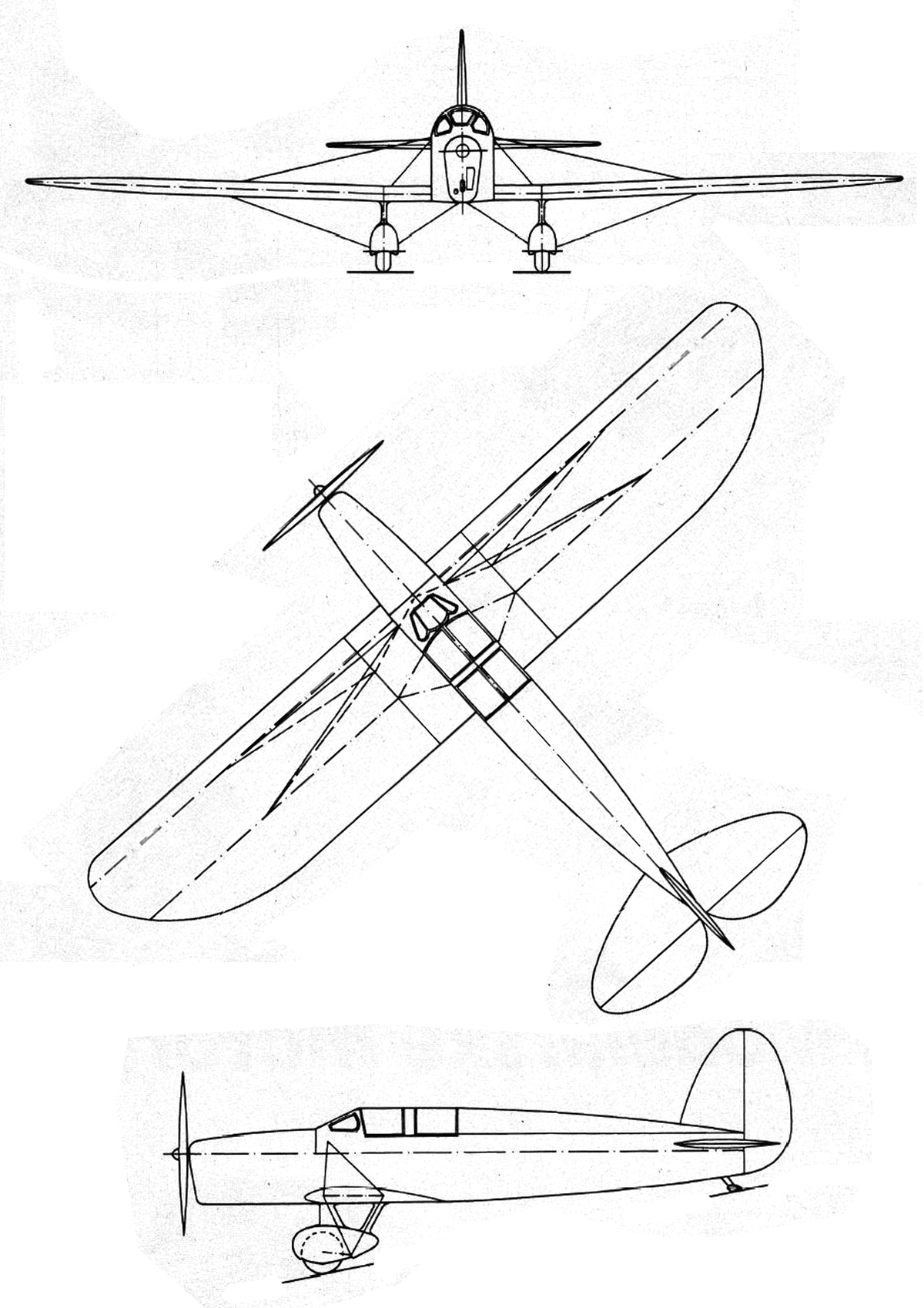 BH-111 |
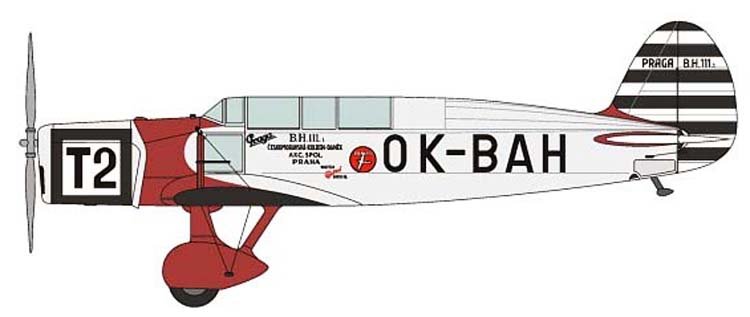 BH-111 |
ArchivoAéreo Editorial Team
A group of aviation researchers and enthusiasts dedicated to documenting and preserving global aeronautical history. All articles are reviewed to ensure historical accuracy.
Sources & Accuracy
The information presented in this technical sheet has been compiled from declassified flight manuals, historical archives, and specialized literature. While we strive for maximum accuracy, some performance data may vary depending on the specific variant or operational conditions.