BH-20 Light Sports Aircraft
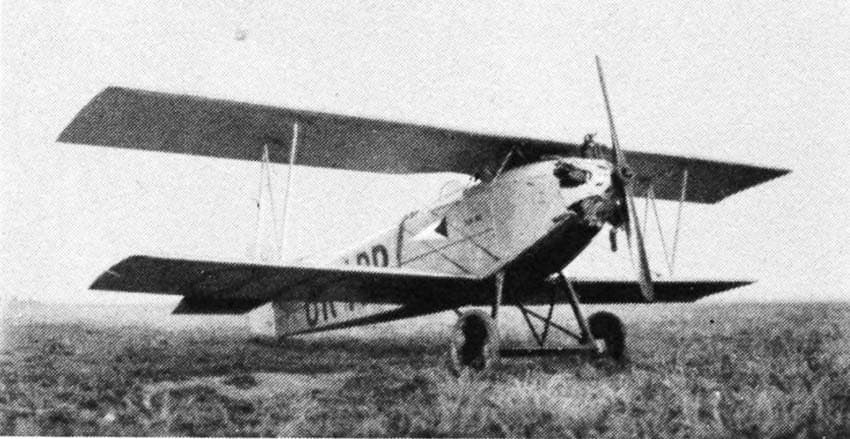
In 1924, Pavel Beneš and Miroslav Hajn developed the BH-20, a light sports aircraft intended for both recreational flying and the training of civilian pilots. This wooden, two-seater, single-strut biplane was powered by a 60 hp Walter NZ-60 engine.
Origins and Design
The BH-20 was envisioned for initial pilot training, forming part of a tiered system alongside other aircraft from the same firm. It would serve for primary instruction, with the BH-22 and BH-21 designated for subsequent training stages.
A Solitary Prototype
Despite its potential, the BH-20 never entered serial production. Only one example was built, receiving the civil registration OK-IPB, thus remaining a unique prototype in aviation history.
Technical Specifications
| Modification | BH-20 |
| Wingspan, m | 7.88 |
| Aircraft length, m | 6.29 |
| Wing area, m2 | 16.10 |
| Empty weight | 345 |
| Maximum takeoff weight | 485 |
| Engine type | 1 Piston engine Walter NZ-60 |
| Power, hp | 1 x 60 |
| Maximum speed, km/h | 160 |
| Cruising speed, km/h | 140 |
| Rate of climb, m/min | 186 |
| Service ceiling, m | 4000 |
| Crew, crew members | 2 |
Image and diagram gallery of the BH-20 Light Sports Aircraft
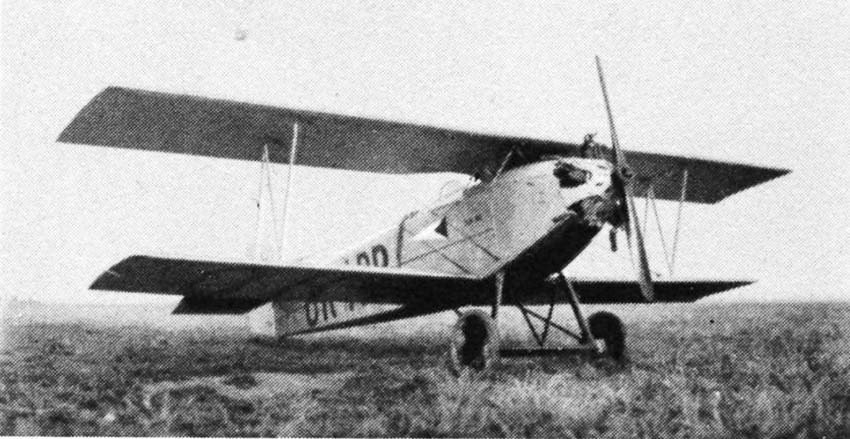 BH-20 |
ArchivoAéreo Editorial Team
A group of aviation researchers and enthusiasts dedicated to documenting and preserving global aeronautical history. All articles are reviewed to ensure historical accuracy.
Sources & Accuracy
The information presented in this technical sheet has been compiled from declassified flight manuals, historical archives, and specialized literature. While we strive for maximum accuracy, some performance data may vary depending on the specific variant or operational conditions.