BH-5
Origins and Design
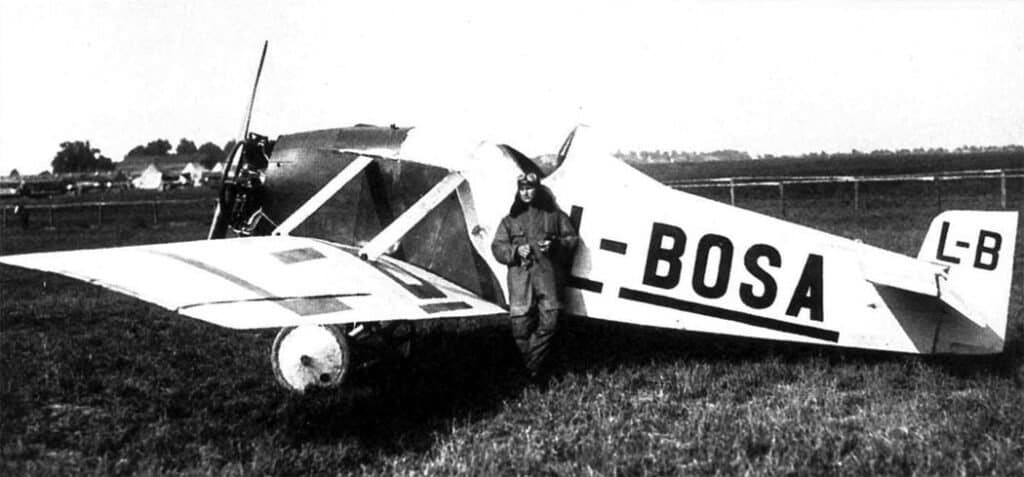
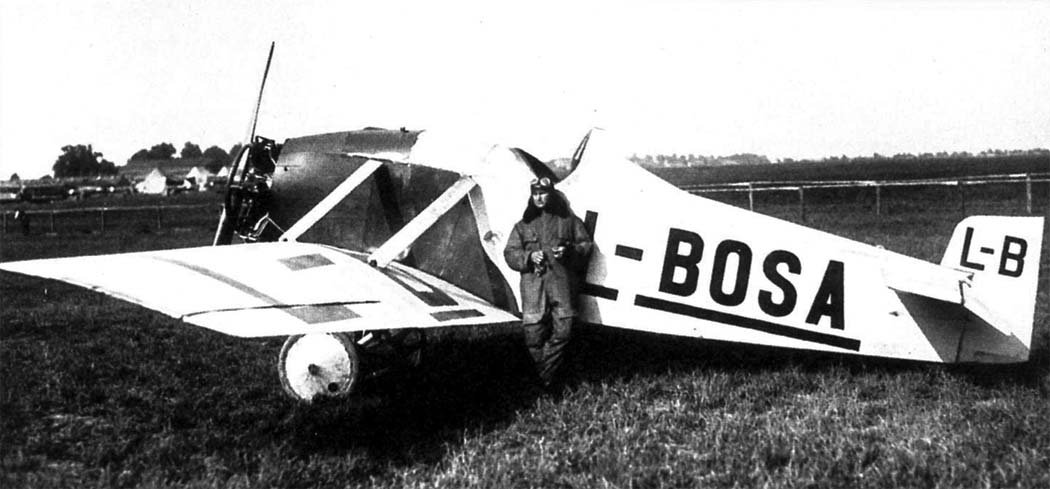
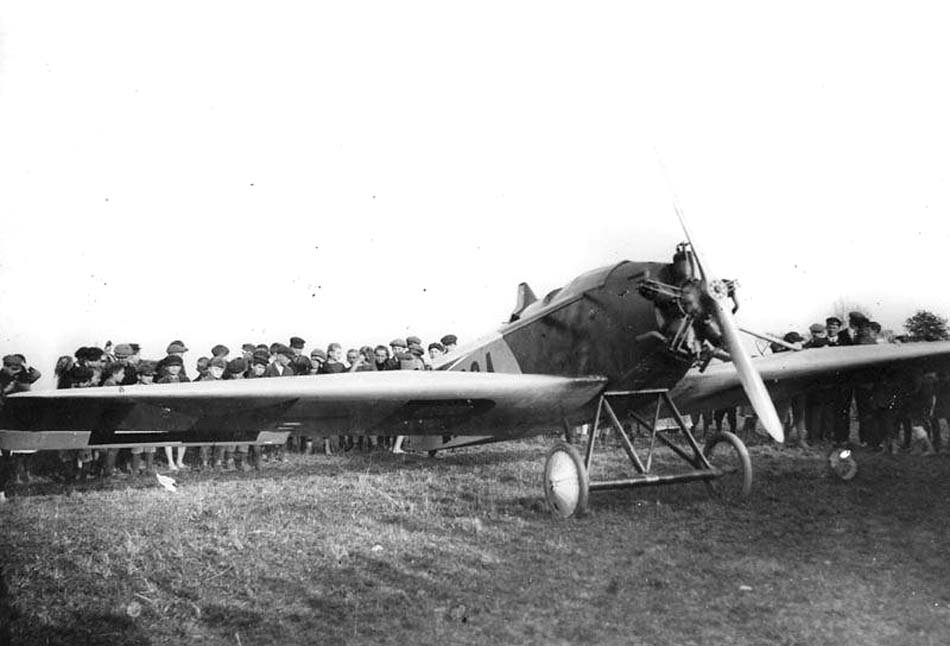
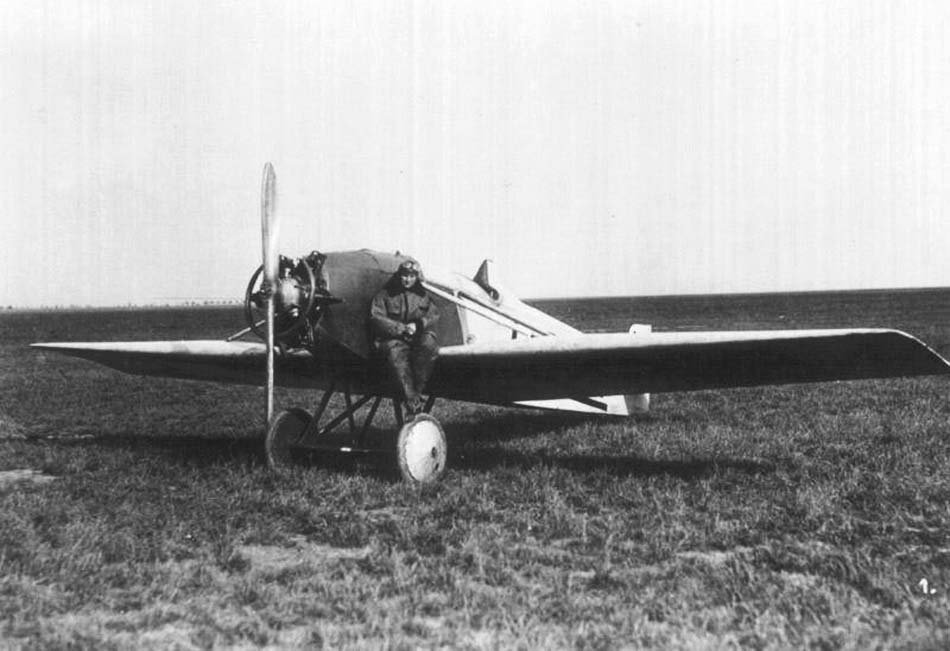
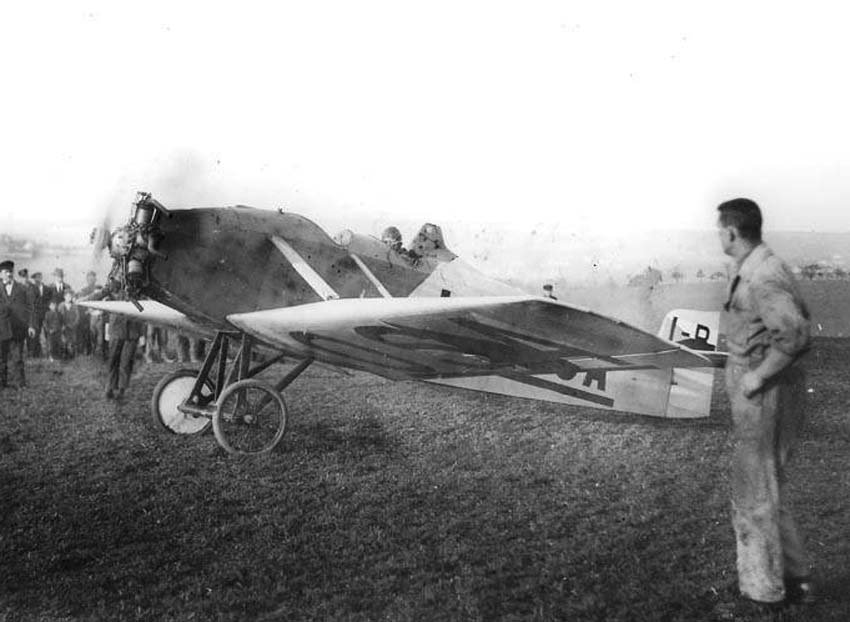
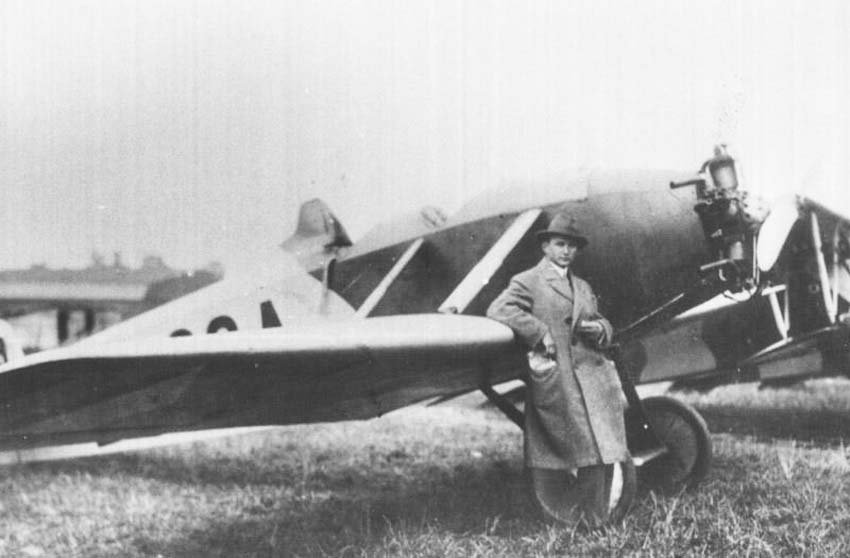
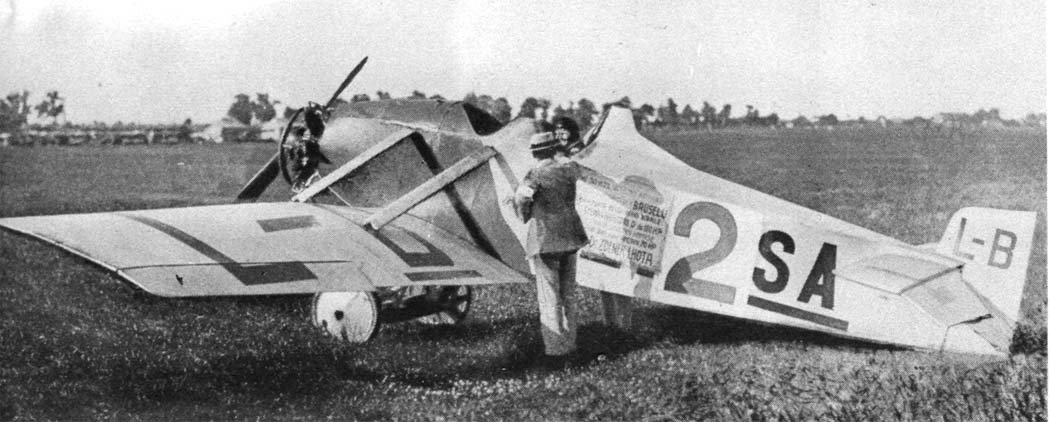
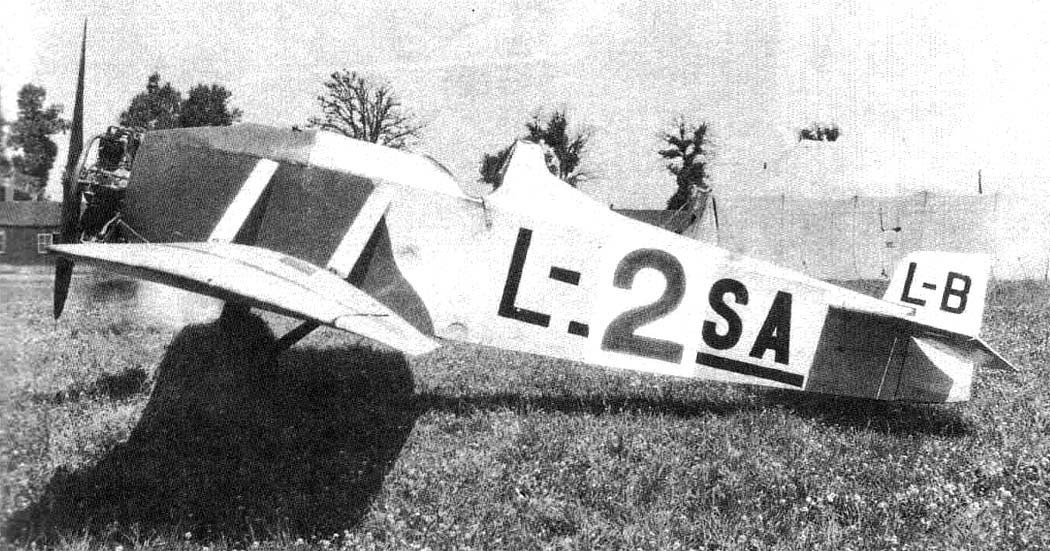
In the early 1920s, Pavel Beneš and Miroslav Hajn developed the BH-5, a light sport aircraft based on the BH-1. Its inaugural flight took place on June 14, 1923. This two-seater was a wooden low-wing monoplane, featuring a strut-braced wing for structural integrity.
Initially, the BH-5 was powered by a 70 hp (52 kW) Anzani 6A3 engine. This was later replaced by a 60 hp Czechoslovak Walter NZ-60 engine, showcasing national engineering capabilities.
Competitive Success and Military Interest
The year 1923 proved highly successful for the BH-5 (registered L-BOSA) in various competitions. In Belgium, it secured first place in the Brussels aviation construction contest and earned a special prize from the King of Belgium. That same year, it also won first place in its class at the Czechoslovak President’s Prize competition.
Following these notable achievements, military authorities expressed interest in the aircraft. This led to a commission for the development of a training aircraft, the BH-9, based on the successful BH-5 design.
Modern Legacy
The legacy of the BH-5 continues to this day. In June 2007, aviation enthusiast Marcel Sezemský meticulously constructed an exact replica of the aircraft, which received the civilian registration OK-BOS, bringing this piece of aviation history back to life.
Technical Specifications
| Modification | BH-5 |
| Wingspan, m | 9.70 |
| Aircraft length, m | 6.56 |
| Wing area, m2 | 13.50 |
| Empty weight | 337 |
| Maximum takeoff weight | 575 |
| Engine type | 1 Piston engine Anzani 6A3 |
| Power, hp | 1 x 70 |
| Maximum speed, km/h | 150 |
| Cruising speed, km/h | 135 |
| Practical range, km | 480 |
| Rate of climb, m/min | 150 |
| Crew | 2 |
Image and diagram gallery of the BH-5
 VN-5 |
 VN-5 |
 VN-5 |
 VN-5 |
 VN-5 |
 VN-5 |
 VN-5 |
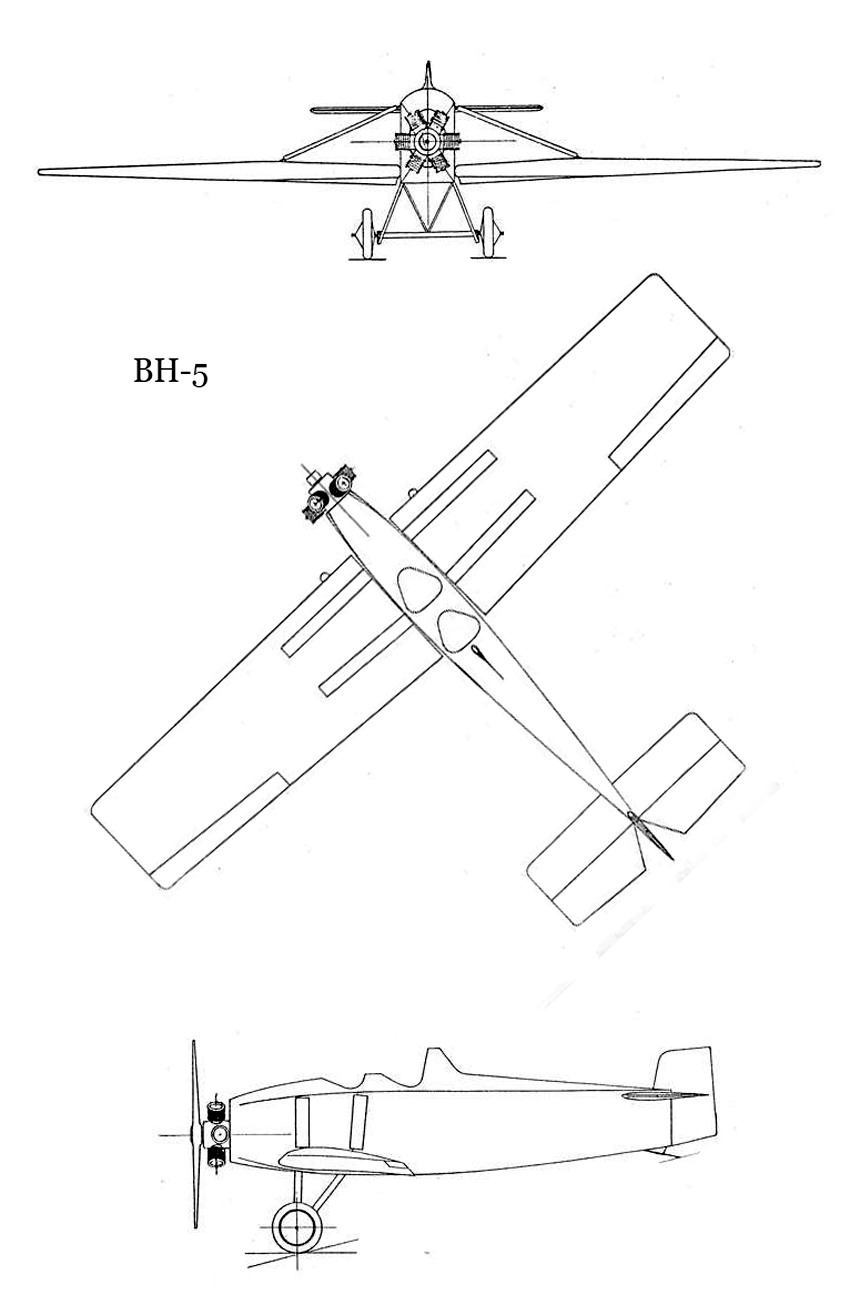 VN-5 |
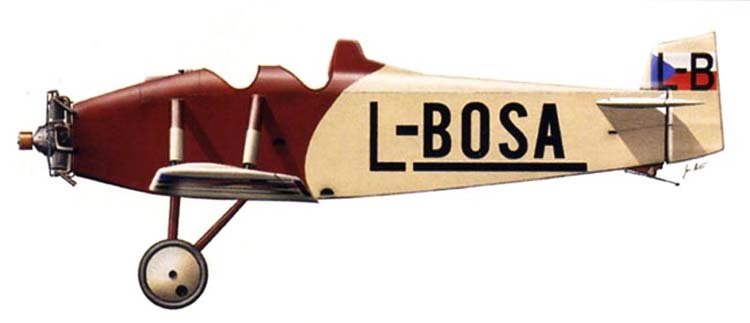 VN-5 |
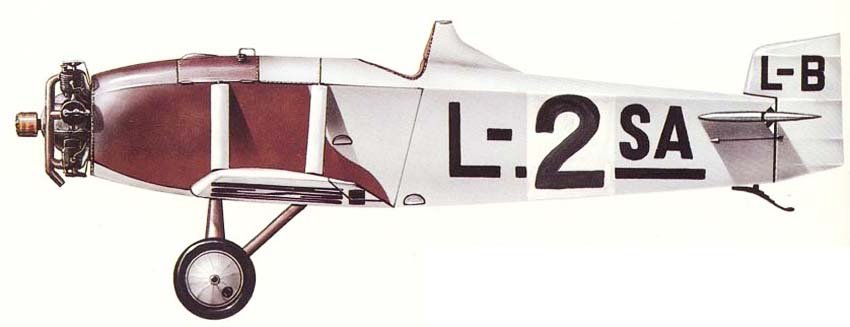 VN-5 |
ArchivoAéreo Editorial Team
A group of aviation researchers and enthusiasts dedicated to documenting and preserving global aeronautical history. All articles are reviewed to ensure historical accuracy.
Sources & Accuracy
The information presented in this technical sheet has been compiled from declassified flight manuals, historical archives, and specialized literature. While we strive for maximum accuracy, some performance data may vary depending on the specific variant or operational conditions.