BICH-16
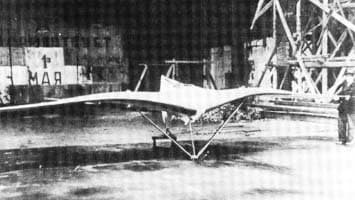
Design and Structure
The BICH-16 glider-ornithopter was designed as a “flying wing.” Its left and right wing sections were movable, connected by hinges. Hinged to the outer ends of the wing spars were the spars of the propelling or flapping blades. Elevators, which also functioned as ailerons, were located on the wing’s trailing edge.
At the center of the structure, underneath, was a landing skid-spring, with a small keel at the rear. This unique design aimed to optimize lift and propulsion through flapping motion.
Operation and Control
To operate the BICH-16, the pilot stood vertically on the skid, then secured themselves, with their hands positioned on the control system. The flapping movements of the wing were powered by the pilot’s leg strength, achieved through squatting and subsequent straightening. This innovative human-powered mechanism highlights the experimental nature of the design, pushing the boundaries of early aviation.
Production and Legacy
The BICH-16 was included in the GUAP plan for 1934 and was manufactured at Aviation Plant No. 39 in December of that year. Despite its production, no information regarding flight tests has been discovered. This lack of flight test data leaves questions about the BICH-16’s actual performance and its potential impact on ornithopter development.
Technical Specifications
| Modification | BICH-16 |
| Wingspan, m | 8.14 |
| Length, m | 2.28 |
| Crew, чел | 1 |
Image and diagram gallery of the BICH-16
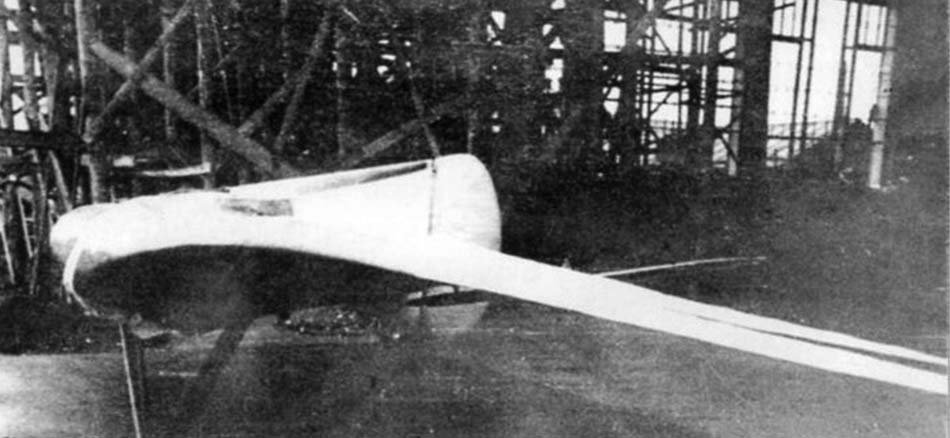 BICH-16 |
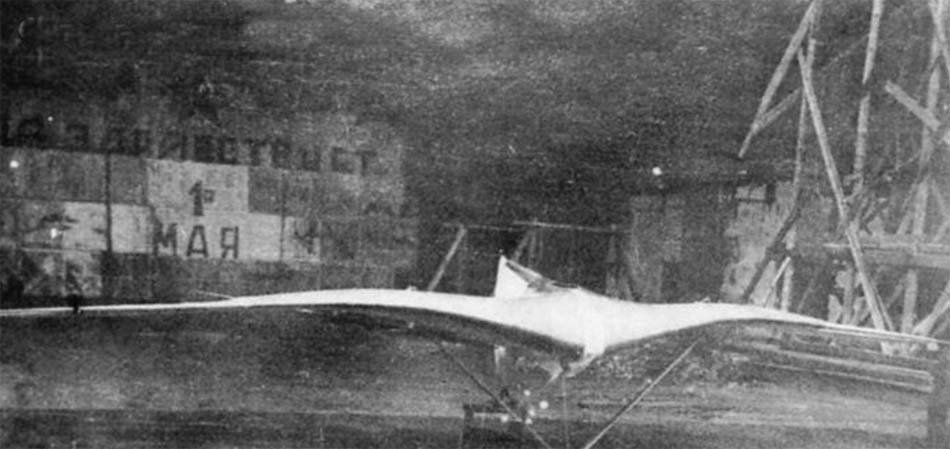 BICH-16 |
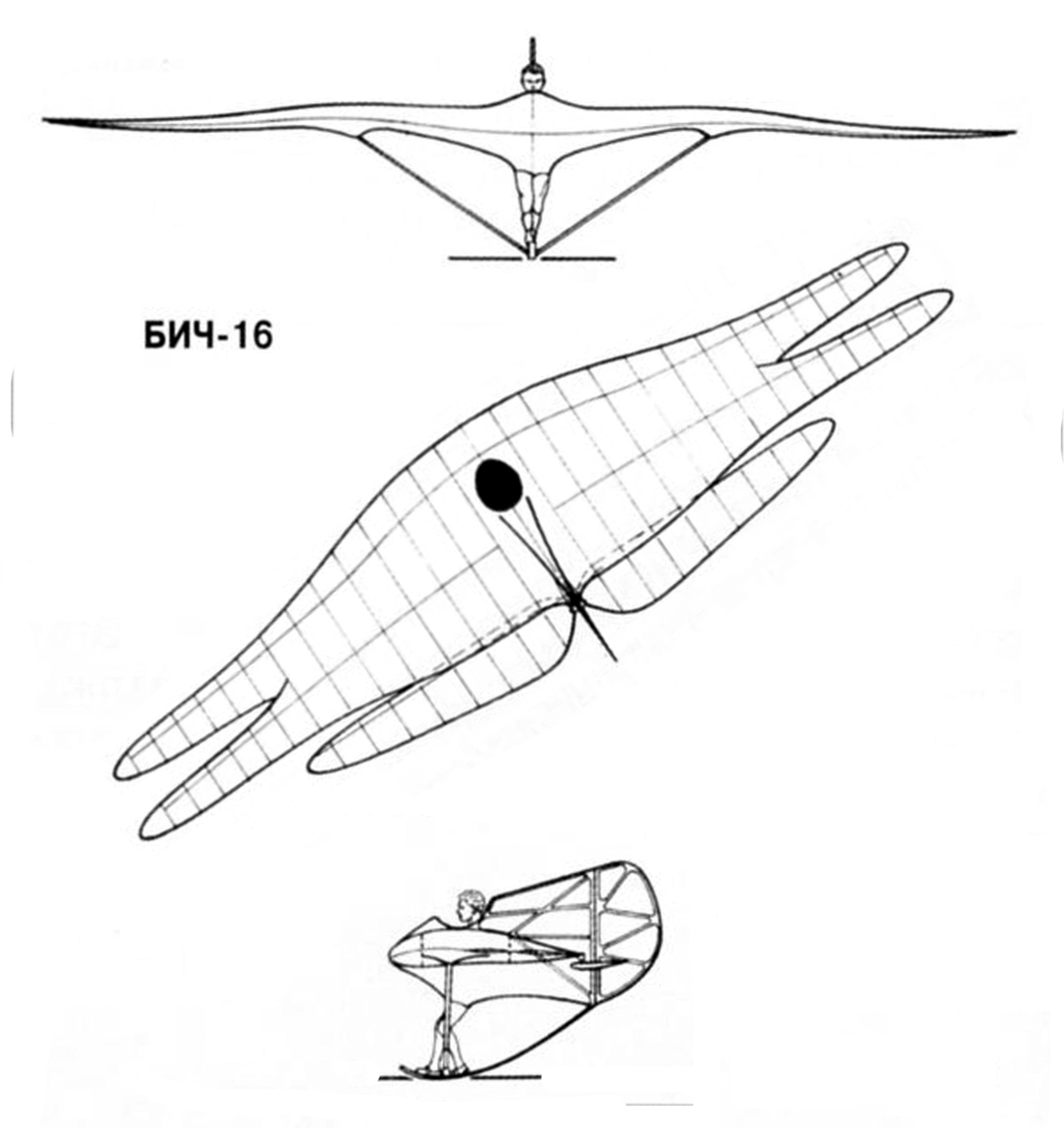 BICH-16 |
ArchivoAéreo Editorial Team
A group of aviation researchers and enthusiasts dedicated to documenting and preserving global aeronautical history. All articles are reviewed to ensure historical accuracy.
Sources & Accuracy
The information presented in this technical sheet has been compiled from declassified flight manuals, historical archives, and specialized literature. While we strive for maximum accuracy, some performance data may vary depending on the specific variant or operational conditions.