BiS-2
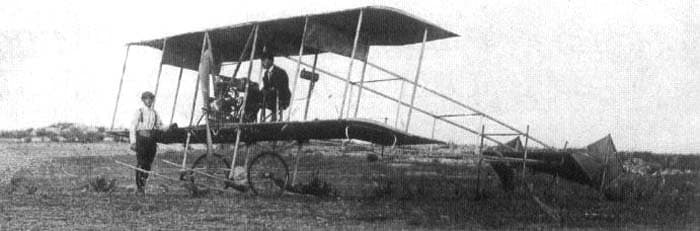
Igor Sikorsky analyzed the reasons for the unsatisfactory performance of the BiS-1 aircraft. The main cause was a lack of power, but the pusher propeller design was likely also at fault, as it was shaded by the airframe and operated with low efficiency. Additionally, placing the engine behind the pilot carried severe consequences in the event of an accident, with the details of his teacher Ferber’s recent death fresh in his mind. The machine needed improvement.
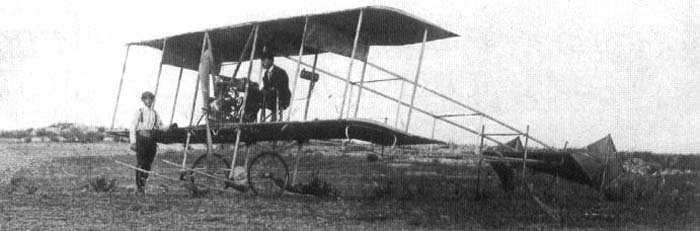
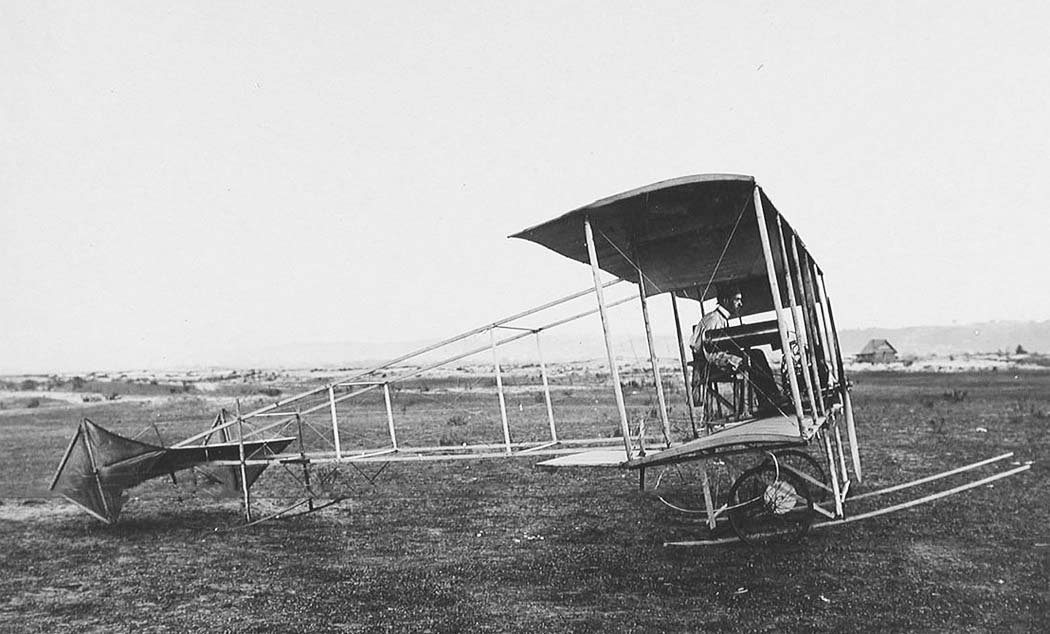
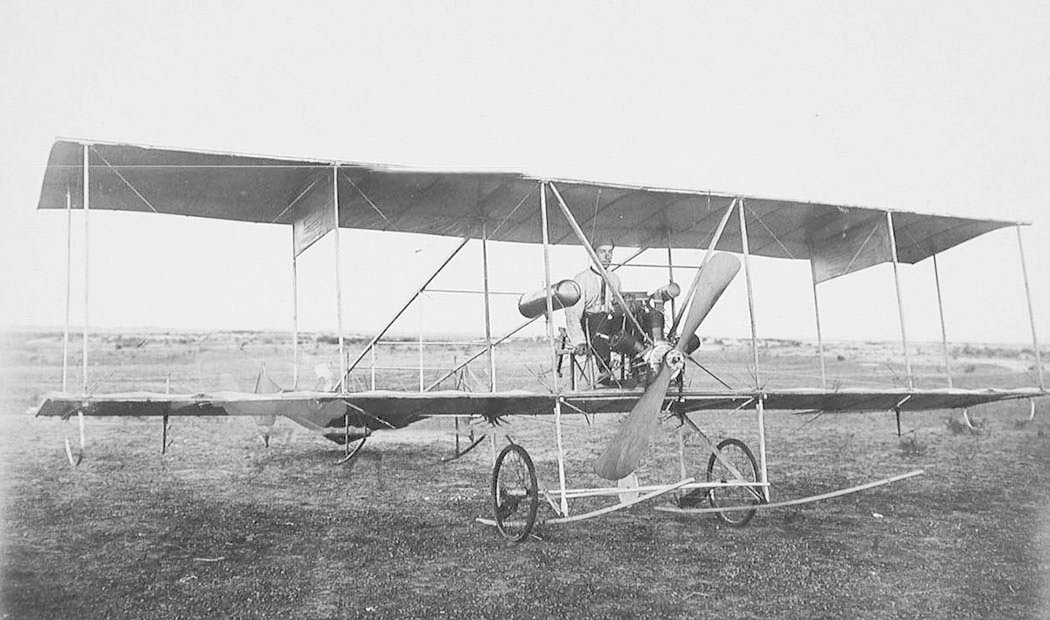
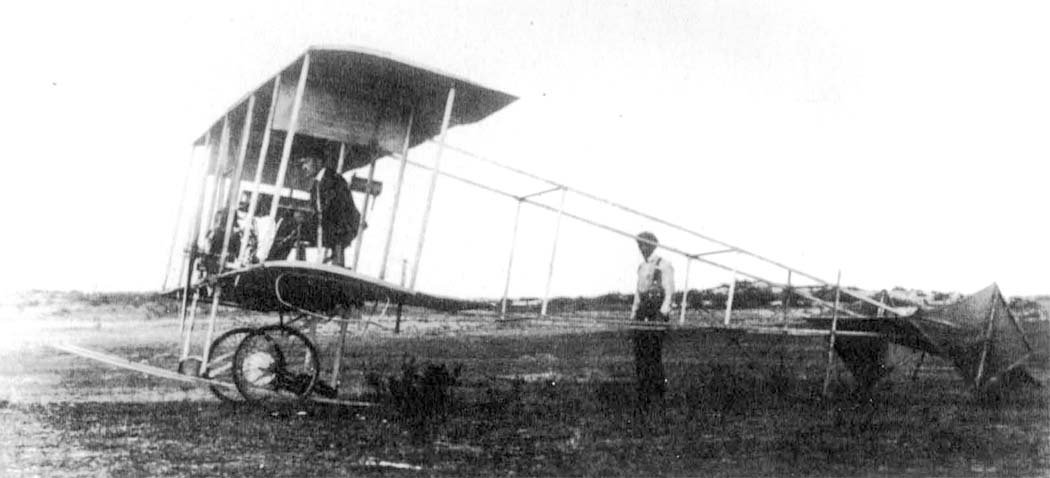
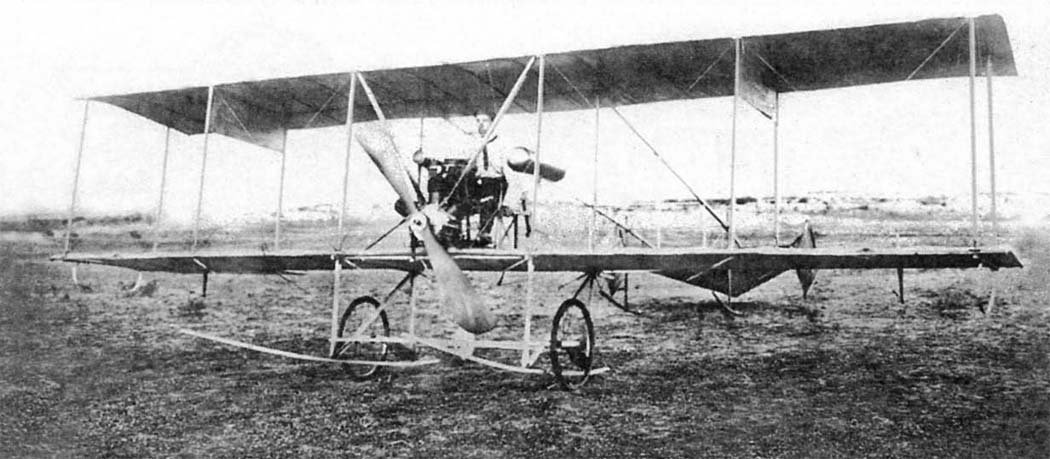
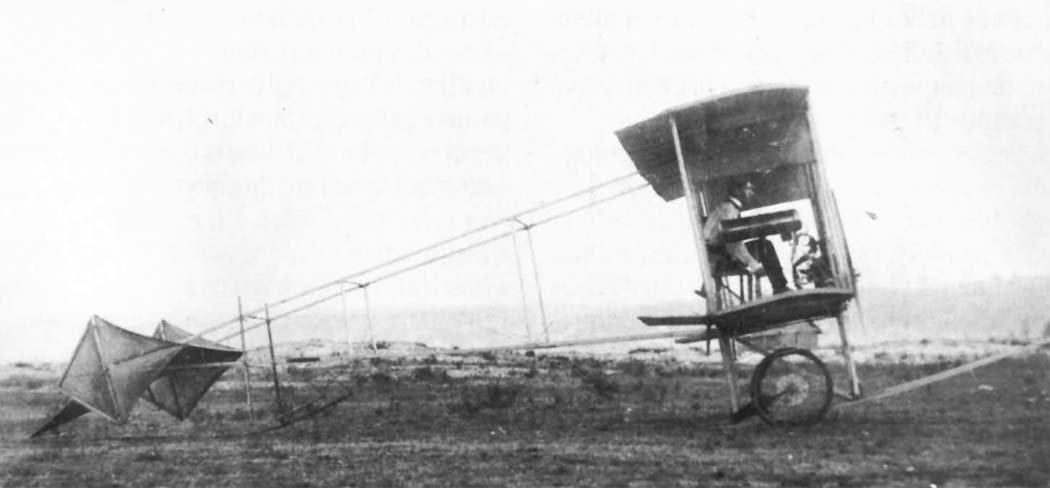
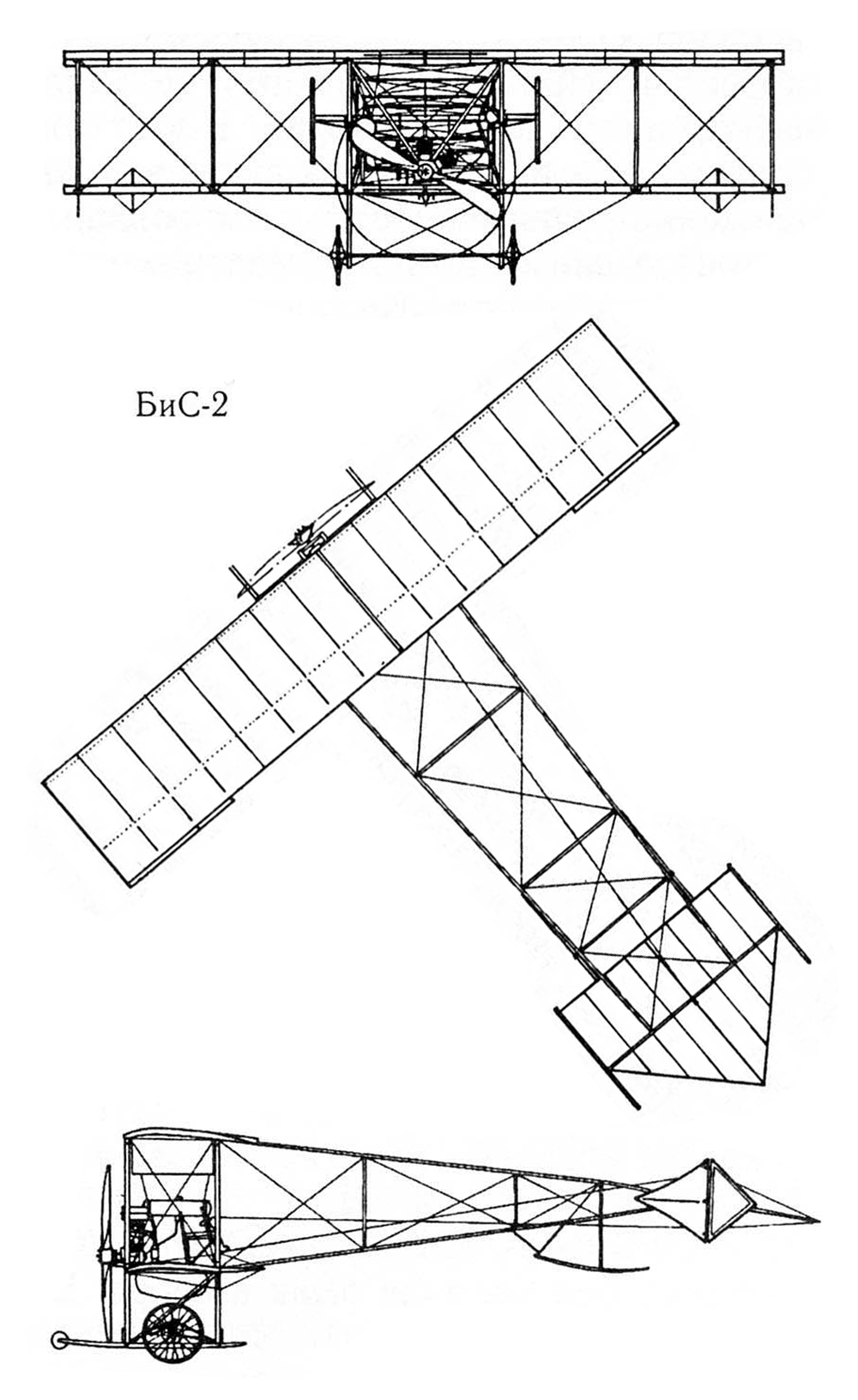
The aircraft’s dimensions were kept the same, but the BiS-2 featured four main modifications: a new reinforced center section, a 25-horsepower engine (removed from a now-unnecessary second helicopter), a propeller mounted forward 10 cm from the wing’s leading edge, and a vertical tail unit consisting of two rhomboid surfaces that improved directional stability. The landing gear was also strengthened, and the pilot’s seat was located behind the engine. Aircraft of that era were fragile creations, and placing the engine behind the pilot posed a real danger. Sikorsky learned from the bitter experience of crashes of the time, a lesson that would save his life in the future.
Three weeks of intense, dawn-to-dusk work, and the aircraft was ready. On June 2, 1910, the BiS-2 was rolled out of the hangar. While testing the engine, the tight blast from the propeller hit Sikorsky’s face, and he suddenly felt with his whole being—he understood—this machine would fly. Igor tested the aircraft several times on ground runs: the apparatus accelerated faster, reacted better to rudder inputs, and easily maintained direction. The rest of the day was spent on inspection and adjustment. The next day was to be the first flight. Late that evening, before heading home, all participants in the construction traditionally gathered around a campfire near the hangar and, as always, discussed their affairs. The BiS-2 stood nearby, ready for takeoff.
The Historic First Flight
The morning of June 3, 1910, in Kyiv was quiet and cloudless, with a light breeze. The entire team was assembled. The BiS-2 was rolled out of the hangar. Igor took the pilot’s seat. “Contact!” The engine started immediately. After warming up, the pilot gave full throttle. Three people barely restrained the machine, eager to take to the sky. On command, they released the airplane.
There were no instruments on board. The pilot sensed speed by the oncoming airflow. This time, the machine’s speed was significantly greater than in previous takeoff attempts. The tail was already lifted. A smooth pull on the stick—and the airplane was airborne. Sikorsky concentrated all his attention on controlling the machine, as he had only flown as a passenger before. Carefully manipulating the controls, the pilot tested the effectiveness of the rudders and continued to fly the aircraft a meter above the ground.
The seconds of flight felt like an eternity. Then the apparatus touched down and rolled. Igor switched off the ignition. After a complete stop, he realized—it was done! He had finally made his first solo flight, and the aircraft was of his own design. Friends and chance witnesses ran to him, all excited, their admiration boundless. Sports commissioners from the Kyiv Aeronautics Society recorded: flight distance – 200 m, duration – 12 s, height – 1 – 1.5 m. This was the second flight in Russia of a domestically designed aircraft. (The first was the airplane of Prince A.S. Kudashev, and the third was the airplane of Russian engineer Y.M. Gakkel.)
Success did not go to the young pilot’s head. First and foremost, he tried to analyze the flight in detail, comparing his sensations with the impressions of eyewitnesses. In a sense, he conducted the first post-flight debriefing. This helped him reconcile his own estimates of flight height with the actual height, the general behavior of the apparatus, and draw appropriate conclusions. After all, no one could tell him what to do in flight at the right moment, and he could only move forward by trial and error. Naturally, he wanted to make as few errors as possible.
The next day, Sikorsky taxied the BiS-2 to the start with greater confidence, this time determined to fly a greater distance. After the run-up, the plane easily lifted off the ground and rose to a height of about 3 m, but then suddenly began to descend and flopped heavily to the ground. This continued with every attempt to gain greater altitude. Once, Igor held the aircraft on its takeoff run a little longer, then smoothly pulled the stick back. The ascent was quick and, as observers said, higher than a four-story building. But then the descent began again, and the pilot could do nothing to stop it. This time the landing was rough, the landing gear absorbed the impact, and the next moment the aircraft nosed over. The propeller shattered into pieces. Despite the damage, the pilot was again completely happy and intoxicated by the height achieved.
BiS-2 Improvements and Challenges
Analyzing the flight results, Sikorsky could not understand why the aircraft’s behavior was so different near the ground and a few meters above it. He did not yet know about the existence of the ground effect, but nevertheless made the correct conclusion and improved the wing’s lift characteristics by replacing the fabric on the wings with a denser one and coating it with varnish. Other minor modifications were also made.
While the BiS-2 was being refined, preparations were in full swing for the first flight of F.I. Bylinkin’s monoplane (also a BiS). Finally, by mid-June, the apparatus was ready, and Sikorsky made a straight flight in it. “Kiyevlyanin” (1910, No. 165) reported: “June 16, 1910, at 5 AM, the first flight of the first Russian monoplane BiS, piloted by I.I. Sikorsky over Kurenevka. Height 12-15 meters.” Well, admittedly, the height in the report was clearly exaggerated, but in all other respects, it was true.
The Crash and Lessons Learned
On June 9, 1910, the BiS-2 was ready for flight again. After takeoff, the pilot climbed to 4 m and tried to hold the machine at that altitude. To Sikorsky’s surprise, the aircraft did not lose height and continued to fly in a straight line. For the first time, the pilot felt that he was in complete control of the machine; it obeyed the controls and was ready to carry its master for as long as he desired. Igor landed the machine at the other end of the airfield and was happy with the sensation of flight.
Another flight followed, dozens more seconds of delight – the strong blast from the propeller, the grass flashing below, the huts of Kurenevka ahead, a lightness throughout the body, and an extraordinary sense of space. The test pilot was ready for a circular flight, but the size of the field did not permit it. To make a normal circular flight, one needed to fly over a ravine about 8 m deep, turn over the field, then cross a stream, and return to the starting point. On the afternoon of June 10, 1910, it was decided to attempt a circular flight.
The aircraft easily gained 7 m of altitude, crossed the entire field, and at its boundary, the pilot made a turn towards the ravine. The blast from the propeller, along with smoke from burnt castor oil and drops of oil, hit his face; his hands felt the elasticity of the controls of the obedient machine – all this created exhilaration and a feeling of happiness. The small aircraft smoothly glided over the plowed field, the engine rattling and steadily singing its song. There was the edge of the ravine. The pilot looked down – far below, reeds stirred on the marshy bottom. The height was breathtaking, and his soul swelled with joy.
However, it did not last long. New impressions distracted the pilot’s attention, and, engrossed in the turn, he did not immediately notice that the swamp was approaching. Sikorsky instinctively pushed the control stick, and this worsened the situation. The next moment, there was a crash: the BiS-2 hit the opposite slope of the ravine. The pilot was thrown from the cockpit and immediately covered by the wreckage of the apparatus. Fortunately, his friends were not far. They had come to the edge of the ravine before takeoff to get a closer look at the first turn and now witnessed the accident. To their surprise, the test pilot was unharmed, save for bruises and scratches. The aircraft, however, was completely destroyed and, along with the engine, reportedly beyond repair.
Analyzing the Setback
The remains of the aircraft and engine were carefully inspected. Everyone was perplexed, as they could not see the cause of the accident. Friends confirmed Igor’s feelings: the aircraft behaved normally, and the engine worked well until the very last moment. The exact cause of the accident became clear only a year later when experience and knowledge had been gained. The BiS-2, with its 25-horsepower engine and homemade propeller, even at maximum engine speed, could barely maintain horizontal flight at minimum speed.
Its takeoff, horizontal, and landing speeds were almost indistinguishable. A turn, however, required a power reserve. The situation was aggravated by the ravine with a cold swamp at its bottom, and over it, naturally, an air pocket formed. The combination of these unfavorable factors played a fatal role. The BiS-2 no longer existed. It had been in the air for a total of only 8 minutes. But during these minutes, a large amount of information was obtained that could now be used for the calculation, construction, and piloting of future aircraft. Igor now knew how to operate the controls during takeoff, in flight, and during landing, and he had outlined ways to improve his designs.
Technical Specifications
| Modification | BIS 2 |
| Wingspan, m | 8.00 |
| Length, m | 8.00 |
| Wing area, m2 | 24.00 |
| Empty weight | 190 |
| Maximum takeoff weight | 260 |
| Engine type | 1 Piston engine Anzani |
| Power, hp | 1 x 25 |
| Crew, crew members | 1 |
Image and diagram gallery of the BiS-2
 BIS-2 |
 BIS-2 |
 BIS-2 |
 BIS-2 |
 BIS-2 |
 BIS-2 |
 BIS-2 |
ArchivoAéreo Editorial Team
A group of aviation researchers and enthusiasts dedicated to documenting and preserving global aeronautical history. All articles are reviewed to ensure historical accuracy.
Sources & Accuracy
The information presented in this technical sheet has been compiled from declassified flight manuals, historical archives, and specialized literature. While we strive for maximum accuracy, some performance data may vary depending on the specific variant or operational conditions.