Blackburn First and Second Monoplanes
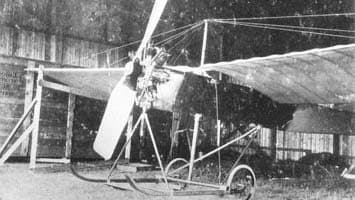
Robert Blackburn opted for the monoplane design in his early projects. None of the aircraft he created at that time actually received a clear designation, so the subsequent brief description is given in chronological order. His pioneering work laid the groundwork for his recognition as a leading aircraft engineer.
The Blackburn First Monoplane
Blackburn’s “First Monoplane,” equipped with a 35 hp Green inline engine, was constructed in April 1909. Despite its completion, this initial prototype never actually flew, marking a quiet start to the designer’s journey.
The Second Monoplane Takes Flight
The subsequent aircraft, the “Second Monoplane,” also referred to as the “Light Type Monoplane,” was fitted with a new and untested 40 hp Isaacson radial engine. This model successfully took to the air on March 8, 1911, from the sands at Filey, Yorkshire.
Remarkably, the “Second Monoplane” safely survived an accident and participated in several more flights. Its successful operations brought Blackburn recognition as a leading British aircraft designer.
Technical Specifications
| Modification | Second Monoplane |
| Wingspan, m | 9. 14 |
| Length, m | 9. 75 |
| Normal takeoff weight | 454 |
| Engine type | 1 Piston engine Isaacson |
| Power, hp | 1 x 40 |
| Maximum speed, km/h | 97 |
| Cruising speed, km/h | 75 |
| Crew, crew members | 1 |
Image and diagram gallery of the Blackburn First and Second Monoplanes
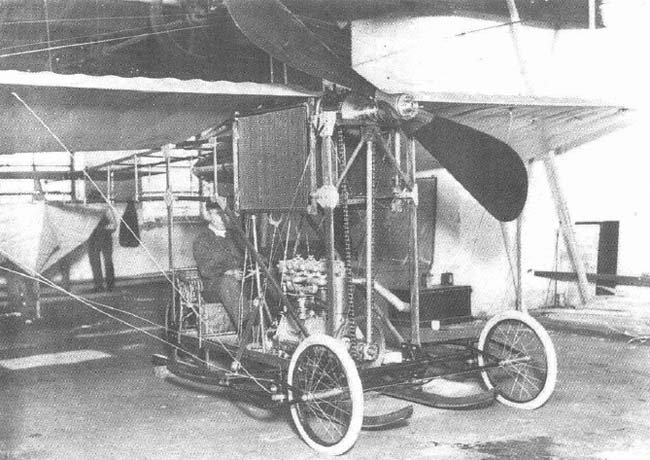 First(Second) Monoplane |
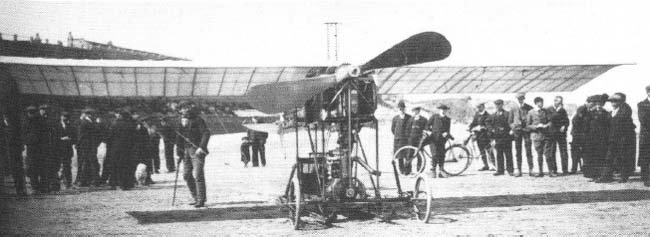 First(Second) Monoplane |
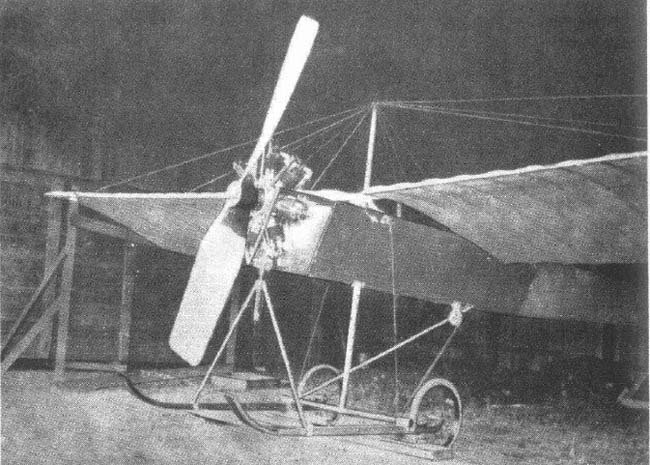 First(Second) Monoplane |
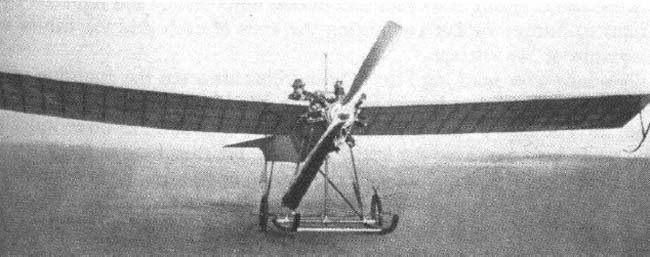 First(Second) Monoplane |
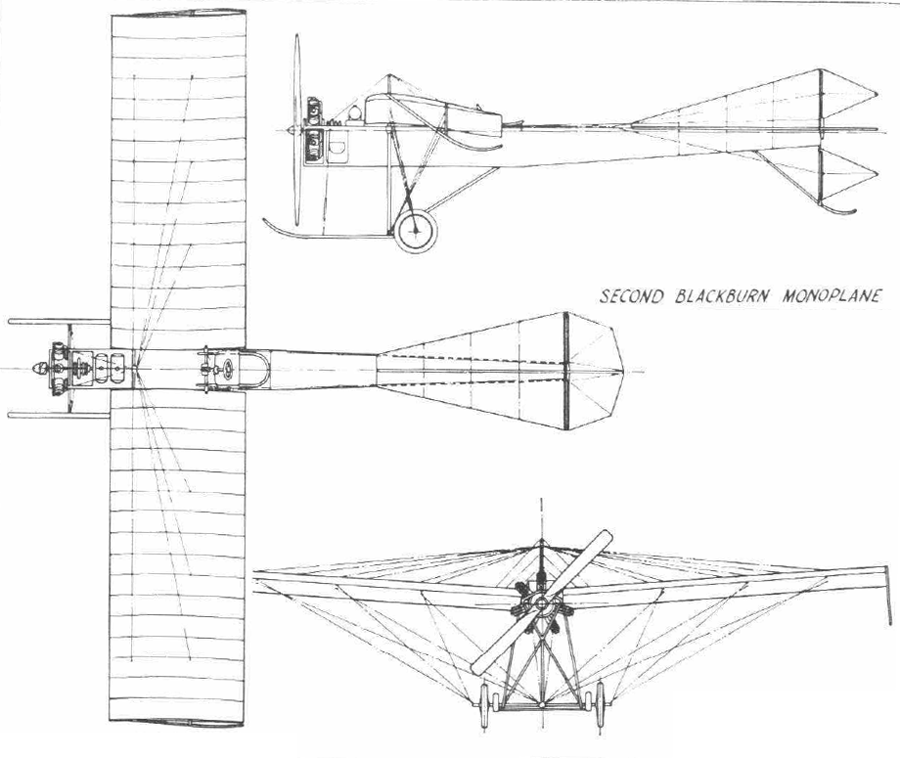 First(Second) Monoplane |
ArchivoAéreo Editorial Team
A group of aviation researchers and enthusiasts dedicated to documenting and preserving global aeronautical history. All articles are reviewed to ensure historical accuracy.
Sources & Accuracy
The information presented in this technical sheet has been compiled from declassified flight manuals, historical archives, and specialized literature. While we strive for maximum accuracy, some performance data may vary depending on the specific variant or operational conditions.