Blackburn Type I
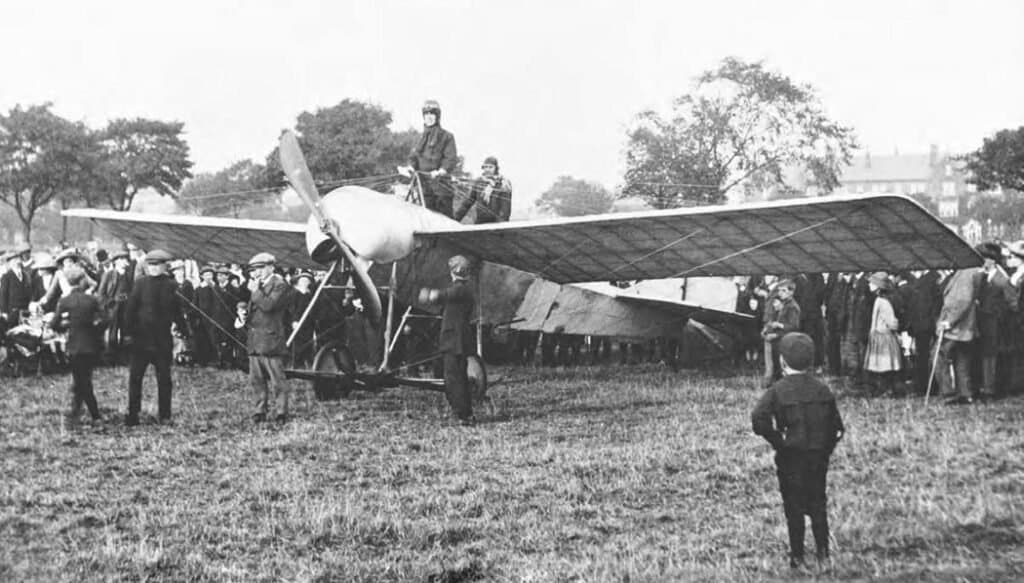
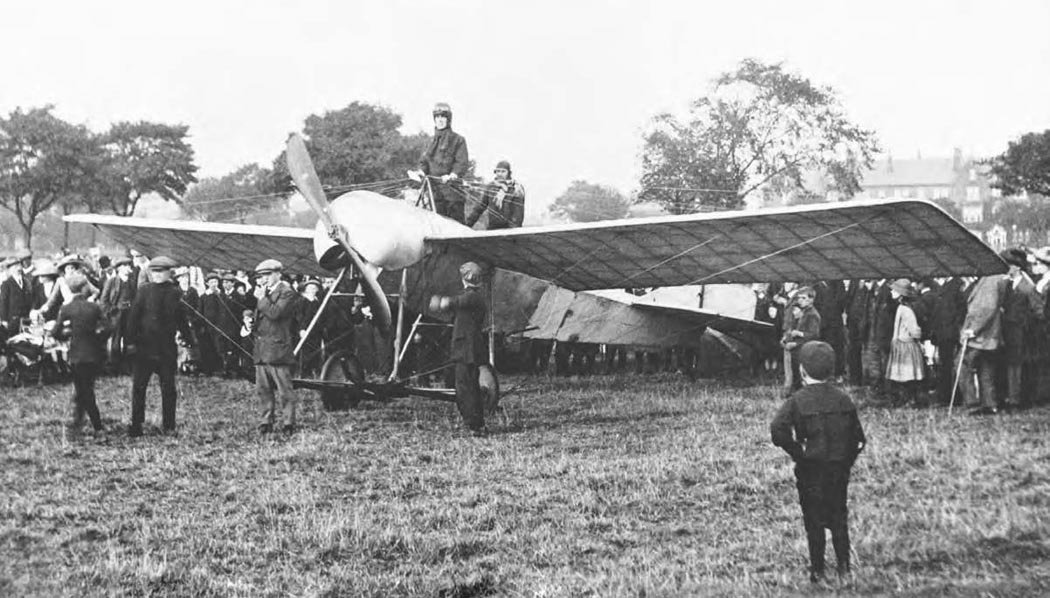
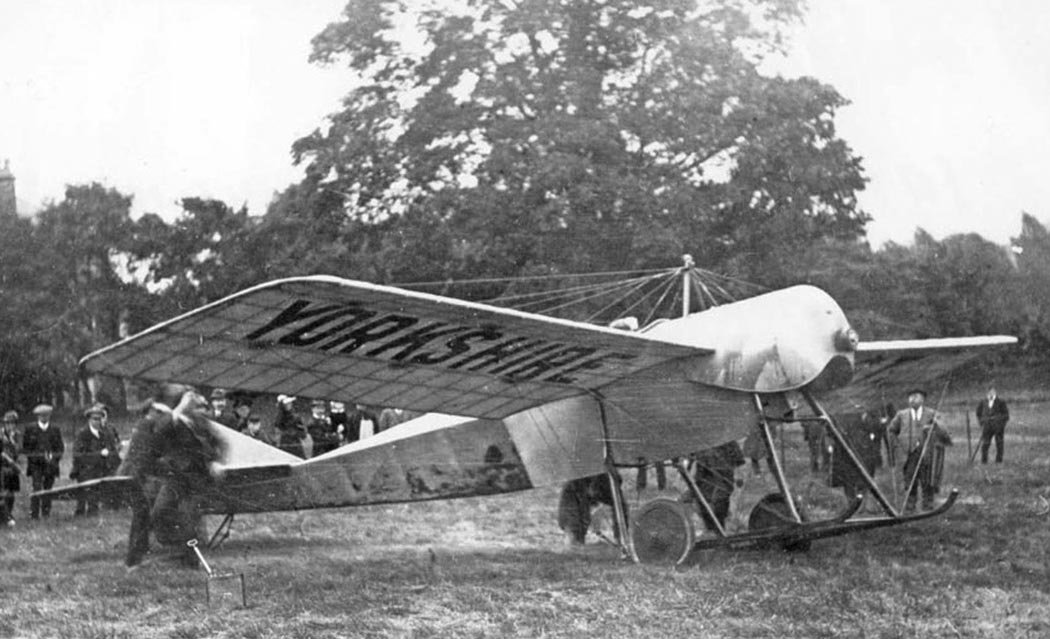
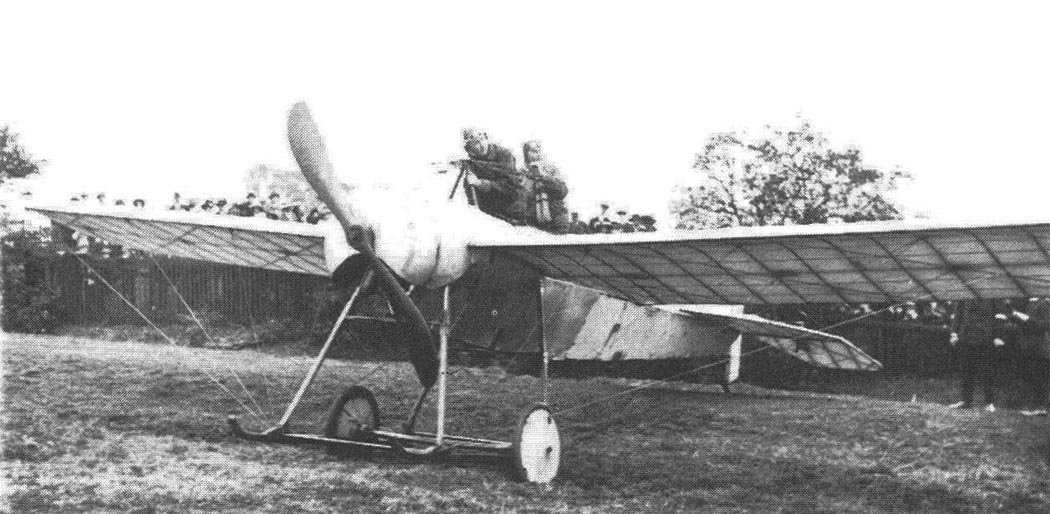
Continuing work on their project, Blackburn built a two-seater modification designated as the Type I. The new aircraft’s first flight took place in August 1913. Equipped with an 80 hp Gnome rotary engine, the Type I performed numerous flights, establishing its early operational history.
Evolution and Variants
This model was followed by another Type I, a single-seater aircraft with the same engine. An “improved” Type I also appeared, which frequently took to the air, contributing to the initial flight experience of the aircraft.
Transformation and Service
Over time, this very aircraft was converted into a training seaplane, fitted with an Anzani radial engine for the “Northern Aircraft Co.” It was utilized on Lake Windermere, where many pilots from the British Navy’s aviation school underwent basic training on this versatile “Land/Sea Monoplane.” The aircraft was eventually retired in April 1916.
Technical Specifications
| Modification | Type I |
| Wingspan, m | 11.58 |
| Length, m | 8.69 |
| Wing area, m2 | 23.40 |
| Empty weight | 430 |
| Normal takeoff weight | 680 |
| Engine type | 1 Piston engine Gnome et Rhone |
| Power, hp | 1 x 80 |
| Maximum speed, km/h | 113 |
| Cruising speed, km/h | 95 |
| Flight endurance, h.min | 4.00 |
| Maximum rate of climb, m/min | 216 |
| Crew, crew | 1-2 |
Image and diagram gallery of the Blackburn Type I
 Blackburn Type I |
 Blackburn Type I |
 Blackburn Type I |
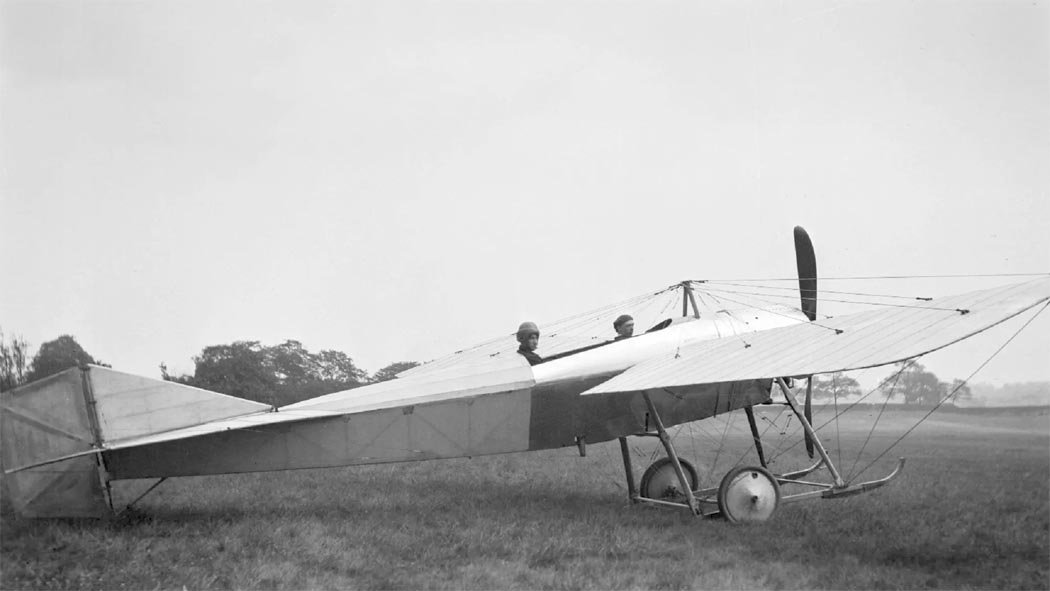 Blackburn Type I |
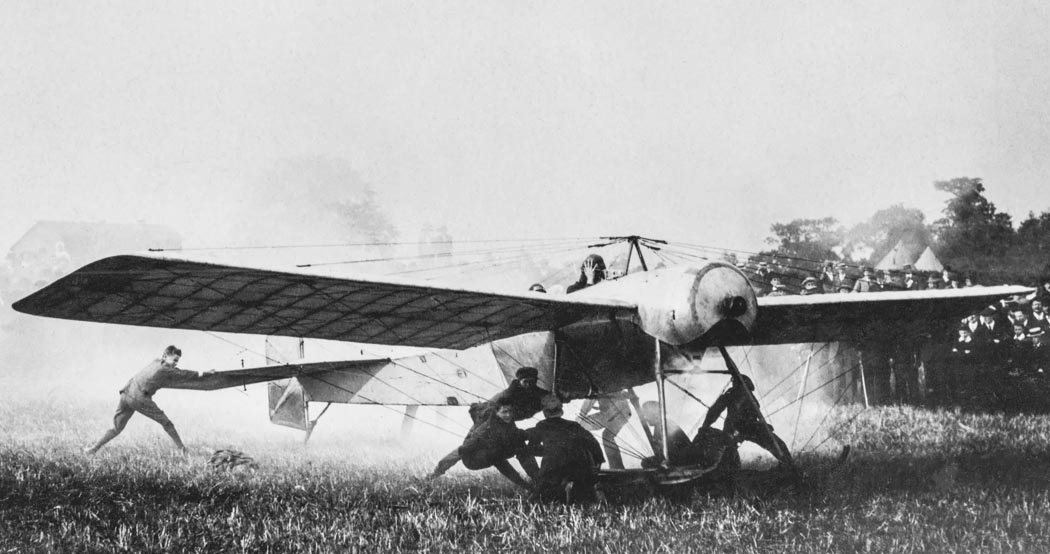 Blackburn Type I |
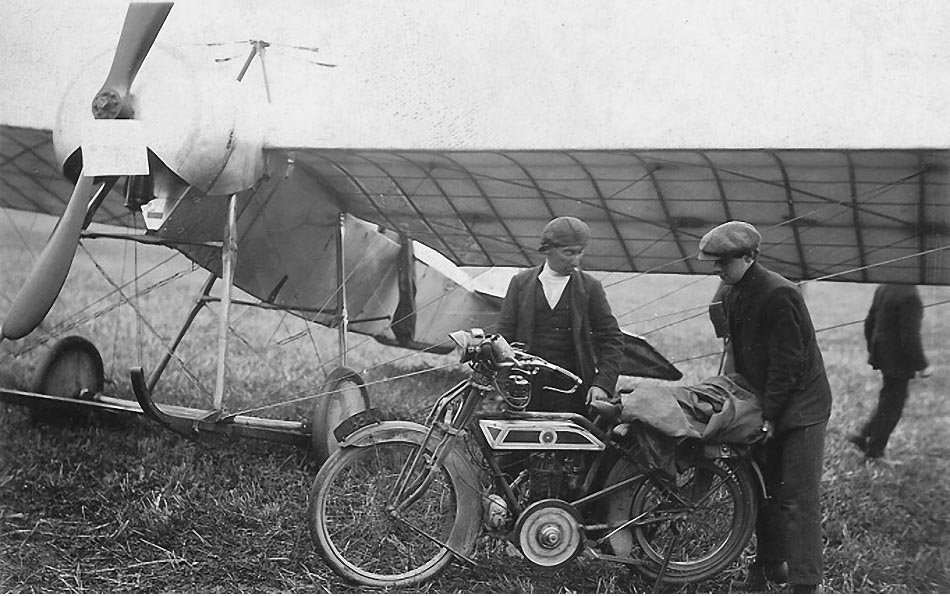 Blackburn Type I |
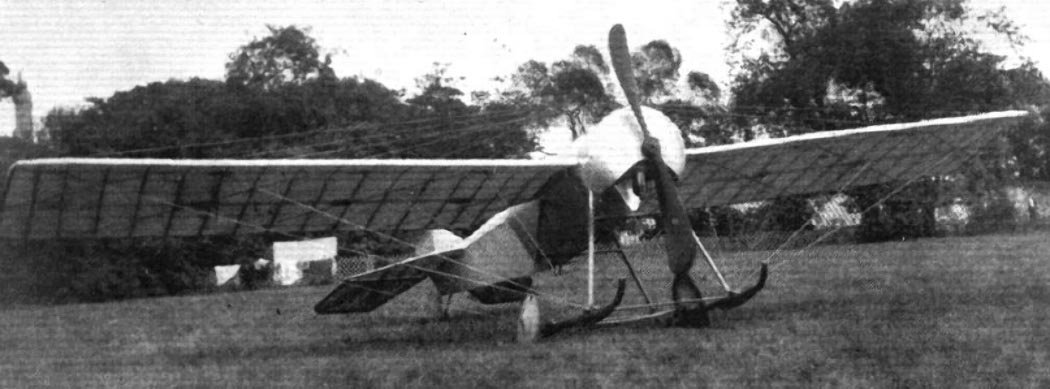 Blackburn Type I |
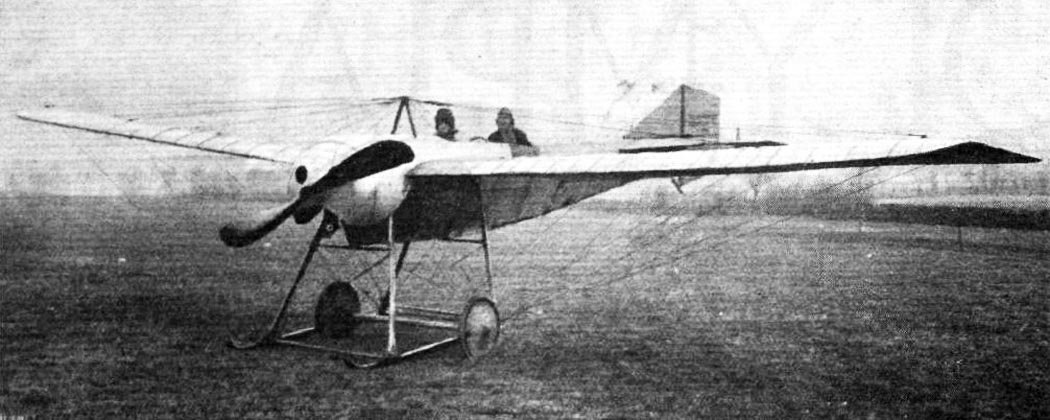 Blackburn Type I |
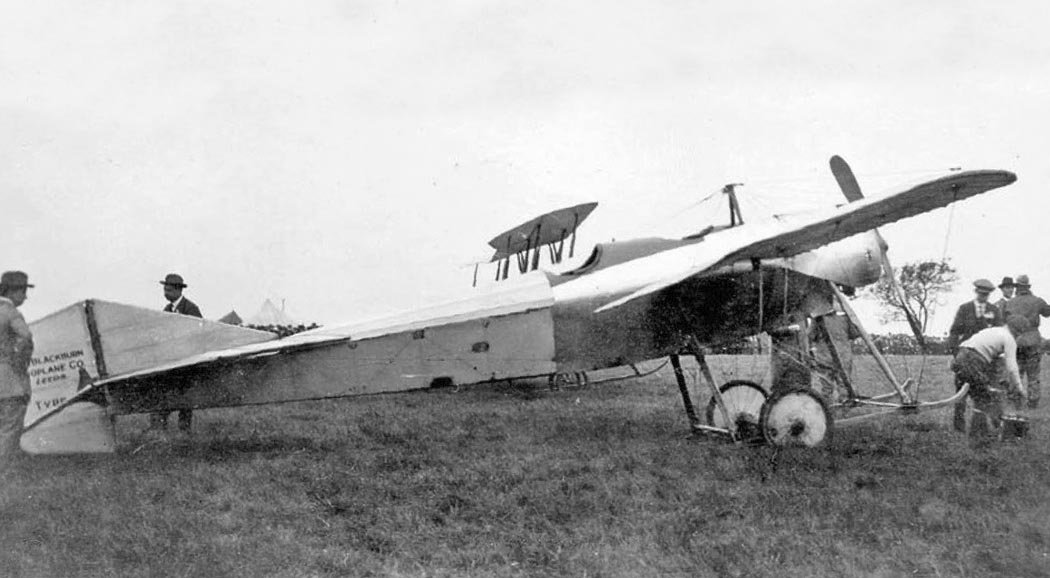 Blackburn Type I |
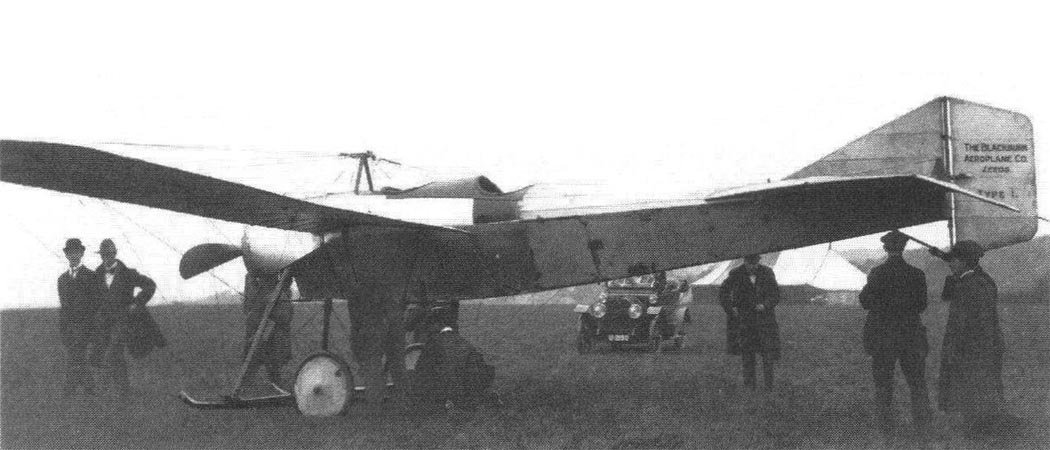 Blackburn Type I |
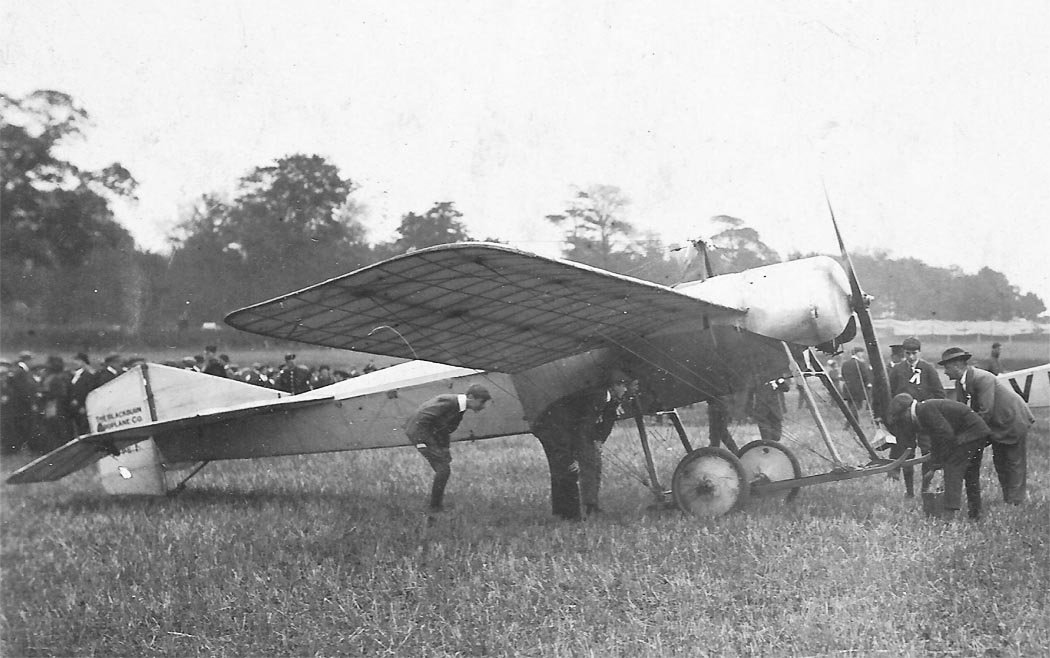 Blackburn Type I |
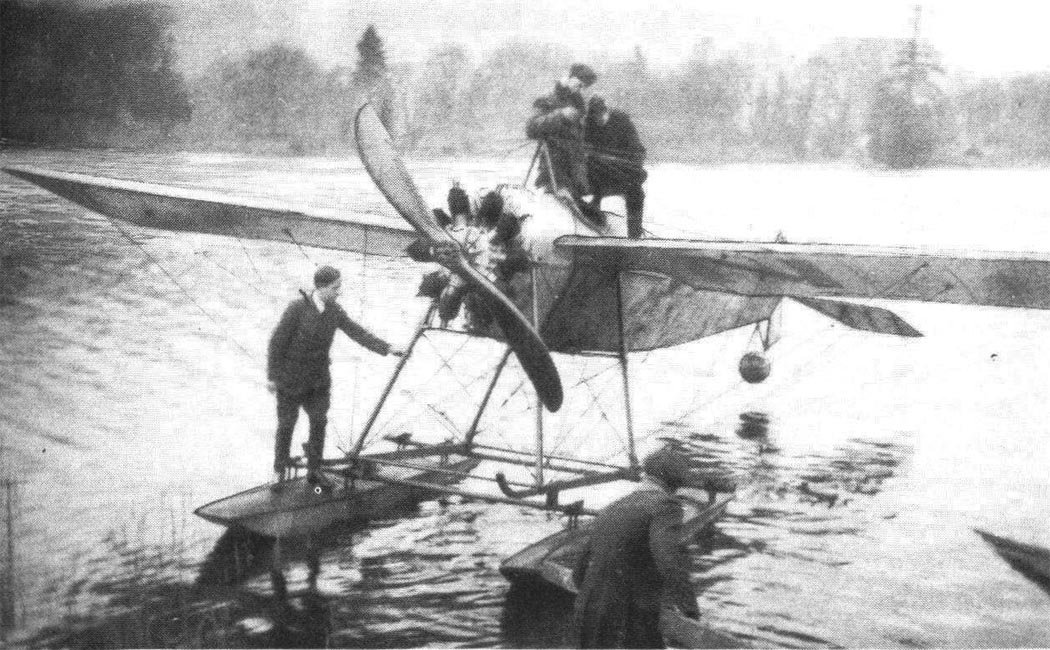 Blackburn Type I |
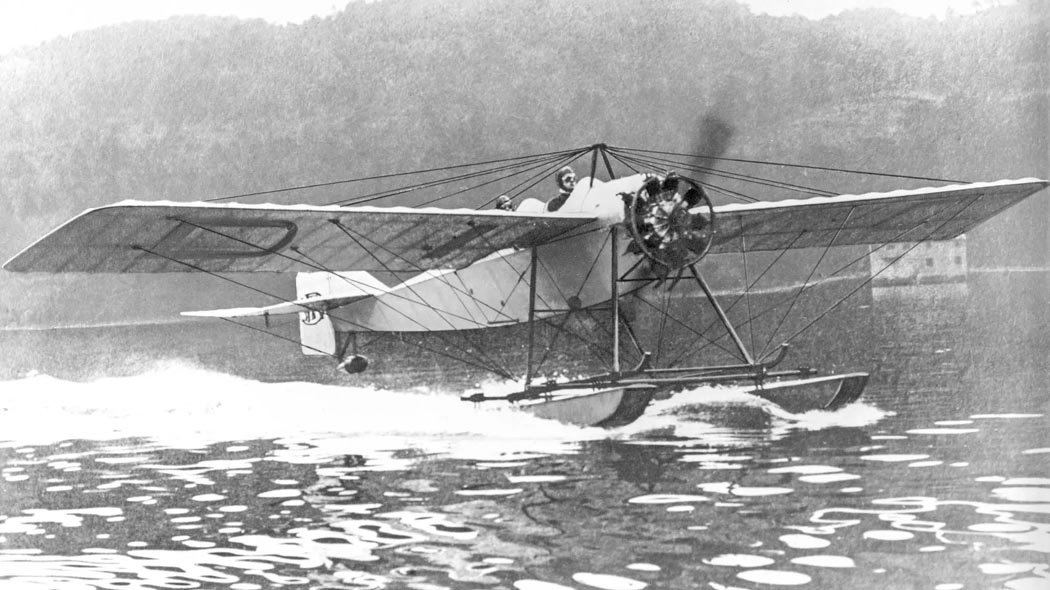 Blackburn Type I |
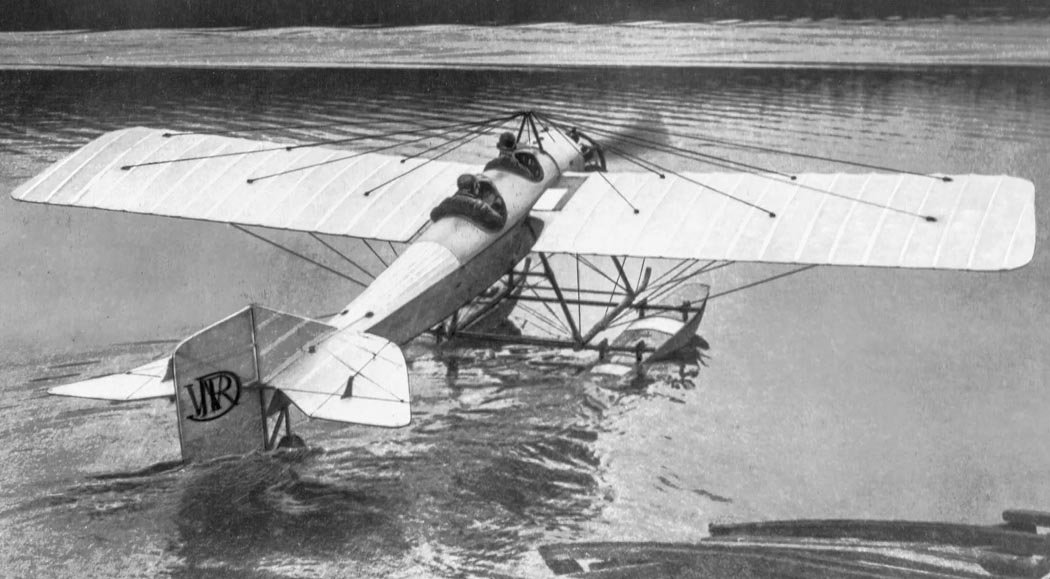 Blackburn Type I |
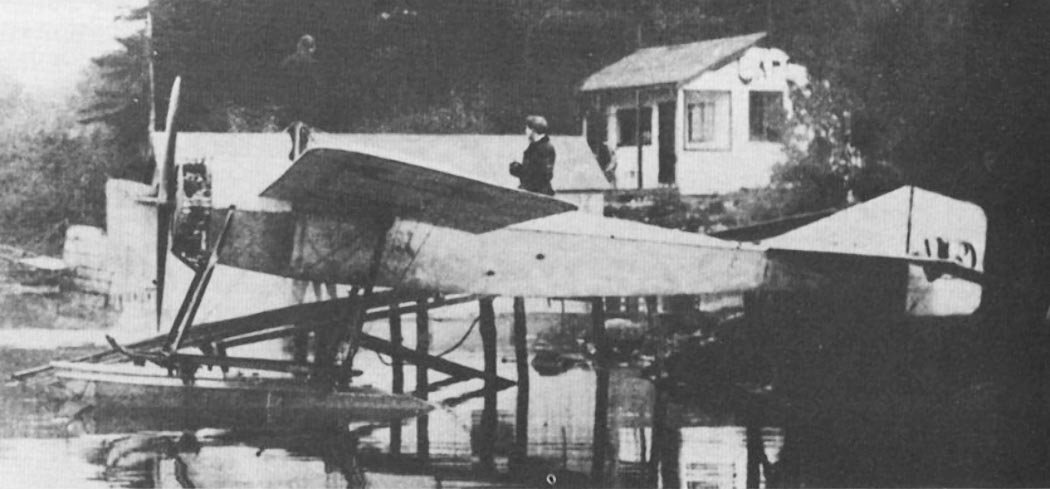 Blackburn Type I |
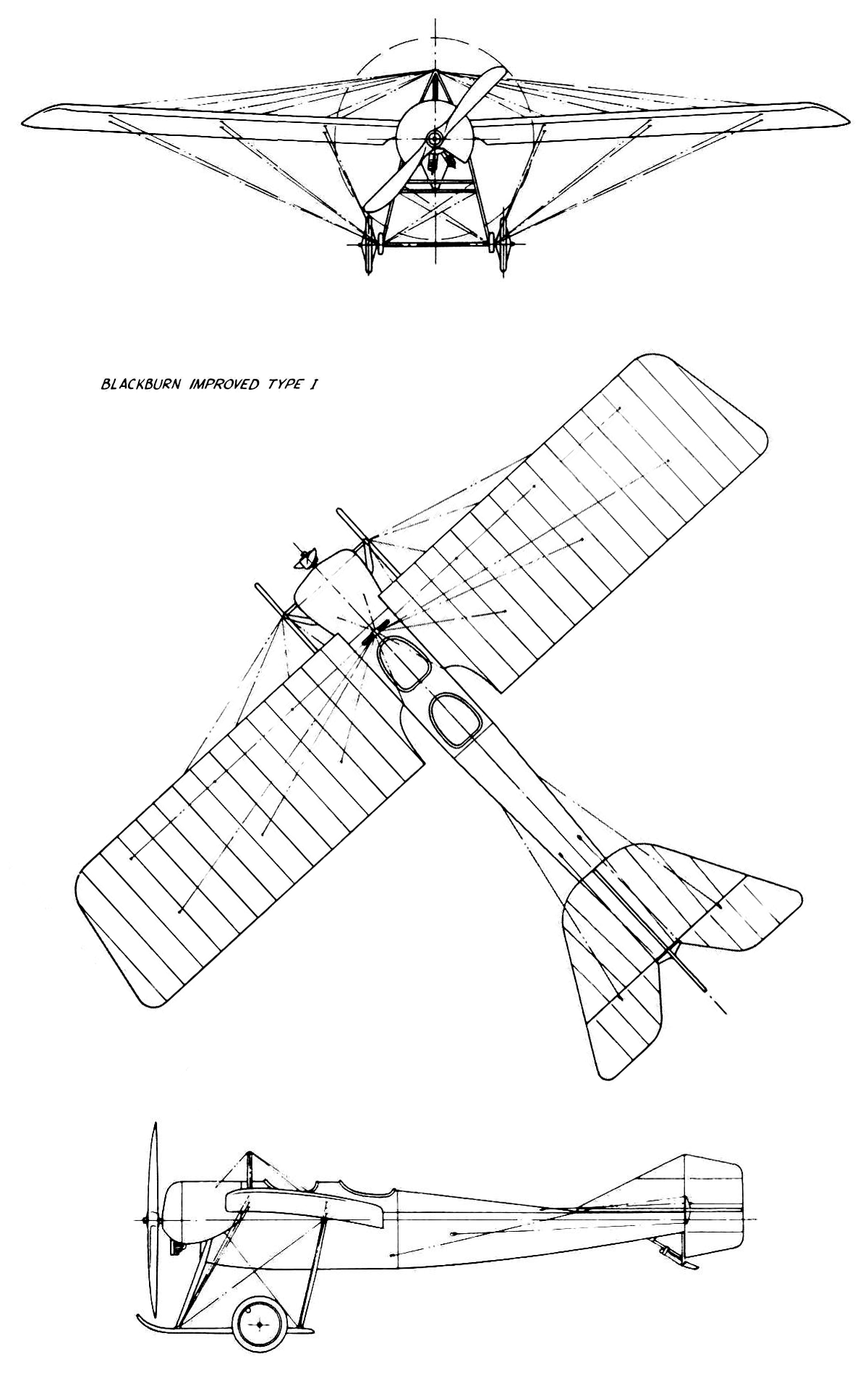 Blackburn Type I |
ArchivoAéreo Editorial Team
A group of aviation researchers and enthusiasts dedicated to documenting and preserving global aeronautical history. All articles are reviewed to ensure historical accuracy.
Sources & Accuracy
The information presented in this technical sheet has been compiled from declassified flight manuals, historical archives, and specialized literature. While we strive for maximum accuracy, some performance data may vary depending on the specific variant or operational conditions.